
Review · GEORGIA
Private Wine tasting in Historic Karalashvili Wine Cellar
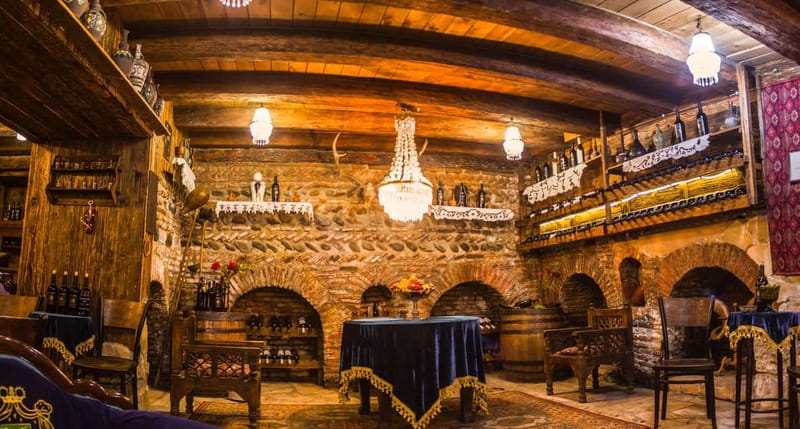
Wine tastes better with a story. In Tbilisi’s Old Town, this 200-year-old cellar offers a compact introduction to Georgian wine, with five wines, chacha, cheese, and an easy lesson in local traditions. I especially like the intimate setting and the fact that the wines are sold only at the cellar. I also appreciate the warm, personal guiding style described by visitors, including Dea, Salomé, Nino, Tamta, and Dani.
The main consideration is time: one hour goes quickly when you are tasting five wines and learning about Georgian winemaking. This is not a full winery day outside the city, and it does not include vineyard visits or a large meal. For a short Old Town activity, though, the $29 price is appealing, especially if you want a friendly introduction before exploring Georgia’s wine regions.
Key points to know
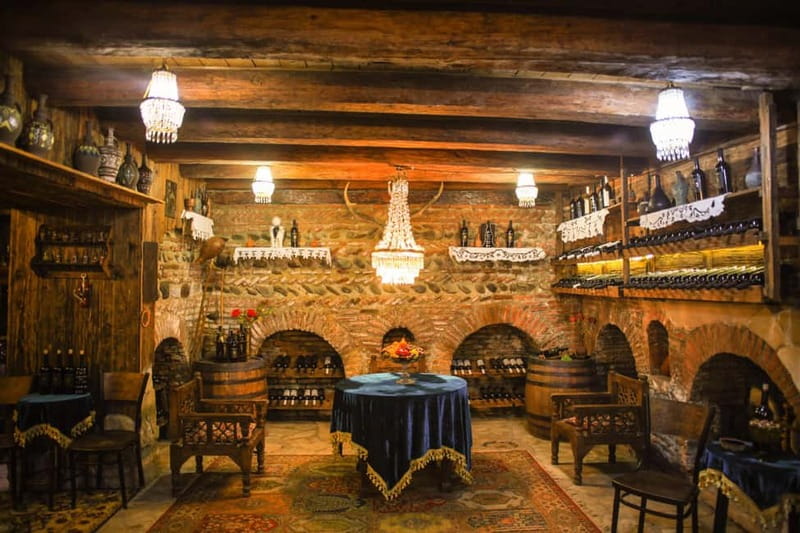
- A 200-year-old setting: Taste wine inside a historic cellar in Tbilisi Old Town.
- Five exclusive wines: The selection is available only at Karalashvili Wine Cellar.
- Chacha and cheese included: You receive a taste of traditional Georgian spirit and selected local cheeses.
- Strong guiding: Guides such as Dea, Salomé, Nino, and Dani explain wine, culture, and tasting basics in English.
- Good value at $29: The price covers the tasting, cellar visit, chacha, cheese, and cultural explanation.
- Adults only: The experience is not suitable for children under 18.
Entering Tbilisi’s 200-year-old wine cellar
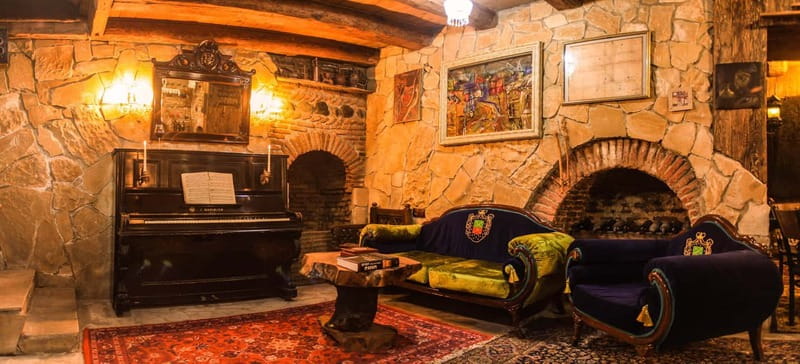
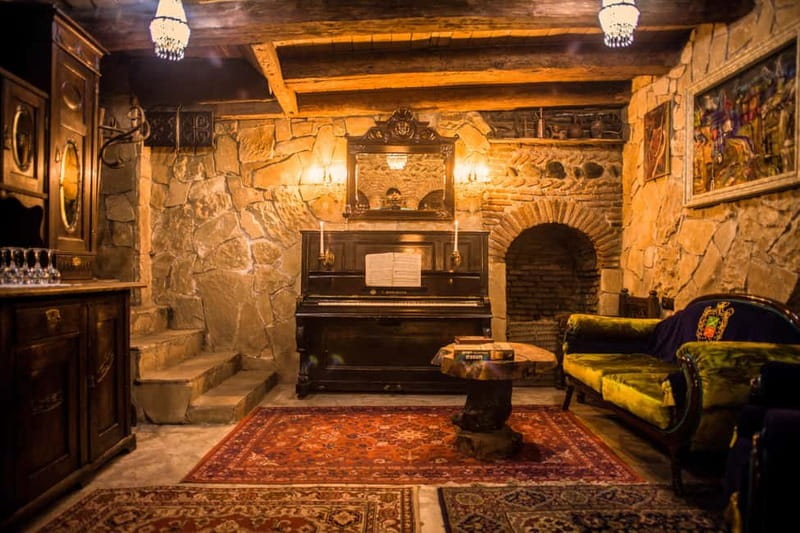
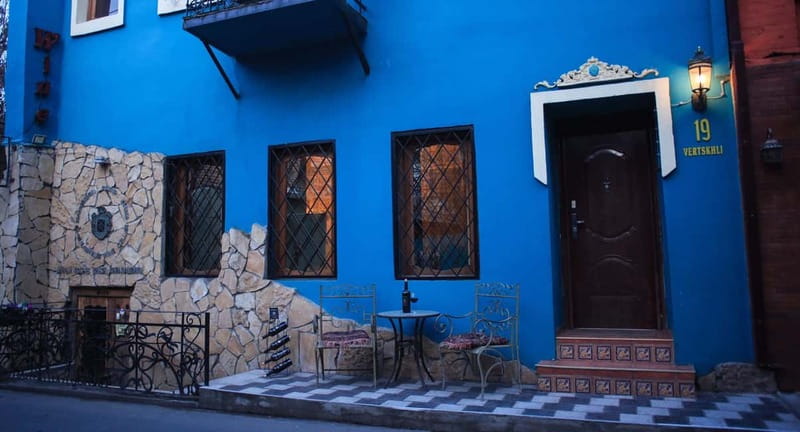
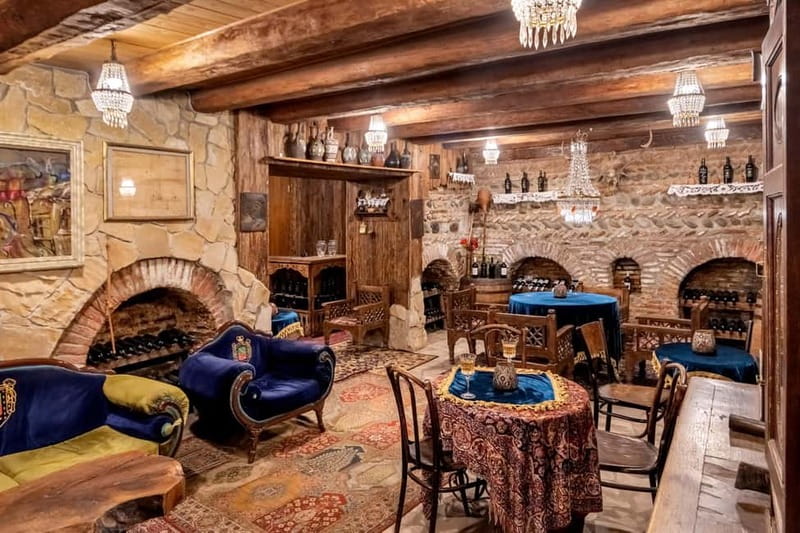
The setting does much of the work here. Karalashvili Wine Cellar is in Tbilisi Old Town, so you can fit it around sightseeing, dinner, or an evening walk through the historic center. You are not being taken out to a distant vineyard. Instead, you step off the Old Town streets and into a place with more than two centuries of cellar history.
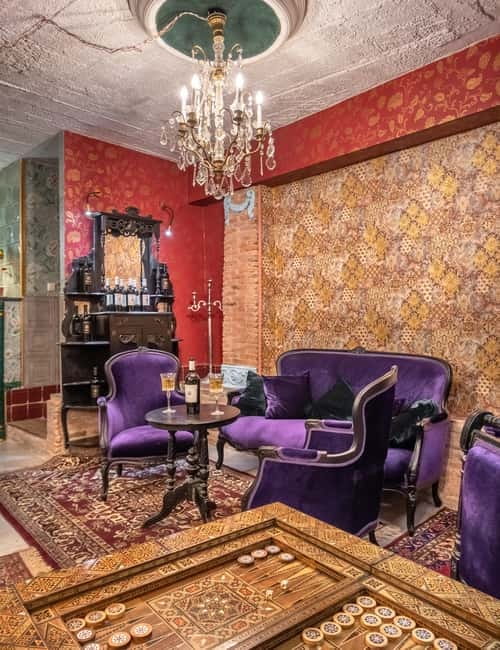
That matters because Georgian wine is not simply a drink served with a meal. Wine is tied closely to family life, celebration, religion, hospitality, and national identity. A historic cellar gives those ideas a physical home. The atmosphere is described as cozy, peaceful, and comfortable, with a setting that feels more personal than a large commercial tasting room.
I would plan this for the start of your time in Tbilisi if wine is new to you. It gives you useful vocabulary and context before you encounter Georgian bottles in restaurants or shops. If you already know Georgian wine well, the appeal is different: you can focus on the exclusive selection and the cellar’s history.
The Old Town location is also practical. You can walk here as part of a day in central Tbilisi, then continue to a nearby restaurant. The exact meeting details and starting times should be checked when booking, since the activity runs at set times and lasts about an hour.
More Private History Tours in the world:
- Private Historical Walking Tour of York
★ 5.0 · 1,324 reviews - Private Guided Historic Electric Cart Tour of St. Augustine
★ 5.0 · 1,194 reviews - Istanbul: Acemoglu Historical Turkish Bath w/Private Options
★ 4.6 · 1,190 reviews
Five wines with stories behind them
The central part of the experience is a guided tasting of five different wines. These are described as exclusive wines available only at this cellar, which gives the tasting a clear purpose. You are not simply sampling bottles you could pick up at any shop in town.
The selection is intended to show variety, though the exact wines can vary. One particularly praised bottle is Khvanchkara, a Georgian wine often associated with a softer, fruitier style. Saperavi Bio also received special praise from one regular visitor. Saperavi is one of Georgia’s best-known red wine grapes, and the organic-style bottle gives you another point of comparison.
Your guide explains each wine as you taste it. The useful part is not just learning names. You are shown how to notice aromas and differences between wines, including how to identify certain smells. That makes the experience accessible even if you have never had a formal wine tasting.
You do not need to arrive as a wine expert. One attendee specifically described the tasting as a good first introduction to wine history and winemaking. That is an important strength. A good tasting should help beginners feel comfortable, not make them feel as though they are taking an exam.
At the same time, experienced wine drinkers may want to ask questions. The guides are presented as well trained and generous with information, so you can move beyond simple descriptions of sweetness, acidity, or fruit. Ask about the grapes, Georgian production methods, and how the cellar’s own bottles differ from more widely available wines.
Qvevri, ancient traditions, and Georgian identity
A major cultural topic is the Georgian qvevri, a large clay vessel used for fermenting and storing wine. The method is closely connected with Georgia’s 8,000-year winemaking tradition, a point explained during the tasting.
This is where the experience offers more than a standard sample flight. You learn that Georgian wine has its own methods and vocabulary, rather than being simply another version of European wine culture. The clay vessels, long local traditions, and role of wine in Georgian life give the tasting a clear sense of place.
Your guide may also connect the bottles to customs and daily life. The staff are described as happy to discuss Georgian food, traditions, and places to visit. Nino, for example, also recommended local restaurants and dishes after explaining the wines and chacha.
That extra conversation can be especially useful on a first visit to Georgia. You might leave with ideas for what to order at dinner, which foods pair well with the wines, and a better understanding of why wine is so important here. I would bring questions rather than treating this as a quick drink before the next attraction.
The cultural explanation is one of the most praised parts of the experience. Salomé, Dea, Dani, and other hosts are repeatedly described as warm, clear, and enthusiastic. The tone appears to be conversational rather than formal, which suits a small cellar.
Chacha and a board of Georgian cheese
After the wines, or alongside them, you receive a taste of traditional Georgian chacha. Chacha is a strong Georgian spirit, so this is a small but useful part of the introduction to local drinking culture. It gives you a clear contrast with the wines and helps explain why Georgian hospitality includes more than one kind of homemade or regional drink.
Take this part slowly. The tasting is only an hour, and chacha can be much stronger than wine. You can enjoy the flavor and the tradition without treating it like another full glass.
The cheese board helps balance the alcohol and gives you something to eat while listening. The offering includes three types of cheese according to one detailed description, with other references also mentioning olives. The exact selection may vary, but the purpose is clear: you taste the wines with local food rather than on an empty stomach.
Food pairing is not a full meal here. If you arrive hungry, plan dinner afterward. The cheese is a useful accompaniment, not a replacement for a restaurant meal. That is a small limitation, but an easy one to manage in central Tbilisi.
I like this part because it makes the tasting more social. You can compare flavors, take your time, and understand how Georgian wine works with salty or creamy foods. It also keeps the experience from feeling like a lecture.
More Wine Tours in the world:
- Douro Valley: Historical Sites, Wine Experience, Lunch & Cruise
★ 5.0 · 5,133 reviews - Barcelona: Tapas Walking Tour with Food, Wine, and History
★ 4.8 · 4,261 reviews - Lisbon: Live Fado Show with Port Wine in Historic Center
★ 4.7 · 4,166 reviews - Sevilla Food Tour: Tapas, Wine, History & Traditions
★ 5.0 · 3,468 reviews
The hosts make the difference
The listed languages are English, Georgian, and Russian. That gives English-speaking visitors a practical way to ask questions and follow the explanation without needing prior wine knowledge.
Several hosts are named in the available feedback. Dea is praised for her warmth and for explaining both the wines and Georgia’s long wine traditions. Salomé is described as highly capable, while Nino is noted for discussing food and restaurants as well as wine. Tamta and Dani are also praised for their detailed, friendly presentations.
The repeated pattern is important: the experience depends heavily on the person guiding it. A historic room and five wines provide the framework, but the host turns that framework into a memorable hour. The guides seem willing to adjust the conversation to the people in front of them, whether they are complete beginners or already familiar with wine.
Another positive point is the low-pressure approach to buying bottles. You can purchase the cellar’s wines to take away, but buying is not presented as a requirement. One person even had to ask how to buy wine, which suggests the tasting is not built around a hard sales pitch.
That makes a difference. You can listen, taste, and decide for yourself. If you find a favorite, you have the option of taking it home. If you do not, you can simply enjoy the hour and leave with new information.
Is $29 good value?
At $29 per person, the price is reasonable for a private or highly personal one-hour tasting in central Tbilisi. You receive five wines, chacha, cheese, a cellar tour, and an explanation of Georgian wine traditions.
The value is strongest if you use the experience as an introduction. A bottle of wine alone would not give you the same context, and a casual glass at a bar would not include the guided explanation or cellar visit. You are paying for the host’s time as much as for the drinks.
The price is less compelling if you want a full meal, a vineyard visit, or several hours of winery touring. None of those are included. This is a focused city tasting, not a countryside wine excursion.
The exclusive bottles improve the value for anyone who wants to take Georgian wine home. The cellar sells wines that are available only there, so you have a chance to buy something more distinctive than a bottle found in every Tbilisi shop. One person bought a bottle to drink later and two more to take away.
Check luggage space before buying. Wine is heavy, and bottles need careful packing. Still, the option is useful because it lets you choose after tasting rather than guessing from a label.
How the one-hour visit feels
The experience is short, but it has several parts:
- You enter the historic cellar and get an introduction to the place.
- Your host explains Georgian wine culture and the cellar’s background.
- You taste five exclusive wines, with guidance on their character and aromas.
- You try traditional chacha.
- You enjoy cheese and possibly other small accompaniments while continuing the conversation.
- You have time to ask questions and decide if you want to buy wine.
This is a good amount for one hour, but do not expect a slow, sprawling evening. If you want to linger over every glass, ask many technical questions, or purchase several bottles, the scheduled time may feel tight.
The private format is a major advantage for couples and small groups. One couple described having a private tasting just for the two of them and found it well worth the price. A private setting allows you to ask basic questions without embarrassment and gives the host more room to follow your interests.
The activity is for adults only, and children under 18 are not accepted. That is worth noting for families planning an Old Town day.
Who should book this experience?
I would recommend it most strongly to first-time visitors who want a clear introduction to Georgia’s wine culture without leaving Tbilisi. It also suits couples, small groups, solo visitors, and anyone who wants a calm indoor activity in the Old Town.
It is particularly useful if you are unsure how Georgian wine differs from wine at home. The explanations about qvevri, local traditions, aromas, and food give you a base for the rest of your trip.
Wine enthusiasts will appreciate the exclusive bottles and the chance to ask detailed questions. The experience may be less suitable if you are looking for a large winery, vineyard scenery, a full lunch, or a long tasting session.
You should also book with realistic expectations about the word private. The supplied information describes private tastings, but the exact group arrangement can depend on the booking. Check the available time and format before paying.
Cancellation is flexible: you can cancel up to 24 hours in advance for a full refund. You can also reserve now and pay later, which helps if your Tbilisi plans are still shifting.
Should you book Karalashvili Wine Cellar?
Yes, if you want a friendly and focused introduction to Georgian wine in central Tbilisi. The best reasons are the historic cellar, five exclusive wines, traditional chacha, cheese, and hosts who explain the subject with real warmth.
I would book it early in your Tbilisi stay, then use what you learn at later meals and wine shops. At $29, it offers good value for a one-hour cultural activity, especially when the tasting is private or nearly private.
Skip it only if you want a full-day winery trip or already know Georgian wine very well and prefer to explore independently. For most adults who enjoy food, drink, and local stories, this is an easy Old Town addition with little downside.
FAQ
How long does the Karalashvili Wine Cellar experience last?
The tasting lasts one hour. Starting times depend on availability when you book.
How much does the experience cost?
The listed price is $29 per person.
How many wines are included?
The experience includes a guided tasting of five exclusive wines available only at the cellar.
Is chacha included?
Yes. A taste of traditional Georgian chacha is included.
Is food included with the wine tasting?
Yes. The experience includes selected cheese boards. One description specifies three types of cheese.
Where does the tasting take place?
It takes place in the historic Karalashvili Wine Cellar in Tbilisi Old Town.
What languages are available?
The host or greeter can provide the experience in English, Georgian, or Russian.
Can children attend?
No. The experience is not suitable for children under 18.
Just added around the world
- The Queenstown Story @ Cobh Heritage Centre , Great Stories of Emigration.★ 4.5 · 181 reviews
- Visit 16 Sites Key Historical Sites And Experience Cobh Rebel Tours★ 5.0 · 167 reviews
- Historical Bicycle Tour of Dunedin★ 5.0 · 44 reviews
- Cincy Brunch History and Streetcar Tour with Riverside Food Tours★ 5.0 · 108 reviews
- 2.5 Hour Kayaking with Manatee and History Tour in Tarpon Springs★ 5.0 · 24 reviews
- Private Tour in Chichen Itza Official History Guide★ 5.0 · 36 reviews
- Dazu Ancient Rock Carvings Private Tour Extension★ 5.0 · 24 reviews
- Chicago River Architecture Tour Aboard a Historic Yacht★ 5.0 · 45 reviews
Private History Tours, compared.


Private Guided Historic Electric Cart Tour of St. Augustine
Read our review →
Acemoglu Historical Turkish Bath w/Private Options
Read our review →
Private Full-Day Tour of Historical Alexandria
Read our review →
Private Tour of the Historic City in a Ford T Car
Read our review →
Madrid Historical Tour with Local Guide in Eco Tuk Tuk Private
Read our review →
Private Biblical Tour Ancient Corinth & Isthmus Canal from Athens
Read our review →
Private Kathmandu Sightseeing Tour | UNESCO World Heritage sites
Read our review →Browse the lists this tour appears in