
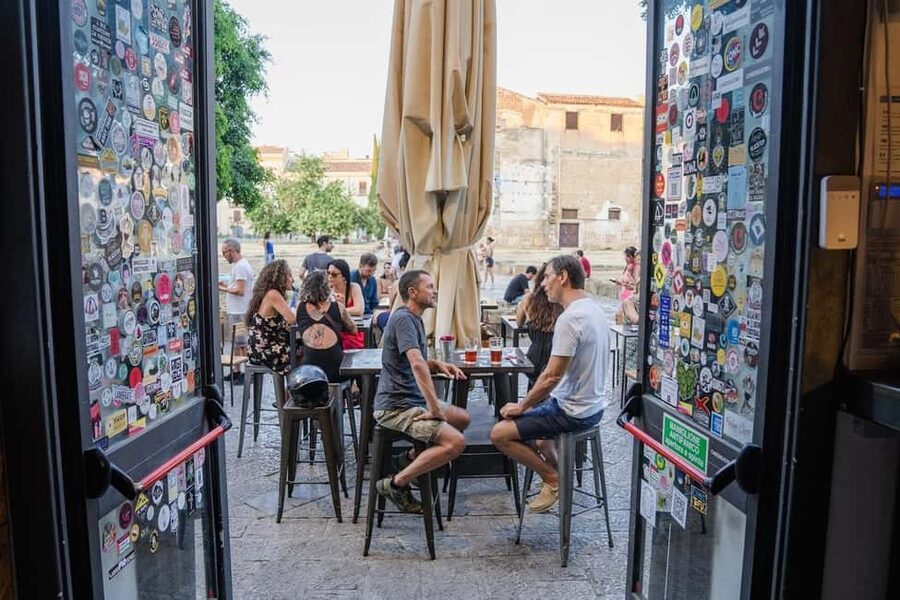
Review · SICILY
Palermo: Mafia history and present, Street Food Walking Tour
Palermo’s food tells a serious story. This three-hour walk links Mafia history with present-day civic life, stopping at pizzo-free eateries for fried snacks, sfincione, pani câ meusa, craft beer, and Sicilian sweets. I like the small group of no more than 10 people, and I like that the tour focuses on people and businesses resisting extortion rather than treating the Mafia as a movie prop. The main consideration is that this is not an art or monument tour, so you should choose another walk if Palermo’s churches and architecture are your priority.
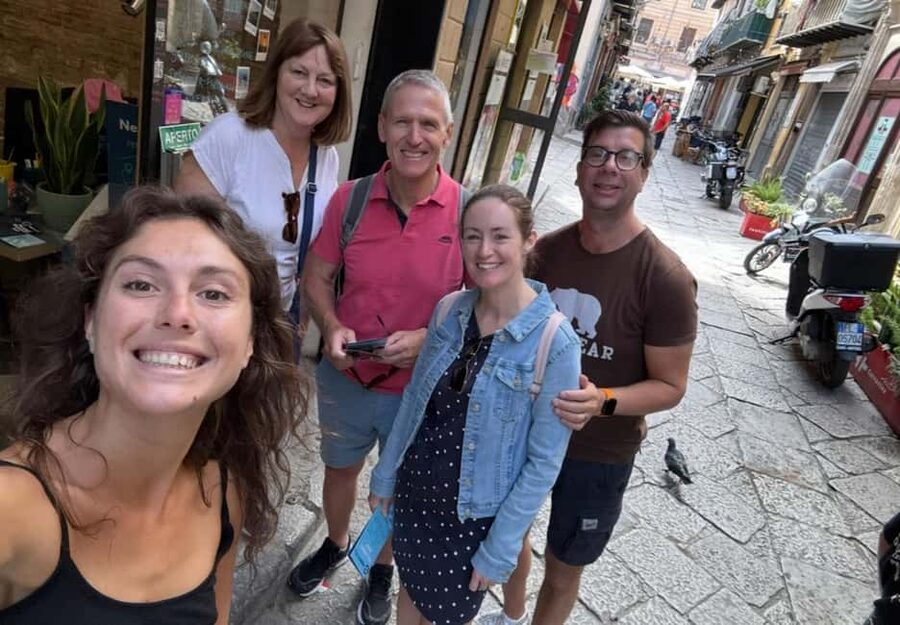
The guide, Elena, is a law graduate with experience at the Italian Supreme Court, and her legal background gives the conversation a useful edge. I also like the open discussion of current affairs, including local scandals in the newspaper. Come hungry, though. The food is generous enough that a full meal beforehand could be a tactical error.
Five things that make this Palermo tour different
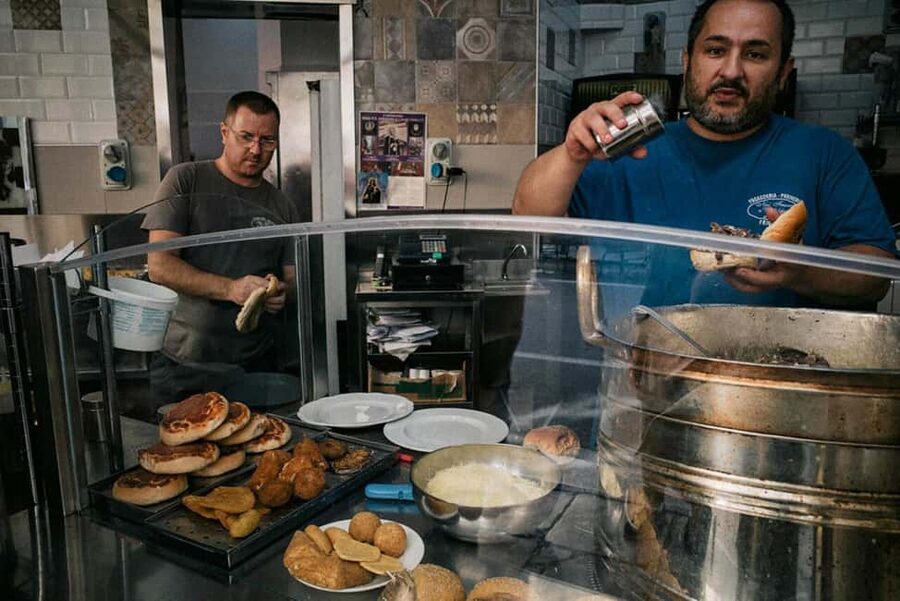
- Four pizzo-free tasting stops: Try panelle, crocchè, fried vegetables, sfincione, pani câ meusa, Sicilian craft beer, and traditional desserts at businesses connected with civic resistance.
- A law-trained guide: Elena brings legal experience and a personal connection to Palermo’s social issues.
- Mafia history with a present-day focus: You learn how organized crime began, how it operates now, and how it affects daily choices.
- A small evening group: With a maximum of 10 people, the walk allows for questions and open conversation.
- A food tour with a purpose: Each purchase supports places that refuse to pay pizzo, the extortion money demanded by criminal groups.
- Useful for curious eaters: Vegetarian, vegan, and children’s options are available, though you should discuss dietary needs before relying on every tasting.
What this three-hour Palermo experience is really about
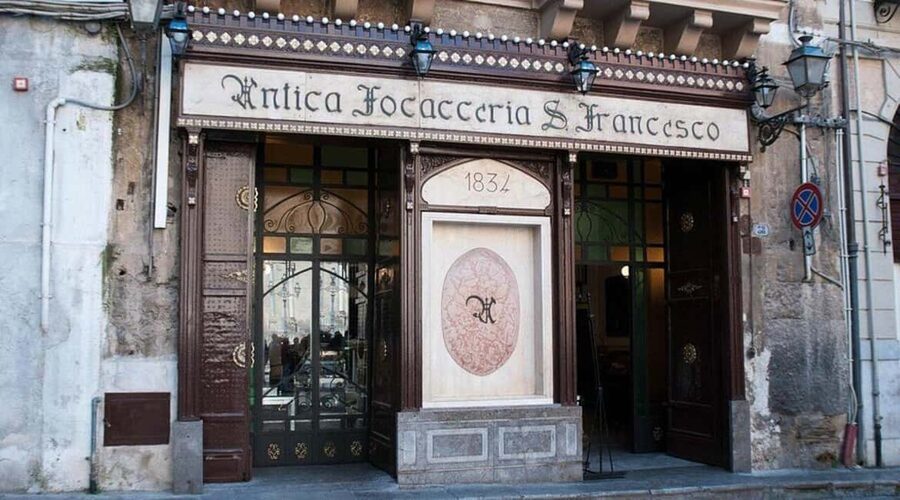
This is best understood as a social history walk with food, not a standard sightseeing tour. You meet at Epic Sicily’s base in Vucciria, an information point and rest stop, then walk through Palermo’s historic center while talking about the Mafia and the city today.
The subject is serious, but the format is informal. Instead of standing in front of monuments for long historical lectures, you move through the city and connect ordinary places with larger questions: Why do some businesses refuse extortion? How does organized crime influence daily behavior? What does civic resistance look like when it affects where you shop and eat?
That approach gives the tour a clear purpose. You are not simply hearing about famous crimes from decades ago. You are asked to consider how criminal power can shape work, commerce, politics, and social habits in the present.
Elena’s legal background is a major asset. Her experience at the Italian Supreme Court suggests a stronger grasp of how crime, law, and public institutions connect. The supplied details also identify her as the guide praised for her passion for Palermo, her clear storytelling, and her ability to discuss both the Mafia and wider life in the city.
More History Walking Tours in Italy
- Venice: City Center Historical Guided Walking Tour
★ 4.2 · 1,873 reviews - Palermo: Street Food and History Walking Tour
★ 4.9 · 1,486 reviews - Verona: History and Hidden Gems Guided Walking Tour
★ 5.0 · 1,379 reviews
Starting in Vucciria and entering Palermo’s historic center
The meeting point is Epic Sicily’s home in Vucciria. It serves as an information point, locker area, and traveller rest stop, which is handy if you arrive early or need a practical base before the walk.
From there, the route takes you through the historic center. The walk is part of the experience, not simply transportation between restaurants. You see Palermo as a lived-in city while the guide explains how organized crime has affected Sicilian society from its origins to the present.
Do not expect a detailed explanation of every church, palace, or street you pass. The tour specifically avoids being a traditional monument-focused walk. You will get more from it if you want social context and conversation rather than a checklist of architectural facts.
Comfortable shoes are a good idea. The tour lasts three hours and involves walking through the city, with food and drink stops along the way. The exact starting time can vary, so check the available time when booking, particularly if you are planning dinner afterward.
The Mafia story without the movie version
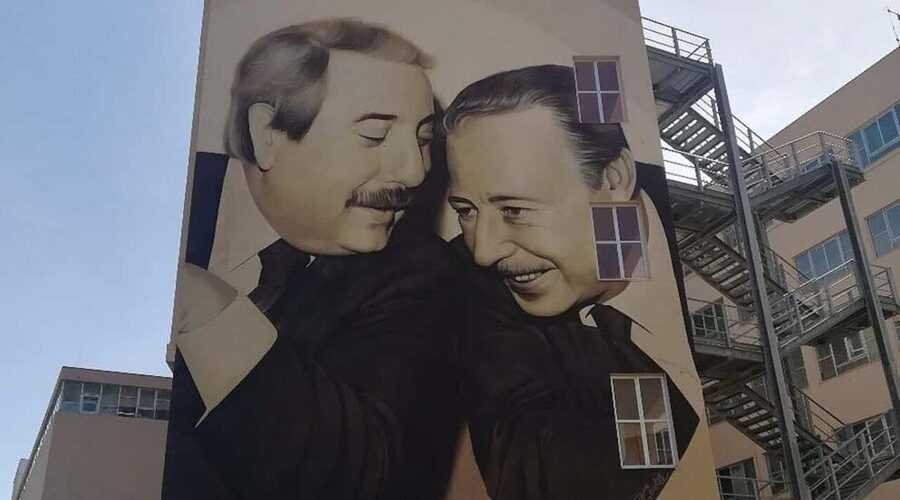
The strongest part of this experience is its effort to move beyond familiar Mafia clichés. Palermo’s criminal past is often presented through films, dramatic characters, and famous trials. This walk instead connects history to the choices made by real businesses and residents.
You hear about the origins of the Sicilian Mafia, the development of its power, and the way it has influenced everyday life. The conversation then moves toward the present, including civic behavior, consumption, and the pressure that organized crime can place on individuals and businesses.
The phrase pizzo-free is central here. Pizzo is extortion money demanded from businesses. At each food stop, you visit an establishment identified as refusing that racket. Your meal therefore has a practical connection to the topic. You are not only hearing about resistance. You are spending money at places presented as part of that resistance.
That is a meaningful idea, though you should know what it does and does not mean. The tour can explain social dynamics and offer stories of people who said no, but three hours cannot provide a full academic account of the Mafia or every stage of Sicilian history. If you want detailed political history, court records, or a specialist crime seminar, this will feel more conversational and introductory.
The first food stops: fried Palermo favorites
The tasting begins with traditional fried treats, including panelle, crocchè, and fried vegetables. Panelle are chickpea fritters, while crocchè are potato croquettes. Together, they introduce the practical side of Palermo street food: inexpensive, filling food designed to be eaten casually rather than admired on a tasting plate.
This stop works well early in the walk because it gives you something substantial before the later tastings. Fried food is also a useful test of your appetite. The meal is described as generous, and several comments emphasize that you should not eat beforehand.
Dietary needs require some care. Vegetarian and vegan options are available, and children can be accommodated, but the standard tasting includes several foods with different ingredients and preparation methods. If you have allergies or strict restrictions, clarify them before booking instead of assuming every stop can be altered.
More Food and History Tours in Italy:
- Rome Food Tour in the Historic Centre with 8+ Food Tastings
★ 5.0 · 1,000 reviews - Walking Tour and street food Tour Palermo / History and Food
★ 5.0 · 386 reviews - Lecce History and Street Food Tasting Small Group Tour
★ 5.0 · 288 reviews - Private Rome Food Tour in the Historic Centre with 8+Tastings
★ 5.0 · 135 reviews
Sfincione and pani câ meusa at a local street food spot
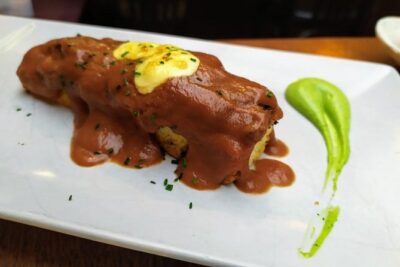
The next major tasting includes sfincione and pani câ meusa. Sfincione is Palermo’s thick, soft style of pizza, usually served as a square or slice. Pani câ meusa is a classic Palermo sandwich made with spleen and lung, traditionally cooked in lard and served in a bread roll.
The contrast is part of the point. Sfincione is approachable for most people, while pani câ meusa is one of the city’s more distinctive specialties. It is not a cautious choice for anyone uncomfortable with organ meats, but it offers a direct connection to Palermo’s working-class food culture.
The food stop is described as an iconic Palermo street food location, and it is one of the places where the pizzo-free theme becomes especially concrete. The setting matters as much as the ingredients. You are eating food tied to local habits while hearing about a business that refuses to support extortion.
If you are vegetarian, vegan, or bringing children, ask which alternatives will be provided. The activity states that options are available, but it does not list a separate menu for each dietary group.
Sicilian craft beer and the conversation that follows
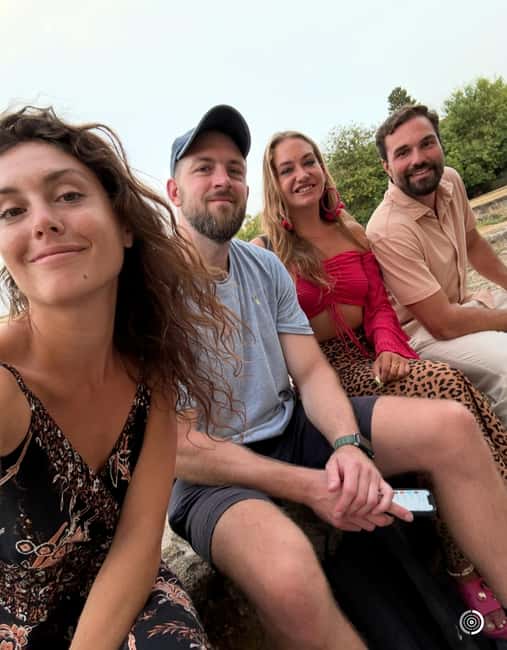
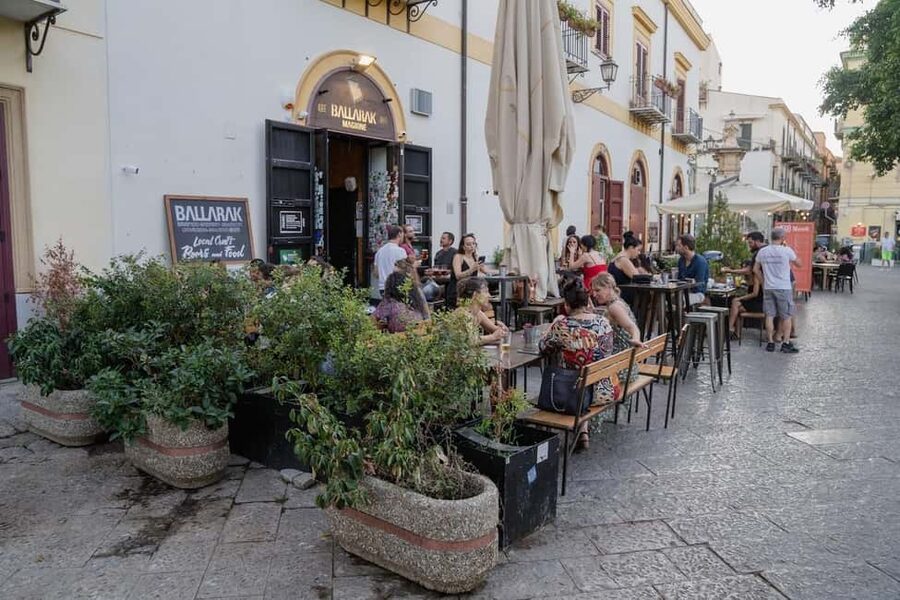
A Sicilian craft beer is included as part of the four tasting stops. This is a modest but useful pause in the evening. It gives the group time to talk, ask questions, and process the material rather than rushing from one bite to the next.
The beer also helps the tour feel like an aperitivo, not a formal lecture with snacks attached. That balance is one reason the experience has appealed to people who want a social evening as well as historical information.
Additional food and drinks are not included. The included beer is part of the price, but anything beyond the listed tastings costs extra. If you do not drink alcohol, check how the stop can be handled before you go, since the published details do not specify a nonalcoholic replacement.
Sicilian desserts finish the route on a lighter note
The final tasting is a selection of typical Sicilian desserts. Exact sweets are not specified, so you should not book expecting one particular pastry. You can, however, expect the food portion to finish with several sweet tastes rather than a single small sample.
This ending gives the evening a lighter rhythm after the more difficult subject matter. It also makes the tour useful for anyone who wants a broad introduction to Palermo’s street food, not just a single famous dish.
The portions appear to be generous. If you are planning a late dinner, keep it small or schedule it for another evening. The tour is priced as a combined walking experience and aperitivo, not as a quick snack crawl.
Why the pizzo-free stops matter
The pizzo-free idea is more than a label added to the food stops. It gives you a clear way to connect consumption with civic choices. You learn that choosing where to eat can support businesses that refuse criminal pressure.
That does not mean a tourist can solve Palermo’s social problems with one meal. It does mean the tour offers a concrete example of how ordinary economic decisions can fit into a larger culture of resistance.
I find this more useful than a generic Mafia-themed walk because it avoids making organized crime seem distant or theatrical. The focus stays on people, businesses, and the daily costs of saying no.
The experience also ends with an open reflection on current events. The guide and group look at the daily or weekly scandals appearing in the local newspaper, then discuss how organized crime continues to influence society. This keeps the final conversation connected to Palermo now, rather than ending with a fixed story from the past.
Group size, languages, and access
The group is limited to 10 people. That is small enough for questions and personal conversation, while still large enough to create a shared evening rather than a private lesson. A small group also suits the subject, since the guide can respond to different reactions and interests.
The live guide may conduct the experience in English, Italian, Russian, German, Spanish, Greek, or French. Confirm the language available for your chosen departure, especially if the Mafia discussion is a main reason for booking.
The activity is listed as wheelchair accessible. Since the tour involves walking through the historic center and visiting food businesses, it is sensible to confirm the route and access details for your specific date if you use a wheelchair.
You do not need to arrange transportation as part of the experience. Getting to the Vucciria meeting point is your responsibility, and transport afterward is not included.
Is $79 a fair price?
At $79 per person, the value depends on how you view the experience. You are paying for three hours of guided walking, a specialist guide, four food and drink stops, a small group, and the chance to support pizzo-free businesses.
It is not the cheapest way to eat street food in Palermo. If your only goal is to sample panelle, sfincione, or pastries, you could spend less by choosing food on your own. You would not, however, get the guide’s legal perspective, the organized route, or the connection between each stop and civic resistance.
The price makes more sense for you if you value context. Elena’s legal experience, the open discussion of current issues, and the small group add something beyond the cost of the food itself. The included PDF no mafia guide is also useful for continuing your reading after the walk.
Free cancellation up to 24 hours before the experience and reserve-now, pay-later booking make the planning less risky. Those policies are helpful if your Sicily schedule is still changing.
Who should book this experience?
I would recommend it to you if you:
- Want to understand Palermo through present-day social issues.
- Like food tours with a clear ethical or civic purpose.
- Are curious about the Mafia but prefer a serious discussion to sensational stories.
- Enjoy walking, conversation, and trying local food in a small group.
- Want a guide who can discuss law, institutions, and current events.
- Have an evening free in Palermo and want more than a standard restaurant meal.
You may want to skip it if you are mainly interested in art, architecture, or detailed monument explanations. It is also less suitable if you dislike organ meats, fried food, group discussion, or serious political subjects.
Should you book the Palermo Mafia and street food tour?
Yes, if you want a thoughtful introduction to Palermo that connects food with civic life. The strongest reasons are Elena’s legal background, the small group, the pizzo-free businesses, and the generous range of tastings.
I would book it early in a Palermo stay. The walk can help you understand the city before you explore more on your own, and the food suggestions may guide later meals. Eat lightly beforehand, wear comfortable shoes, and arrive ready to ask questions.
This is not a complete account of the Sicilian Mafia, and it is not a classic sightseeing tour. It is something more focused: an evening walk about organized crime, resistance, food, and the choices people make in Palermo today.
FAQ
Where does the tour meet?
It meets at Epic Sicily’s base, called Epic home in Vucciria. The site serves as an information point, locker area, and traveller rest stop.
How long does the experience last?
The tour lasts three hours. Starting times vary, so you should check availability for your chosen date.
How much does the tour cost?
The listed price is $79 per person.
What food is included?
The included aperitivo has four tasting stops with traditional fried treats such as panelle, crocchè, and fried vegetables, plus sfincione, pani câ meusa, Sicilian craft beer, and typical Sicilian desserts.
Are vegetarian and vegan options available?
Yes. Vegetarian, vegan, and children’s options are available.
Is the tour focused on Palermo’s monuments?
No. It is not a traditional guided tour centered on historical or artistic explanations of monuments and sites. The focus is Mafia history, present-day social dynamics, civic resistance, and local food.
Who leads the tour?
The host is a law graduate with experience at the Italian Supreme Court. The guide identified for this experience is Elena.
How large is the group?
The group is limited to a maximum of 10 participants.
What languages are offered?
The live tour guide may conduct the experience in English, Italian, Russian, German, Spanish, Greek, or French.
Is the tour wheelchair accessible?
Yes, the experience is listed as wheelchair accessible.
Is transportation included?
No. Transportation to the meeting point is not included, and additional food or drinks beyond the listed tastings are also excluded.
Can I cancel the booking?
Yes. You can cancel up to 24 hours in advance for a full refund. A reserve-now, pay-later option is also available.
More Food Tours in Italy
- Bologna: Street Food Tour in the Historic Center
★ 4.8 · 125 reviews - Palermo: Historic Center Guided Bike Tour with Food Tasting
★ 4.7 · 85 reviews - Pastrengo: Lake Garda Wine & Food Tasting in Historic Fort
★ 4.7 · 73 reviews - Rome: Ultimate Street Food Tour in the Old Town by Do Eat Better
★ 5.0 · 73 reviews
Just added around Italy
- Partinico: Historic Sicilian Vineyard & Wine Tasting Tour★ 4.8 · 36 reviews
- Palermo: Historic Center Guided Bike Tour with Food Tasting★ 4.7 · 85 reviews
- Palermo: Tour of the historic center by train★ 3.7 · 242 reviews
- Palermo : Historic Markets & monuments Walking Tour★ 4.7 · 129 reviews
- Padua: Jewish Heritage Museum and Synagogue Tour★ 4.9 · 109 reviews
- Turin: Palazzo Madama Museum of Ancient Art Entrance Ticket★ 4.6 · 149 reviews
- Olbia: Archaeological Tour of Ancient Sardinia + Transport★ 4.6 · 21 reviews
- Naples: Monuments and Historic District Self-Guided Tour★ 4.0 · 50 reviews
Food & History Tours, compared.
Sevilla Food Tour: Tapas, Wine, History & Traditions
Read our review →
Dublin Historical Centre Food Tour with 8 Food Tastings & Drinks
Read our review →
The Great Indian Food Tour: Old Delhi Food and Heritage Walk
Read our review →
Browse the lists this tour appears in