
Review · LOUISIANA
New Orleans: Tremé African American & Creole History Tour
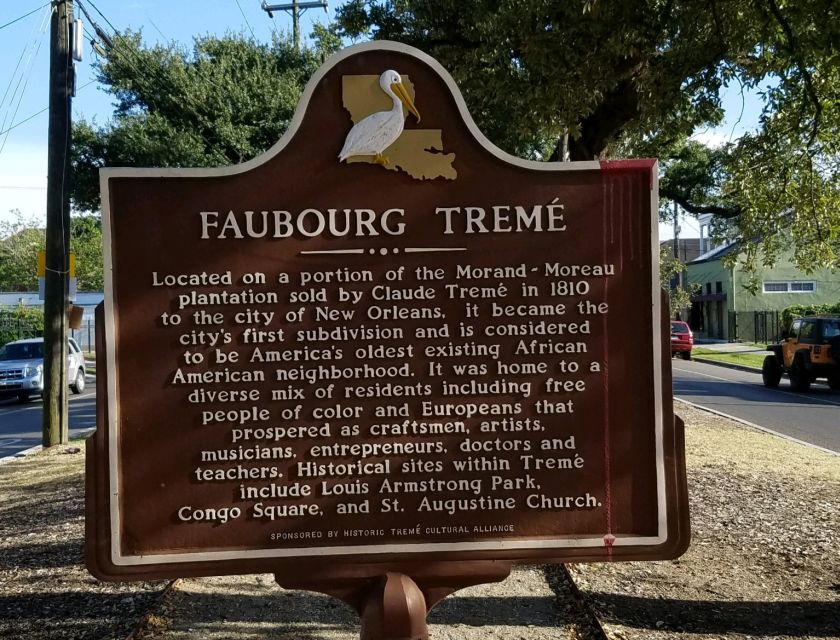
Tremé tells New Orleans a different story. This 105-minute walk brings you into the city’s African American and Creole past, linking Congo Square, jazz, civil rights, architecture, and modern brass bands in one compact neighborhood tour. I especially like the way the guides use music to explain the history, and I like that the tour deals openly with stories New Orleans has sometimes pushed aside. The main drawback is simple: you walk outdoors in all weather, and summer heat can be hard on anyone not used to it.
The $22 price is a good deal for a licensed local historian and nearly two hours of focused interpretation. Guides such as Erin, Nika, Kweku, Angela, and Eva have earned especially warm praise for their storytelling, music selections, and willingness to answer questions. Just allow a little extra time afterward, since some tours run beyond the advertised finish.
Key points to know before you book
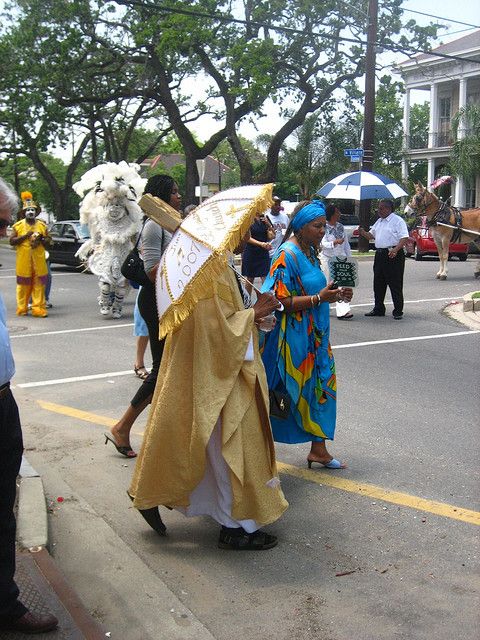
- Congo Square connects music, resistance, and community: You learn how gatherings in this part of Tremé helped shape New Orleans music.
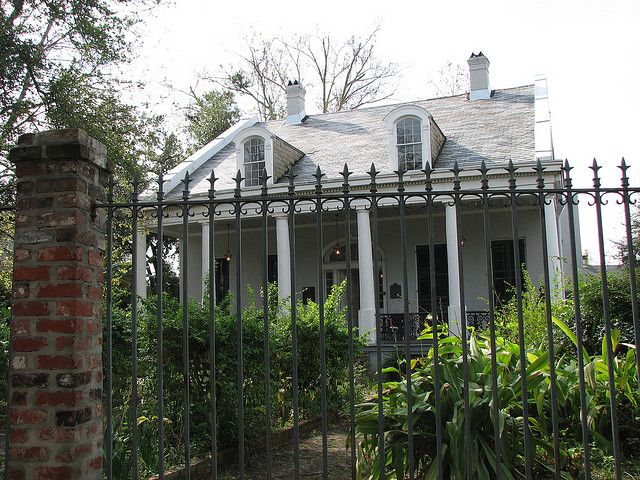
- The route covers major Black and Creole landmarks: Expect St. Augustine Church, the Tomb of the Unknown Slave, Armstrong Park, and other meaningful sites.
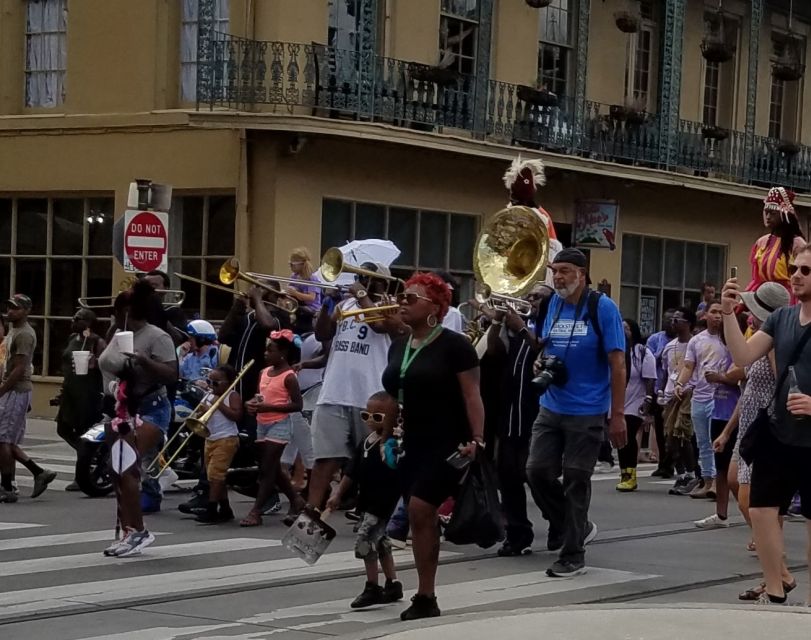
- Music is part of the teaching: Guides may use a portable speaker to connect jazz, brass bands, and local musicians to the places where those traditions grew.
- The tour links past and present: You hear about musicians including Jelly Roll Morton, Alphonse Picou, and Trombone Shorty, along with artists and craftspeople living in Tremé today.
- It begins at the French Quarter’s edge: Meet inside the Voodoo Lounge at 718 N. Rampart Street, at the corner of North Rampart and Orleans streets.
- Good shoes matter: The route is wheelchair accessible, but it is still an outdoor walking tour with sun, rain, and uneven city walking conditions to consider.
Why Tremé deserves its own New Orleans tour
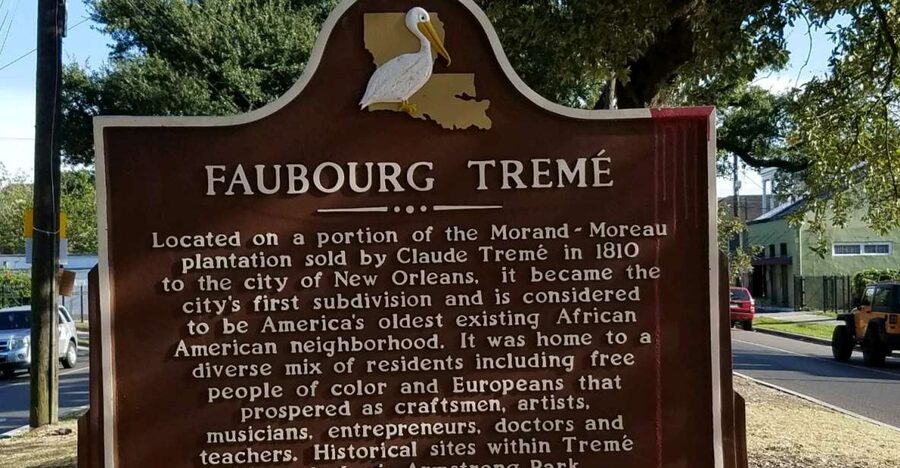
Many first-time visits to New Orleans revolve around the French Quarter. That is understandable, but the Quarter gives you only part of the city’s story. Tremé sits just beyond its northern edge and offers a stronger look at the people, traditions, and political struggles that helped shape New Orleans.
This is not simply a music walk. Jazz provides the thread, but the tour also addresses enslaved Africans, free people of color, African American community life, Creole identity, segregation, civil rights, and the damage caused when historic neighborhoods are cleared or neglected.
I value that broader frame. You are not asked to treat jazz as a detached sound that appeared by magic. Instead, you see it as part of a long cultural process involving worship, public gatherings, marching, dancing, grief, celebration, and resistance.
The tour also makes room for the Tremé of today. Musicians, artists, and craftspeople still contribute to the neighborhood’s story, so the area is presented as a living community rather than a museum display.
A few more history tours around New Orleans worth a look
- New Orleans Garden District History Walking Tour
★ 5.0 · 2,879 reviews - French Quarter Historical Sights and Stories Walking Tour
★ 5.0 · 2,724 reviews - New Orleans Small-Group Haunted History Carriage Tour
★ 4.5 · 2,289 reviews
Starting at North Rampart Street
Your meeting point is The Voodoo Lounge, 718 N. Rampart Street, on the corner of North Rampart and Orleans streets. This is at the top of the French Quarter, making it a convenient starting point if you are already exploring Bourbon Street, Royal Street, or Jackson Square.
Check in inside the lounge at the box office, where you receive your wristband. That detail is easy to miss, so do not wait outside wondering where the group is forming.
The tour is conducted in English by a licensed guide who is also a local historian. The exact guide can vary, but the strongest experiences in the supplied feedback came from guides including Erin, Nika, Kweku, Angela, Eva, Claire, Malika, and others. Their approaches differ, yet the common thread is clear: this tour depends heavily on the person leading it.
That is worth understanding before booking. You are paying for interpretation more than for admission to a collection of indoor attractions. A strong guide can make a street corner, church façade, or former intersection meaningful. The guides praised most warmly used personal energy, selected music, photographs, humor, and patient answers to bring the subject alive.
Armstrong Park, Congo Square, and a painful chapter
A major part of the experience concerns the area now associated with Louis Armstrong Park. Guides use the park and nearby locations to explain Congo Square and the community that once occupied land later altered or cleared by city development.
One especially effective teaching point is the former intersection of St. Claude and Dumaine. Standing there while seeing images of the neighborhood that was razed gives the history a physical location. You are not just hearing that urban change affected Tremé. You can connect that loss to a particular place under your feet.
The subject can be difficult, and that is part of the value. Some New Orleans tours smooth over uncomfortable material in favor of an easy, entertaining story. This one addresses what happened to residents and how parts of the city’s past were buried or minimized.
Congo Square is also central to the music story. The guides explain its role in African cultural expression and how traditions carried through gatherings, rhythm, movement, and community life. I like this portion because it gives you a better way to understand New Orleans music. Jazz is not treated as an isolated invention. It grows from people preserving culture under harsh conditions and reshaping it over generations.
Depending on your guide and the day, you may hear music during the walk that matches the topic being discussed. A portable Bluetooth speaker has been a memorable part of some tours, with selections used as an introduction to the next subject rather than as background noise.
St. Augustine Church and the Tomb of the Unknown Slave
St. Augustine Church is another important stop. The tour places the church within Tremé’s African American and Creole story, showing how religious institutions helped shape community life.
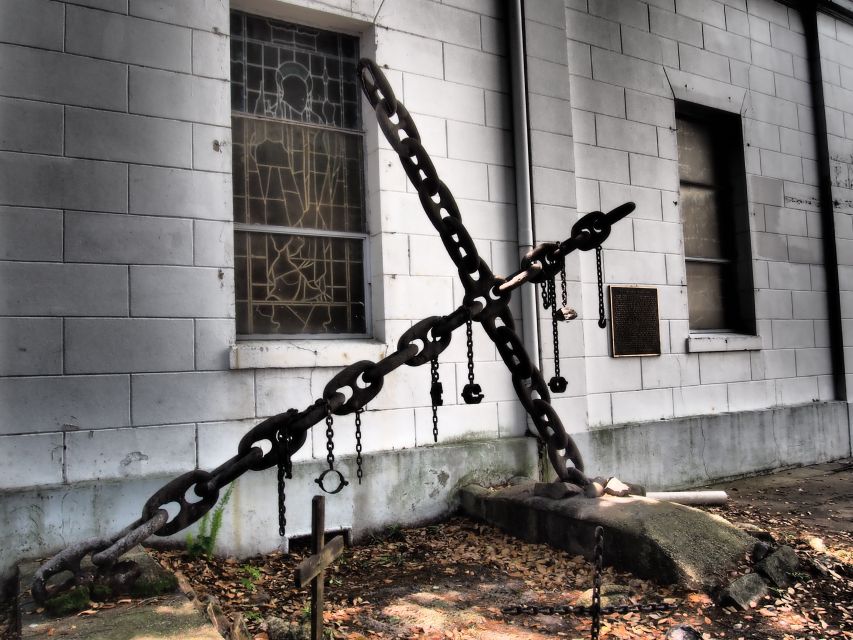
The Tomb of the Unknown Slave adds another layer. It asks you to think about the people whose names and individual stories were lost, while also recognizing the broad human cost of slavery. This is a quiet counterpoint to the better-known names associated with New Orleans music.
You should expect the guide to connect these places rather than treat them as isolated photo stops. That is one reason the walk works best for people who want context. If you only want quick snapshots of landmarks, parts of the tour may feel slower than expected. If you want to understand why these sites matter, the pacing is useful.
The tour may also touch on the Ursuline nuns, Plessy v. Ferguson, and the gap between what is commonly taught and what local history reveals. Those subjects appeared in especially detailed tour experiences, but the exact balance will depend on your guide and the group’s questions.
Same place, a different slice of the past:
- New Orleans Haunted History Ghost Tour
★ 4.5 · 2,084 reviews - Paddlewheeler Creole Queen Historic Mississippi River Cruise
★ 4.5 · 1,948 reviews - New Orleans Food and History Walking Tour
★ 5.0 · 1,544 reviews - New Orleans: Creole Queen History Cruise with Optional Lunch
★ 4.3 · 1,112 reviews
Jazz, brass bands, and the musicians of Tremé
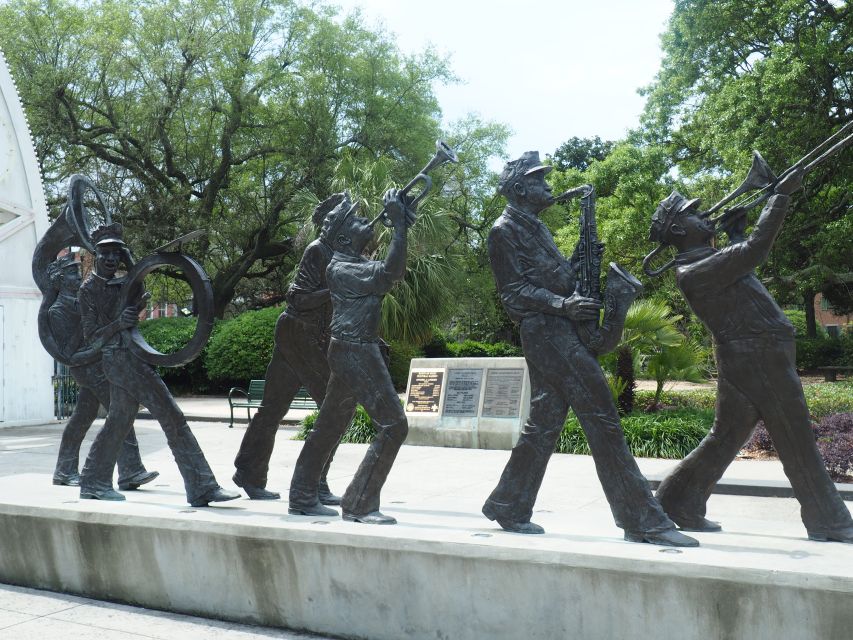
Music lovers will find plenty here, but you do not need to arrive with a long jazz playlist. The guide explains how Tremé contributed to New Orleans music across several periods and styles.
Jelly Roll Morton, Alphonse Picou, and Trombone Shorty are among the musicians connected with Tremé. Their names help show the range of the neighborhood’s influence, from early jazz to the modern brass band tradition.
The brass band discussion is especially useful because it links sound to public life. New Orleans brass bands are not only concert acts. Their traditions connect to parades, funerals, celebrations, neighborhood events, and movement through city streets. You get a clearer sense of why music in New Orleans feels so tied to place.
Several guides have used carefully chosen songs before explaining a landmark or musical figure. This is a small touch, but it changes the mood of the walk. You hear an idea, then stand in a place connected to it. It is far more memorable than listening to a long lecture with no local reference point.
The HBO series Tremé also appears along the route. You see filming locations and learn how the show used the neighborhood. The program is not the main purpose of the tour, so you do not need to be a fan to enjoy this part. If you know the series well, these locations add a pleasant extra layer.
You may also hear about the laundromat that entered the Rock and Roll Hall of Fame. It is an unusual detail, and exactly the kind of local story that keeps a history walk from becoming too formal.
Civil rights and the stories left out
The tour’s African American history extends into the civil rights movement. This matters because Tremé’s story is not frozen in the nineteenth century or limited to jazz origins.
The guides connect local places to larger issues of segregation, legal inequality, protest, and the long fight for civil rights. Plessy v. Ferguson may be discussed, along with how New Orleans fits into wider national events.
I appreciate the directness here. The tour does not present history as a string of comfortable dates. It asks you to consider who had power, whose accounts were preserved, and whose experiences were pushed aside.
At the same time, the tone is not simply grim. Music, humor, pride, faith, and community endurance remain part of the story. Guides such as Erin and Nika have been praised for explaining complicated subjects in plain language and for handling questions without turning the walk into a lecture.
That makes this a strong choice if you want more than a surface-level introduction to Black New Orleans. It also suits visitors who prefer a guide willing to correct common assumptions.
What the guides do best
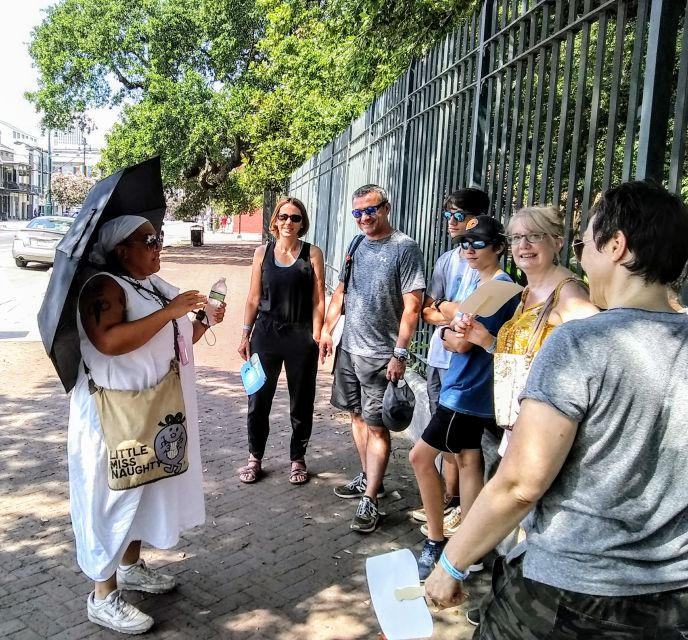
The guide is the heart of this experience. The strongest praise has gone to people who bring several skills together:
- They explain difficult history clearly without talking down to the group.
- They connect musicians and songs to actual Tremé locations.
- They welcome questions and adjust the discussion to the group.
- They use humor and personal warmth without making light of painful subjects.
- They show pride in New Orleans while acknowledging its failures.
Nika has been singled out for her energy, creativity, and use of music. Erin has been praised for her command of Tremé, her patience, and her ability to explain sensitive subjects in an approachable way. Kweku has earned attention for linking music, culture, and local history. Angela and Eva have also been praised for clear storytelling and strong historical connections.
You generally cannot select a specific guide in advance, so I would not book solely on the hope of receiving one particular person. Still, the repeated strength of the guiding team is a meaningful advantage.
Walking conditions, weather, and accessibility
The tour lasts 105 minutes, though you should avoid scheduling another fixed activity immediately afterward. At least one experience ran longer than the stated time, and questions can extend the walk.
Tours operate rain or shine. Bring comfortable walking shoes and sun protection. In summer, heat can be intense, and one guide has been praised for choosing shaded places when stopping to speak. That helps, but it does not remove the need for water, light clothing, and realistic expectations.
Winter weather matters too. A January tour was described as extremely cold, yet still worthwhile. The practical lesson is simple: dress for the forecast, not for the season you imagine New Orleans will provide.
The activity is listed as wheelchair accessible. Large bags and luggage are not allowed, so arrive with only what you need for the walk. Food and drinks are not included, although a past group stopped at Tremé Coffeehouse and appreciated the chance to get something during the outing. Treat that as guide-dependent rather than guaranteed.
Is $22 a good value?
At $22 per person, this is one of the better-value ways to spend part of a New Orleans morning or afternoon. You receive nearly two hours with a licensed local historian, and the route covers several major subjects rather than one narrow theme.
The price is particularly fair if you want help making sense of the city. You could walk through Armstrong Park and Tremé on your own, but you would miss much of the connection between Congo Square, the music, the churches, the civil rights story, and the neighborhood’s physical changes.
There are limits. This is not a food tour, a museum tour, or a performance. Food and beverages are not included, and the experience takes place outside. The value depends on your interest in listening, asking questions, and walking at a measured pace.
Free cancellation up to 24 hours before the start gives you useful flexibility, and you can reserve now while paying later. Those policies are helpful if your New Orleans schedule is still shifting.
Who should take this Tremé walk?
I would recommend it to first-time visitors who want to look beyond the French Quarter. It is also a good fit for anyone interested in jazz, African American history, Creole culture, civil rights, urban change, or the HBO series Tremé.
Families with older children may enjoy the music and stories, provided everyone can manage an outdoor walk. The tour is also well suited to visitors who prefer a local guide over a self-guided audio route.
You may want to skip it if you dislike walking in heat or rain, need a quiet sightseeing experience with little discussion, or have only a very short time in New Orleans. You should also leave room for the possibility that the guide will continue beyond 105 minutes.
Should you book the Tremé African American and Creole History Tour?
Yes, especially if you want to understand how New Orleans became more than its tourist image. For $22, you get a thoughtful introduction to Tremé’s people, music, landmarks, and struggles, with a guide who can connect individual streets to wider American history.
Book it early in your visit if possible. The tour gives you useful context for later music, museum, church, and neighborhood visits. Wear good shoes, protect yourself from the sun, and arrive ready to listen as much as you look.
FAQ
How long is the Tremé African American and Creole History Tour?
The advertised duration is 105 minutes. Some tours may last longer, especially when the group asks questions, so avoid booking another activity immediately afterward.
Where does the tour meet?
It meets at The Voodoo Lounge, 718 N. Rampart Street, at the corner of North Rampart Street and Orleans Street. Check in at the box office inside the lounge to receive your wristband.
What language is the tour conducted in?
The tour is conducted in English.
Is the tour wheelchair accessible?
Yes, the activity is listed as wheelchair accessible.
What should I bring?
Wear comfortable walking shoes and bring sun protection. Since the tour operates rain or shine, you should also dress for the weather.
Are food and drinks included?
No. Food and beverages are not included in the tour price.
Can I cancel the booking?
Yes. You can cancel up to 24 hours in advance for a full refund. You can also reserve now and pay later to keep your plans flexible.
Just added around New Orleans
- New Orleans: Wicked History Walking Tour with a Local Witch★ 4.3 · 29 reviews
- New Orleans: Swamp Boat Ride and Historic Plantation Tour★ 4.7 · 303 reviews
- New Orleans: 1.5-Hour Voodoo History Evening Tour★ 4.5 · 34 reviews
- New Orleans: Garden District Food, Drinks & History Tour★ 4.9 · 97 reviews
- New Orleans: Drunk History Walking Tour★ 4.2 · 165 reviews
- New Orleans: French Quarter Food History Walking Tour★ 4.9 · 713 reviews
- New Orleans: French Quarter Saints & Sinners History Tour★ 4.6 · 56 reviews
- New Orleans: History, Culture & Architecture Guided Tour★ 4.6 · 38 reviews
New Orleans History Tours, compared.

New Orleans Garden District History Walking Tour
Read our review →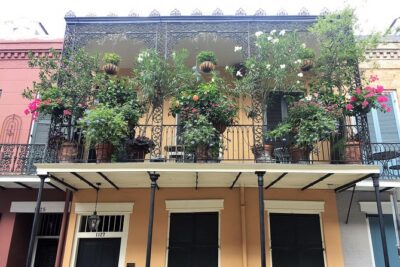
French Quarter Historical Sights and Stories Walking Tour
Read our review →
New Orleans Small-Group Haunted History Carriage Tour
Read our review →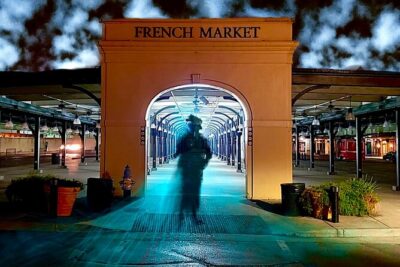
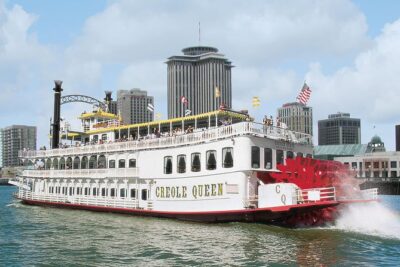
Paddlewheeler Creole Queen Historic Mississippi River Cruise
Read our review →

Creole Queen History Cruise with Optional Lunch
Read our review →
Browse the lists this tour appears in