
Review · LOMBARDY
Cinematic & Classical Organ Experience in Historic Church
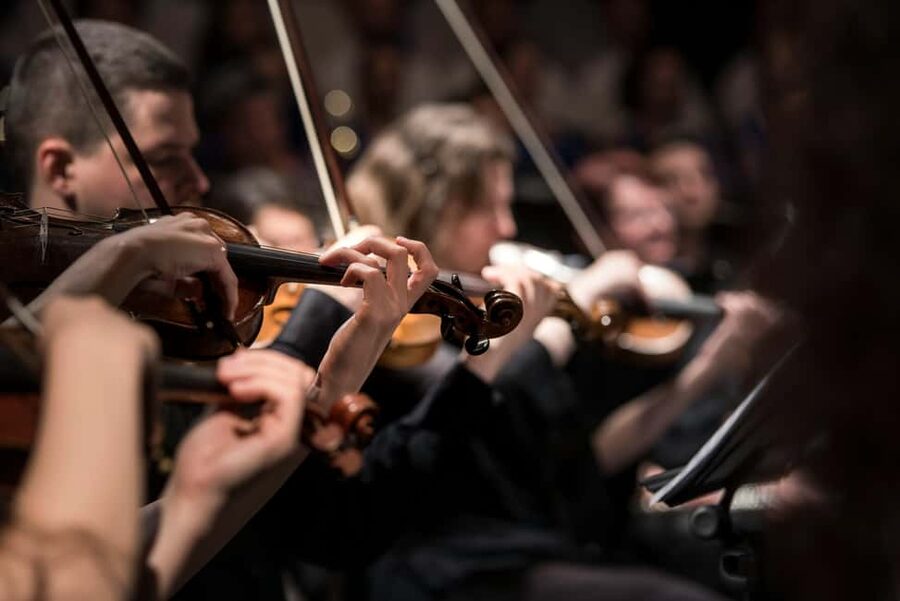
Let the stone walls sing. This one-hour experience inside Milan’s historic Church of Sant’Angelo, also described as Santa Maria degli Angeli, uses the pipe organ to connect Italian classical music with film themes from Interstellar, Ennio Morricone, and Game of Thrones. I like the beautiful church setting and the way the organist shows the instrument’s surprising range instead of simply playing a short recital. The main consideration is simple: this is a listening and learning experience, not a full sightseeing tour or a long concert.
I also like the price. At $29 per person, you get an intimate performance, background on the church and music, and a close look at an instrument that can sound like an entire orchestra. If you prefer a large show with many performers, however, this may feel modest. Its appeal comes from the organ, the architecture, and the explanation around the music.
Key points to know before you book
- The pipe organ is the main attraction: You hear how one instrument can suggest strings, brass, voices, and a full orchestral sound.
- The program links old and new: Italian classical works share the hour with film music such as Interstellar, Ennio Morricone, and Game of Thrones.
- The church shapes the experience: The historic interior and long acoustics give the music a sense of scale that a regular concert hall cannot match.
- Maestro De Vita has received special praise: His performance was described as impressive, emotional, and technically strong.
- The hour is tightly focused: You get music, historical context, and an acoustic demonstration without committing half a day.
- It is practical for many visitors: The experience is wheelchair accessible, offered in English and Italian, and allows free cancellation up to 24 hours before the start.
Entering a historic Milan church
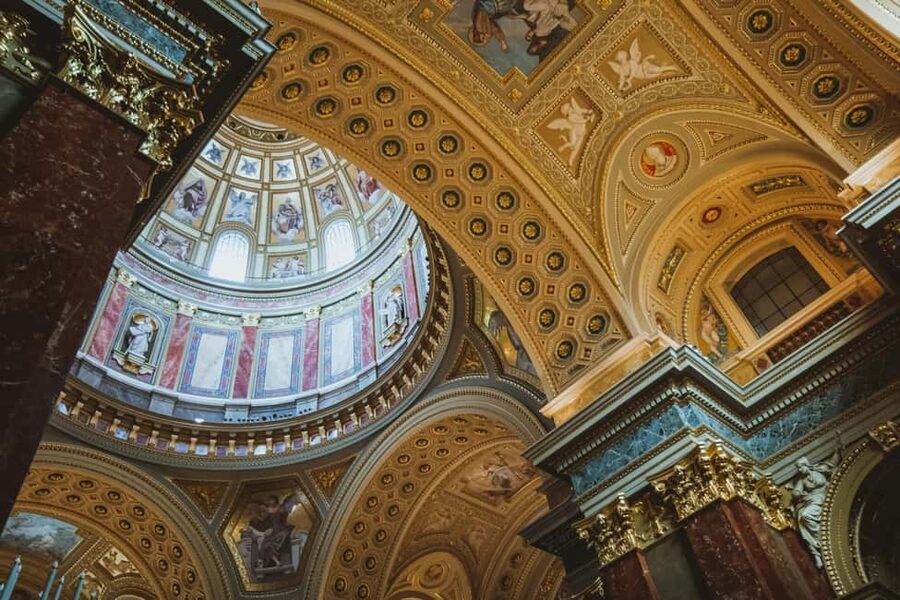
The experience takes place inside the Church of Sant’Angelo, also referred to in the description as the monumental Church of Santa Maria degli Angeli. The setting matters here. You are not sitting in a modern auditorium where sound is carefully controlled. You are inside a historic religious building, with architecture that lets the organ’s notes travel and linger.
That setting gives the hour its character. A quiet classical passage can feel solemn beneath the church ceiling, while a dramatic cinematic theme gains extra force from the echo. The building is not just a backdrop. It is part of the instrument.
The activity is described as an acoustic journey rather than a standard tourist concert. That means the organist does more than perform one piece after another. You are guided through the instrument, its history, and the reasons certain music works so well in this space.
You should arrive ready to listen. There is no suggestion of a broad church tour, a walking route through Milan, or a large theatrical production. The reward comes from staying in one atmospheric place and paying attention to how the sound changes.
More Ancient History Tours in Italy
- Colosseum: Underground and Ancient Rome Tour
★ 4.7 · 12,691 reviews - Colosseum & Ancient Rome with Arena Floor Option I Max 6 People
★ 5.0 · 3,306 reviews - Rome: Colosseum, Ancient Rome Tour or AudioGuided Tour
★ 4.4 · 2,879 reviews
The pipe organ takes center stage
The pipe organ is often called the King of Instruments, and this experience explains why. Unlike a piano or a small ensemble, the organ can produce several layers of sound and create the impression of a much larger group of musicians.
The demonstration is built around that idea. You hear the organ imitate the force and range of an orchestra, moving from solemn classical passages to modern film music. This gives you a practical way to understand the instrument. Instead of hearing a technical lecture about stops, pipes, and registers, you hear what those choices do.
That makes the experience accessible even if you know little about organ music. You do not need to recognize a particular composer or understand musical notation. The contrast between a quiet, serious passage and a large cinematic swell tells you plenty.
I find this format more useful than a recital with no introduction. A recital can be beautiful, but the instrument may remain mysterious. Here, the music helps explain the organ, and the organ gives new meaning to the music.
One distinctive detail is the use of digital files brought to life on a real pipe organ. This idea was singled out as a remarkable part of the performance. It suggests that the program is interested in how familiar modern sounds can be translated into the physical language of pipes, air, and church acoustics.
From Italian classics to modern cinema
The music selection is designed around comparison. Italian classical masters provide the historic foundation, while modern scores show how the same instrument can carry tension, tenderness, and drama.
Ennio Morricone is a natural choice for this setting. His music often depends on atmosphere and emotional pacing, qualities that suit a large church. Hearing his work on organ can reveal a more solemn side of familiar film music.
The inclusion of Interstellar gives the program a different flavor. Its music is associated with vast space and powerful, sustained sound. In a church, those long tones can take on a spiritual quality. You may hear why the organ is such a strong match for music built around scale and emotion.
Game of Thrones adds another contrast. Its themes have weight, suspense, and ceremony. The organ can make those qualities especially bold, giving the music a grand, almost ritual feel.
The important point is not simply that famous themes appear on the program. The value comes from hearing how one historic instrument handles very different musical worlds. Classical repertoire shows the organ’s traditional role. Film scores show that the instrument still has a place in modern popular culture.
The program should suit you if you enjoy recognizable music but also want more context. If you only want familiar movie themes, the classical material may require patience. If you want a serious organ recital with no modern references, the cinematic selections may not be what you expect.
What the one-hour format feels like
An hour is a good length for this type of activity. It gives the organist enough time to demonstrate several moods without turning the visit into a major time commitment.
The experience is structured around three connected parts. First comes the acoustic demonstration, where you hear the organ’s range. Next comes the musical comparison between Italian classics and film scores. Historical and architectural explanation ties those pieces to the church.
That structure helps the program avoid feeling like a random playlist. You get a reason for each musical direction. The church’s art and architecture are explained alongside the music, so the setting becomes easier to understand.
The short format also fits well into a Milan day. You can place it between major sightseeing stops, use it as a quieter break from busy streets, or choose it when you want something cultural after spending time in museums and galleries. Since the duration is only one hour, it does not require the planning involved in a full evening performance.
Still, keep your expectations in check. The description does not promise a long guided tour of the church, a large orchestra, or a full history of Milanese music. Think of it as a focused musical presentation in an important religious space.
More Architecture and Landmark Tours in Italy
- Venice: St. Mark’s Basilica Guided Tour & VR History Intro
★ 3.9 · 4,880 reviews - Venice’s Best: Basilica, Doge’s Palace, Gondola & History Gallery
★ 4.5 · 2,478 reviews - Pantheon Elite Guided Tour – Rome’s Iconic Ancient Temple
★ 5.0 · 1,447 reviews - Venice: The History of St. Mark’s Basilica Tour
★ 4.2 · 986 reviews
Why the acoustics matter
Several parts of the experience depend on the church’s acoustics. A pipe organ can sound very different in a small room than in a monumental church. Here, the building allows the sound to spread, reverberate, and blend with the architecture.
That is especially important during quiet music. Soft organ tones can hang in the air after the initial note, giving the performance a sense of stillness. Stronger passages can fill the space with a broad, almost orchestral sound.
The acoustics also explain why the performance is more than a digital playback. A recording can reproduce music, but it cannot recreate the way live organ sound moves through a historic interior. The physical experience of the pipes and the building is the point.
You should also understand that church acoustics can blur fast musical details. Echo is beautiful, but it is not always precise. Some passages may sound less sharply defined than they would in a concert hall. That is not necessarily a flaw, but it is part of the setting.
The best approach is to listen for atmosphere, scale, and tone rather than expecting studio-perfect clarity. One recent assessment specifically praised the sound quality, while another described the pipe organ as emotionally moving. Those comments fit the nature of the experience: its strongest effect is physical and emotional as much as technical.
The role of Maestro De Vita
Maestro De Vita is named in the feedback about the performance, and his work received particular praise. One detailed response described the performance as impressive and thanked him for bringing digital compositions to life on a real organ.
That detail is useful because the organ itself can only do so much. The quality of the experience depends on how well the musician handles registration, volume, timing, and the transition between styles. Moving from Italian classical music to Morricone or Interstellar requires more than simply pressing keys.
The program seems built to show those changes clearly. A skilled performer can make the same instrument sound gentle, dark, bright, ceremonial, or enormous. That range is the heart of the hour.
You should not expect a meet-and-greet or a personal lesson unless that is announced separately. The stated format focuses on the performance and explanation. Still, the named musician gives the program a more personal identity than an anonymous background concert.
The church as a place for reflection
This experience is also designed to provide a quiet moment inside Milan. The description emphasizes reflection and education, which is a useful way to understand the mood.
You may come in for the film music and end up appreciating the silence between pieces. The church’s religious purpose remains present, even though the program is aimed at cultural visitors. Music, stone, and sacred architecture combine to make the hour feel slower than an ordinary stop on a sightseeing schedule.
Respectful behavior is important. Smoking, bikes, alcohol, and drugs are not allowed indoors. Tight clothing is also listed as prohibited, so dress with the church setting in mind. The rules are not complicated, but they signal that this is still a spiritual venue, not simply a performance room.
The experience is wheelchair accessible, which makes it a practical option for visitors who need an accessible cultural activity. The host or greeter can communicate in English or Italian, so you do not need to speak Italian to follow the introduction and context.
Is $29 good value?
At $29, this is reasonably priced for a one-hour cultural experience in a major Italian city. You are paying for live music, use of a historic church, the organ demonstration, and explanation of the music and architecture.
The value is strongest if you are curious about the instrument. A standard church concert might give you beautiful music but little insight into how the organ creates its sound. A regular sightseeing visit might show you the building but leave you unaware of how powerful it sounds from within.
Here, those two parts come together. You get an introduction to the space through sound, and you get an introduction to the instrument through familiar musical examples.
The value is weaker if you want a long concert or a larger performance. One hour passes quickly, and the event centers on a single organist rather than a full orchestra or ensemble. It is a specialized experience, not an all-purpose evening show.
The high score of 4.7 from 22 ratings supports the idea that the format works well for its intended audience. The strongest praise focuses on the gorgeous venue, excellent sound, impressive organ playing, and emotional effect of the music. Those are exactly the areas that justify the price.
Who will enjoy this most?
I would recommend this experience to several types of visitors:
- You like classical music but want a friendly introduction rather than a formal concert setting.
- You enjoy film scores and want to hear familiar themes in a new form.
- You are interested in Italian heritage, church architecture, or historic instruments.
- You want a short cultural activity that fits around a busy Milan schedule.
- You appreciate quiet spaces and reflective experiences.
- You are looking for something less routine than a standard sightseeing stop.
Families and mixed-age groups may also find the comparisons helpful, especially if not everyone in the group knows classical music. Familiar titles such as Interstellar, Morricone, and Game of Thrones provide an easy entry point.
I would hesitate to recommend it if you dislike organ music, need constant movement, or want a highly social activity. The hour asks you to sit, listen, and notice changes in sound. That is its strength, but it will not suit every mood.
Practical details for planning your visit
The experience lasts one hour, with starting times based on availability. That makes it easy to fit into a day, but you should check the schedule before building other plans around it.
English and Italian are available through the host or greeter. The program includes historical and musical explanation, so language access matters more here than it would at a performance with no introduction.
You can reserve now and pay later, which may help if your Milan schedule is still changing. Free cancellation is available up to 24 hours before the start for a full refund.
Dress respectfully and avoid tight clothing. Smoking, bikes, alcohol, and drugs are not permitted indoors. The church is wheelchair accessible.
Should you book this organ experience?
Book it if you want a thoughtful hour of music in a historic church, especially if you enjoy both classical works and film scores. The strongest reasons are the organ demonstration, the excellent acoustics, the atmospheric setting, and the chance to hear modern themes translated onto an old instrument.
Skip it if you want a large concert, a full church tour, or a long evening of music. This is focused and specialized.
For $29, I think it offers good value for the right person. You leave with more than a pleasant melody. You gain a better sense of how the pipe organ works, why churches were built for sound as well as worship, and how Italian musical tradition can connect with the cinema of today.
FAQ
Where does the organ experience take place?
It takes place in the historic Church of Sant’Angelo in Lombardy, also described as the Church of Santa Maria degli Angeli.
How long does the experience last?
The experience lasts one hour.
How much does it cost?
The listed price is $29 per person.
What kind of music is performed?
The program includes Italian classical music and cinematic themes, including music connected with Interstellar, Ennio Morricone, and Game of Thrones.
Is this a regular concert?
No. It is presented as a guided acoustic and cultural experience combining performance, musical comparison, and historical context.
What will I learn about the pipe organ?
You will learn about the organ’s range and how it can imitate the sound and force of a full orchestra.
Is the experience available in English?
Yes. The host or greeter can communicate in English or Italian.
Is the church wheelchair accessible?
Yes, the experience is listed as wheelchair accessible.
Can I cancel for a refund?
Yes. You can cancel up to 24 hours in advance for a full refund.
Can I reserve now and pay later?
Yes. The booking option allows you to reserve your place and pay later.
Just added around Italy
- Milan: History & Street Food Tour with Wine Tasting★ 4.9 · 30 reviews
- Milan: Fresh Pasta and Tiramisù Class in A Historical Home★ 4.9 · 195 reviews
- Milan : Historic Private Walking Tour★ 4.7 · 49 reviews
- Medici Dynasty History Museum Ticket★ 4.0 · 128 reviews
- Matera: Sassi di Matera Historical Self-Guided Audio Tour★ 3.6 · 183 reviews
- Marsala: Historic winery tour with wine tasting★ 4.8 · 112 reviews
- Matera’s Sassi Walking Tour – History and Culture★ 4.8 · 356 reviews
- MANTOVAGANDO: Exploring Mantua’s Historic Center★ 4.5 · 53 reviews
Architecture & Landmark Tours, compared.
St. Mark’s Basilica Guided Tour & VR History Intro
Read our review →
Venice’s Best: Basilica, Doge’s Palace, Gondola & History Gallery
Read our review →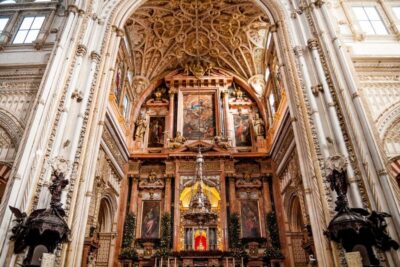
Córdoba: Skip-the-Line Great Mosque-Cathedral History Tour
Read our review →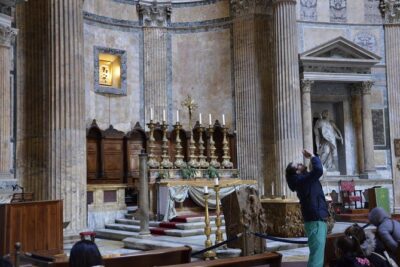
Pantheon Elite Guided Tour – Rome’s Iconic Ancient Temple
Read our review →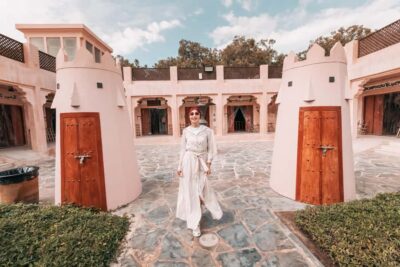
Abu Dhabi Grand Mosque, Palace, and Heritage Village
Read our review →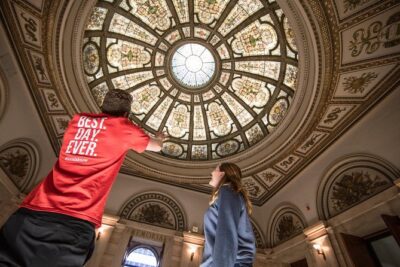
Chicago in a Day: Food, History & Architecture Walking Tour
Read our review →

Colosseum Special Access Tour, with Ancient Temples & Tombs
Read our review →Browse the lists this tour appears in