
Review · COMMUNITY OF MADRID
Madrid: Tour of the Historic City Center
Madrid rewards slow walking. This 3.5-hour historic-center tour links the city’s grandest sights with narrow lanes, old taverns, and stories from the Habsburg era. I like that it goes beyond a parade of monuments, and I especially like the practical restaurant advice and warnings about tourist traps.
I also like the way the route connects architecture with daily life, from the Royal Palace to Cava Baja’s tapas bars. A possible drawback is that the tour is conducted in German only, and entrance fees are not included, so you should book it mainly for the guided walk and local insight rather than interior visits.
Key points to know before you book
- Puerta del Sol starting point: Meet at the bear statue, one of Madrid’s easiest landmarks to find.
- Habsburg Madrid in one walk: The route covers the Royal Palace, Almudena Cathedral, Plaza Mayor, Plaza de la Villa, and older streets around them.
- Local food guidance: Cava Baja, San Miguel Market, and small taverns receive attention, with restaurant suggestions for later.
- Architecture with context: Spanish architects designed the route to explain both Madrid’s past and the design of its buildings.
- German-language guiding: The guide speaks German, making this a strong choice for German-speaking visitors.
- Useful trip planning: You can leave with marked taverns, attractions, and a possible viewing terrace stop.
Starting beneath the bear at Puerta del Sol
The tour begins at the bear statue in Puerta del Sol, the busy central square that works well as a meeting point. You will not need to search for a tucked-away office or navigate a complicated transport connection. The square is one of Madrid’s main reference points, so arriving early should give you time to orient yourself.
From here, the walk turns toward the older center. This is a good place to begin because Madrid’s historic core is not a single preserved medieval district. It is a layered city, shaped by royal power, religious institutions, public squares, commercial streets, and later literary life.
Your guide sets the tone by explaining how Madrid grew under the Habsburg dynasty. That background matters. Instead of seeing a palace, church, or plaza as an isolated stop, you begin to understand how the royal court changed the city and how ordinary residents lived around it.
The route is on foot and lasts 211 minutes, or about three and a half hours. That is enough time for a serious introduction, but it is also long enough that comfortable shoes matter. The tour takes place rain or shine, so check the forecast and dress for the day rather than hoping the weather will cooperate.
A few more history tours around Madrid worth a look
- Madrid Essential: Historic Center, Plaza Mayor & Royal Palace
★ 5.0 · 6,416 reviews - Madrid Tapas & Taverns Small Group Food & History Tour
★ 5.0 · 2,664 reviews - Madrid Historical Tour with Local Guide in Eco Tuk Tuk Private
★ 5.0 · 876 reviews
Church of San Ginés and Las Descalzas Reales
The Church of San Ginés is one of the early stops, bringing you into the quieter lanes near the main squares. Churches in this part of Madrid help explain how religion shaped both the city’s buildings and its daily rhythm. Your guide can point out details you might pass without noticing on your own.
The Convent of Las Descalzas Reales adds another layer. This is not just a religious building dropped into the itinerary. It reflects the close ties between Madrid’s court, aristocratic families, and religious institutions. The tour focuses on the building and its place in the city rather than promising an included interior visit.
That distinction is important. Entrance fees are not part of the price, so you should not expect to walk inside every major sight. Instead, the value here comes from seeing the sites in context and learning which interiors deserve a separate visit later.
I like this approach for a first day in Madrid. You get a useful map in your head before deciding where to spend extra time. If you already know the city well, the broad introduction may feel less necessary, but the architectural details and local stories can still add something.
Royal Palace and Almudena Cathedral
The Royal Palace of Madrid is one of the main anchors of the walk. Even from outside, its scale gives you a clear sense of how royal Madrid was built to project authority. The guide explains the political setting behind the architecture, connecting the palace with the rulers, institutions, and public spaces around it.
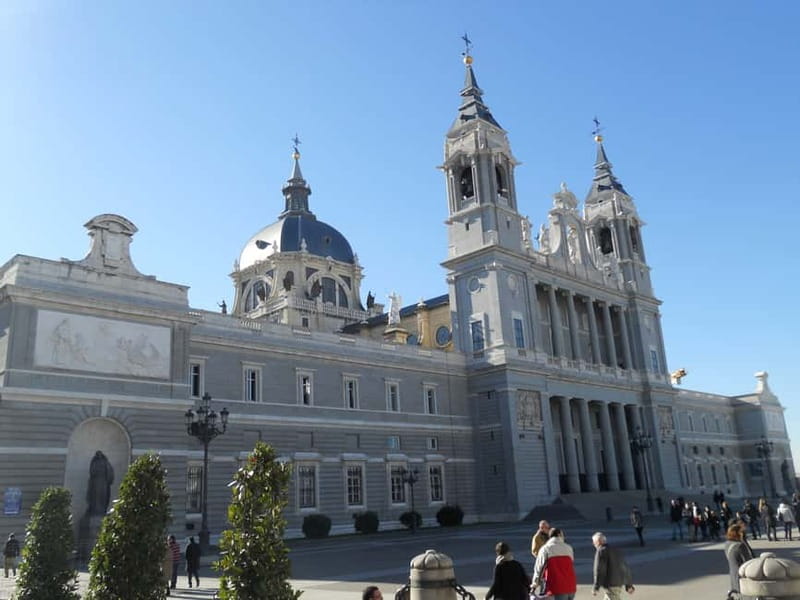
Almudena Cathedral provides an interesting contrast. The palace represents royal power, while the cathedral reflects the city’s religious identity. Seeing both together helps you read this section of Madrid as a planned center of power rather than just a collection of attractive façades.
The stop is especially useful if you have never visited Madrid. You can hear the basic story, note the entrances, and decide if an interior visit belongs on your schedule. Since the tour does not include entrance tickets, you keep control of that choice and cost.
Do not expect the group to spend long periods inside these major monuments. The experience is built around walking, stopping, listening, and moving through the streets. If your priority is a detailed palace interior visit, you will need separate time and admission.
Plaza de la Villa and the Torre de los Lujanes
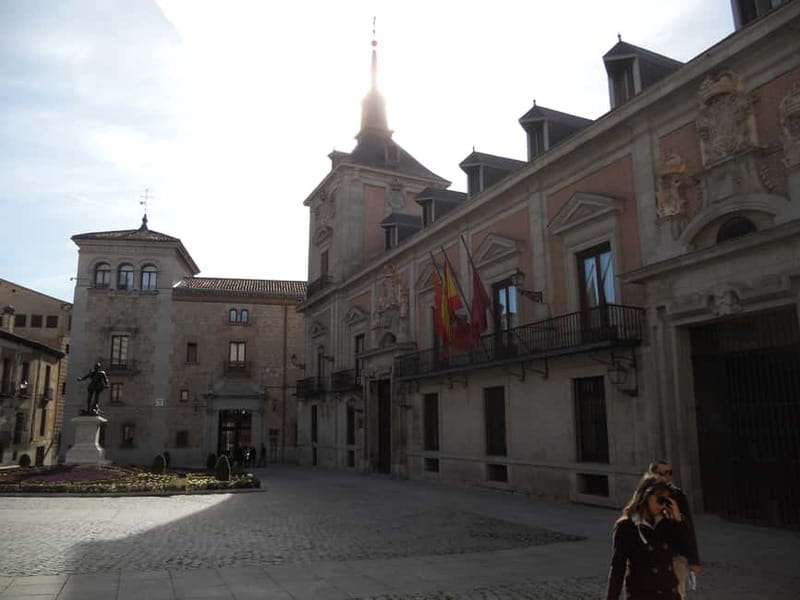
The walk then shifts from major royal buildings to smaller historic spaces. At the Palace of the Councils and Plaza de la Villa, the city feels more intimate. These places show how public administration and local government operated before Madrid expanded into the larger capital you see today.
The Torre de los Lujanes is another useful stop because it rewards attention to small details. You can expect anecdotes about the buildings and the people connected with them, rather than only dates and names. That personal storytelling is one reason the guides receive such strong praise.
The route has a clear architectural purpose. It was designed by Spanish architects to explain not only history and culture, but also the value of the buildings themselves. In practice, that means you are encouraged to look up, compare façades, notice the shape of a street, and consider why a square developed as it did.
I find this style more helpful than a lecture packed with facts. You have time to connect the story to what is in front of you. Guides named Anne and Silvia B. have been praised for combining serious subject knowledge with a warm, engaging manner, and Anne is also the author of a Madrid guidebook called Glücksorte in Madrid. That kind of local perspective can be useful when you want ideas beyond the standard sightseeing list.
Same place, a different slice of the past:
- Madrid Historic Centre Food Tour with Authentic Tapas & Wines
★ 5.0 · 814 reviews - Madrid Historical Walking Tour
★ 5.0 · 721 reviews - Madrid in a Day Tour:Royal Palace, Historic Center & Prado Museum
★ 5.0 · 628 reviews - Madrid Local’s Tapas Tour Dinner with a side of History
★ 5.0 · 530 reviews
Corpus Christi las Carboneras and Plaza de la Paja
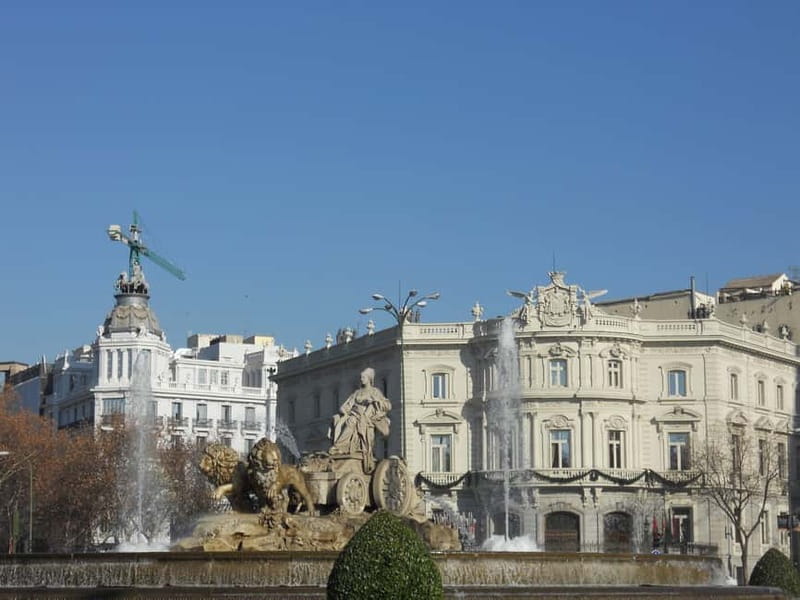
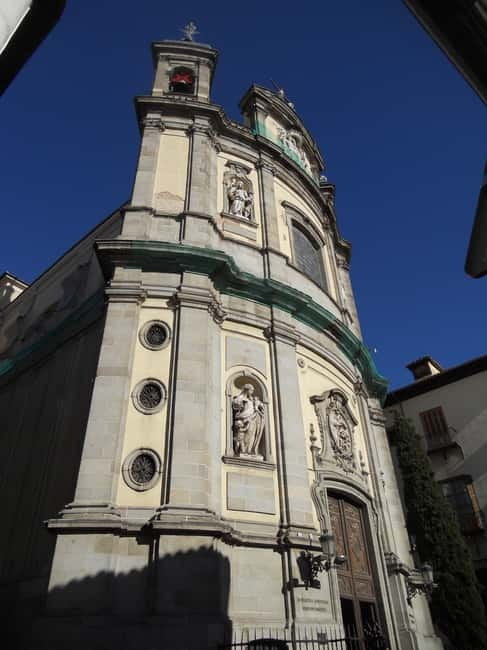
The Monastery of Corpus Christi las Carboneras brings the route back to religious Madrid, but in a less monumental setting than the cathedral. The stop helps show how much of the old center is made up of courtyards, convent buildings, side streets, and modest-looking façades with a story behind them.
Plaza de la Paja gives you a feel for a different kind of public space. Rather than focusing only on the grand ceremonial squares, the tour includes places tied to everyday urban life. That balance is one of the walk’s strengths.
You should expect the guide to explain what makes each area important, then offer anecdotes that make the history easier to remember. The best feedback about the tour points to this combination: useful facts, clear explanations, a relaxed pace, and no flood of information.
That relaxed pace matters over three and a half hours. You are not rushed from one photo stop to the next, but you are also not left standing in one place for a long lecture. The exact rhythm can depend on the guide and group, yet the stated experience is built around steady walking and frequent stops.
Cava Baja, taverns, and tapas advice
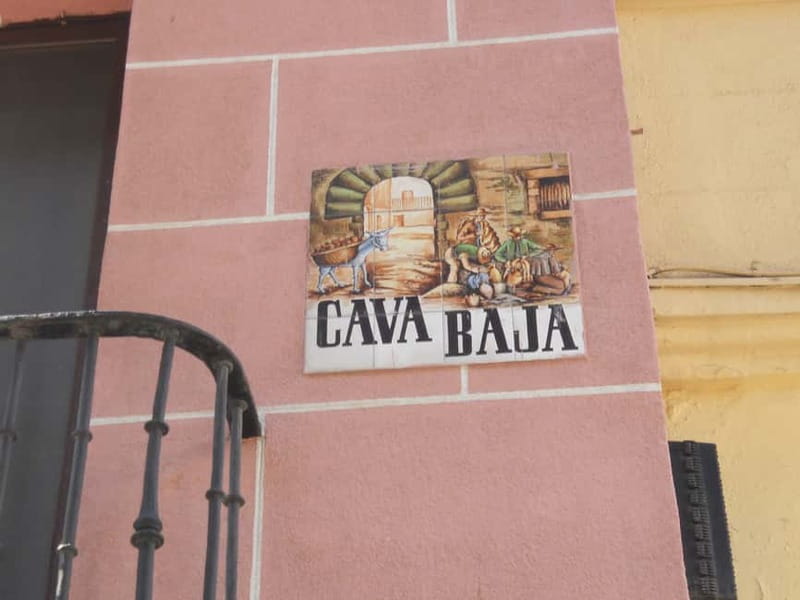
Cava Baja is where the tour shifts most clearly from monuments to food culture. This old street is known for taverns and tapas bars, giving you a practical reason to pay attention even if you are mainly interested in history.
The guide points out places to consider after the walk and warns you about tourist traps. That advice can save more than a few euros, especially in the crowded center where a good location does not always mean a good meal. You are not promised a meal as part of the experience, so bring this section into your evening plans rather than expecting food to be included.
I like the way Cava Baja appears before the tour ends. By this point, you have seen royal buildings, churches, plazas, and civic spaces. The tavern street reminds you that Madrid is not only a backdrop for history. It is also a city where social life continues in small bars and old neighborhood streets.
One guide recommendation mentioned after a tour was useful enough to shape the evening plans. Specific suggestions can change from one guide to another, but the larger benefit remains: you can ask what fits your budget, interests, and remaining time in Madrid.
San Miguel Market and Plaza Mayor
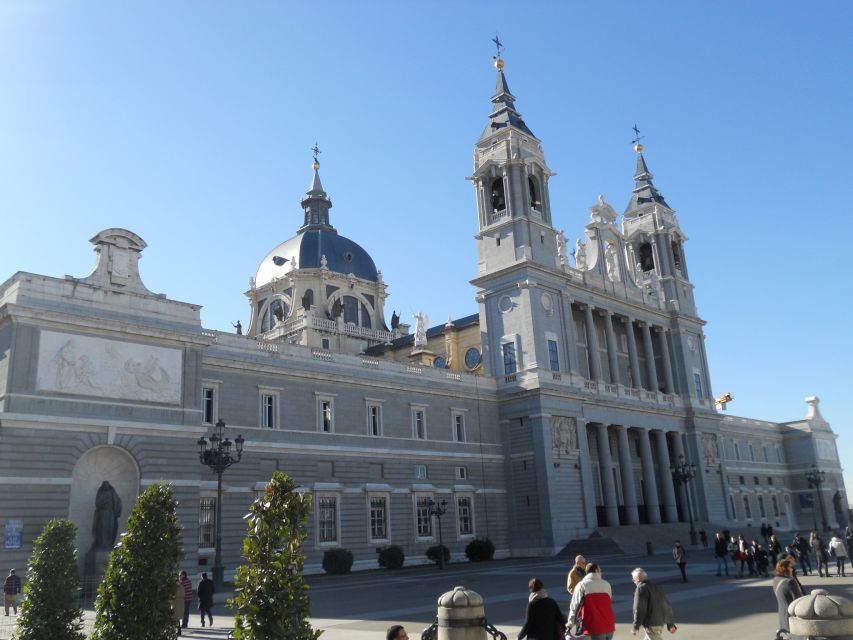
The covered Market of San Miguel is one of the route’s best-known food stops. It offers an easy way to talk about Madrid’s current eating culture while keeping the historic center close at hand. You can see why the market is popular, but the guide can also help place it among the city’s other food choices.
Plaza Mayor follows as one of the major visual highlights. Its formal shape and scale make it easy to understand as a public stage for Madrid’s political and social life. The guide connects the square with stories from the Spanish Golden Age, giving the buildings a stronger sense of time and purpose.
This is also where the tour’s balance becomes clear. You see famous places, but you do not spend the entire walk in the most obvious squares. The route also takes you through side streets and smaller plazas, so you get both the postcard version of Madrid and the less formal city around it.
The market and Plaza Mayor can be crowded. That is not a flaw unique to this tour, but it does affect how easily you can hear and move. Stay close enough to the guide, especially near busy public spaces, and keep your expectations focused on explanation rather than quiet photography.
The Literary Quarter and Madrid’s Golden Age
The final portion reaches Madrid’s Literary Quarter, another area connected with the city’s Golden Age. This gives the walk a cultural finish rather than ending only with royal architecture or food stops.
The neighborhood helps explain why Madrid became a center for writers, performers, and public life. Even without a separate literature tour, the stories add another way to read the city. Streets and squares become linked to the people and ideas that shaped Spain’s cultural identity.
For me, this is where a good city walk earns its price. You are not merely collecting landmark photos. You are learning how different parts of Madrid connect: court power near the palace, religious life around convents and churches, commerce near the market, taverns along Cava Baja, and literary culture in the final quarter.
At the end, you can ask to visit a viewing terrace. This is available upon request, so treat it as a possible extra rather than a guaranteed central feature. If the timing and circumstances allow it, the view can give you a useful final orientation before you head out on your own.
What $47 buys you
At $47 per person, this is not the cheapest way to walk through central Madrid. The price makes more sense if you want a guide who can connect architecture, history, food, and practical planning in one session.
You are paying for a guided route, stops at the sights, extra tourist information, warnings about tourist traps, and restaurant suggestions. You are not paying for palace, cathedral, or other entrance fees. That keeps the tour flexible, but it means you should budget separately if you want to go inside major attractions.
The value is strongest at the start of a Madrid visit. After three and a half hours, you should have a clearer sense of where to return, which streets deserve another look, and where to eat later. The tour also helps you avoid spending your first evening wandering without a plan.
The value is weaker if you want a fast landmark checklist or a ticketed palace tour. It is also less suitable if you do not speak German. The tour’s language is not a small detail. It is central to how much you will get from the experience.
Who should book this Madrid walking tour?
I would choose this tour for a German-speaking visitor who wants a serious first look at the old center without a rushed schedule. It suits people who enjoy architecture, local history, food advice, and stories about how a city developed.
It should also work well for solo visitors and couples who want a ready-made route through the center. The meeting point is simple, the walk includes major landmarks, and the guide can suggest what to do next. Families and visitors with limited walking stamina should consider the nearly three-and-a-half-hour duration, although the activity is listed as wheelchair accessible.
The strongest praise has focused on the guides’ warmth, useful advice, strong subject knowledge, and ability to adjust to individual interests. Anne was praised for giving personal recommendations to people in the group, while Silvia B. was praised for holding attention and explaining the relationship between rulers, residents, and buildings.
The main limits are just as clear: German only, no entrance fees, and rain-or-shine operation. If those points fit your plans, the tour offers a thoughtful introduction rather than a shallow sightseeing circuit.
Should you book it?
Book it if you want Madrid explained as a living city, not just photographed as a set of famous buildings. The route covers the Royal Palace, Almudena Cathedral, Plaza Mayor, San Miguel Market, Cava Baja, the Literary Quarter, and smaller historic corners that are easy to miss alone.
I would especially recommend it for your first or second day in Madrid, when restaurant tips, neighborhood orientation, and a clear sense of the old center can shape the rest of your visit. Skip it if you need English guiding, want included monument admissions, or prefer to explore entirely at your own pace.
FAQ
Where does the tour start?
The tour starts at the bear statue in Puerta del Sol, Madrid.
How long does the tour last?
The listed duration is 211 minutes, or about three and a half hours.
What language is the tour conducted in?
The live tour guide speaks German.
What sights are included in the route?
The route includes Puerta del Sol, the Church of San Ginés, the Convent of Las Descalzas Reales, the Royal Palace of Madrid, Almudena Cathedral, the Palace of the Councils, Plaza de la Villa, Torre de los Lujanes, the Monastery of Corpus Christi las Carboneras, Plaza de la Paja, Cava Baja, San Miguel Market, Plaza Mayor, and the Literary Quarter.
Is the Royal Palace entrance included?
No. Entrance fees are not included in the tour price.
Is food included?
No food or meal is listed as included. The tour does include restaurant suggestions and information about taverns and tapas bars.
Is the tour wheelchair accessible?
Yes, the activity is listed as wheelchair accessible.
Does the tour operate in bad weather?
Yes. The tour takes place rain or shine.
Where can I get advice about tourist traps?
Warnings about tourist traps are included as part of the additional tourist information during the tour.
Can I request a viewing terrace at the end?
Yes. You can request a viewing terrace visit at the end of the tour, subject to the circumstances of the tour.
What is the cancellation policy?
You can cancel up to 24 hours in advance for a full refund.
Can I reserve now and pay later?
Yes. The activity offers a reserve-now, pay-later option.
Just added around Madrid
- Madrid: Royal Palace, Prado Museum & Historic Center Tour★ 4.6 · 50 reviews
- Madrid: Tapas, Taverns & History Tour★ 4.7 · 71 reviews
- Madrid: Tuk-tuk tour of the historic center and highlights★ 4.7 · 20 reviews
- Madrid: Authentic Tapas Evening Tour with a side of History★ 4.9 · 37 reviews
- Madrid City Tour: Culture and History★ 5.0 · 29 reviews
- Madrid: Small-group historical walking tour★ 4.9 · 19 reviews
- Tapas Crawl in Madrid Historical Quarter for Lunch or Dinner★ 4.9 · 45 reviews
- Madrid: History of Tapas Walking Tour and Tasting★ 4.7 · 30 reviews
Madrid History Tours, compared.

Madrid Tapas & Taverns Small Group Food & History Tour
Read our review →
Madrid Historical Tour with Local Guide in Eco Tuk Tuk Private
Read our review →
Madrid Historic Centre Food Tour with Authentic Tapas & Wines
Read our review →
Madrid in a Day Tour:Royal Palace, Historic Center & Prado Museum
Read our review →
Madrid Local’s Tapas Tour Dinner with a side of History
Read our review →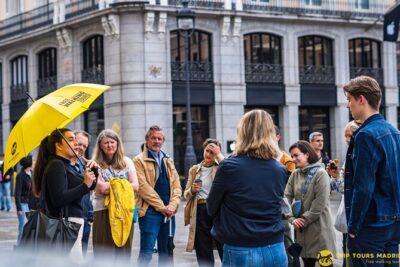
Guided Tour of Madrid of the Austrias and the Historic Center
Read our review →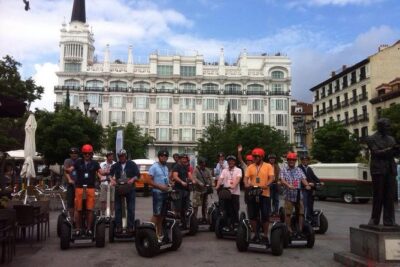
Segway Private Tour in the Historic Center of Madrid
Read our review →Browse the lists this tour appears in