

Review · AUVERGNE-RHôNE-ALPES
Lyon: Music History Tour with Wine Tasting
Music gives Lyon a new soundtrack. This two-hour walk links the Opéra National de Lyon, the steep streets of Croix-Rousse, local music culture, and a wine tasting in a cozy cellar. I like the way the tour treats music as part of Lyon’s social history, not as a string of random songs. I also like the personal touch from guide Didac, who adjusts the playlist and stories to suit your musical taste.
The main consideration is the walking. Croix-Rousse involves steep streets and a demanding flight of stairs, and the experience is not suitable for people with mobility impairments. The $117 price is also a serious spend for two hours, though the live guide, tailored music, city walk, and local wine make it more than a standard sightseeing stroll.
Key points before you book

- The tour begins and ends at the Opéra National de Lyon, making it easy to fit into a day in the city center.
- Croix-Rousse supplies the historical heart of the walk, with stories about silk workers, city life, architecture, and the forces that shaped Lyon’s music.
- Didac brings a musician’s point of view, drawing on his work as a DJ and roadie as well as his knowledge of local artists.
- Music plays throughout the walk, with playlists featuring artists born in or based in Lyon.
- The final stop is a wine cellar, where you receive a glass of local wine and music pairing.
- The route is best for people who enjoy walking, conversation, and cultural connections, rather than those seeking a formal museum tour.
Starting beneath Lyon’s musical roof
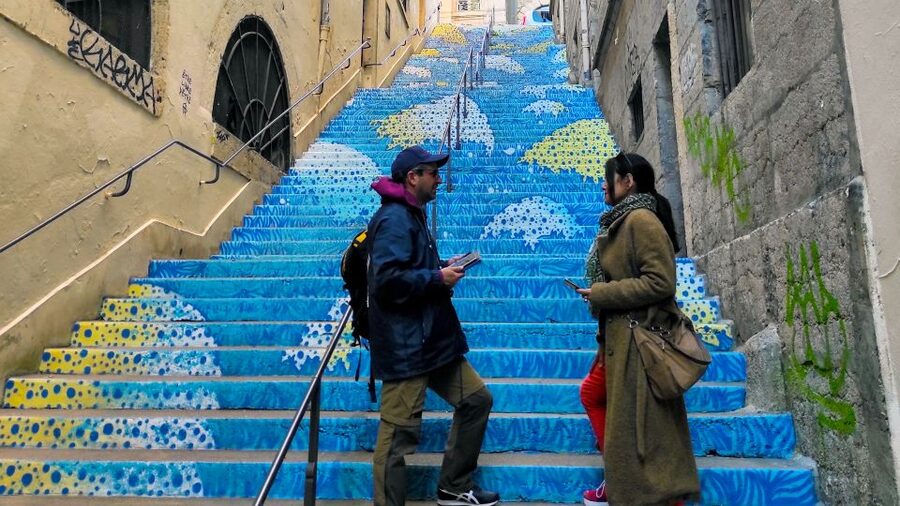
You meet at the Opéra National de Lyon five minutes before the start. The guide is identified by a green carpet, an unusual meeting-point detail that is worth remembering so you do not waste time scanning every face near the opera house.
The location is fitting. Lyon’s opera building gives you an immediate lesson in the city’s mixed architectural character, with older stonework and a modern intervention sharing the same address. The tour uses this setting to ask a broader question: how does a city’s built environment affect the music made and heard there?
That question gives the walk more shape than a simple list of local bands. You move through the city while listening to music linked to Lyon, and the sound helps connect places to stories. If you enjoy learning through atmosphere rather than dates and names alone, this approach should appeal to you.
The language options are English, French, Spanish, and Catalan. Didac is the guide most often associated with this experience, and his style appears especially personal. He has worked as a DJ and roadie, so his stories can move from local music scenes to the practical life behind a performance.
More Wine Tours in France:
- Avignon: Historic District Guided Food & Wine Walking Tour
★ 4.8 · 84 reviews - Champagne Cellar Experience: Explore our historic cellars
★ 4.7 · 46 reviews - Historic Center of Dijon : Discovery Tasting Wine Burgundy
★ 4.5 · 40 reviews
The climb into Croix-Rousse
The Croix-Rousse section takes about 75 minutes according to the planned schedule. It is the most active part of the experience, so wear comfortable shoes and expect hills, stairs, and regular walking.
The climb is not just exercise added between the opera and wine tasting. Croix-Rousse was strongly shaped by silk workers, and the district’s streets and buildings help explain how work, class, migration, and daily life influenced local culture. The tour uses this past as a bridge to modern music. You learn how music can grow from a neighborhood’s working life and social pressures.
One especially useful feature is the connection between architecture and sound. Narrow streets, steep routes, and the older buildings of the hill are not treated as scenery only. They become clues to how people lived, met, worked, and shared ideas. You may hear about local music venues, record shops, musicians, and cultural habits while walking through the district.
The route has room for conversation. Didac has been praised for adapting the experience to the group’s interests, including music preferences and places already visited in Lyon. That matters because a playlist built around your taste is more engaging than a fixed lecture with songs inserted at set points.
The music selections focus on artists born in or based in Lyon. This is useful if you want more than familiar French names. You may leave with a better sense of Lyon’s own sound and with ideas for listening after the tour.
There is one practical warning here. The climb can be demanding. One account describes walking to the top of daunting stairs while discussing the city’s past, and that wording gives you a fair idea of the physical effort. If stairs are difficult for you, this is not the right walking tour, regardless of how much you enjoy music.
Record shops, local scenes, and unscripted moments
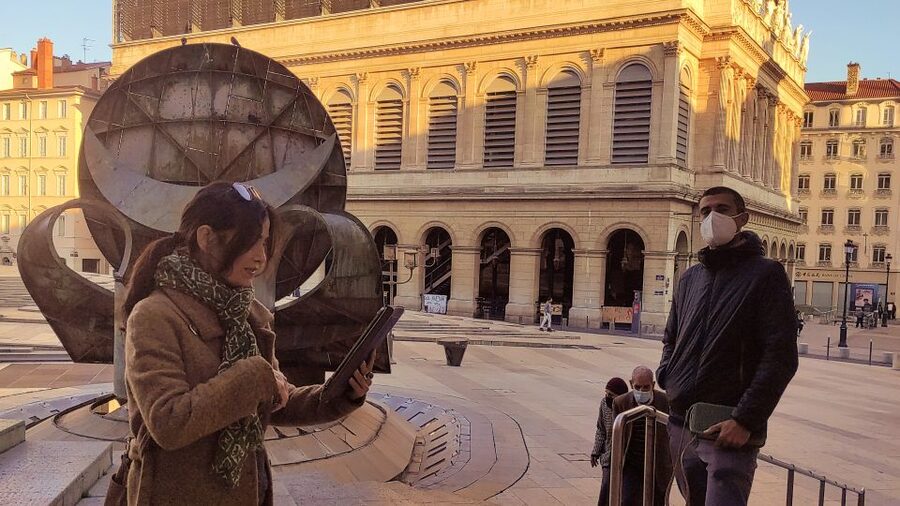
The route can include record shops and lesser-known corners of the city. These stops add a welcome sense of discovery without turning the tour into a shopping trip. They show how music exists outside concert halls, in stores, neighborhoods, collections, and everyday conversation.
The guide’s own background adds another layer. Didac has shared stories from his years as a DJ and roadie, giving you a look at music work from behind the stage as well as from the audience. That personal angle is one of the strongest reasons to choose this tour over a regular history walk.
The experience may also change according to what is happening in Lyon that day. A past tour included an unexpected stop at a free local music festival. That kind of spontaneous detour is not guaranteed, and you should not book expecting a festival appearance. Still, it shows the benefit of taking a small, flexible experience with a guide who pays attention to the city around him.
This flexibility is also why the tour may suit repeat visitors. If you have already seen the major sights, the walk can offer a different way to read familiar streets. If it is your first visit, it gives you cultural context that a standard introduction to Lyon may not cover.
Moving from music to wine
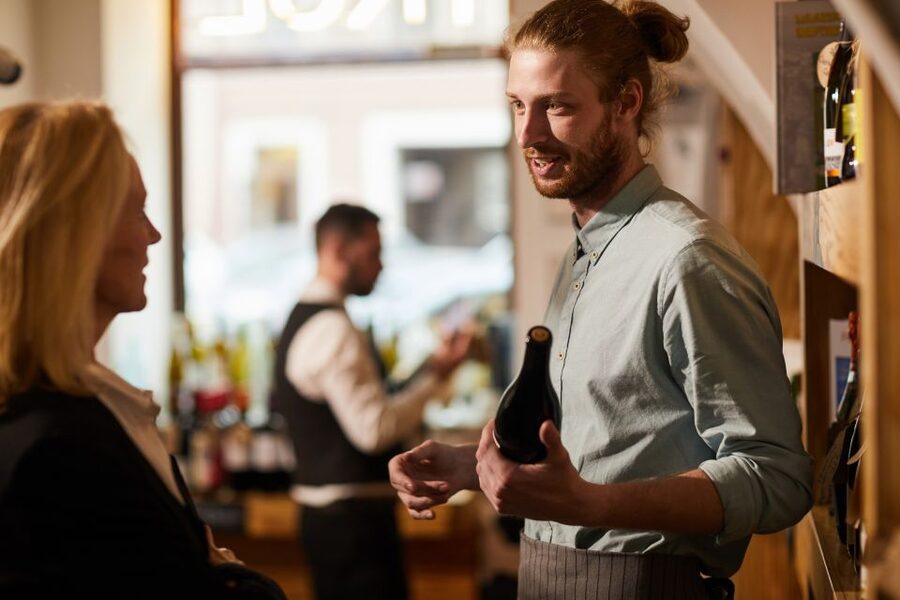
The final 75-minute section takes place at a winery or wine cellar. Here you receive an aperitif and a glass of local wine, with music paired to the tasting. Food is not included, so think of this as a relaxed drink rather than a meal.
The pairing is the clever part. Wine and music both depend on mood, pace, texture, and personal taste. A song can make you notice a wine differently, just as a flavor can change the way you hear a track. You do not need advanced knowledge of either subject. The point is to enjoy the connection.
The wine bar has been described as beautiful, with friendly sommeliers and a good selection of wines. That makes the closing stop feel like part of the cultural experience rather than a quick drink added to the end. It is also a comfortable place to ask questions and continue the conversation.
Still, be clear about what is included. You receive one glass of local wine, not a full meal or an extended tasting menu. If you do not drink alcohol, the central appeal of the final stop will be reduced. The supplied details do not specify an alternative drink, so ask the provider before booking if that matters to you.
The 75-minute allocation for the winery is worth checking when you reserve. The overall activity is advertised as two hours, while the itinerary gives 75 minutes to Croix-Rousse and 75 minutes to the winery. That adds up to longer than two hours, so confirm the exact timing and how the sections are arranged.
A few more history tours around France worth a look
- Paris: Louvre Museum Entry with History of Mona Lisa
★ 3.9 · 2,823 reviews - Paris: Dark History and Ghostly Guided Walking Tour
★ 4.7 · 1,000 reviews - Vieux Lyon Cultural & Historical Walking Guided Tour (English)
★ 5.0 · 942 reviews - Bordeaux: Historic Center & Chartrons District Bike Tour
★ 4.8 · 709 reviews
How much value is in the $117 price?
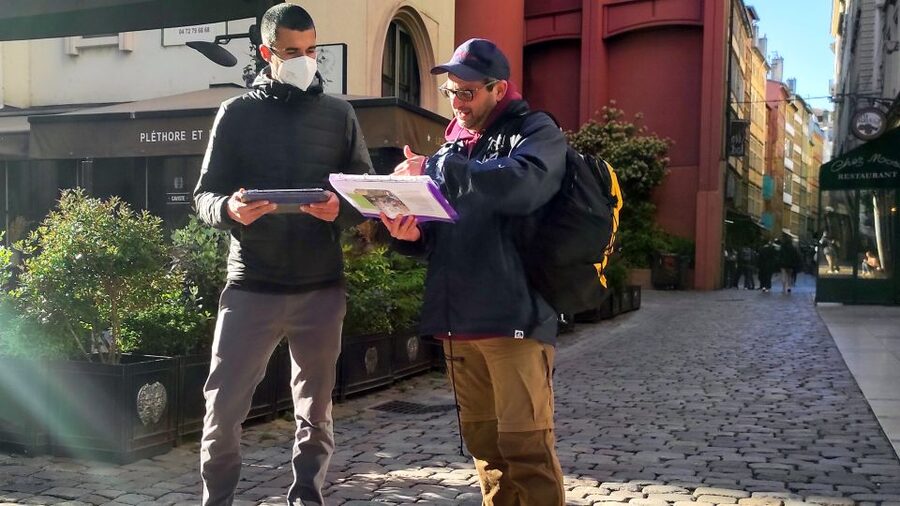
At $117 per person, this is not a budget walking tour. You are paying for a specialized subject, a live guide, music selections, a city walk, and a glass of local wine. The price makes more sense if you would otherwise book separate history, music, and wine activities.
I would not choose it for a quick overview of Lyon’s main monuments. The tour is more focused and conversational. Its value depends on whether you care about the link between place and music, and whether you want a guide who can personalize the route rather than deliver a fixed script.
The strongest value comes from the guide’s individual character. Didac has been described as warm, passionate, flexible, and full of stories. He has also helped with restaurant suggestions, which can be useful at the end of a walking tour, though dinner itself is not part of the booking.
The wine glass adds a pleasant finish, but it does not by itself justify the price. The real purchase is the combination of local culture, music knowledge, access to music-related places, and conversation. If that combination sounds like your kind of afternoon, the cost may feel fair. If you mainly want wine tasting, there are likely more focused ways to spend $117.
Who will enjoy this Lyon experience most?

I would recommend this tour to:
- Music lovers who want local artists and Lyon’s own music culture
- People who enjoy city history told through neighborhoods and daily life
- Wine drinkers who like a relaxed tasting with conversation
- Repeat visitors seeking a different side of Lyon
- Solo visitors who value a friendly, personal guide
- Couples or friends who want an activity built around shared taste
The tour is less suitable if you want a quiet, formal presentation. The atmosphere is friendly and informal, and the guide may respond to your interests as the walk develops. That is a strength for curious people, but it means the experience may feel less predictable than a museum visit.
You should also think honestly about the physical side. The Croix-Rousse climb and stairs are central to the experience. Comfortable shoes are essential, and anyone with mobility limitations should choose another activity.
Languages, timing, and simple planning advice
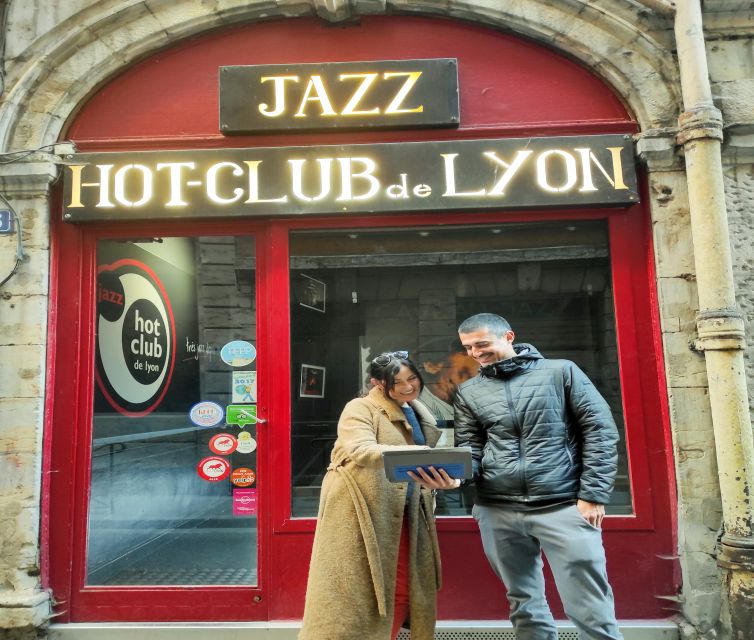
The guide can lead the experience in Catalan, French, English, or Spanish. Confirm your preferred language when booking, especially if language comfort is important to your enjoyment of the historical stories and music discussion.
Arrive five minutes early at the Opéra National de Lyon. The green carpet detail may sound odd, but it is the stated way to identify the guide. The experience returns to the same opera-house meeting point, which simplifies your plans afterward.
The activity does not include hotel pickup or drop-off. You need to make your own way to the opera and back from the closing point. Since the route includes walking and stairs, do not arrive in shoes chosen only for appearance.
You can cancel up to 24 hours before the start for a full refund, and a reserve-now, pay-later option is available. Starting times depend on availability, so check the schedule before planning a meal or another timed attraction around it.
Should you book the Lyon Music History Tour?
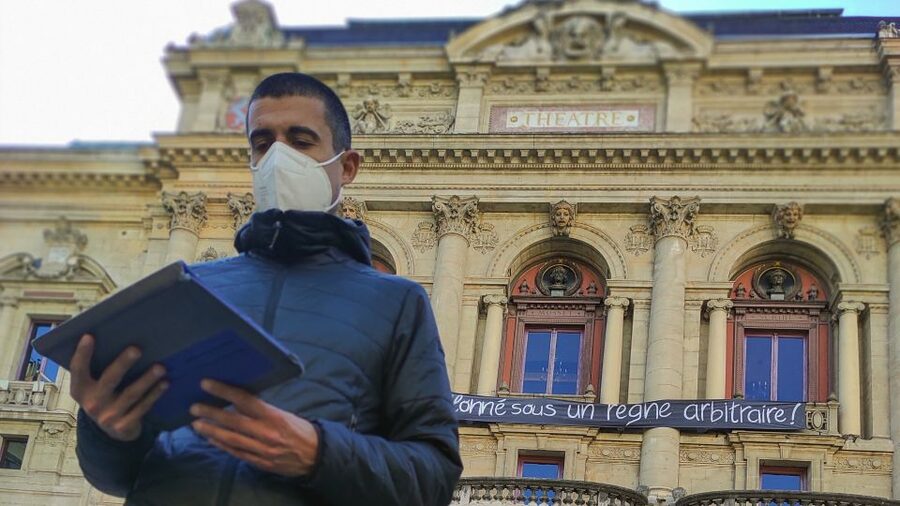
Book it if you want Lyon explained through sound, local stories, and a guide with genuine personal links to music. The combination of Croix-Rousse, record shops, city history, a local playlist, and wine makes this a distinctive choice. Didac’s flexible style is a major part of the appeal.
Skip it if your priority is a low-cost orientation walk, a formal architectural tour, or a substantial wine tasting. The $117 price is high for two hours, and the climb can be tiring.
For the right person, though, this is a memorable way to meet Lyon. You do not simply look at the city. You listen to it, walk through the districts that shaped it, and finish with a local glass of wine in hand.
FAQ

Where does the Lyon Music History Tour begin?
It begins at the Opéra National de Lyon. You should arrive five minutes before the activity starts.
How do I identify the guide?
The guide will be wearing a green carpet. This is the stated meeting-point identification detail.
Which languages are available?
The tour is available in Catalan, French, English, and Spanish.
Is wine included?
Yes. The experience includes a glass of local wine at the winery or wine cellar. Food is not included.
Is the tour suitable for people with mobility impairments?
No. The experience is not suitable for people with mobility impairments, and the Croix-Rousse route includes walking and stairs.
Can I cancel for a full refund?
Yes. You can cancel up to 24 hours in advance for a full refund. A reserve-now, pay-later option is also available.
Just added around France
- Mont Saint Michel: Village History and Legends Walking Tour★ 4.8 · 96 reviews
- Lyon: Kheops VR Experience – Immersion in Ancient Egypt★ 4.7 · 26 reviews
- Historical and naughty tour of Lyon in french★ 4.5 · 49 reviews
- Historic Paris Walking Tour in English★ 4.9 · 78 reviews
- Historic Center of Dijon : Discovery Tasting Wine Burgundy★ 4.5 · 40 reviews
- Group Visit to Mont Saint-Michel: A Shared Historic Journey★ 4.4 · 31 reviews
- From Avigno: Full-Day Roman Sites and Historical Places Tour★ 4.7 · 28 reviews
- Explore the Marais: History, Art & Local Culture★ 4.6 · 105 reviews
Wine Tours, compared.

Douro Valley: Historical Sites, Wine Experience, Lunch & Cruise
Read our review →
Tapas Walking Tour with Food, Wine, and History
Read our review →
Live Fado Show with Port Wine in Historic Center
Read our review →
Sevilla Food Tour: Tapas, Wine, History & Traditions
Read our review →
Valencia Old Town Tour with Wine & Tapas in 11th Century Historic Monument
Read our review →
Barcelona Tapas Walking Tour: Food, Wine & History
Read our review →
Ultimate Seville Tapas, Wine & History Small Group Tour
Read our review →
Browse the lists this tour appears in