
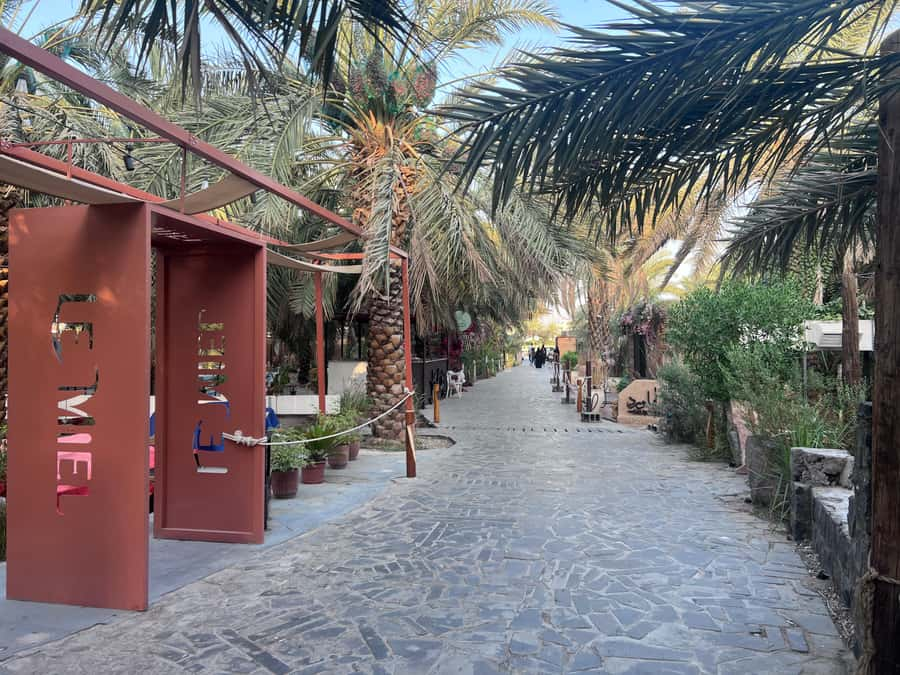
Review · AL MADINAH PROVINCE
Madinah Culture & History Tour – Led by Local Guide
Sacred places, local stories, and a cup of tea. This private Madinah tour packs major Islamic landmarks, battle sites, historic wells, and a traditional farm into four hours, with a guide from the city leading the way. I especially like the hotel pickup and private vehicle, which save you from arranging several short taxi rides, and the chance to visit places such as Wadi Al-Aqiq and Gharas Well, not just the best-known mosques.
I also like the personal touch. Guides such as Ahmad Aloufi and Nasser explain the sites in English or Arabic, allow time for prayer and quiet visits, and often adjust the pace to suit your group. The main consideration is the tight schedule. Four hours is enough for a strong introduction, but not enough for long visits at every stop, and the morning route may now replace Gharas Well and Al-Mirbad Farm with Bir Al-Faqeer and Reef Al Bustan Farm.
Key points to know before booking
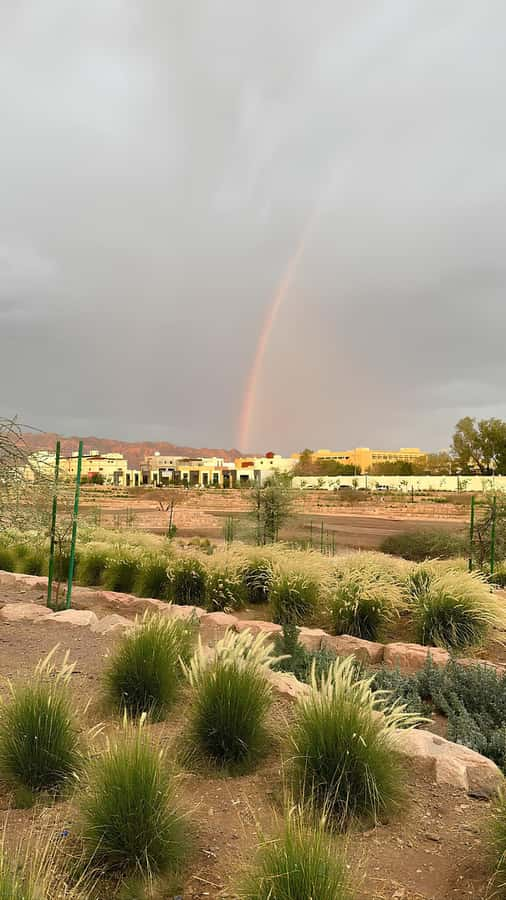
- A private tour for up to three people: At $136 per group, the cost works out well for a couple or small family, especially with transport included.
- A genuinely local guide: Ahmad Aloufi is from Madinah, while Nasser has also led this experience. Both are praised for clear storytelling and strong English.
- Seven meaningful stops: You visit mosques, the Uhud battlefield, Wadi Al-Aqiq, a local farm, and a historic well, though the morning route can differ.
- Comfortable door-to-door transport: Pickup and return are included, with a clean, air-conditioned vehicle, bottled water, parking, and local dates.
- Respectful mosque visits: You need modest clothing, including a hijab and abaya, and some mosque areas require men and women to separate.
- Flexible timing in practice: Guides have adjusted routes, meeting points, and visit lengths for some groups, but you should confirm any special request before the day.
Why this private Madinah tour works well
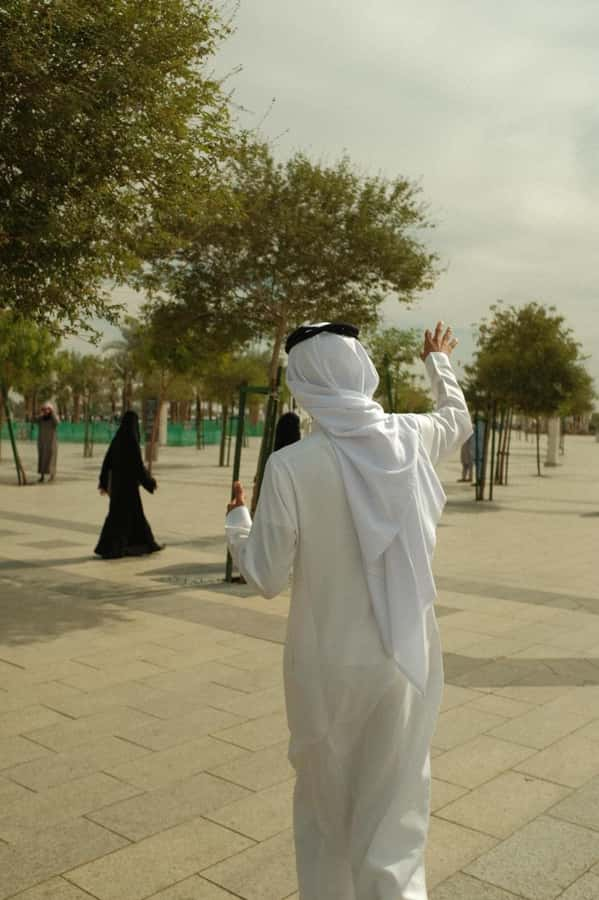
Madinah can be confusing on a first visit. Its major sites are spread across the city and nearby areas, and many places carry meaning that is not obvious from a quick stop. A private guide gives you context as you travel, so the drive between sites becomes part of the experience rather than dead time.
I like the balance here. The tour is not limited to mosques. You visit the Uhud battlefield, walk near Mount of the Archers, pause in Wadi Al-Aqiq, and finish with a taste of local hospitality. That mix helps you see Madinah as both a sacred city and a living place.
The private format matters most for families, couples, and first-time visitors. You can ask questions without holding up a large group, pause for prayer, or spend less time at a place you already know. The price is $136 for up to three people, not per person, so two or three people receive much better value than a solo visitor.
The vehicle is another practical advantage. The tour includes transportation, parking, bottled water, and local dates. Several people specifically appreciated the spacious, clean car and small extras such as juice, tea, and Ajwa dates. These are modest comforts, but they matter in a hot city when you are moving between outdoor stops.
More Local Culture and Traditions Tours in the world:
- Amsterdam Food and Cultural Tour with Tastings
★ 5.0 · 4,315 reviews - Sevilla Food Tour: Tapas, Wine, History & Traditions
★ 5.0 · 3,468 reviews - Tromsø: Reindeer Camp and Sami Cultural Tour with Lunch
★ 4.7 · 3,326 reviews
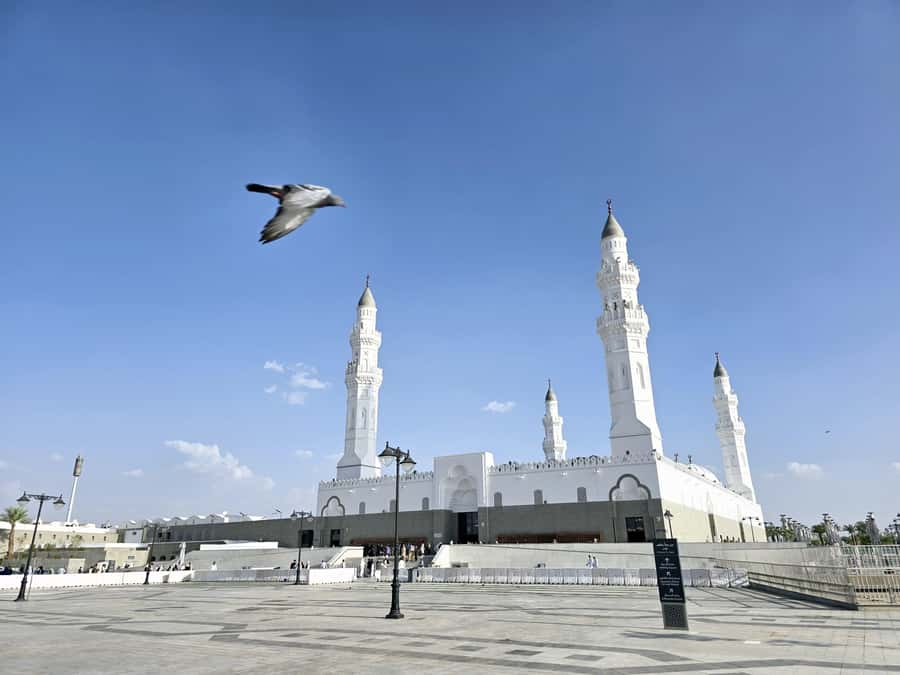
Quba Mosque begins the spiritual story
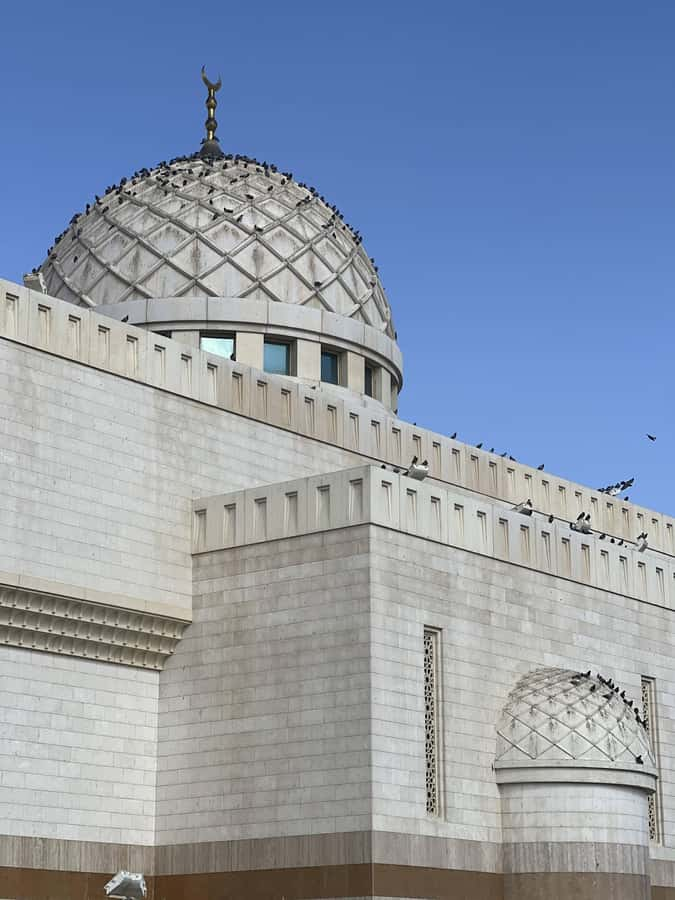
Quba Mosque is a fitting opening stop. It is known as the first mosque built in Islam and is closely linked with the Prophet Muhammad’s visits and prayers. Your guide explains its place in Madinah’s story, then gives you time to visit and pray.
The mosque itself is an active place of worship, not a museum exhibit. That means your visit should be quiet and respectful. The guide may explain where to go and where to meet afterward, but you should also expect gender separation in certain areas. One solo woman was helped with an abaya before entering the mosques, a useful reminder to prepare your clothing in advance.
The published route includes Quba Mosque near the beginning and again later, so the exact order may depend on the departure time and current route. Ask your guide to confirm the day’s sequence. If Quba is your main priority, tell the guide early so you have enough time there.
Masjid Ad-Dira connects prayer with Uhud
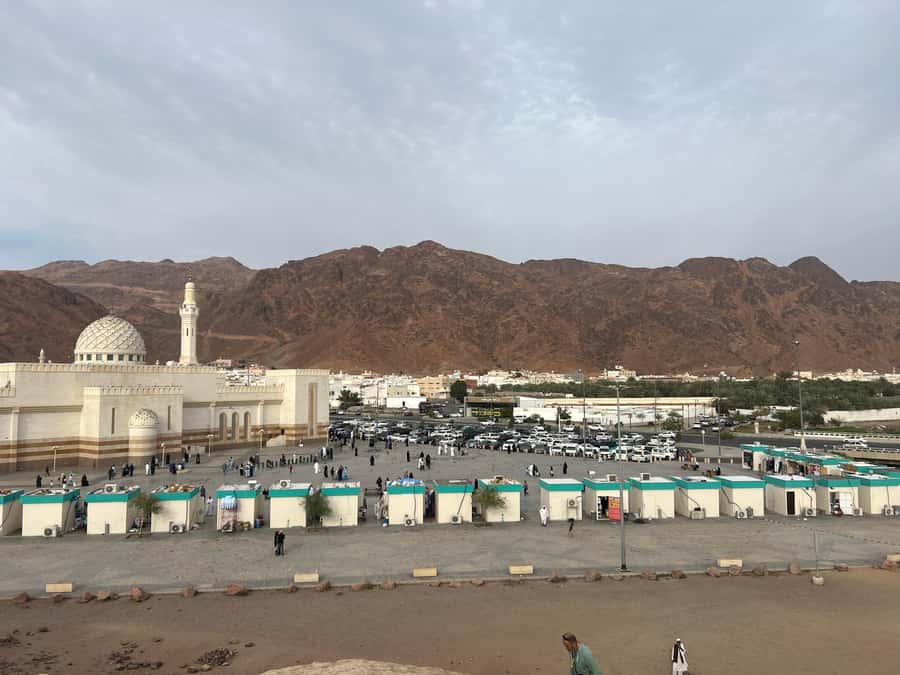
Masjid Ad-Dira, also called the Shield Mosque, is linked with the events surrounding the Battle of Uhud. It offers a quieter historical stop before you reach the main battlefield area.
This is the kind of place that benefits from a local guide. Without explanation, you may see a small mosque and move on. With context, the stop becomes part of a larger account of the Prophet’s journey and the events connected with Uhud. The planned visit is about 25 minutes, enough for a guided explanation and a short visit, but not a long period of independent exploration.
Uhud and Mount of the Archers bring history close
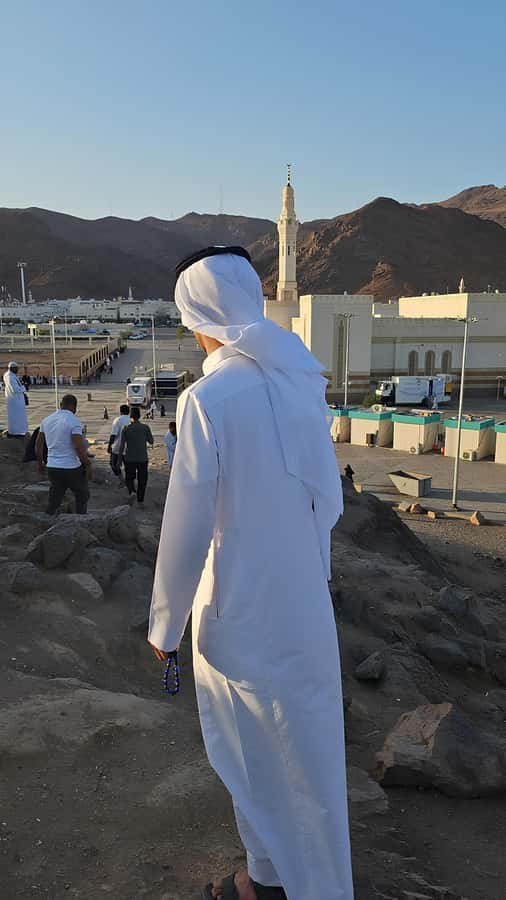
The Uhud Battle Site is likely to be the emotional center of the tour. This is where your guide discusses one of the most important battles in early Islamic history, including the role of Mount of the Archers, also known as Jabal Al-Rumah.
You can walk up the mount during the visit. The planned stop is about 30 minutes, so you should not expect a long hike or a leisurely climb. Wear comfortable shoes and bring water, even though bottled water is supplied. The site is meaningful, but it is also an outdoor stop, so heat and walking can affect how long you want to remain there.
A good guide does more than recite dates. Ahmad is praised for explaining the choices, discipline, and lessons connected with the battle. That approach helps you understand why Uhud matters, rather than simply taking a photograph and moving on. You can also see graves associated with prominent companions, adding a serious and reflective tone to the visit.
More Guided Tours in the world:
- History and Hauntings of Salem Guided Walking Tour
★ 5.0 · 14,564 reviews - Edinburgh: Edinburgh Castle Guided History Tour with Tickets
★ 4.8 · 9,933 reviews - Historic Charleston Guided Sightseeing Walking Tour
★ 5.0 · 6,216 reviews - Rome: Colosseum with Arena, Roman Forum and Palatine Guided Tour
★ 4.0 · 5,598 reviews
Wadi Al-Aqiq offers a quiet change of pace
After the intensity of Uhud, Wadi Al-Aqiq gives the tour a different rhythm. This valley is described as blessed and is connected with traditions about Madinah. The stop is short, around 10 minutes, mainly for photographs, a brief walk, and an explanation from the guide.
Do not expect a long nature outing. This is a pause for reflection and scenery rather than a full valley hike. I like its place in the route because it breaks up the mosque visits and gives you a chance to see a less formal side of the area.
Masjid Al-Qiblatain marks a major change
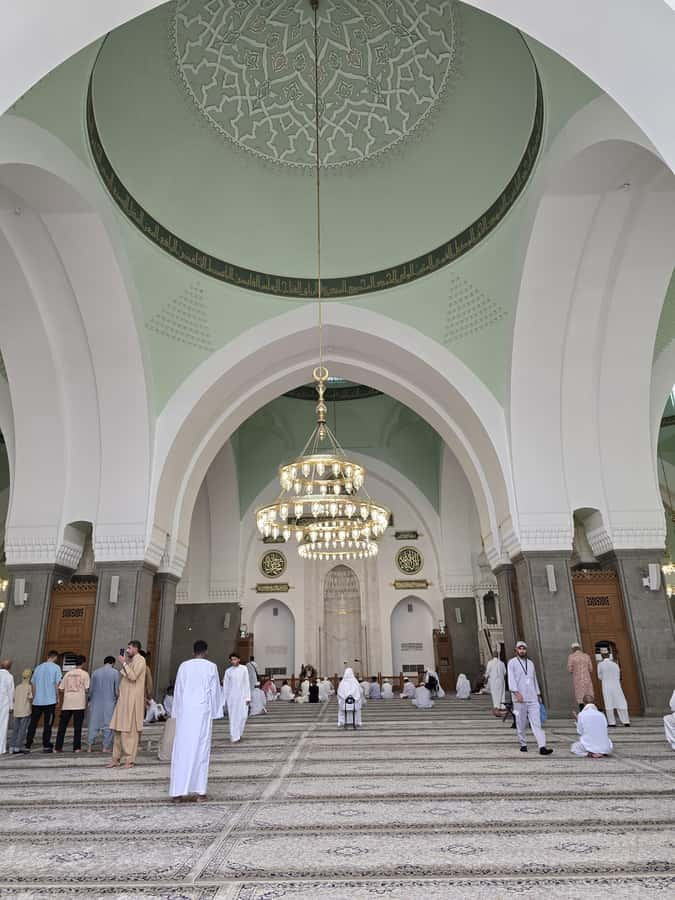
Masjid Al-Qiblatain is the site connected with the change in the direction of prayer from Jerusalem toward Mecca. Your guide explains why this moment changed Islamic practice and why the mosque remains an important stop in Madinah.
The visit lasts about 20 minutes, including a guided explanation and walking time. You may have free time to look around or pray, depending on conditions and the group’s pace. As with Quba, modest clothing is required, and gender separation may apply inside the mosque.
This stop works best when you listen closely to the sequence of events. The significance is not in the building alone. It is in the sudden change during congregational prayer and what that meant for the early Muslim community.
A Madinian farm adds local flavor
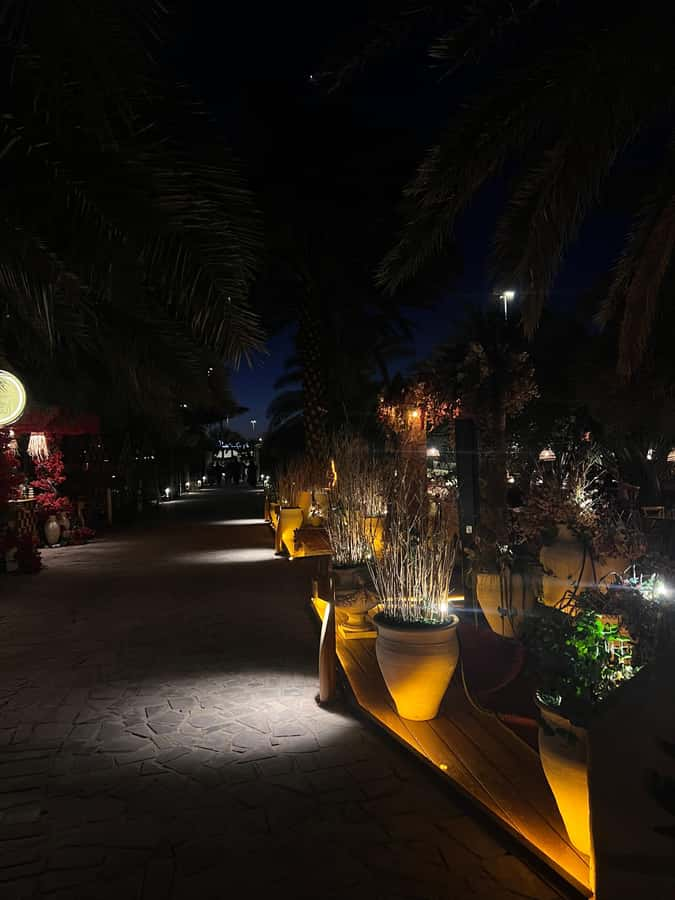
The farm stop is where the tour becomes more relaxed. At Al-Mirbad Farm, the planned visit lasts about an hour and may include tea, coffee, local sweets, dates, and other snacks. Some visits have included ice cream, juice, and time to browse or buy local products.
I particularly like this part because it shows hospitality outside the formal religious sites. You sit, drink tea, taste local dates, and see a more everyday side of Madinah. It also gives families a welcome pause after several historical stops.
The important practical detail is that the morning tour has changed. Instead of Al-Mirbad Farm and Gharas Well, the route may now include Bir Al-Faqeer and Reef Al-Bustan Farm. Confirm the current version when you book, especially if the farm experience is one of your main reasons for choosing this tour.
Gharas Well finishes on a reflective note
Gharas Well is described as a historic well from which the Prophet Muhammad used to drink. It is generally a short visit with a photo stop, walking, and an explanation from the guide.
This is not a large attraction with a long program. Its value comes from the connection and the chance to end the day quietly. After the busy mosque and battlefield stops, a historic well can feel simple but meaningful.
Again, check the morning route. Gharas Well may be replaced by Bir Al-Faqeer in the updated schedule. The change does not make the tour poor, but you should know what you are booking rather than assume every departure follows the same sequence.
The guides are the real strength
The strongest part of this experience is the guiding. Ahmad Aloufi is repeatedly praised for punctuality, warm manners, clear English, and his love for Madinah. He has helped families, couples, solo visitors, and children follow the story without making the day feel like a lecture.
He also appears willing to adapt. One group changed its starting and ending point to the high-speed train station. Another group visited an alternative site after explaining that one planned location was already familiar. Some tours have run longer than four hours when the guide wanted to complete a customized visit, but you should treat that as goodwill rather than a guaranteed feature.
Nasser has also received strong praise for storytelling. One family described his approach as bringing the full story to life. The guide assigned to your booking may vary, so ask who will lead the tour if a particular guide matters to you.
Language should not be a major barrier. English and Arabic are offered, and several English-speaking visitors found communication easy. If you have special interests, such as battle history, mosque architecture, prayer locations, or local food, tell the guide before departure.
Timing, clothing, and the small practical details
The advertised duration is four hours, with pickup and return in Madinah. Some groups have spent closer to six hours when the route was customized, but you should plan your day around the stated four-hour duration.
Morning departures may begin at 8am. One visitor preferred a 9am start, so ask about departure times if you need a slower morning. Starting time can affect the heat, mosque conditions, and the updated route.
Wear an abaya and hijab where appropriate, and dress respectfully throughout. If you do not have suitable clothing, one guide helped a woman stop at a nearby department store to buy an abaya before continuing. It is still better to arrive prepared.
The tour includes a clean, air-conditioned vehicle, parking, bottled water, and local dates. Comfortable shoes are useful for Uhud, Quba, and Al-Qiblatain. The tour is private, but prayer areas can still have separate arrangements for men and women, so listen carefully to the guide’s instructions.
Cancellation is free up to 24 hours before the start, and you can reserve now and pay later. Pickup is from your accommodation, with the guide meeting you in the main lobby. Some groups have arranged pickup at the high-speed train station, but confirm that in advance.
Is $136 good value for three people?
For one person, $136 is a noticeable price for four hours. For two or three people, it is much easier to justify. You receive a private car, a local guide, parking, water, dates, and a route linking several sites that would be awkward to arrange independently.
The value is not only in the number of stops. It is in the explanations. Without a guide, you can visit Quba, Uhud, and Al-Qiblatain, but you may miss the connections between them. If you want a day built around religious history and local context, the fee is reasonable for a small private group.
I would not choose it if you want a slow, unplanned day at one mosque or if you dislike moving between several short stops. The schedule is active, and the route may change in the morning. I would also confirm the current farm and well stops before paying.
Who should book this Madinah experience?
I recommend this tour most strongly to first-time visitors with limited time, families who want door-to-door transport, and anyone who wants a local explanation of Madinah’s sacred sites. It also suits visitors arriving by train, provided the meeting point is confirmed in advance.
It is a good choice for English or Arabic speakers who want to ask questions along the way. The private format gives you more control than a large coach tour, and the farm stop adds a friendly local touch.
You may prefer another plan if you want long visits at each mosque, a detailed architectural tour, or several hours focused only on Masjid Al-Nabawi. This experience covers a broad selection of places outside the central mosque area, so it works best as a citywide introduction.
Should you book it?
I would book this tour if you have one day in Madinah and want the main historical sites explained by someone who knows the city personally. The combination of Quba, Uhud, Mount of the Archers, Al-Qiblatain, Wadi Al-Aqiq, and a local farm gives you much more than a simple mosque transfer.
Before confirming, ask two questions: who will guide you, and which stops are included in the current morning route. If the answer suits your priorities, $136 for up to three people is fair, particularly when comfort, parking, water, and private transport are included.
FAQ
How long does the Madinah Culture and History Tour last?
The advertised duration is four hours. Some private visits have lasted longer when the route was customized, but you should plan around the stated four-hour schedule.
How much does the tour cost?
The price is $136 per private group of up to three people.
Is hotel pickup included?
Yes. Pickup and return are included in Madinah. You should wait in your accommodation’s main lobby for the guide.
Which languages are available?
The live guide service is available in English and Arabic.
Is transportation included?
Yes. Transportation, parking fees, bottled water, and local dates are included.
What should I wear?
You should wear respectful clothing, including a hijab and abaya where required. Some mosque areas also require separate arrangements for men and women.
Does the morning tour visit Gharas Well and Al-Mirbad Farm?
The morning route has been updated. Bir Al-Faqeer and Reef Al-Bustan Farm may replace Gharas Well and Al-Mirbad Farm, so confirm the exact stops before booking.
Just added around the world
- The Queenstown Story @ Cobh Heritage Centre , Great Stories of Emigration.★ 4.5 · 181 reviews
- Visit 16 Sites Key Historical Sites And Experience Cobh Rebel Tours★ 5.0 · 167 reviews
- Historical Bicycle Tour of Dunedin★ 5.0 · 44 reviews
- Cincy Brunch History and Streetcar Tour with Riverside Food Tours★ 5.0 · 108 reviews
- 2.5 Hour Kayaking with Manatee and History Tour in Tarpon Springs★ 5.0 · 24 reviews
- Dazu Ancient Rock Carvings Private Tour Extension★ 5.0 · 24 reviews
- Private Tour in Chichen Itza Official History Guide★ 5.0 · 36 reviews
- Chicago River Architecture Tour Aboard a Historic Yacht★ 5.0 · 45 reviews
Local Culture & Traditions Tours, compared.

Amsterdam Food and Cultural Tour with Tastings
Read our review →
Sevilla Food Tour: Tapas, Wine, History & Traditions
Read our review →
Tromsø: Reindeer Camp and Sami Cultural Tour with Lunch
Read our review →
Half Day Dominican Republic Cultural Tour : Small Group
Read our review →
Ultimate Melbourne Walking Tour: History, Laneways & Culture
Read our review →
Tromsø: Sámi Reindeer Sledding and Sami Cultural Tour
Read our review →
Kyoto Gion: 2-Hour Geisha Culture & History Walking Tour
Read our review →
Marrakech Historical and Cultural Tour – Half Day City Tour
Read our review →Browse the lists this tour appears in