

Review · CAMBODIA
Heritage tour of Phnom Penh in electric bus
Phnom Penh reveals itself in layers. I like the electric bus format, which lets you cover a lot of ground without spending 2.5 hours in a tuk-tuk under the sun. I also like the tablet films, vintage photographs, and virtual views inside buildings you cannot normally enter.
The main consideration is the heat and the lack of hotel pickup. You will get off the bus several times, so this is not a fully seated sightseeing ride. Still, the friendly guide, clear explanations, and well-chosen stops make this a smart first look at Cambodia’s capital.
Key points at a glance
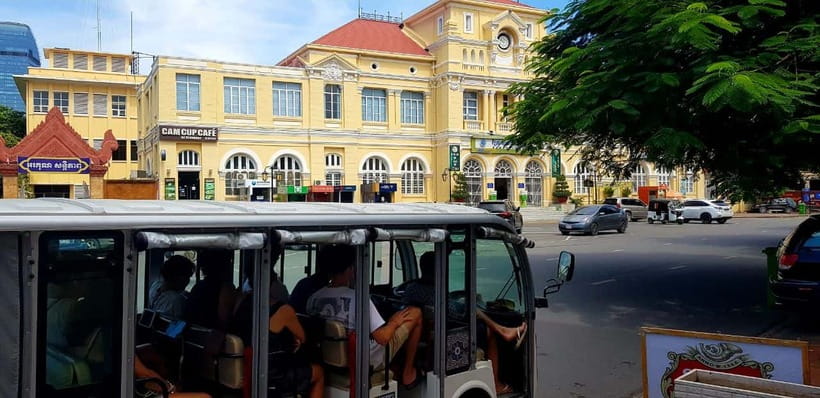
- Nineteen stops cover 22 historic sites, giving you a broad introduction to Phnom Penh rather than a narrow look at one district.
- Tablet-based films show interiors you may not otherwise see, including virtual access to buildings closed to the public.
- Three unusual stops add real local character: an Hokkien temple, the National Library, and the Royal University of Fine Arts.
- The tour connects French colonial planning, Art Deco, royal life, and the Khmer Rouge period, giving you useful context before independent sightseeing.
- Ten audio languages are available, while live instruction is offered in English or French.
- The tour ends on Street 240, near the Royal Palace and riverside, a handy place to continue exploring on foot.
Why this electric bus tour works well in Phnom Penh
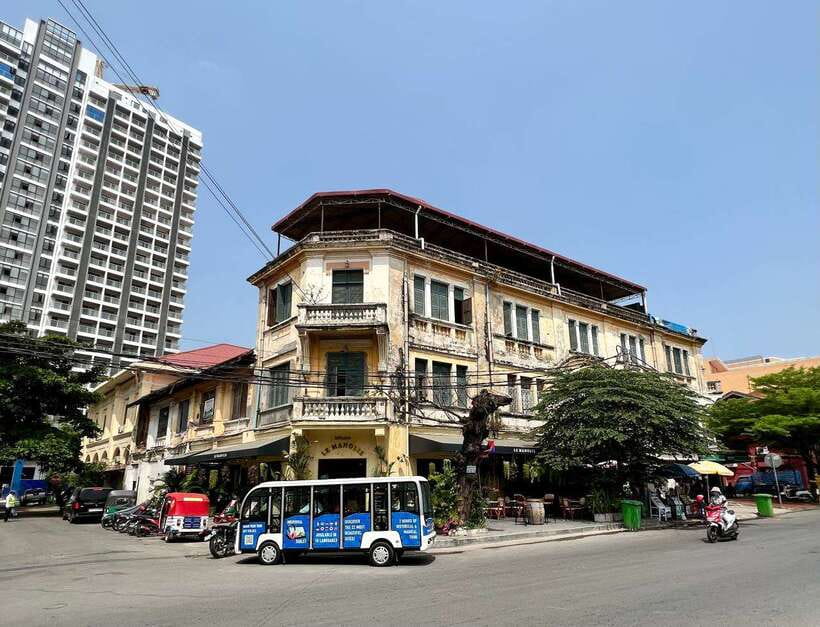
Phnom Penh can feel confusing during a first visit. Major sights are spread across a city that has changed quickly, and the meaning of an old building is not always obvious from its facade. This tour gives you a map in your head before you begin exploring alone.
The electric bus is part of the appeal. You can watch the city pass by while the guide explains how Phnom Penh grew from a fishing village into a capital. You also get a break from the noise and heat of ordinary road traffic, though the open city environment still means you should expect warm conditions.
At $27 per person, the price is reasonable if you value orientation and historical explanation. A simple ride around town would cost less, but it would not include the tablets, headsets, bottled water, live guide, or carefully organized historical story. You are paying for interpretation as much as transport.
The tour lasts about 2.5 hours. That is long enough to introduce the city without taking up your entire day. I would book it near the beginning of your stay, then use the final stop as a launch point for your own visits to the Royal Palace, riverside, Street 240, or nearby museums and markets.
A few more history tours around the world worth a look
- History and Hauntings of Salem Guided Walking Tour
★ 5.0 · 14,564 reviews - Colosseum: Underground and Ancient Rome Tour
★ 4.7 · 12,691 reviews - Lisbon: History, Stories and Lifestyle Walking Tour
★ 4.8 · 10,902 reviews
Nineteen stops, twenty-two places, and one city story
The route visits 19 stops and covers 22 major places. That distinction matters. You are not simply being driven past 22 buildings. Some stops bring several related sites into the same part of the city, while others include time to get out and look around.
The tour’s central story is Phnom Penh’s transformation. The city developed from a riverside settlement into an urban capital, first under French influence and later through periods of independence, upheaval, and reconstruction. You will hear about early city planning, the social organization of Phnom Penh, the royal family, and the lifestyle of the elite in the early 20th century.
That broad approach is useful because the city’s buildings are not isolated objects. A colonial-era street, an Art Deco facade, a royal institution, and a former administrative building all tell part of the same story. The guide helps connect them.
You should not expect a long, detailed visit inside every place. With many stops packed into 2.5 hours, some locations are mainly viewed from the bus or discussed through the audio video material. The benefit is range. The trade-off is that you will not study one building at museum length.
Tablets that take you inside closed buildings
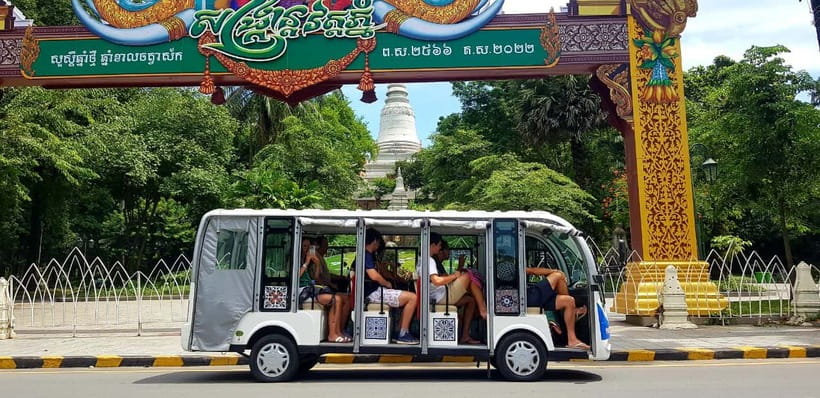
Each passenger receives a tablet and headset. The system provides 24 audio video guides in 10 languages: English, French, Chinese, German, Italian, Korean, Japanese, Spanish, Khmer, and Russian.
The tablets are more than a recorded commentary. Films, old photographs, and historical anecdotes help you picture Phnom Penh at earlier stages of its development. The most useful feature is the virtual access to interiors that are not open to the public.
That can change how you understand a plain-looking facade. A building may seem modest from the street, but archival images and interior footage can reveal its former role, design, or importance. The visual material also gives you something to focus on during stretches of driving.
The live guide adds another layer. English and French are the available guide languages, while the tablet handles the wider language choice. French-speaking visitors can expect detailed explanations, and the guide may add information beyond what is on the device.
You will want to keep the headset handy. With 24 segments available, the audio material is a major part of the experience, not a small extra. The bottled water is useful too, especially when you step off the bus in the heat.
The Hokkien temple and three unusual walks
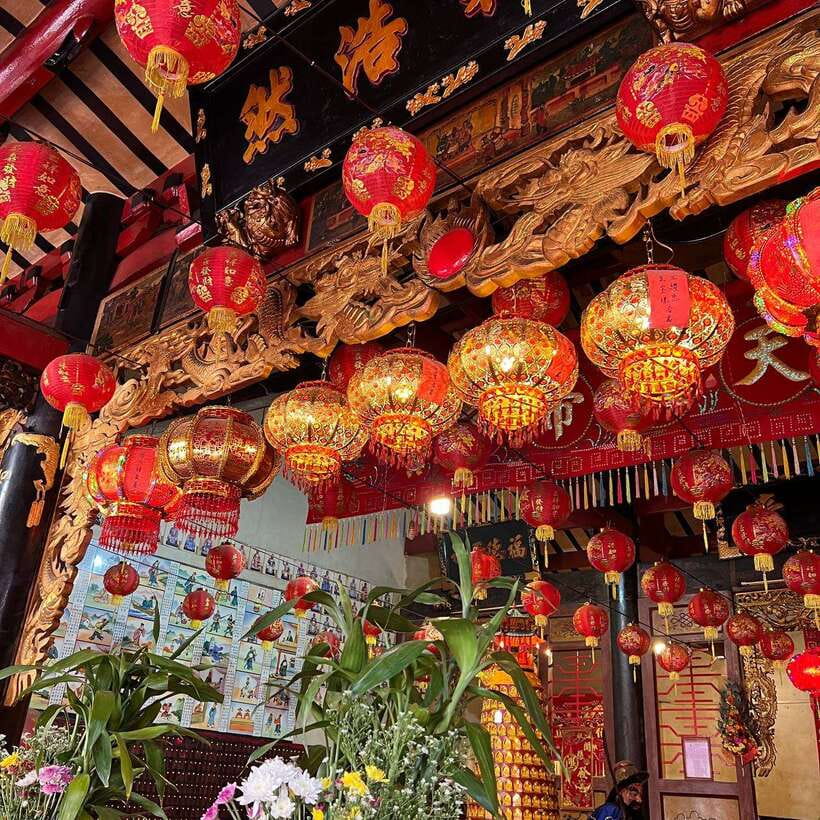
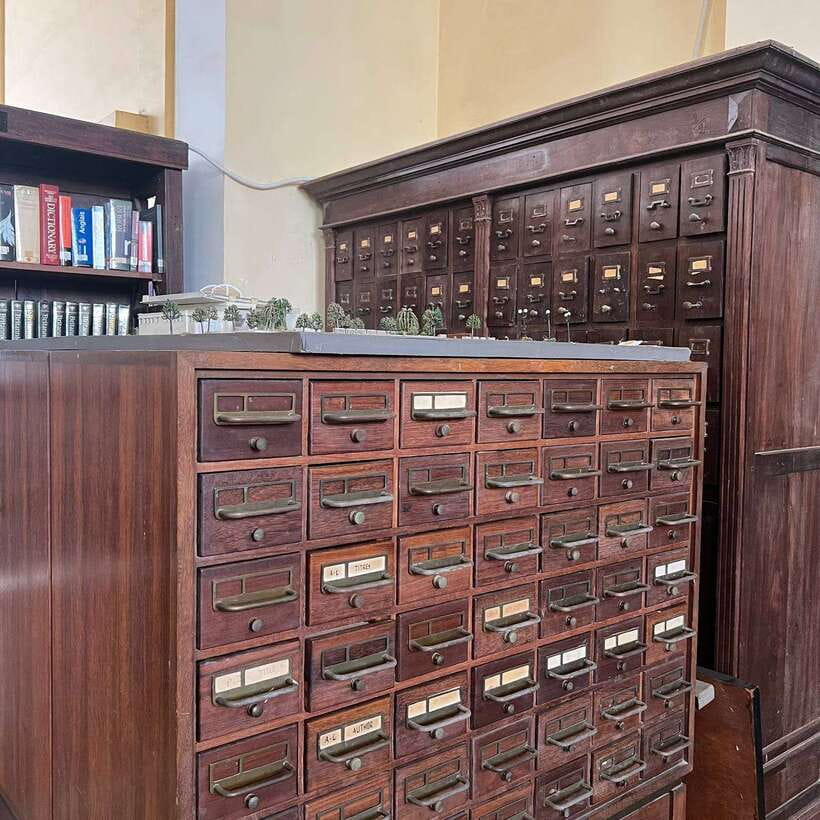
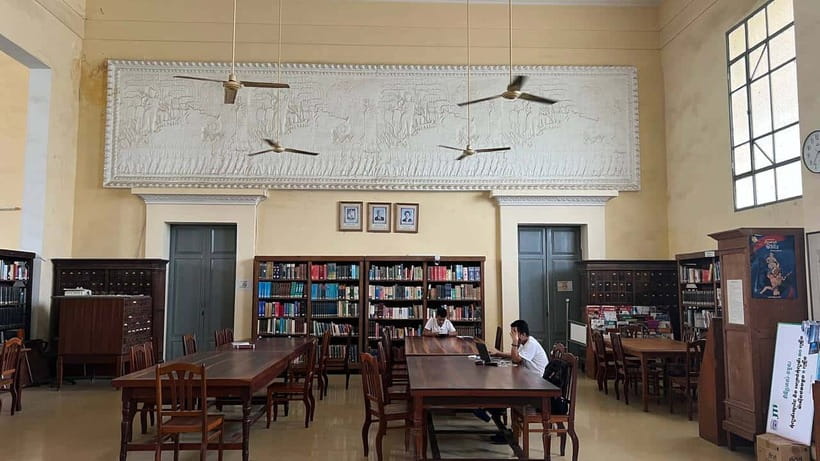
One of the most appealing parts of the route is the chance to enter three less usual places. These are an Hokkien temple, the National Library, and the Royal University of Fine Arts.
The Hokkien temple gives the tour a wider social view of Phnom Penh. The capital is not defined only by royal buildings and French planning. Chinese communities, religious institutions, schools, and commercial networks also shaped daily life. A temple stop helps you see the city as a place where different cultural traditions developed side by side.
The National Library adds another angle. Libraries are tied to education, administration, publishing, and the preservation of national memory. The stop fits well with the tour’s interest in how Phnom Penh organized public life during the colonial and postcolonial periods.
The Royal University of Fine Arts points toward Cambodia’s artistic identity. It also helps explain why architecture, sculpture, design, and cultural education matter so much in the capital. You are not just looking at old walls. You are seeing institutions that helped shape how Cambodian culture was taught and presented.
These three visits are a real strength because they avoid a standard loop of only famous monuments. Do keep your expectations practical. The tour description does not promise a long guided visit at each location, and the schedule has many places to cover. Think of these stops as short, unusual windows into the city.
Same place, a different slice of the past:
- London Small Group Tour of Historical Pubs
★ 5.0 · 10,422 reviews - Prague: Oldtown, Medieval Underground & Dungeon History Tour
★ 4.3 · 10,277 reviews - Charleston’s Old South Carriage Historic Horse & Carriage Tour
★ 5.0 · 10,023 reviews - Edinburgh: Edinburgh Castle Guided History Tour with Tickets
★ 4.8 · 9,933 reviews
French planning, Art Deco, and the royal family
A major theme is Phnom Penh under the French protectorate. The tour looks at the first urbanization carried out on a French model, including the way streets, institutions, and public buildings changed the capital.
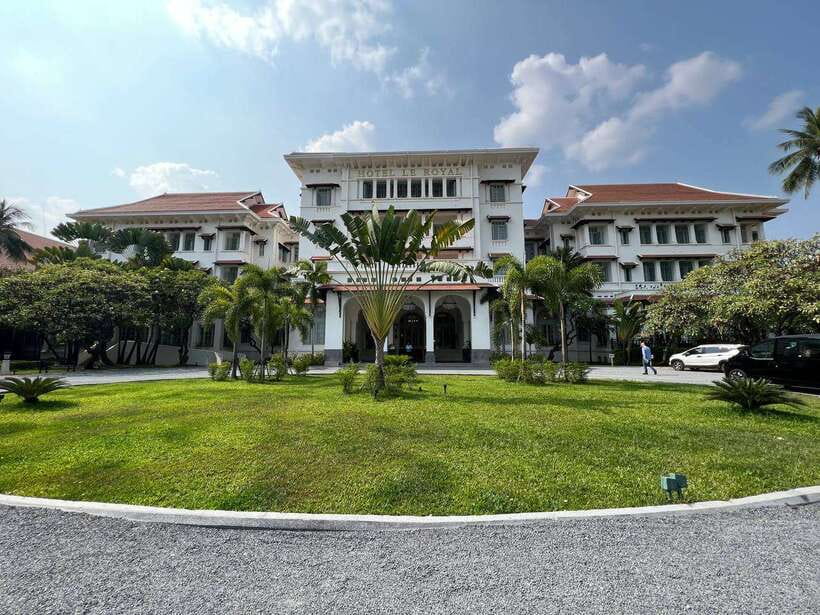
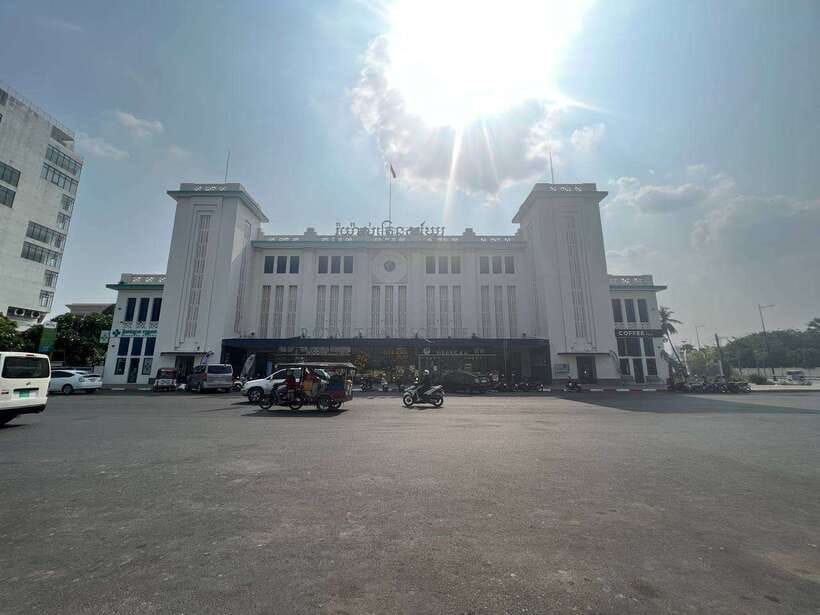
You will also hear about the city’s Art Deco period. Phnom Penh has many layers of architectural style, and Art Deco is one of the most distinctive. The tablet’s vintage photos should help you compare earlier views with what you see today.
The route also discusses the royal family and the lifestyle of the elite at the beginning of the 20th century. This gives the tour a human side. Instead of treating the city as a collection of facades, it asks who lived there, who used the institutions, and how social life was organized.
I especially value this context for first-time visitors. Without it, you might see a grand building and move on. With it, you can start asking better questions about power, education, commerce, religion, and class in Phnom Penh.
The experience is not designed as a specialist architecture tour. It is broader and more accessible. You will get enough background to plan deeper visits later, but not a full academic treatment of each design movement or political period.
Addressing the Khmer Rouge period with care
The tour also covers the darkest period in Cambodia’s recent past, including the Khmer Rouge regime. That subject is essential to understanding Phnom Penh, but it is treated here as part of a larger city story rather than the only focus.
This is useful if you have just arrived and want basic context before visiting places devoted specifically to the period. The tour can help you understand how war, political violence, and later change affected the capital.
At the same time, you should not treat this bus ride as a replacement for a dedicated visit to Phnom Penh’s major sites connected with that history. The tour gives an overview. A separate visit allows more time for reflection and fuller explanation.
The balance is one of the route’s strengths. You hear about the royal family, architecture, social life, and urban growth alongside the Khmer Rouge era. Phnom Penh becomes more than a city of beautiful buildings or painful memories. You get a wider, more honest picture.
What happens at the end on Street 240
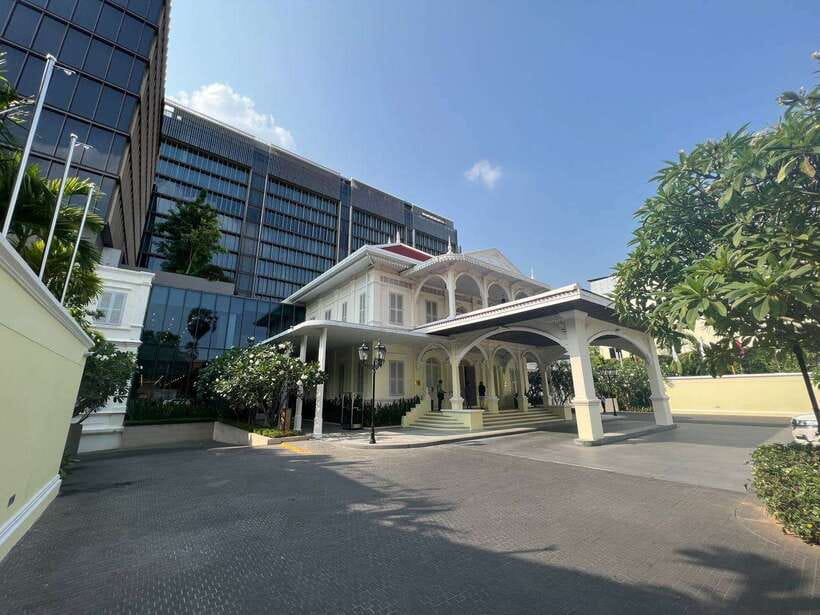
The tour finishes on Street 240, close to the Royal Palace and the riverside. This is a practical ending rather than a random drop-off.
You can continue your afternoon with your own plans from there. The Royal Palace is nearby, and the riverside gives you a natural direction for a walk. Street 240 also makes a useful place to pause after the bus ride and decide what deserves more of your time.
This ending is one reason I would schedule the tour early in your visit. The guide introduces enough places and themes to help you choose what to see next. You may decide to return to a building you only viewed from outside, spend longer at the Royal Palace, or explore the city’s streets without a fixed route.
Hotel pickup and drop-off are not included. You will need to reach the departure point yourself, and you will need to arrange your own transport afterward if you do not want to continue on foot. A private tuk-tuk is also not included.
How much value do you get for $27?
The $27 price makes the most sense for someone who wants history, transport, and orientation in one package. The electric bus removes the need to negotiate separate rides between distant areas, while the live guide gives the route a human voice.
The tablets add value because they offer historical films and virtual interiors. If you were only looking for a cheap city loop, you could find less expensive transport. If you want to understand what you are seeing, this package earns its price more easily.
The experience also received especially strong praise for its explanations, the chance to get off the bus, and the guide’s willingness to add extra information. A French-speaking guide is a useful bonus for francophone visitors, while English speakers have both live instruction and a full English audio option.
There are limits. Food and drinks are not included, so eat before the tour or plan a meal afterward. The activity is not private transportation, and you should not expect the flexible timing of a personally hired tuk-tuk.
Who should book this experience?
I would recommend it to first-time visitors who want a clear introduction before tackling Phnom Penh independently. It suits people who enjoy architecture, royal history, old photographs, urban development, and cultural institutions.
It is also a good choice if you prefer a calmer ride to a standard tuk-tuk tour. The electric bus provides a more restful way to cover the city, although you still need to handle several short walks and the heat.
Families and older visitors may appreciate the seated transport and bottled water, but the available information does not provide specific accessibility details. If mobility is a concern, ask the provider before booking.
This is less suitable if you want a slow, deeply focused visit to one monument, or if you already know Phnom Penh well. The route is broad by design. It gives you many introductions rather than hours at a single site.
You can cancel up to 24 hours before the activity for a full refund, and the reserve-now, pay-later option keeps your plans flexible. Starting times vary, so check availability for the date you want.
Should you book the Phnom Penh Heritage Tour?
Book it if you want to get your bearings fast, learn how Phnom Penh developed, and see more than the usual headline sights. The combination of an electric bus, live explanations, tablet films, vintage images, and three unusual stops gives the experience more substance than a simple city ride.
Skip it if your priority is complete independence, private transport, or long visits inside each landmark. For most first-time visitors, though, $27 is a fair price for a well-paced introduction that ends in a useful part of town. Schedule it near the start of your stay, bring sun protection, and keep the rest of the day open for the places that catch your interest.
FAQ
How much does the Phnom Penh Heritage Tour cost?
The tour costs $27 per person.
How long does the tour last?
The experience lasts approximately 2.5 hours.
How many places does the route cover?
The route includes 19 stops and covers 22 major places in Phnom Penh.
What languages are available for the audio guide?
Audio guides are available in Cambodian, Chinese, English, French, German, Italian, Japanese, Korean, Russian, and Spanish.
What languages are available from the live guide?
Live instruction is available in English and French.
Are tablets and headsets included?
Yes. Tablets, headsets, and a bottle of water are included.
Does the tour include hotel pickup and drop-off?
No. Hotel pickup and drop-off are not included.
Is food or drink included?
Food and drinks are not included, although a bottle of water is provided.
Can I cancel the tour for a refund?
Yes. You can cancel up to 24 hours in advance for a full refund. You can also reserve now and pay later.
Just added around the world
- Historic Center of Dijon : Discovery Tasting Wine Burgundy★ 4.5 · 40 reviews
- Historic Christmas tour of Lübeck★ 4.3 · 47 reviews
- Hiroshima: Peace Walking Tour of World Heritage Sites★ 4.9 · 190 reviews
- Hiroshima: History and Hidden Gems Tour★ 4.9 · 81 reviews
- Historic Berlin Pubs & History Tour★ 4.9 · 73 reviews
- Hiroshima & Miyajima Island Private Tour: History & Culture★ 5.0 · 26 reviews
- Fortkochi Heritage Walking tour with a local guide★ 4.4 · 19 reviews
- Hilton Head: Daufuskie Island History & Artisans Tour★ 4.9 · 22 reviews
Cambodia History Tours, compared.

Banteay Srei and Grand Circuit Heritage Tour from Siem Reap
Read our review →

Browse the lists this tour appears in