
Review · ACCRA
10 Days Ghana Cultural and Heritage Trip
Feel Ghana’s past beneath your feet. This ten-day journey links Accra’s national landmarks with Cape Coast’s slave castles, Ashanti traditions, and smaller cultural sites that are easy to miss on a shorter visit. I especially like the small group size of 10 and the chance to take part in a traditional naming ceremony, rather than simply looking at Ghana through a bus window.
I also like the mix of serious history, rainforest scenery, markets, and living customs. The main caution is the price: at $3,500 per person, this is a substantial investment, and several days involve long road journeys and emotionally difficult sites.
Key points about this Ghana cultural tour

- A true pilgrimage through Ghana’s past: Cape Coast Castle, Elmina Castle, Assin Manso, and the Door of No Return give the slavery story a clear geographic thread.
- A small maximum group of 10: This should make airport transfers, market visits, and sensitive historical discussions easier to manage.
- A naming ceremony in Elmina: You receive a Ghanaian name based on the day you were born and wear African clothing during the ceremony.
- A rare rainforest experience: Kakum National Park includes a canopy walk through the treetops.
- Strong support from Nana and his team: The trip is praised for thoughtful arrangements and an emotional connection to Ghanaian culture.
- Transport is practical: An air-conditioned vehicle with Wi-Fi is provided, along with airport pickup and meals on selected days.
Why this 10-day Ghana trip feels different
Many Ghana trips focus only on Accra, the coast, or Kumasi. This one tries to connect all three. You begin with Ghana’s independence and modern political story, move into the coastal forts and the Atlantic slave trade, then continue inland toward Ashanti royalty and Kente weaving.
That sequence matters. The history is not presented as a collection of isolated attractions. You first see the country as an independent nation, then learn how people were taken from the interior to the coast, and finally visit places tied to Ashanti identity and traditional craft.
I also like that the program includes ordinary cultural settings. Makola Market, the Accra Arts Center, Elmina’s old streets, and the Bonwire weaving center help balance the museums and memorial sites. You will not spend all ten days walking through formal exhibits.
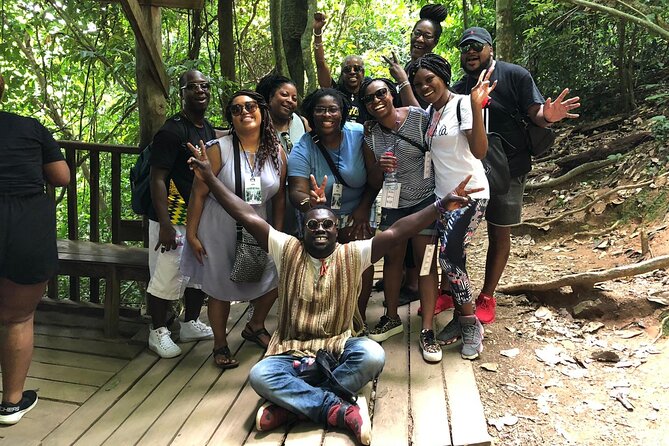
The group is capped at 10 people, which is a useful size for a tour with this much movement. A small group can gather more easily at the airport, fit into local spaces, and keep discussions more personal. The tour is offered in English, Spanish, and French, so check that your preferred language is available when booking.
More Local Culture and Traditions Tours in the world:
- Amsterdam Food and Cultural Tour with Tastings
★ 5.0 · 4,315 reviews - Sevilla Food Tour: Tapas, Wine, History & Traditions
★ 5.0 · 3,468 reviews - Tromsø: Reindeer Camp and Sami Cultural Tour with Lunch
★ 4.7 · 3,326 reviews
Days 1 and 2: First steps in Accra
Your arrival is handled simply. You are met at Kotoka Airport and taken to your hotel, followed by a welcome dinner and drinks with the group and the in-country leaders. That first evening is useful because the trip quickly moves into a full sightseeing schedule.
Day 2 opens with the Kwame Nkrumah Memorial Park. Nkrumah was Ghana’s first president, and the site is also his final resting place. You see personal belongings, photographs, correspondence, and the smock he wore when declaring Ghana’s independence. This gives you an immediate connection to the country’s modern political identity.
The visit lasts about an hour, which is enough for the main displays without turning the morning into a long museum session. I would pay close attention to the photographs and personal items, since they put a human face on Ghana’s independence movement.
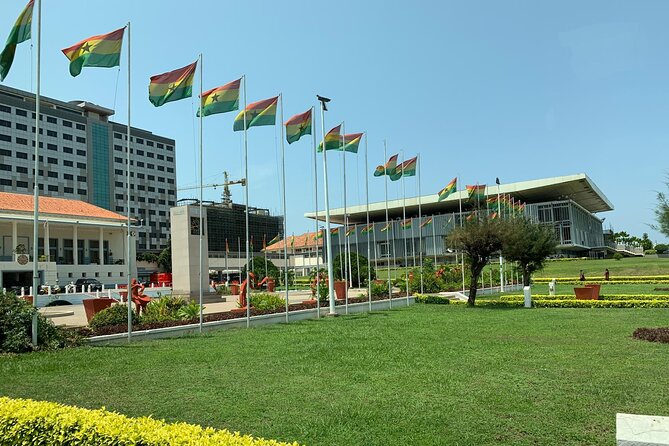
Next comes Independence Square, also known as Black Star Square. The Independence Arch, Black Star Gate, and Liberation Day Monument mark the country’s struggle for self-rule. The open space is used for the annual Independence Day parade on March 6.
You have about 40 minutes here. That is enough to take in the monumental scale, though it is not a guided historical seminar. Bring water and sun protection, since much of the visit takes place outdoors.
Makola Market provides a sharp change of pace. It is Accra’s largest open-air market, with narrow passages, vendors, goods piled high, and people carrying bowls and packages on their heads. The market is a place to watch daily commerce rather than just buy a souvenir.
The guide helps you find the more interesting sections and photo positions. Keep your belongings close, stay with the group, and wear comfortable shoes. The market can be crowded, and the narrow lanes are part of the experience. One hour is a short introduction, not enough to see every corner.
The National Museum of Ghana completes the day’s main stops. Exhibits cover chiefs’ regalia, musical instruments, gold weights, beads, textiles, stools, pottery, traditional dance, agriculture, iron making, and the slave trade. There are also cultural objects from outside Ghana, including Senufo masks from Côte d’Ivoire and Zulu figures and beadwork.
This is a useful orientation before you reach the coast. You begin to see how clothing, symbols, music, objects, and authority fit together in Ghanaian life.
Day 3: Plants, Pan-Africanism, and different sides of Accra
The Aburi Botanical Gardens offer a quieter morning. You learn about African herbs and plants, their origins, their ages, and their medicinal uses. The visit is scheduled for one hour, so expect an introduction rather than a long botanical walk.
The gardens add an important local perspective. Plants are not treated only as scenery. Their uses in society and traditional medicine are part of the lesson.
The W.E.B. DuBois Center shifts the focus to Pan-Africanism. Du Bois was an American sociologist, socialist, and historian who became an important figure in global Black intellectual and political life. The center helps connect Ghana to the wider African diaspora.
This day is lighter than the castle visits that follow. That is helpful, since the next part of the journey carries more emotional weight.
Day 4: Cape Coast Castle and the Door of No Return
Cape Coast Castle is one of the most difficult stops on the trip. You visit the dungeons where enslaved people were held before being taken onto ships, as well as the Door of No Return.
The power of the visit comes from the physical setting. You are not just hearing about forced removal from West Africa in a classroom. You are standing inside the rooms where people were confined.
The scheduled visit is about an hour. That may feel brief, but the subject matter is heavy, and a focused visit can be more effective than rushing through a full day of similar sites. Give yourself quiet time afterward if you need it.
This is also where good guiding matters most. Nana and the team receive the strongest praise for making the trip feel like a personal pilgrimage rather than a sightseeing checklist. Expect the historical sites to be treated with respect and seriousness.
A few more history tours around the world worth a look
- History and Hauntings of Salem Guided Walking Tour
★ 5.0 · 14,564 reviews - Colosseum: Underground and Ancient Rome Tour
★ 4.7 · 12,691 reviews - Lisbon: History, Stories and Lifestyle Walking Tour
★ 4.8 · 10,902 reviews - London Small Group Tour of Historical Pubs
★ 5.0 · 10,422 reviews
Day 5: Kakum, Elmina, and two castle perspectives
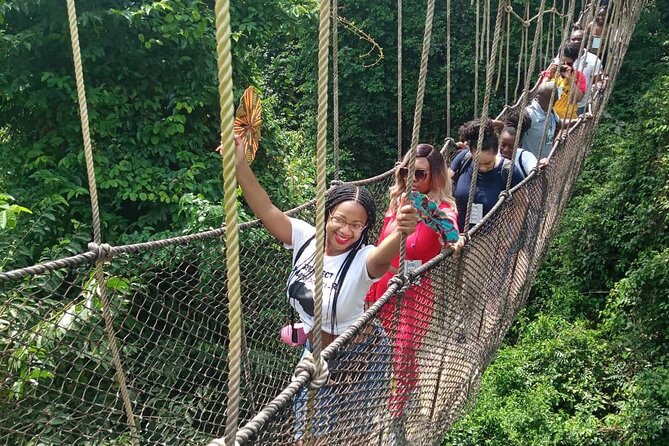
Kakum National Park brings welcome physical activity to the program. The main attraction is the canopy walk, a treetop route that is described as one of only a small number of such walks in the world.
The park visit lasts about 90 minutes. You walk through rainforest and cross elevated sections above the ground. The canopy route is the highlight, but it may not suit anyone who dislikes heights or moving suspension structures. Wear practical shoes and allow time to move carefully rather than treating it as a race.
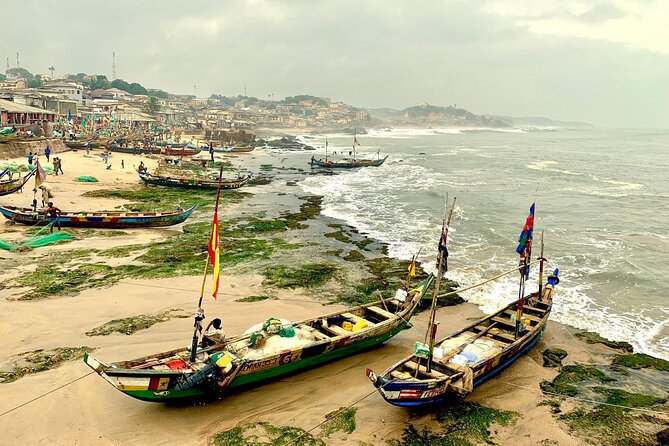
Later, you walk through Elmina, one of Ghana’s major historical towns. The route includes old buildings, a 17th-century Dutch cemetery, a Posuban shrine, and an Asafo post. The town visit is free of charge, but it adds context that a castle tour alone cannot provide.
Elmina Castle follows. It is the oldest and largest European building of its type below the Sahara, and the visit includes the slave dungeons, forecourt, and Door of No Return. Seeing Elmina after Cape Coast lets you compare two coastal fortifications and understand how the trade operated across different sites.
The two castle visits are not light sightseeing. If you prefer a gentle holiday with little difficult history, this may be too intense. If you want to understand Ghana’s role in the Atlantic slave trade and its continuing meaning, this is the core of the trip.
Day 6: Elmina traditions and a Ghanaian name
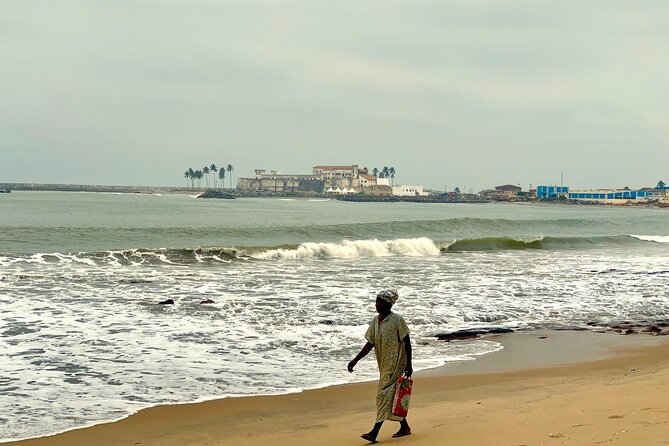
Day 6 begins with rest and relaxation in Elmina. That slower morning is well placed after the previous day’s walking and historical material.
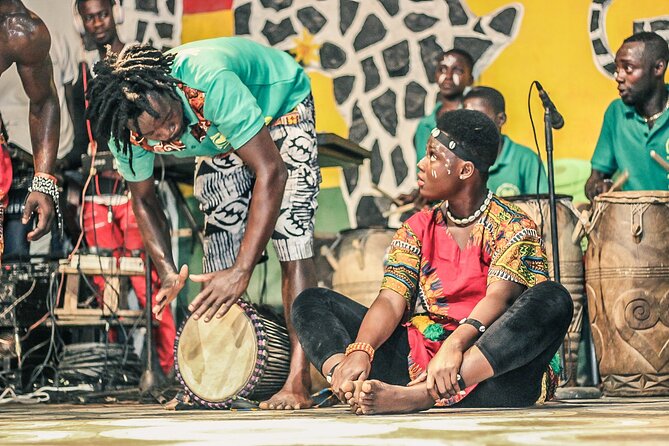
Later, you visit the chief’s palace and learn about local traditions. The most distinctive part is the naming ceremony. You receive a name based on the day you were born, wear African clothing, and take part in a custom rooted in Ghanaian culture.
This is one of the strongest reasons to choose this tour instead of a standard sightseeing package. A museum can explain tradition, but a ceremony gives you a personal role in it. Approach it with respect and curiosity, not as a costume photo opportunity.
The ceremony is scheduled for about two hours. Since the visit is free of charge, its value comes from the cultural exchange and the leadership of the local team.
Day 7: Assin Manso and the walk of return
Assin Manso is another serious historical site. It is described as the final place where enslaved people took a bath before being taken to the coastal castles and shipped away.
The program includes a reverential walk to the slave river. You walk barefoot, a gesture meant to reconnect with the motherland and honor those who were forced along that path. You also visit the Memorial Wall of Return, where names are written to mark the return home.
Bare feet may be uncomfortable on uneven ground, so keep that in mind before booking. The symbolism is central to the visit, and the setting calls for quiet attention.
This day gives the coastal castle story a fuller shape. You see not only where people were imprisoned and shipped out, but also a place connected to the route before the coast. The phrase pilgrimage is appropriate here, especially for people tracing family or ancestral connections to West Africa.
Days 8 and 9: Ashanti royalty, Kumasi markets, and Kente cloth
Manhyia Palace Museum introduces you to the Ashanti Kingdom. It was the seat of the Ashanti king, and the museum presents the history and traditions of the Asante Empire.
The visit lasts about an hour. It is a key stop for understanding Ghana beyond the coastal forts. The Ashanti story is tied to kingship, symbols, court life, and regional power, giving the inland portion of the trip its own identity.
Day 8 also includes a major open-air market in Kumasi, described as one of the largest and busiest in West Africa. The exact market name is not specified, but you should expect another crowded, energetic shopping setting. Keep your group in sight and allow the guide to lead you through the busiest sections.
At the Okomfo Anokye Sword Site, you learn about the famous sword said to have been planted about 400 years ago and never removed. The stop lasts around 45 minutes and adds a layer of spiritual and political tradition to the Kumasi visit.
Day 9 goes to Bonwire Kente Weaving Centre. You learn about Ghanaian cloth, the symbols woven into it, and the meaning those patterns carry in Ghanaian culture.
This is a useful place to buy carefully. Ask about the cloth’s symbols and significance before choosing a piece. You will understand the purchase better when it represents more than color or pattern.
The Kumasi section is particularly valuable because it moves the tour inland and away from a single focus on slavery. You see royal tradition, spiritual belief, commerce, and craft as living parts of Ghana.
Day 10: Last purchases in Accra
The final day returns to Accra for souvenir shopping at the Accra Arts Center. You have about 45 minutes before the airport drop-off.
That is enough for a final look, but not a leisurely shopping expedition. If you know you want gifts, make notes earlier in the trip and use the last stop for anything you could not find elsewhere.
The airport transfer is timed to reduce stress before your flight. Since departure times vary, confirm the pickup and airport plan with the tour team.
What the $3,500 price includes
At $3,500 per person, this is not a budget tour. The price needs to be judged against what is bundled into ten days: airport pickup and drop-off, an air-conditioned vehicle with Wi-Fi, admission to many major sites, breakfast on eight days, lunch on four days, dinner, local trip leadership, and a maximum group of 10.
The value is strongest if you want a planned cultural route and do not want to arrange intercity transport, castle visits, market stops, and local ceremonies yourself. The small group also helps justify the cost.
The price is less appealing if you mainly want a hotel stay, beach time, or a relaxed schedule. The program is active, site-focused, and at times emotionally demanding. Group discounts are available, so ask about them if you are booking with others.
The tour is commonly reserved about 94 days ahead. That suggests planning well in advance, especially if you need a particular language or travel date.
Who should book this Ghana experience?
You should consider it if you want Ghana’s history explained through actual places, not just short city tours. It suits people interested in African history, the African diaspora, Pan-Africanism, traditional ceremony, royal culture, markets, and local crafts.
It also works well for first-time visitors who value structure. The air-conditioned vehicle, Wi-Fi, airport transfers, included meals, and small group remove much of the practical work.
I would think twice if you dislike long drives, crowded markets, heights, barefoot walking, or difficult historical subjects. Kakum’s canopy walk may challenge anyone uneasy above the ground, while the castles and Assin Manso can be emotionally draining.
The provider offers free cancellation up to 24 hours before the start time. Weather can affect the program, with a different date or full refund offered if poor conditions force cancellation.
Should you book it?
Book this tour if you want an organized, serious introduction to Ghana that combines national history, the slave trade, Ashanti culture, rainforest scenery, and personal cultural exchange. The naming ceremony, Assin Manso walk, and support from Nana and his team give it more feeling than a standard sightseeing circuit.
Do not book it simply because you want ten easy days in the sun. The schedule is full, the history is painful, and the $3,500 cost is high. But if you want to understand Ghana through its memorials, markets, ceremonies, royal traditions, and people, this is a thoughtful route with unusually strong cultural purpose.
FAQ
Where does the Ghana cultural tour begin?
The tour begins at Kotoka Airport in Accra, Ghana. The stated start time is 8:30 am.
How long does the experience last?
The tour lasts approximately 10 days.
What is the maximum group size?
The maximum group size is 10 travelers.
What languages are available?
The experience is offered in English, Spanish, and French.
Is airport pickup included?
Yes. Airport pickup is offered on arrival, and airport drop-off is provided on the final day.
Is transportation air-conditioned?
Yes. Transportation is provided in an air-conditioned vehicle equipped with Wi-Fi.
What meals are included?
The package includes dinner, breakfast on eight days, and lunch on four days.
Are admission tickets included?
Admission is included for listed sites such as the Kwame Nkrumah Memorial Park, Independence Square, the National Museum of Ghana, Cape Coast Castle, Kakum National Park, Elmina Castle, Manhyia Palace Museum, the Okomfo Anokye Sword Site, and the Bonwire Kente Weaving Centre.
Can I cancel for a full refund?
Yes. You can cancel at least 24 hours before the experience start time for a full refund. Changes or cancellations made less than 24 hours before the start time are not accepted for a refund.
Just added around the world
- The Queenstown Story @ Cobh Heritage Centre , Great Stories of Emigration.★ 4.5 · 181 reviews
- Visit 16 Sites Key Historical Sites And Experience Cobh Rebel Tours★ 5.0 · 167 reviews
- Historical Bicycle Tour of Dunedin★ 5.0 · 44 reviews
- Cincy Brunch History and Streetcar Tour with Riverside Food Tours★ 5.0 · 108 reviews
- 2.5 Hour Kayaking with Manatee and History Tour in Tarpon Springs★ 5.0 · 24 reviews
- Private Tour in Chichen Itza Official History Guide★ 5.0 · 36 reviews
- Dazu Ancient Rock Carvings Private Tour Extension★ 5.0 · 24 reviews
- Chicago River Architecture Tour Aboard a Historic Yacht★ 5.0 · 45 reviews
Local Culture & Traditions Tours, compared.

Amsterdam Food and Cultural Tour with Tastings
Read our review →
Sevilla Food Tour: Tapas, Wine, History & Traditions
Read our review →
Tromsø: Reindeer Camp and Sami Cultural Tour with Lunch
Read our review →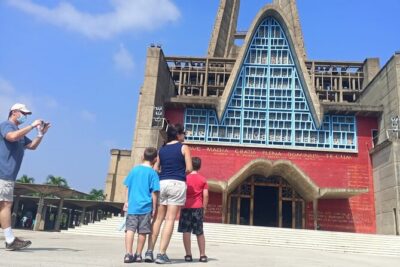
Half Day Dominican Republic Cultural Tour : Small Group
Read our review →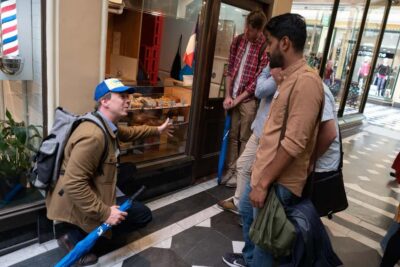
Ultimate Melbourne Walking Tour: History, Laneways & Culture
Read our review →
Tromsø: Sámi Reindeer Sledding and Sami Cultural Tour
Read our review →
Kyoto Gion: 2-Hour Geisha Culture & History Walking Tour
Read our review →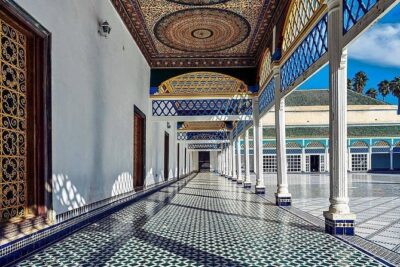
Marrakech Historical and Cultural Tour – Half Day City Tour
Read our review →Browse the lists this tour appears in