
Review · MARMARA REGION
Turkish Delight Workshop History, Tasting, Making Experience
Sweetness with a story. This 90-minute Istanbul workshop turns Turkish Delight into more than a souvenir, with hands-on lokum making and a clear look at its Ottoman roots. I like the small groups, limited to 10, and I like the warm teaching style of hosts such as Lina and Jahan.
You taste classic, rose, and creamy lokum before taking part in syrup and starch preparation. The main limitation is important: the batch you help make needs time to rest, so you cannot eat it or take it home. You do receive a 200-gram box of Hacı Bekir lokum, but the session is about learning, not leaving with your own freshly made batch.
Key points at a glance
- A 250-year Istanbul story: Follow Turkish Delight from the Ottoman Palace to its place in modern Turkish food culture.
- Three traditional tastes: Compare classic, rose-flavored, and creamy lokum while learning how each differs.
- Real participation: Help with syrup preparation and starch blending instead of only watching a demonstration.
- Professional finishing work: See prepared lokum cut and coated, then try parts of the process yourself.
- Small-group setting: With no more than 10 people, the class allows room for questions and conversation.
- A respected take-home gift: Each participant receives 200 grams of classic Hacı Bekir Turkish Delight, from a producer established in 1777.
Why this sweet workshop is worth your Istanbul afternoon
Turkish Delight is easy to buy across Istanbul. It is much harder to understand what makes good lokum different from a sticky box grabbed at the airport. This workshop gives you that missing context.
You learn how the sweet moved from Ottoman court culture into everyday Turkish life and then became known around the world as Turkish Delight. That story gives the tasting purpose. Instead of simply deciding that one piece is softer or sweeter, you begin to notice the ingredients, texture, flavor, and finish.
I especially like the balance between talk and activity. A long food lecture would grow tiring, and a quick cooking demonstration would feel thin. Here, the 90-minute schedule gives you history, tasting, preparation, cutting, and coating without turning the afternoon into a full cooking course.
The setting also matters. The experience takes place in Istanbul, close to major sights such as the Blue Mosque, according to the practical feedback from the sessions. That makes it easy to place before or after sightseeing in the historic center. You can use it as a planned cultural stop, not an activity that demands an entire day.
More Workshops and Classes in Istanbul:
- Dubai Evening Heritage Safari by Vintage G Class Al Marmoom Oasis
★ 5.0 · 1,500 reviews - Undiscovered Charleston: Half Day Food, Wine & History Tour with Cooking Class
★ 5.0 · 948 reviews - Amsterdam: 3-Course Meal in Historic 1st Class Waiting Rooms
★ 4.5 · 292 reviews
Starting with the Ottoman story of lokum
The workshop opens with an introduction to the 250-year history of Turkish Delight in Istanbul. You hear how lokum became linked with Ottoman palace life and how it later gained international fame under its English name.
This is useful background because Turkish Delight has a curious place in food culture. It is both a simple sweet and a symbol of Turkey. Its ingredients may be modest, but the preparation, patience, and presentation give it a special role in Turkish hospitality and gift-giving.
The host explains the subject in English or Turkish, and the small format should make it easier to ask about unfamiliar terms or ingredients. Lina has led sessions with a warm, funny style, while Jahan has helped with the organization and instruction. The experience seems to rely heavily on the host’s personality, which is good news here because the strongest feedback centers on clear explanations, patience, and friendly conversation.
I would not book this expecting a formal culinary-school lecture. It is more personal and conversational. That suits most people, but anyone wanting exact commercial production figures, a professional kitchen certificate, or advanced confectionery training should choose a more technical class.
Three lokum flavors, three different lessons
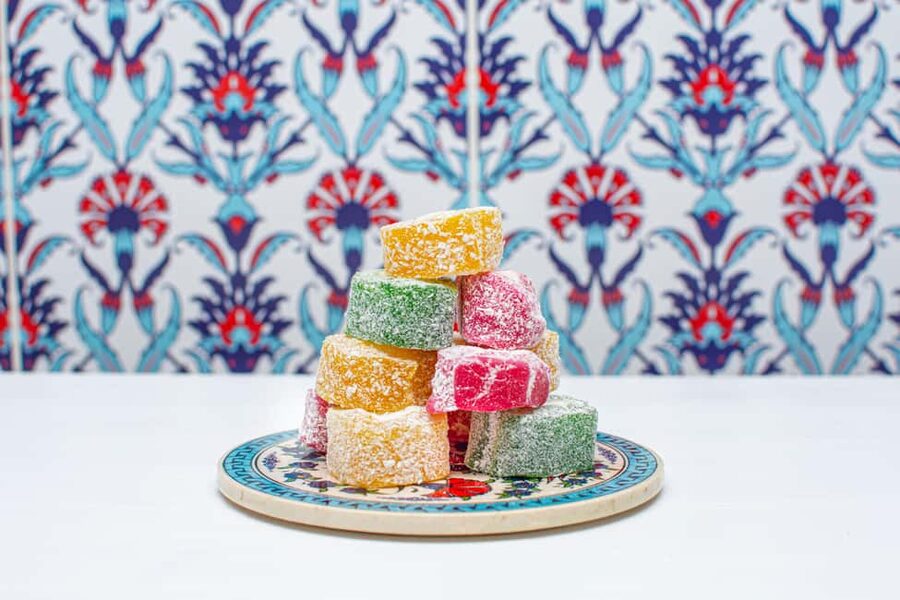
The tasting includes three varieties: classic, rose-flavored, and creamy lokum. This is one of the most useful parts of the session because it gives you a reference point before you start handling the ingredients.
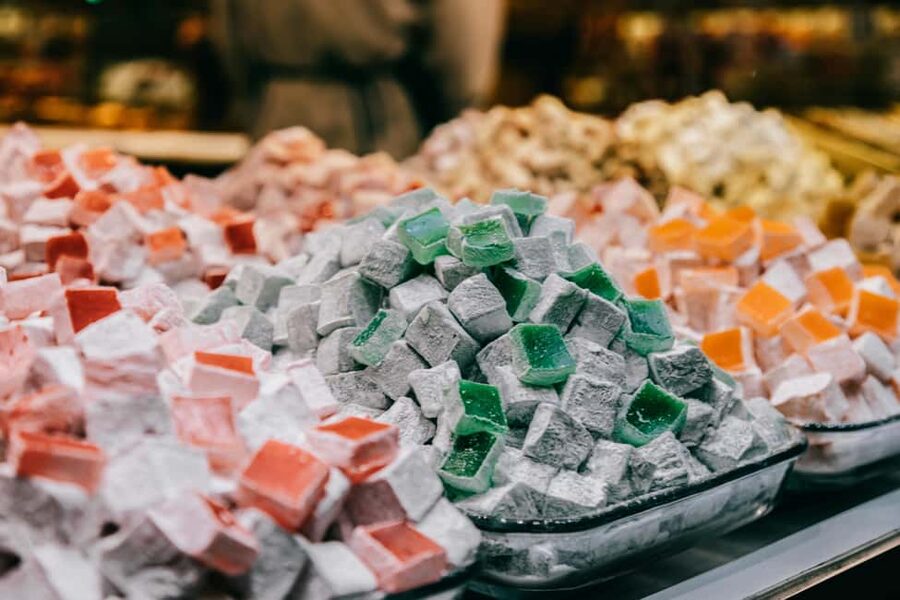
The classic version shows the basic character of lokum. Its appeal comes from the soft, yielding texture and gentle sweetness rather than a complicated flavor list. If you have only tried packaged Turkish Delight covered in too much sugar, this tasting helps you judge the sweet on its own terms.
Rose lokum offers a more distinctive flavor. It is floral and traditional, and it helps explain why rose became such a familiar taste in Turkish sweets. I would take small bites and let the texture change in your mouth. Lokum is not meant to be rushed.
The creamy variety gives you another point of comparison. Its texture and flavor differ from the classic and rose versions, helping you see how small changes can alter the entire experience. The host explains the ingredients and cultural background of each type, so the tasting is not just a plate of sweets passed around the room.
Come with an open mind if you are unsure about rose flavor. It is one of the most recognizable lokum styles, but floral sweets can divide a group. The three-sample format lets you compare rather than commit to one flavor.
Making the syrup and starch mixture
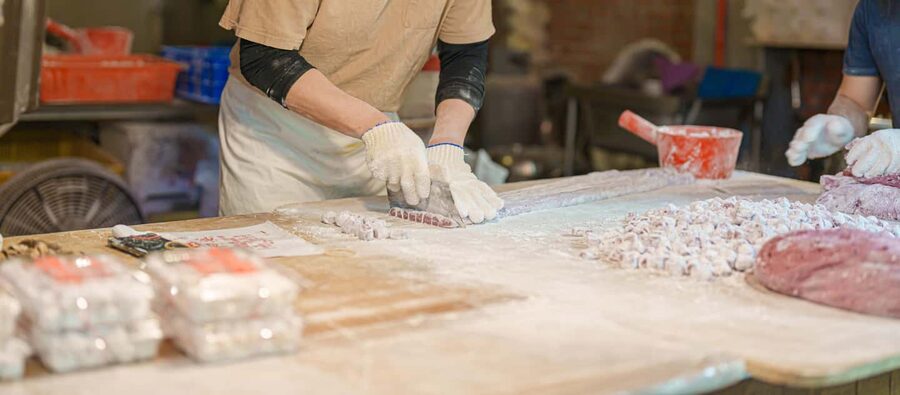
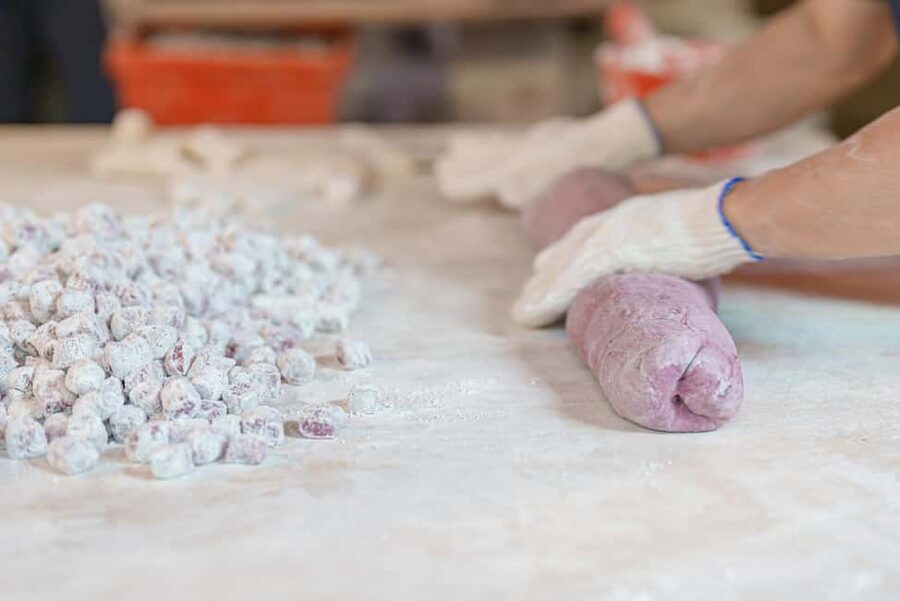
The practical portion begins with the traditional preparation process. You watch and join the work of preparing the syrup and blending the starch. This is where the workshop becomes more than a tasting.
The ingredients need careful handling, and the process requires physical effort. One session participant specifically noted that whisking takes arm power. That is a small but useful warning: you will not spend the entire class standing back while someone else works.
The hands-on nature suits beginners. You do not need previous cooking experience, and the host explains the stages as you go. The process is straightforward enough to follow, but it still gives you a better sense of why lokum takes time and patience.
The key point is that your mixture cannot be eaten during the class. Lokum needs a resting period before it reaches the right texture, so the batch prepared in the workshop stays behind. This may disappoint children or anyone expecting to leave with a freshly cut box of their own work.
I see this as a fair trade. Letting you eat unfinished lokum would give the wrong idea about the finished sweet. You get to understand the labor without pretending that a 90-minute class can replace the full production timeline.
A few more history tours around Istanbul worth a look
- Istanbul Gedikpasa Historical Turkish Bath with Privacy Option
★ 5.0 · 1,285 reviews - Istanbul: Acemoglu Historical Turkish Bath w/Private Options
★ 4.6 · 1,190 reviews - Istanbul: Gedikpasa Historical Hammam with Privacy Add-On
★ 4.8 · 918 reviews - Istanbul Historical Tour with Guide, Lunch and Transfers
★ 4.5 · 561 reviews
Cutting and coating prepared lokum
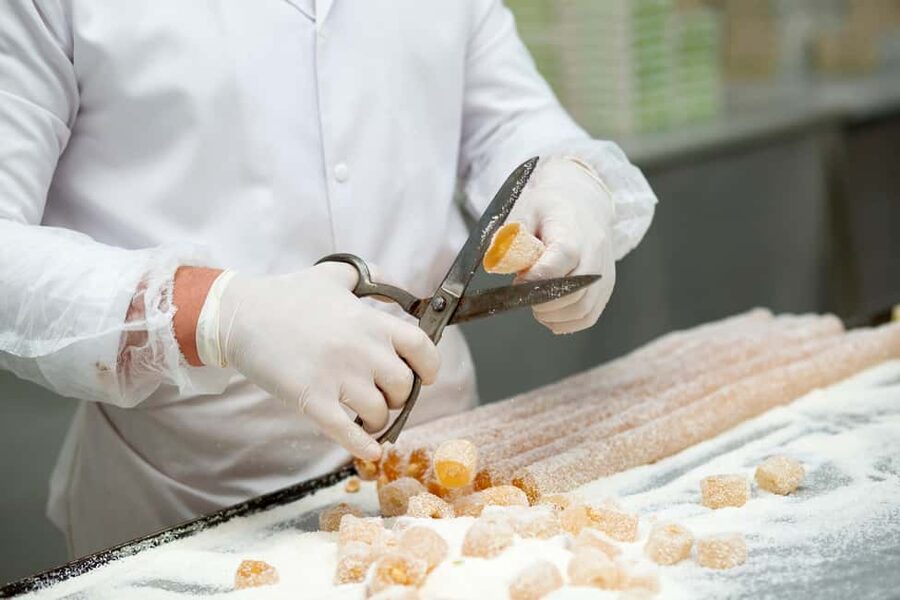
The final production stage uses professionally prepared lokum. You see how the set sweet is cut and coated, and you can join parts of that process.
This stage makes the finished product easier to appreciate. Lokum looks simple in a shop window, but clean cutting and even coating affect how it feels to eat and how well it keeps its shape. The coating also prevents pieces from sticking together.
The demonstration gives you a visual finish to the earlier work. First you learn the story, then taste examples, then help with preparation, and finally see what the rested product should look like. That order makes sense and keeps the class moving.
Do not mistake the cutting portion for a production shift. You are learning the technique, not preparing a commercial order. The real value is seeing the difference between a soft confection in the mixing stage and a finished piece ready to serve.
Hacı Bekir and the 200-gram gift box
Each participant receives 200 grams of classic Turkish Delight from Hacı Bekir Efendi. The producer dates its Istanbul origins to 1777, giving the gift a direct link to the long history discussed during the workshop.
This improves the value of the experience. You do not take home the batch you helped prepare, but you still receive a proper box of finished lokum. It also gives you a useful final taste after the class, when you can think back to the preparation and notice the texture more carefully.
The box is a modest gift rather than a large shopping haul. At 200 grams, it is easy to carry and suitable for sharing or taking home. If you want several boxes for family and friends, you should budget separately for additional purchases, since extra food and personal expenses are not included.
Some sessions have also included Turkish coffee and even a small handmade coffee cup as an extra kindness from the host. Those additions are not listed as guaranteed parts of the experience, so treat them as a pleasant possibility, not a reason to book.
A friendly format for couples, families, and solo visitors
The group limit of 10 is a major strength. A class this size gives you a better chance to handle ingredients, ask questions, and speak with the host instead of watching from the back.
The activity suits couples and adult families especially well. One family enjoyed it with a 20-year-old son, and the format also worked well for people meeting other participants from different countries. It is a social activity without requiring you to be highly outgoing.
The age information needs a little care. The formal suitability guidance says the experience is not for children under 15, yet some past sessions have welcomed younger children with a patient host. If you are considering bringing a child under 15, ask before booking rather than assuming an exception will apply.
The workshop is not suitable for wheelchair users. You should also tell the host about food allergies or dietary restrictions in advance. Alcohol and drugs are not allowed, and no extra food or drinks are promised as part of the price.
What the $39 price really buys
At $39 per person, the workshop costs more than simply buying a box of lokum in Istanbul. The price makes sense only if you want the story, instruction, tasting, and social setting along with the sweet.
You receive:
- A 90-minute guided experience
- Historical instruction about Turkish Delight
- Three tastings
- Participation in syrup and starch preparation
- Cutting and coating instruction
- A 200-gram Hacı Bekir gift box
- Guidance from a local English or Turkish-speaking host
I consider that reasonable for a small-group cultural activity near Istanbul’s major historic sights. The value is strongest for someone who likes food traditions and wants an activity with a clear beginning, middle, and end.
It is less worthwhile if you only want cheap sweets. You can spend far less at a shop, and this class does not send you home with the batch you make. The price pays for access to the process and the host, not for a large quantity of dessert.
The booking terms also reduce some risk. You can cancel up to 24 hours before the activity for a full refund, and you can reserve now while paying later. Check the available start times, especially if you are fitting the class between the Blue Mosque and other historic-center sights.
Practical tips for getting the most from the class
Arrive ready to take part. The workshop is not a show where you sit quietly for 90 minutes. You will handle parts of the process, and whisking can require more effort than expected.
Eat lightly beforehand, but do not arrive hungry. You will taste three types of lokum, yet this is not a full meal. Additional food and drinks are not included.
Tell the host about allergies before the session. This matters especially because you will taste several varieties and work near the ingredients.
If you are visiting Istanbul in bad weather, keep this activity in reserve. Past sessions have made a rainy afternoon feel useful, and the indoor format gives you a break from sightseeing without losing contact with local culture.
I would also schedule it near other historic sights rather than across town. The activity lasts only 90 minutes, and its location near the Blue Mosque area makes it easy to combine with a morning or afternoon in old Istanbul. Exact meeting details and starting times should be checked when you book.
Who should book this Istanbul workshop?
I would choose this for food lovers, history fans, couples, solo visitors, and families with older children. It is also a good choice if you want a small-group activity that feels more personal than a large sightseeing tour.
It fits first-time visitors because the host explains the basics clearly. It also suits repeat visitors who have already seen Istanbul’s headline monuments and want a closer look at one part of Turkish daily culture.
I would skip it if you dislike sweets, cannot take part in a standing or hands-on cooking activity, or expect to leave with the lokum you personally made. The process is the point, and the gift box is separate from your workshop batch.
Should you book it?
Book this experience if you want to understand Turkish Delight rather than simply buy it. The combination of Ottoman history, three tastings, real preparation work, and a Hacı Bekir gift gives the afternoon a clear sense of purpose.
The strongest reasons to go are the small group, the patient hosts, and the chance to compare lokum before making it. Just remember the central limitation: your batch needs to rest and does not come home with you.
For $39, I think it offers good value for an intimate Istanbul food experience, especially when placed beside a visit to the Blue Mosque and nearby sights. It is a sweet class, but it is also a lesson in patience, tradition, and the difference between a souvenir and a food culture.
FAQ
How long does the Turkish Delight workshop last?
The experience lasts 1.5 hours.
What flavors of Turkish Delight are included in the tasting?
You taste classic, rose-flavored, and creamy Turkish Delight.
Can I take home the Turkish Delight I make?
No. The lokum prepared during the workshop needs a resting period, so it is not consumed or taken home.
What gift is included?
Each participant receives a 200-gram box of classic Turkish Delight from Hacı Bekir Efendi, established in 1777.
Is previous cooking experience required?
No. The activity is designed for beginners and does not require prior cooking experience.
What languages are available, and how large is the group?
The workshop is available in English and Turkish, with groups limited to 10 participants.
Just added around Istanbul
- Istanbul: Hagia Sophia History Museum Entry with Audio Guide★ 4.1 · 102 reviews
- Istanbul: Full-Day Heritage Tour★ 4.3 · 30 reviews
- Istanbul: Historic Sifa Turkish Bath in Sultanahmet Square★ 4.7 · 46 reviews
- Istanbul: Acemoglu Historical Hammam Entry Ticket★ 4.4 · 36 reviews
- Istanbul: Ancient Town of Constantinople Guided Tour★ 3.8 · 21 reviews
- 2-Day Private Istanbul: Old City + Food Tour (Tickets+Tastings)★ 5.0 · 31 reviews
- Istanbul : Historical Turkish Bath Experience in Old City★ 4.5 · 47 reviews
- Istanbul City Walk: Colors, Culture & History Fener Balat Tour★ 5.0 · 56 reviews
Workshops, compared.
Dubai Evening Heritage Safari by Vintage G Class Al Marmoom Oasis
Read our review →
Undiscovered Charleston: Half Day Food, Wine & History Tour with Cooking Class
Read our review →
3-Course Meal in Historic 1st Class Waiting Rooms
Read our review →
Sip History Cocktail Making Class w Drinks Incl.
Read our review →
Cooking Class in a Historic Home in the Heart of Brindisi
Read our review →
Historic Market Food Tour and Biscuit Cooking Class
Read our review →
Hanoi’s Heritage: Embroidery Workshop in Ancient House
Read our review →Browse the lists this tour appears in