
Review · LAZIO
Rome: Introduction to the Colosseum and Ancient City Tour
Ancient Rome comes alive stone by stone. This 2.5-hour tour combines entry to the Colosseum with guided visits to the Roman Forum and Palatine Hill, then gives you time to look around these vast ruins at your own pace. I like the licensed live guides and the radio headsets, which make it easier to follow the story in a crowded monument. I also like the mix of guided explanation and free time, since Rome’s ancient center is too large to appreciate by simply marching from stop to stop.
The main drawback is practical: the meeting point can be crowded and confusing, and the tour is non-refundable. You must bring a passport or ID card, provide the full names of everyone in your booking, and leave oversized luggage behind. Those details matter here. The Colosseum will not guarantee entry without proper identification.
Key points to know before booking
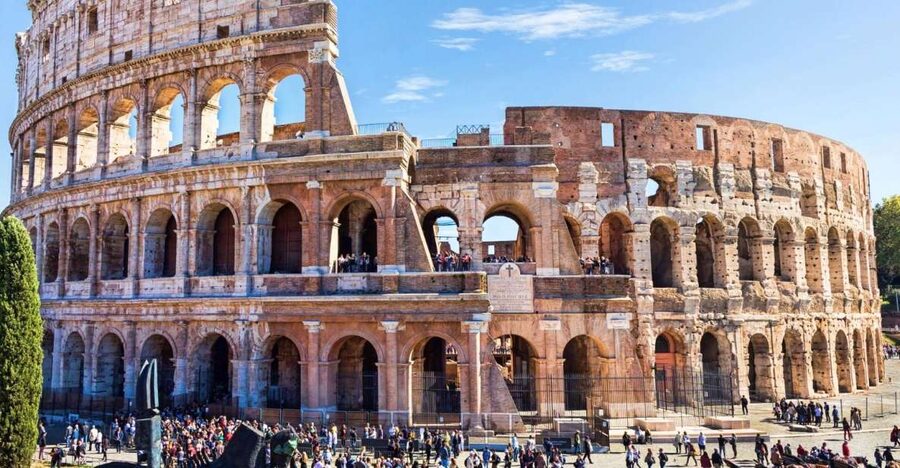
- The Colosseum is the first major stop: Learn how the arena was built, used, and engineered for crowds of about 50,000 people.
- The Forum and Palatine Hill receive guided attention: You will see the political, religious, social, and financial center of ancient Rome, along with panoramic views of the Colosseum.
- The tour ends at Trajan’s Column: This famous monument of Roman victory and power gives the visit a clear final point.
- Headsets are included: Radios and earphones help you hear the guide while walking through busy archaeological areas.
- ID is mandatory: Bring a passport or ID card for every participant, including children, and make sure all full names are listed on the booking.
- You keep some freedom: After the guided portion, you can explore the monuments at your own pace.
Entering the Colosseum and understanding its purpose
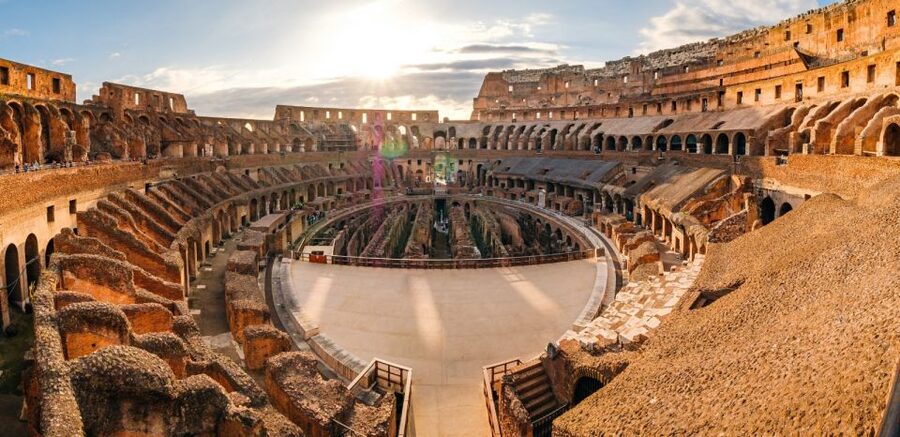
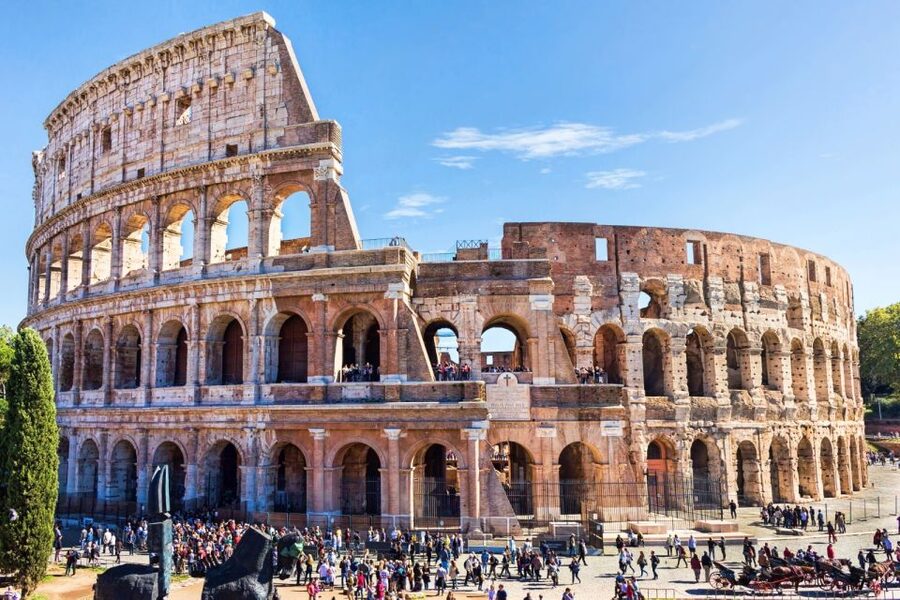
The Colosseum is not just a giant photo stop. It was a carefully planned public machine, built by the Flavian Dynasty as a gift to Roman citizens, a way to win public favor, and a showcase for Roman engineering.
Your guide begins by putting the building into that political setting. The arena could hold around 50,000 spectators and had more than 80 entrances. That number was not an accident. Roman planners needed to move a huge crowd in and out with speed, keeping entrances, seating areas, and social divisions organized.
I find this kind of explanation more useful than a list of dates. Once you understand that the Colosseum was both entertainment venue and political tool, the building makes more sense. It was a public gift, but also a carefully staged display of imperial power.
The arena hosted festivals and games that could continue for as long as 100 days. Your guide discusses gladiators and the role they played in these spectacles, along with the engineering that made the shows possible. The stories about gladiators are likely to be a major draw for families and first-time visitors, but the building itself deserves equal attention.
Look beyond the famous oval shape. The Colosseum shows how Rome handled crowds, movement, spectacle, and public messaging all at once. The guide’s job is to connect those pieces while you are standing inside the monument, where the scale is easier to grasp.
The included radios and headsets are a real help. Ancient sites can be noisy, and the group may spread out as people stop for photographs. A headset lets you listen without standing shoulder to shoulder with the guide at every moment.
The tour includes access to the Colosseum and a skip-the-ticket-line arrangement. That does not mean you should arrive casually at the last minute. Give yourself enough time to find the correct meeting point, especially since the tour office can be crowded and several groups may gather in the same area.
One useful food tip comes from the meeting area: there is an excellent pizza and sandwich place across the street, slightly to the left when you face it. That is handy before or after the visit, but do not bring food or drinks into the archaeological areas. Food, alcohol, aerosols, glass objects, sharp items, and oversized luggage are not allowed.
More Ancient History Tours in Italy
- Colosseum: Underground and Ancient Rome Tour
★ 4.7 · 12,691 reviews - Colosseum & Ancient Rome with Arena Floor Option I Max 6 People
★ 5.0 · 3,306 reviews - Rome: Colosseum, Ancient Rome Tour or AudioGuided Tour
★ 4.4 · 2,879 reviews
Walking through the Roman Forum
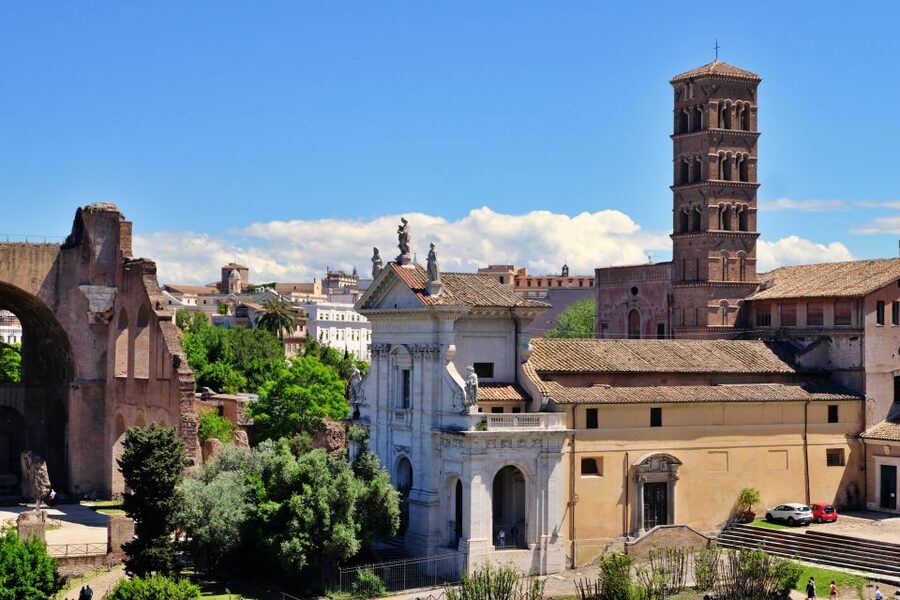
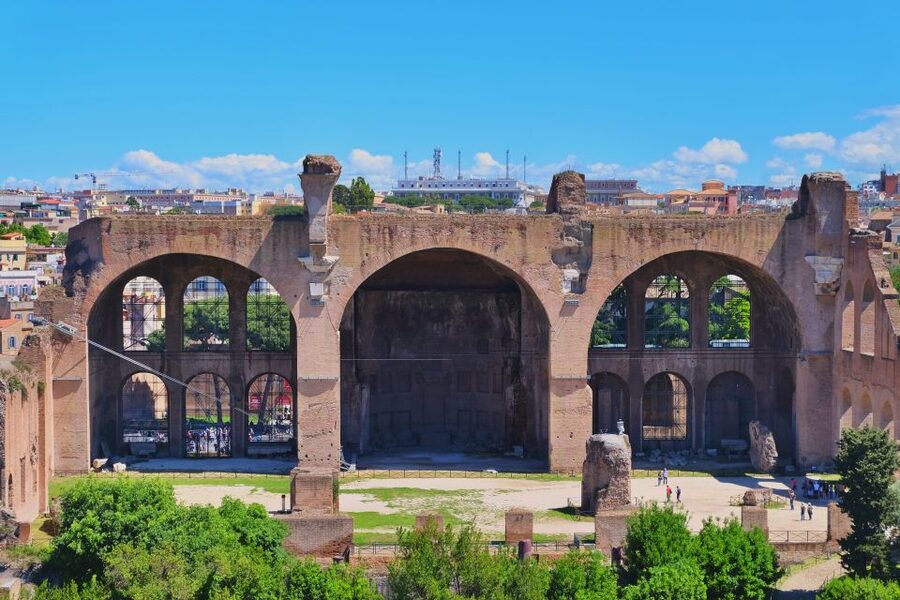
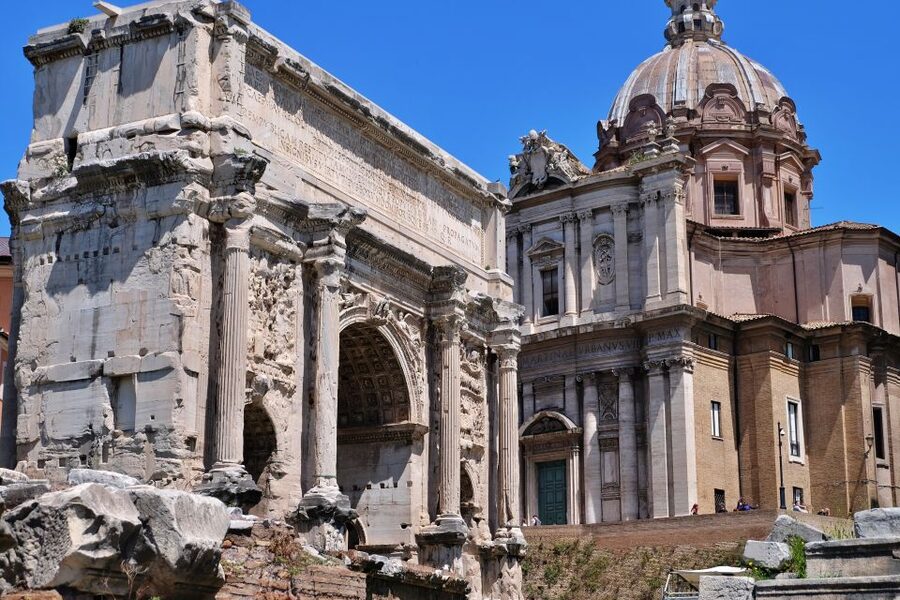
After the Colosseum, the tour continues into the Roman Forum. This was the working center of Roman life, not a quiet ruin field. Politics, business, religion, legal matters, and ordinary daily life all met here.
The Forum can be hard to read without help. Broken columns and partial walls give you clues, but the original functions of the buildings are not always obvious. A guide helps you connect the remains to the people who used them, from senators and officials to poor residents and beggars.
I like the social angle of this part of the tour. The Forum was not reserved for emperors. People from very different levels of Roman society crossed paths here for business, politics, worship, and personal errands. That makes the site feel less like a collection of stones and more like a public center filled with arguments, deals, ceremonies, and daily routines.
Expect uneven ground and a fair amount of walking. The tour lasts 2.5 hours in most months, so the pace needs to balance explanation with movement. In July and August, the stated visit time is reduced to two hours, likely making the schedule easier in the heat. Even then, you should wear comfortable shoes and bring only what you can carry.
The guide also introduces myths and legends connected with Ancient Rome. These stories add color, but listen for the difference between legend and historical evidence. Rome’s foundation stories are part of the city’s identity, even when they cannot be treated as straightforward fact.
The Forum is also where the tour’s headset becomes especially helpful. Ruins spread across a large area, and the guide may explain a building while you are standing several steps away. You can look closely at the remains without losing the thread of the commentary.
The guided visit does not mean every minute is tightly controlled. One of the best features is the chance to enjoy the Forum and Palatine Hill at your own pace after the guided portion. That works well for people who want to linger over a view, take photographs, or study a particular ruin without being rushed to the next stop.
Palatine Hill and Rome’s oldest layers
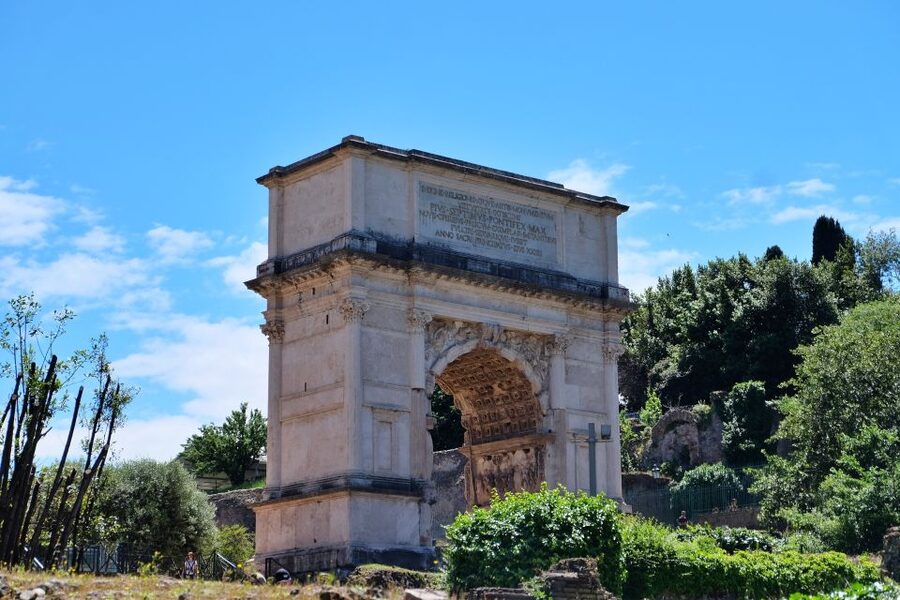
Palatine Hill adds a different scale to the visit. The hill is linked with the foundation of Rome and contains layers from several periods, beginning with ruins from the early kingdom in the seventh century BCE.
You will also encounter remains from the Roman Republic and the Imperial period, including the large palace connected with Emperor Domitian. The site did not stop changing after ancient Rome. The Farnese family left its mark during the Renaissance, and Mussolini’s presence in the 20th century is also part of the hill’s story.
That long sequence is one of the most interesting parts of the tour. Palatine Hill is not only about the height of imperial Rome. It shows how one important place was reused and reinterpreted across centuries.
From the hill, you get panoramic views toward the Colosseum and the surrounding ruins. This is a good place to pause, since the views help you understand how the ancient center fits together. You can see why this area was so important, while also noticing how much of Rome’s ancient core has disappeared.
The hill can feel less immediately clear than the Colosseum. The arena has a strong shape and a simple identity. Palatine Hill asks you to imagine buildings from fragments. That is exactly where a guide adds value.
The tour’s strongest guides appear to be those who combine facts with a friendly manner. Alessandro Palma is praised for giving detailed explanations, adding curious facts, and keeping the presentation attentive and personable. Catherine is also praised for a French-language small-group visit with precise explanations and visual aids. These comments suggest that guide quality can make a major difference, especially at Palatine Hill, where context is essential.
Languages offered are English, French, German, Italian, and Spanish. If you are booking a particular language, check the available option carefully. The meeting point may change depending on the option you choose.
Ending at Trajan’s Column
The tour ends at Trajan’s Column, a major symbol of Roman victory and imperial power. This gives the route a useful finish instead of leaving you somewhere inside the archaeological area with no clear sense of where the visit has ended.
Trajan’s Column is famous for its carved spiral relief, which tells the story of the emperor’s campaigns. The column is a reminder that Roman monuments were built to communicate strength and success, not simply to decorate the city.
Ending here also brings the tour back to one of its main ideas: Rome used architecture and public monuments to shape how people understood power. The Colosseum presented imperial generosity and control of mass entertainment. Trajan’s Column presented military victory. Together, the stops show how public buildings carried political messages.
The exact route and meeting details can vary with the option booked, so read your confirmation closely. This is especially important if you are choosing between languages or different starting times.
More Ancient History Tours in Rome
- Colosseum Underground & Ancient Rome Guided Tour
★ 4.5 · 2,590 reviews - Pantheon Elite Guided Tour – Rome’s Iconic Ancient Temple
★ 5.0 · 1,447 reviews - Ancient Rome: Colosseum Underground Group Tour
★ 4.5 · 1,059 reviews - Colosseum Express Guided Tour and Ancient Rome Admission Included
★ 4.0 · 1,008 reviews
What $58 gets you
At $58 per person, this is not the cheapest way to see the Colosseum. You are paying more than the basic archaeological entrance fee. The adult entrance fee is listed as €16, plus a €2 reservation fee, while children under 18 enter free. The remaining cost covers the licensed guide, audio equipment, reservation arrangements, and tour services.
The value depends on how much help you want. If you are comfortable reading signs, researching before arrival, and finding your own way through a large archaeological area, you may prefer a basic ticket. If this is your first visit to Rome, the guided interpretation can make the extra cost worthwhile.
I especially see value in the Forum and Palatine Hill portion. The Colosseum is easy to identify and photograph, but the surrounding ruins demand more explanation. Without context, you can walk past an important structure and see only a wall. A good guide gives the remains a purpose.
The rating of 4.8 from 75 reviews reflects a strong overall response, with particular praise for guide quality and clear explanations. Suzanne from the United States gave special praise to her certified guide’s ancient history knowledge, humor, patience, and care. She also noted that the tour office itself was crowded and difficult to sort out. That is a useful warning, not a reason to reject the tour.
The French-language experience led by Catherine was a small group of eight, with precise explanations and visual material. Group size can vary by option, so do not assume every departure will be that small. Still, this gives you a sense of what a well-run departure can feel like.
The tour is non-refundable, so book only when your schedule is firm. The full names of all participants are needed, and incomplete booking information can put entry at risk. Bring ID for every person, including children. A passport or ID card is required at the entrance.
Timing, comfort, and who should book
The standard duration is 2.5 hours. That is long enough to cover the three main areas without turning the visit into a full-day commitment. In July and August, the duration is two hours, so you will have less time for explanations and independent wandering.
The site involves outdoor walking and ancient surfaces. The provided information does not promise special accessibility arrangements, and electric wheelchairs are not permitted. If mobility is a concern, check the current conditions before booking rather than assuming the route will suit you.
This experience suits you best if you:
- Want a first organized introduction to Ancient Rome
- Prefer a live guide over reading a guidebook
- Want the Colosseum, Forum, and Palatine Hill in one visit
- Like hearing myths, political stories, and engineering details
- Appreciate some independent time after the main explanation
- Can manage a 2 to 2.5-hour outdoor archaeological visit
It may not suit you if you need a flexible cancellation policy, plan to carry luggage, or prefer to explore entirely alone. It is also a poor fit if you arrive without the required ID. The rules are strict, and missing documents can mean missing the site.
Should you book this Colosseum tour?
I would book this tour if you want the ancient center explained in a clear, organized way and you value a guide who can connect the Colosseum to the Forum, Palatine Hill, and Trajan’s Column. The strongest reasons are the licensed guides, headsets, included entrance, and free time after the guided portion.
I would skip it only if you are a confident independent sightseer who wants the lowest possible price or needs refundable plans. For most first-time visitors, $58 is a reasonable price for three major Roman sites and live interpretation, provided you arrive with the right ID, complete participant names, and no oversized luggage.
FAQ
How long does the tour last?
The tour lasts 2.5 hours. In July and August, the visit lasts two hours.
What languages are available?
Live guides are available in English, French, German, Italian, and Spanish.
Does the tour include Colosseum entry?
Yes. Entrance to the Colosseum is included, along with visits to Palatine Hill and the Roman Forum.
Are radios and headsets provided?
Yes. Radios and headsets are included so you can hear the guide more clearly.
Do I need to bring identification?
Yes. Every participant must bring a passport or ID card, including children. Entry cannot be guaranteed without identification.
Do I need to provide participant names?
Yes. The full names of all participants are required. Incomplete information can put entry at risk.
Can I bring a suitcase?
No. Oversized luggage is not allowed, and no suitcase storage compartment is available.
Is the activity refundable if I cancel?
No. The activity is non-refundable.
More Ancient Rome and Colosseum Tours in Rome
- Rome: Colosseum with Arena, Roman Forum and Palatine Guided Tour
★ 4.0 · 5,598 reviews - Colosseum with Arena, Roman Forum and Palatine Hill Guided Tour
★ 4.5 · 3,526 reviews - Rome: Colosseum Arena, Roman Forum & Palatine Hill Tour
★ 4.5 · 1,874 reviews - Colosseum, Roman Forum & Palatine Hill Guided Tour
★ 4.5 · 1,568 reviews
Just added around Rome
- Rome: Private Colosseum Experience and Ancient Ruins Tour★ 4.6 · 25 reviews
- Rome Secrets: Dark History & Tasty Bites Tour★ 5.0 · 37 reviews
- Rome: Guided Tour of Colosseum and Ancient Rome★ 4.9 · 74 reviews
- Rome: Rome at Night Evening Historical Walking Tour★ 4.9 · 24 reviews
- Rome: Colosseum with Access to Arena Floor and Ancient Rome★ 4.2 · 320 reviews
- Rome: Food Tour of the Historic Center with Rooftop Spritz★ 4.7 · 43 reviews
- Rome: Five Shapes of Pasta Cooking Class in Ancient Tavern★ 5.0 · 102 reviews
- Rome: Guided Group Colosseum & Ancient City Tour★ 4.8 · 62 reviews
Ancient Rome & Colosseum Tours, compared.
Colosseum: Underground and Ancient Rome Tour
Read our review →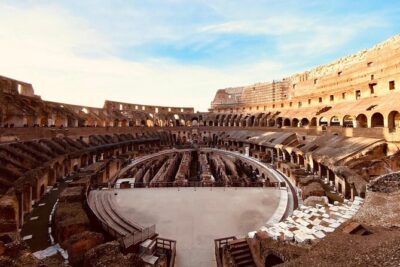
Colosseum with Arena, Roman Forum and Palatine Guided Tour
Read our review →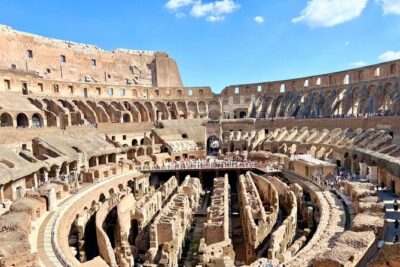
Colosseum with Arena, Roman Forum and Palatine Hill Guided Tour
Read our review →
Colosseum & Ancient Rome with Arena Floor Option I Max 6 People
Read our review →
Colosseum, Ancient Rome Tour or AudioGuided Tour
Read our review →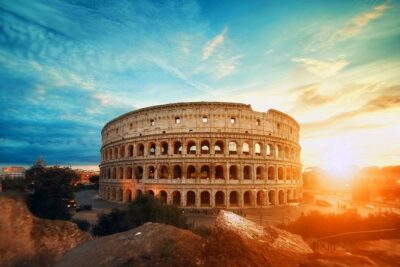
Colosseum Underground & Ancient Rome Guided Tour
Read our review →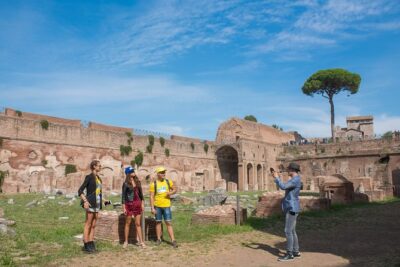
Colosseum Arena, Roman Forum & Palatine Hill Tour
Read our review →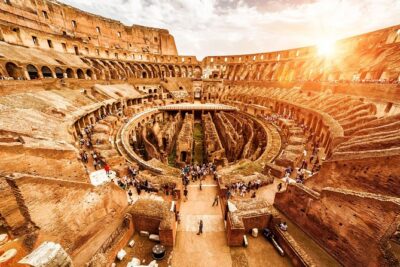
Colosseum, Roman Forum & Palatine Hill Guided Tour
Read our review →Browse the lists this tour appears in