
Review · QUEBEC
Quebec City’s History in Virtual Reality
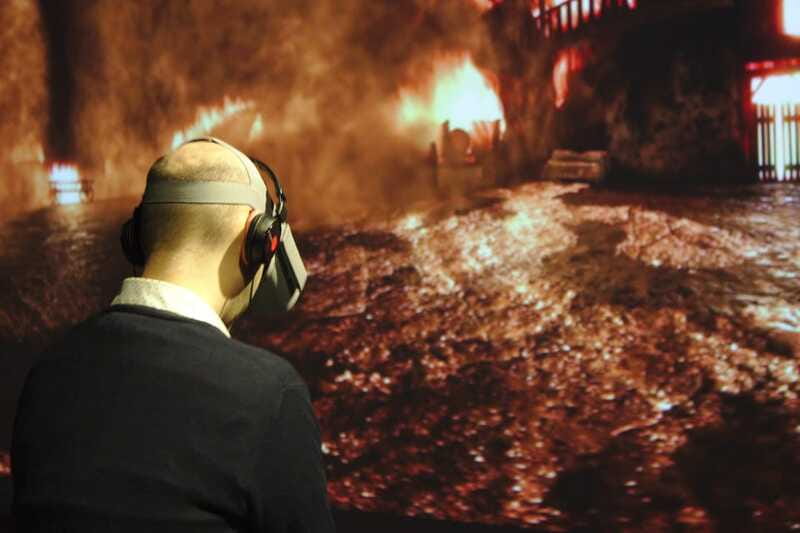
History comes alive in a stone vault. This 40-minute virtual reality experience uses 3D animation, historical images, and audio to explain Quebec City through 10 key moments spanning more than 400 years. I like the small-group setting and the fact that you remain seated throughout, making this an easy activity between walks through Old Quebec.
I also like the setting: the experience takes place in the vaults of Maison Chevalier, a historic building dating to 1752. The main drawback is that some of the visual technology may feel dated, and one recent visitor found the music too loud for the narration.
Key points at a glance
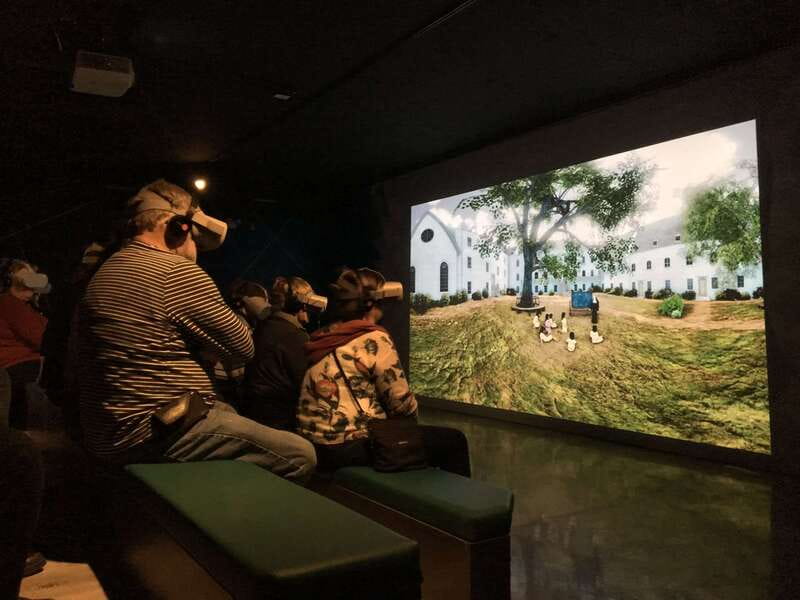
- Ten turning points: The program presents Quebec City through 10 important moments rather than trying to cover every event.
- A seated experience: You wear a virtual reality projection headset while remaining seated for the full 40 minutes.
- Historic setting: The activity takes place in the old vaults of Maison Chevalier, dating from 1752.
- A useful history lesson: More than 6,200 hours of research and programming went into the presentation.
- Audio choices: Narration is available in English, French, Spanish, and Chinese through the included audio guide.
- Good value at $19: The price is modest for a focused history activity, especially in central Old Quebec.
Starting in the vaults of Maison Chevalier
Your visit begins at Maison Chevalier, one of the older buildings in Quebec City. The experience is located in the historic vaults, and the entrance to Immersion Quebec is the door on the left near the sidewalk.
That location matters. You are not watching a history program in a modern cinema or a generic attraction space. You begin in an old stone setting connected to the city’s past, then use modern equipment to look further back through time. The contrast is part of the appeal.
The presentation is designed for a small number of people. The exact group size is not specified, but the setting should feel more focused than a large sightseeing tour. You do not need to keep up with a walking guide or find a good position in a crowded room.
You receive a virtual reality projection headset, then remain seated while the program runs. That makes the activity especially practical if your feet need a break after exploring Old Quebec. It also suits anyone who prefers a calm, contained attraction instead of another outdoor tour.
A few more history tours around Canada worth a look
- Victoria Guided Food and History Tour
★ 5.0 · 2,015 reviews - Gastown Historic Walking Food Tour
★ 5.0 · 1,863 reviews - Vancouver: Gastown Historical Walking Food Tour
★ 4.8 · 539 reviews
Ten moments across more than 400 years
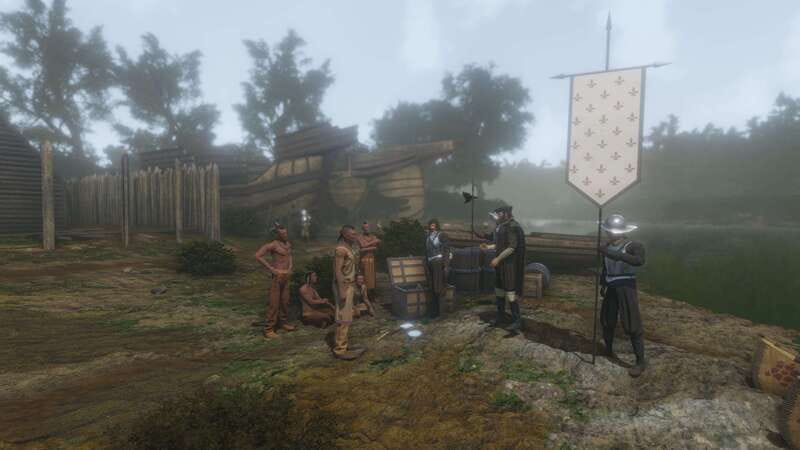
The central idea is simple: Quebec City’s story is told through 10 key moments. Rather than giving you a long list of dates, the experience selects turning points that help explain how the city developed and why it is known today.
The program covers more than 400 years of history. You can expect the story to move through major changes in the city, its people, and its role in the region. The supplied material does not name each of the 10 moments, so I would not arrive expecting a detailed stop-by-stop lecture on every neighborhood or monument.
What you do get is a broad historical framework. This is useful early in your stay, when you are still trying to understand what makes Quebec City different from other North American cities. Afterward, the stone buildings, fortifications, churches, and public spaces around Old Quebec should have more meaning.
The emphasis is also on the reasons Quebec City is well known today. The program connects the city’s past with its identity, rather than treating history as a collection of disconnected battles and dates. That approach makes the experience suitable for first-time visitors who want an introduction before walking around on their own.
How the virtual reality presentation works
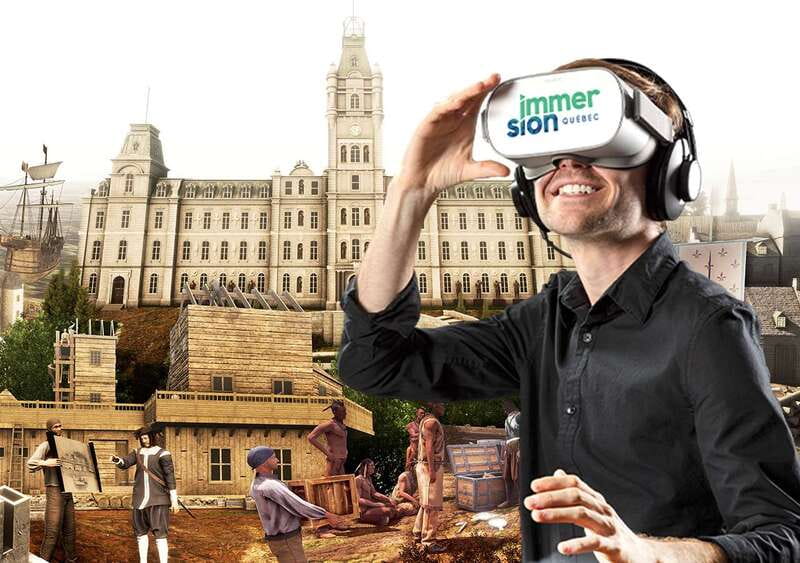
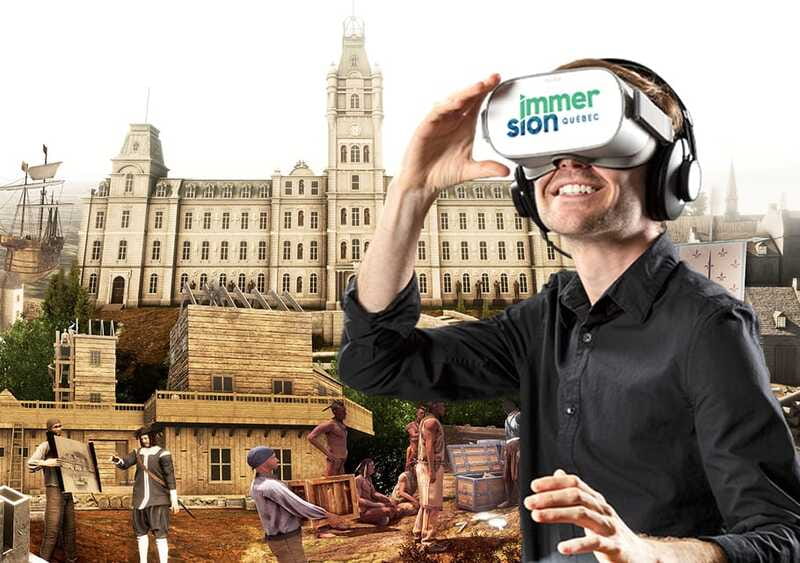
You remain seated for the full 40 minutes, wearing the included headset as the history unfolds. The presentation combines 3D animation with images and narration, creating a visual timeline instead of a conventional museum display.
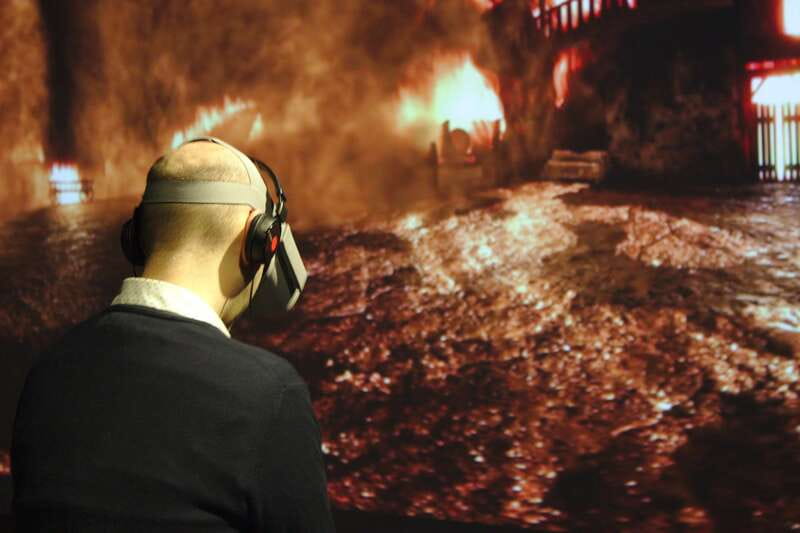
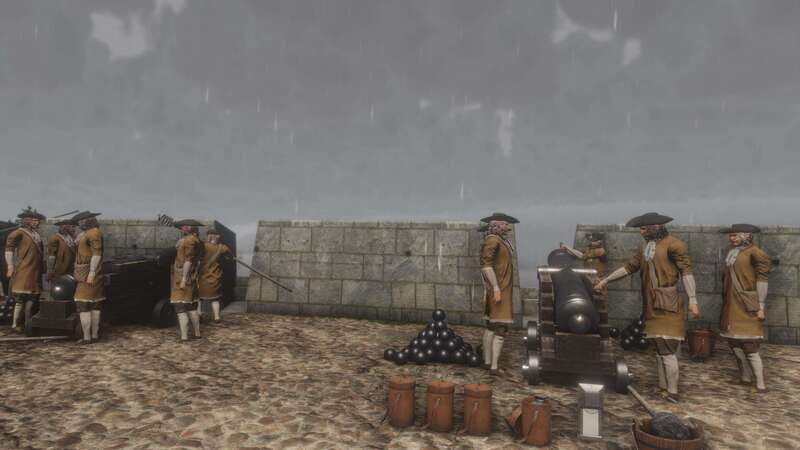
The 3D work is intended to help you picture historic events and settings. One particularly successful part, according to the supplied comments, is the treatment of battles for the city. Reenactments help you visualize events that can be difficult to understand from a plaque or printed paragraph.
That is an important strength. Military history often becomes a blur of names and dates. Animated scenes can give you a clearer sense of how events might have looked and why certain moments mattered.
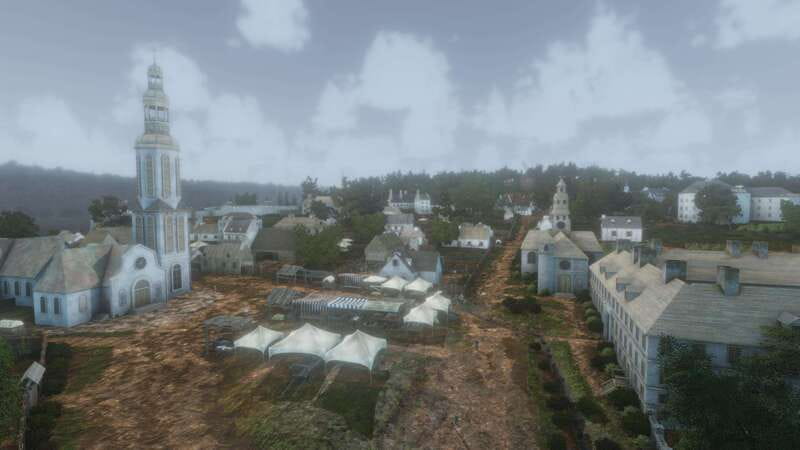
The technology is not the newest available. A visitor in October 2024 found some images blurry and felt that the people and buildings were not detailed enough. The same comment suggested combining the 3D material with more detailed drawings or real photographs.
I think you should set your expectations accordingly. This is a historical presentation supported by virtual reality, not a cutting-edge video game. If you care most about new technology and razor-sharp graphics, you may notice its age. If you care more about getting a clear introduction to Quebec City’s past, the format still has a practical purpose.
Audio, narration, and language choices
The audio guide is included, and the available languages are English, French, Spanish, and Chinese. The instructor languages are English and French, so check the language arrangement when you book if this detail matters to you.
The narration carries much of the historical information. You are not moving between exhibits or reading labels, so clear sound is important. One highly positive comment noted that the experience was educational and entertaining, while another praised the way the events became easier to picture.
There is one sound-related caution. A March 2025 visitor enjoyed the program but found the music too loud and had trouble hearing the narration. That does not mean you will have the same problem, but it is worth remembering that the soundtrack is an active part of the presentation.
If you have trouble following speech over music, ask about the volume before the program begins. You may also want to pay close attention during the opening instructions, since you will be seated and using equipment rather than walking from one stop to another.
Same place, a different slice of the past:
- Evening Gourmet Tour 5 Course Dinner – History and Food in Old Quebec City
★ 5.0 · 496 reviews - Quebec City: Old Quebec Historical Walking Tour
★ 4.8 · 409 reviews - Combo Historical and Food Tour of Old Quebec
★ 5.0 · 360 reviews - Pete’s Historic Walking Tour
★ 5.0 · 321 reviews
Why the research matters
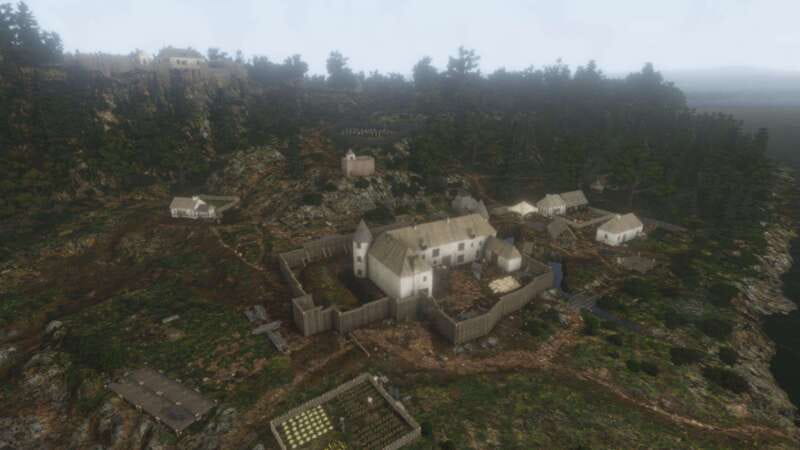
The production involved more than 6,200 hours of research and programming. That is a substantial amount of work for a 40-minute attraction, and it helps explain why the experience aims to do more than show attractive historic scenes.
The research effort matters most in the way the 10 moments are selected and connected. You are not simply looking at old buildings. You are being shown how different events helped shape Quebec City’s public identity.
A 40-minute program cannot tell the complete story of the city. It must choose what to leave out. In this case, the format favors a broad, visual explanation over a long academic discussion.
That makes it a good first layer of understanding. You can use it to prepare for walks through the historic center, then spend more time on the subjects that interest you. It is less suited to someone who already knows Quebec City well and wants specialist-level detail.
The historic setting adds real value
The Maison Chevalier vaults are not just a meeting point. They give the activity a physical connection to the city’s past. The building dates back to 1752, so the experience begins in a place that belongs to the period of Quebec City’s older built environment.
The result is a useful blend of old and new. The room provides the physical atmosphere, while the headset supplies scenes and images that the room itself cannot show. You get a history lesson in a historic space, rather than a technology demonstration separated from the city around you.
I would schedule this activity while you are already exploring Old Quebec. The exact walking distance from your hotel or another attraction is not provided, but the meeting point is in the historic area. Since the program lasts only 40 minutes, it can fit neatly between other plans.
The seated format also gives you a break from uneven streets and long walks. That is a small detail, but it can make a difference during a full day of sightseeing.
Is $19 a fair price?
At $19 per person, this is reasonably priced for a central Quebec City attraction lasting 40 minutes. The value depends on what you want from it.
If you want a short, structured introduction to Quebec City, the price works well. You receive the headset and audio guide, and the program combines history, animation, and a historic setting. You are paying for a focused presentation rather than a full-day activity.
The price is less compelling if you judge it only as a technology attraction. The visuals may look dated to some people, and the 40-minute duration is brief. You should not expect a long museum visit or a full guided tour of the city.
For families, couples, and first-time visitors, I think the cost is easier to justify. It gives you context before you explore the city in person. For repeat visitors or history specialists, the value depends on how much of the material is already familiar.
The rating is 4.5 from 141 ratings, with repeated praise for the educational content, the battle scenes, and the mix of learning with entertainment. The less positive comments focus on blurry images and sound balance, not on the basic idea of the experience.
Who should book this experience?
I would recommend it most strongly to first-time visitors who want a fast introduction to Quebec City. You get the broad story without committing to a long walking tour or a dense museum visit.
It also suits families and mixed-age groups. The visual format may hold attention better than a traditional lecture, while the seated setup reduces physical demands. The program is available in several audio languages, which can help groups with different language needs.
History fans should enjoy the subject matter, especially the sections dealing with battles and major turning points. Still, you should think of this as an overview. The supplied information does not promise specialist detail about individual buildings, political figures, or neighborhoods.
I would be more cautious if your main reason for booking is advanced virtual reality technology. The program uses 3D animation and images, but at least one assessment found the visuals blurry and not detailed enough. The history may be the stronger reason to attend.
Practical timing and booking advice
The activity lasts 40 minutes, and starting times depend on availability. That short length makes it easy to place in a day of sightseeing, but I would avoid scheduling it too close to another fixed booking. You need time to find the entrance and settle in before the presentation begins.
The entrance is the door on the left near the sidewalk at the Maison Chevalier vaults. Look for Immersion Quebec rather than expecting a large modern attraction entrance.
You can cancel up to 24 hours in advance for a full refund. The reserve-now, pay-later option lets you hold a place without paying immediately, which is useful when your Quebec City plans are still shifting.
The activity has skip-the-ticket-line access. That can save time, although it does not change the 40-minute duration or guarantee a particular starting time without checking availability.
Final recommendation: a useful history break
You should book Quebec City’s History in Virtual Reality if you want a short, seated introduction to the city’s past, especially before exploring Old Quebec on foot. The historic Maison Chevalier vaults, clear 10-part structure, battle reenactments, and modest $19 price give it genuine value.
Go in expecting a thoughtful history presentation supported by older 3D technology, not a brand-new digital spectacle. If you can accept occasional blurry images and keep an eye on the narration volume, this is an enjoyable way to understand why Quebec City matters before you continue sightseeing.
FAQ
How long does Quebec City’s History in Virtual Reality last?
The experience lasts 40 minutes.
How much does the experience cost?
The price is $19 per person.
Do I remain seated during the experience?
Yes. You remain seated throughout the full presentation.
Where does the experience take place?
It takes place in the historic vaults of Maison Chevalier, a building dating back to 1752.
Which languages are available?
The instructor languages are English and French. The included audio guide is available in Spanish, Chinese, English, and French.
What is included in the price?
A virtual reality headset is included.
Can I cancel for a full refund?
Yes. You can cancel up to 24 hours in advance for a full refund.
Can I reserve now and pay later?
Yes. You can reserve your spot and pay nothing at the time of booking.
Just added around Canada
- Ottawa : Historic Tour of the Ottawa Jail Hostel★ 4.7 · 78 reviews
- Kingston: Historic Downtown Walking Tour★ 4.3 · 24 reviews
- Quebec City: Historical Walking and Tasting Tour★ 4.8 · 70 reviews
- Halifax: Georges Island National Historic Site Ferry Ticket★ 4.9 · 28 reviews
- Gatineau: Canadian Museum of History Admission★ 4.8 · 230 reviews
- Discover Ancient Pictographs – Guided Canyon Hiking Tour 3H★ 5.0 · 18 reviews
- Charlottetown: Historical Architecture Guided Walking Tour★ 5.0 · 71 reviews
- Calgary: Heritage Park Historical Village Admission Ticket★ 4.7 · 236 reviews
Canada History Tours, compared.

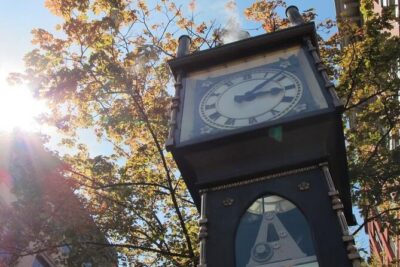

Vancouver: Gastown Historical Walking Food Tour
Read our review →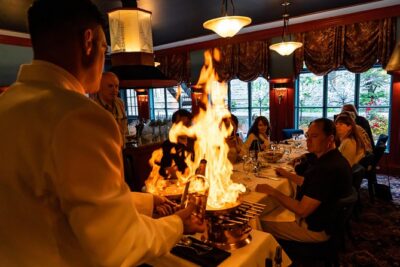
Evening Gourmet Tour 5 Course Dinner – History and Food in Old Quebec City
Read our review →

Browse the lists this tour appears in