Review · KIGALI PROVINCE
Kigali City Tour: History, Art and Local Highlights.
Kigali tells its story in layers. This half-day tour links the Kigali Genocide Memorial, Mount Kigali Forest, Nyamirambo, Imbuga City Walk, Niyo Arts Center, and Kimironko Market, giving you a useful first look at Rwanda’s capital. I like the local guide-led format and the fact that hotel pickup, transport, bottled water, and Rwandan lunch are included. My main caution is that the quality depends heavily on your assigned guide, and lunch timing may not always match your appetite.
I also like the mix of serious history, daily life, crafts, art, and city views. Guides such as Jerry, Jeremiah, and Oliver have earned strong praise for their city knowledge, friendly manner, and ability to explain Kigali beyond its main streets. Still, communication can vary, and one poor experience involved limited commentary, a missed lunch, and English that was hard to follow.
Five useful things to know before booking
- The Kigali Genocide Memorial takes 1.5 hours: This is the tour’s most important stop and the place where you will need time, quiet, and emotional readiness.
- Kimironko Market is a real local stop: Expect vendor interaction, Made-in-Rwanda crafts, and a chance to see how people shop and work.
- Your guide matters a great deal: Jerry, Jeremiah, and Oliver were praised by name, but guide quality has not been perfectly consistent.
- Lunch is included, but confirm the timing: One customer did not eat until 4 p.m., while others praised the meal.
- The tour is full for four to six hours: Six stops, driving, and lunch make this an active outing rather than a slow wandering day.
Why this Kigali tour works well for a first day
Kigali is spread across rolling hills, with winding streets and neighborhoods that feel distinct from one another. A private or small guided outing, if that is how your booking is arranged, can save you the trouble of figuring out how to connect these areas yourself. The stated service includes a professional local driver-guide, hotel pickup and drop-off, and English-language guiding.
I see the main value in the combination. You are not simply driven from one photo stop to another. The day moves from Rwanda’s recent past to its art scene, forested slopes, local neighborhoods, public walking space, and market life. That gives you a better sense of how Kigali works now.
At $99 per person, the price is reasonable if you use the full service. You are paying for transport, a guide, bottled water, and lunch, not just admission to one attraction. Museum and other entry fees are not included, so you should allow extra money for those charges. The value is strongest if you want a smooth introduction to Kigali and would otherwise need to arrange several separate rides.
The stated duration is four to six hours. That is a wide window, and the schedule can change depending on traffic, stop length, and lunch timing. With six listed visits, you should expect a fairly active day. If you want long market shopping, a slow gallery visit, and an unhurried lunch, ask about the plan before you set out.
A few more history tours around the world worth a look
- History and Hauntings of Salem Guided Walking Tour
★ 5.0 · 14,564 reviews - Colosseum: Underground and Ancient Rome Tour
★ 4.7 · 12,691 reviews - Lisbon: History, Stories and Lifestyle Walking Tour
★ 4.8 · 10,902 reviews
Starting at the Kigali Genocide Memorial
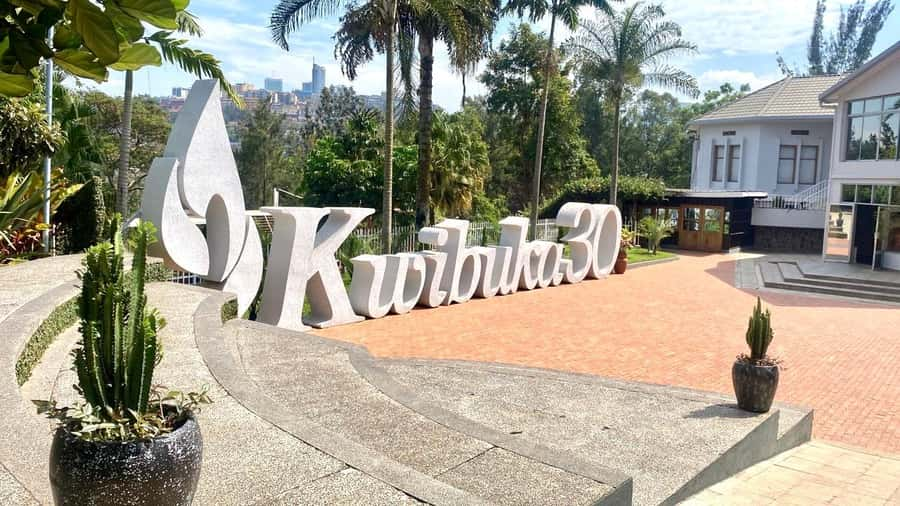
The Kigali Genocide Memorial is the emotional center of the tour. The planned visit lasts about 90 minutes, which is enough to begin understanding the 1994 genocide against the Tutsi and its effect on Rwanda, while still leaving time for the other stops.
This is not a place to rush through with a camera in hand. The visit calls for respectful clothing and a quiet attitude. Short skirts, see-through clothing, and other clothing that may be considered unsuitable are not allowed on the activity. You should also be prepared for difficult material and allow yourself some quiet time afterward.
The memorial gives the rest of the day more meaning. When you later see Kigali’s clean streets, active markets, and modern public spaces, you will have a clearer sense of the country’s effort to rebuild and move forward. I would not treat this stop as a quick box to tick.
Museum entry fees are excluded from the $99 price. Confirm the current cost before booking if you are watching your budget. Even with that extra charge, this is the stop that gives the tour its strongest historical purpose.
Mount Kigali Forest and the city from above
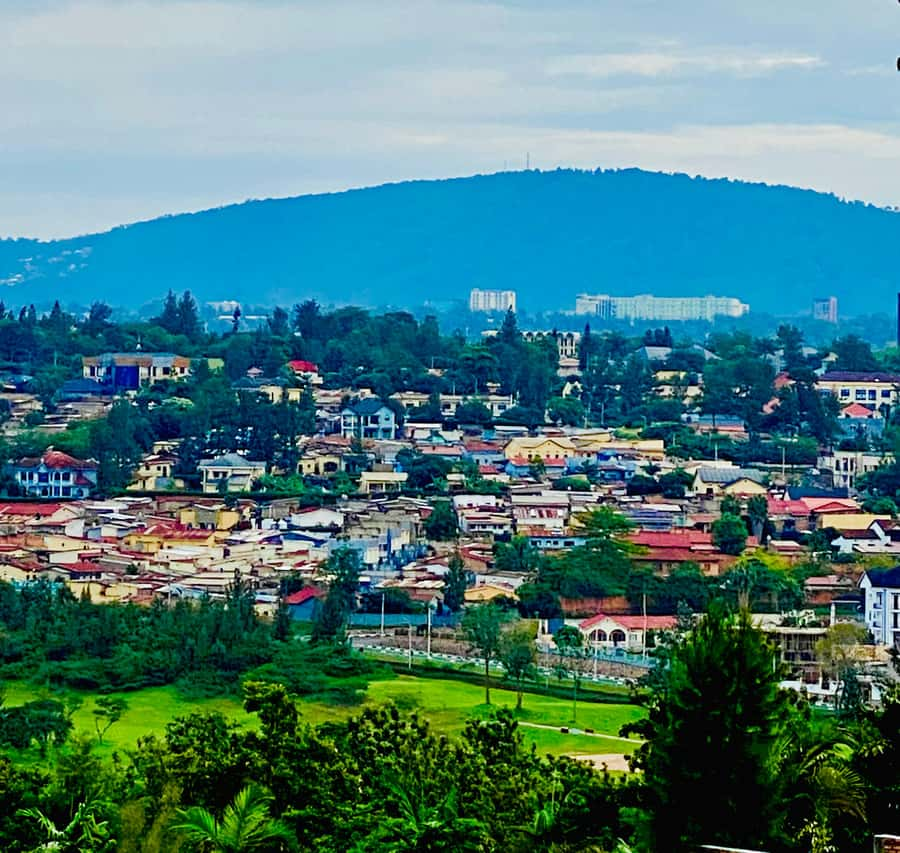
The next visit is Mount Kigali Forest, with about 40 minutes for a guided stop. The description promises a panoramic view of Kigali’s hills and winding streets, but you should keep your expectations measured. One customer felt the promised city view did not fully appear during the tour.
That does not make the stop worthless. The forest offers a change of pace after the memorial, and the higher ground can help you understand Kigali’s shape. You might find that the view depends on the exact stopping point, weather, and visibility on the day.
Bring comfortable shoes, sunscreen, and a hat. You do not need high heels for this outing, and they are specifically discouraged. A camera is useful here, but do not let photographs replace listening to the guide’s explanation of the city.
If wide views are especially important to you, ask your guide early in the day where the best viewpoint will be and how long you will have there. This small question can prevent disappointment.
Nyamirambo: a closer look at everyday Kigali
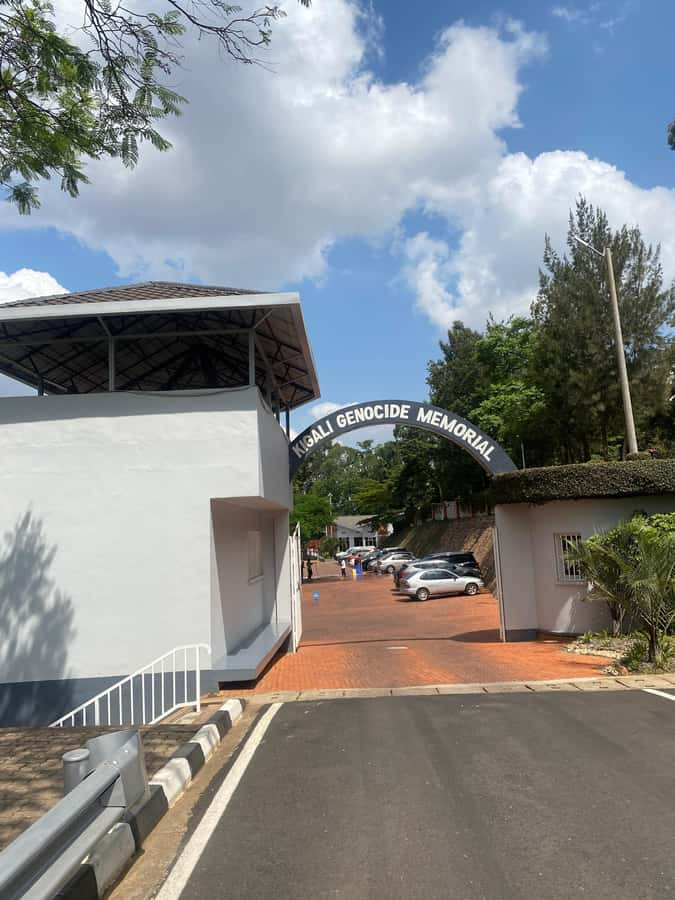
Nyamirambo receives about an hour with a guided visit. This is one of the tour’s most useful stops because it shifts your attention away from official sights and toward a working Kigali neighborhood.
The value here is the local context. You can see the character of the streets, notice how businesses operate, and ask your guide about daily life. The tour promises an experience beyond standard tourist stops, and Nyamirambo is where that promise is most likely to matter.
Your guide’s communication style becomes important here. A strong guide can explain what you are seeing without turning the neighborhood into a stage set. Jerry was praised for being well known around the market, while Jeremiah was described as smart, professional, and full of useful information. Those details suggest the best guides may have genuine relationships in the places they visit.
Still, the service is not perfectly predictable. One customer found the guide spoke very little and offered limited information about Kigali. If your guide is quiet, ask direct questions about the neighborhood, housing, food, shops, and local customs. You will get more from the stop if you take an active part in the conversation.
Same place, a different slice of the past:
- London Small Group Tour of Historical Pubs
★ 5.0 · 10,422 reviews - Prague: Oldtown, Medieval Underground & Dungeon History Tour
★ 4.3 · 10,277 reviews - Charleston’s Old South Carriage Historic Horse & Carriage Tour
★ 5.0 · 10,023 reviews - Edinburgh: Edinburgh Castle Guided History Tour with Tickets
★ 4.8 · 9,933 reviews
Imbuga City Walk and Kigali’s public spaces
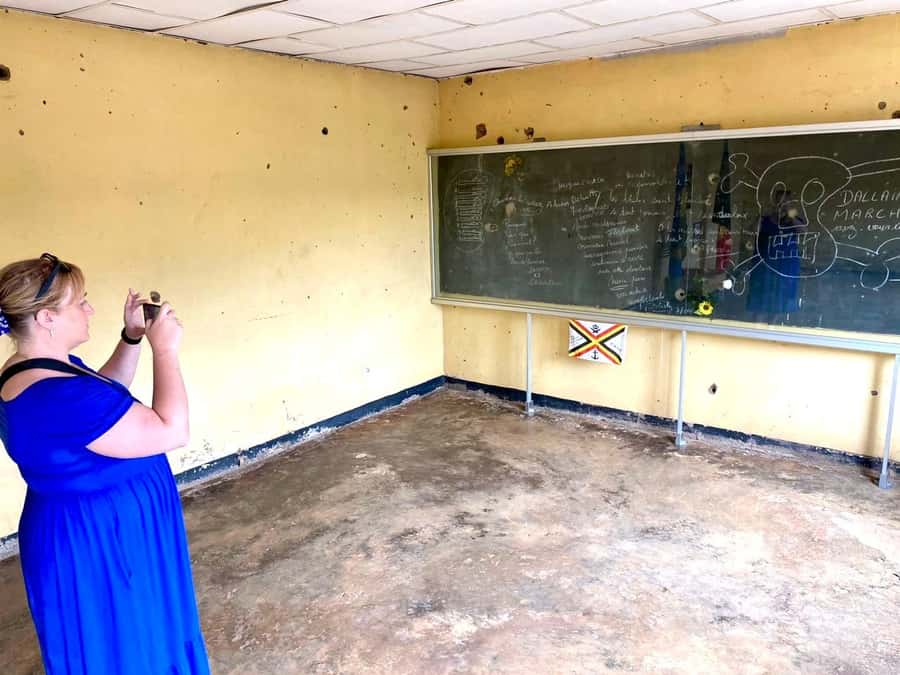
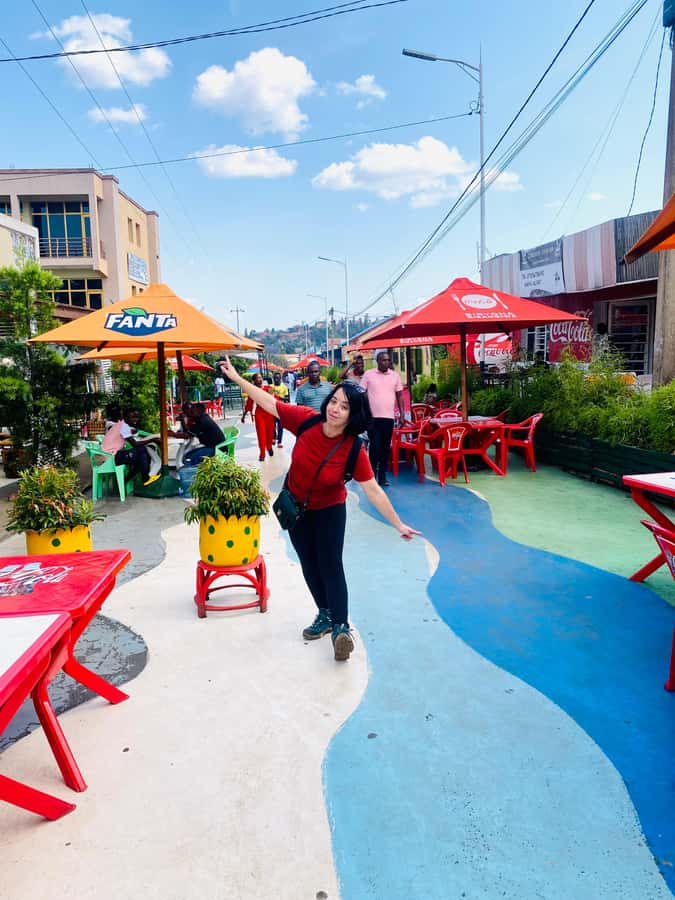
Imbuga City Walk is planned for about 40 minutes. The stop gives you a chance to see Kigali as a city designed for people on foot, not only as a collection of roads viewed through a vehicle window.
This portion should suit you if you enjoy watching ordinary city life. You might see people moving between shops and offices, using public space, or simply going about their day. The experience is less about one major monument and more about how Kigali presents itself in the center.
The walk also breaks up the driving. Wear shoes you can comfortably use for several stops, and carry sunscreen and water even though bottled water is supplied. The activity does not allow smoking, food, or drinks in the vehicle, so use the walking stop or scheduled meal for refreshments.
Because the entire tour can last as little as four hours, the 40-minute estimate may feel short. I would treat Imbuga City Walk as a compact orientation rather than a long stroll.
Niyo Arts Center and the question of local art
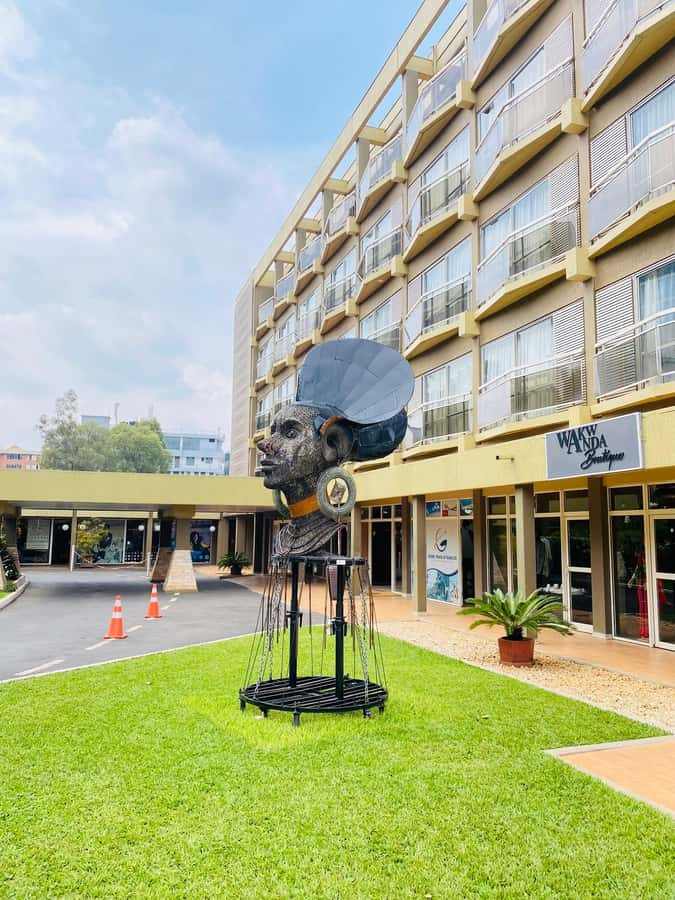
Niyo Arts Center is allotted about 40 minutes. This is the stop designed to bring art and Made-in-Rwanda creativity into the day. You can expect a chance to see local work and learn how art fits into Kigali’s cultural life.
The supplied experience description presents the arts portion as a key feature, but one customer felt there was no real art element during the visit. That is an important warning. The center may be a strong stop with the right guide and timing, but you should ask what will be open and what you will see on the day.
I like the idea of pairing Niyo Arts Center with Kimironko Market. One gives you a more focused look at creative work, while the other shows the practical side of buying and selling. Together, they can help you understand how local craft reaches both residents and visitors.
Do not assume that a 40-minute visit allows a long shopping session. If you want to buy artwork or crafts, ask about available time, accepted payment methods, and how purchases can be packed for travel. Those details are not specified, so it is best to clarify them before you commit to a purchase.
Kimironko Market: the liveliest part of the day
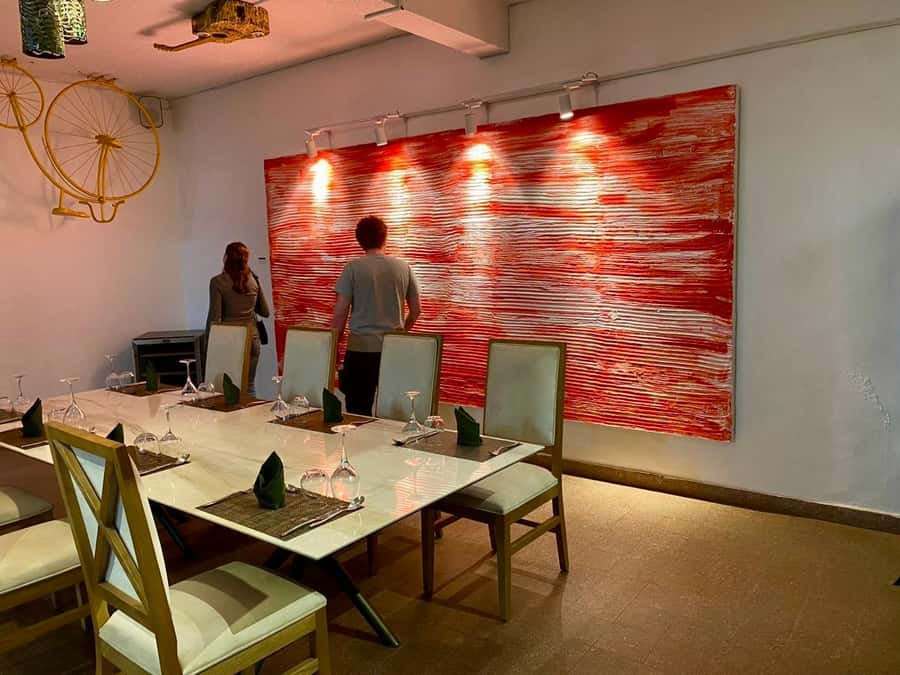
Kimironko Market receives about an hour and is likely to be the most energetic stop. This is where you can meet vendors, browse Made-in-Rwanda crafts, and see a more practical side of Kigali.
A local guide adds real value in a market. You may need help understanding what is being sold, how to approach a stall politely, or how to judge whether an item is intended for daily use, decoration, or a gift. The guide can also help you move through the market without missing its main sections.
The market is a good place to ask questions rather than simply take pictures. Look for the details that explain daily life: what people buy, how produce is displayed, and how local craft goods are presented. Friendly conversation can make the stop feel less like sightseeing and more like a brief connection with the city.
Jerry received especially warm praise for being recognized by people around the market. That kind of familiarity can make a market visit more natural. It is also worth remembering that crowded public places require ordinary care with wallets, phones, and purchases, even though no special security issue is stated for this tour.
Lunch: a welcome inclusion with one important caution
A Rwandan lunch at a local restaurant is included. That is a strong part of the package because it gives you a chance to eat local food without having to search for a restaurant during a tightly scheduled outing. One customer called the lunch very good, and another praised it as part of an enjoyable day.
The timing is the concern. One person reported not eating until 4 p.m. despite saying they were hungry several times. Another person said lunch was not provided at all. Those are serious service issues, even though other experiences were positive.
I would eat breakfast before pickup and carry a small snack for before or after the tour, but remember that food is not allowed in the vehicle. More importantly, tell the guide at the start if you need lunch at a particular time. Ask which stop will come before the meal and whether the schedule can be adjusted.
The package includes lunch, but it does not include breakfast or accommodation. If your tour begins early, breakfast at your hotel is your responsibility.
Guides, vehicles, and the human factor
The strongest praise focuses on the guides. Jerry was described as highly informed and popular around the market. Jeremiah was praised for making the day smoother than simply hiring a regular driver. Oliver was credited with responding to requests and knowing the facts well.
That distinction matters. Kigali is easier to appreciate when someone explains why a neighborhood looks the way it does, what a public space means, or how a market fits into city life. A driver who only points out locations would not offer the same value.
The record is not flawless. One person found the guide’s English difficult to follow, while another said the guide shared very little information. The tour is advertised with an English-speaking guide, but you should still state your expectations clearly: history, art, markets, and time for questions.
Pickup is included from Kigali City hotels or the arrivals area at Kigali International Airport. Your driver-guide is expected to hold a sign with your name or Iriza Tours & Safaris. Be ready 10 minutes early. Drop-off is available at two Kigali City locations.
Practical planning for a four to six hour outing
Wear comfortable shoes, a hat, and sunscreen. Bring a camera and use the bottled water provided. High heels are a poor choice for the forest and walking stops.
Smoking, food, and drinks are not allowed in the vehicle. Drones are also prohibited. Wheelchair users cannot be accommodated, so this is not a suitable choice if you need wheelchair access.
Cancellation is free up to 24 hours before the activity for a full refund, and you can reserve now and pay later. Starting times depend on availability, so check the schedule rather than assuming a fixed departure.
The activity is not suitable for anyone seeking a completely slow, quiet day. Six stops plus driving and lunch can feel full. It is better for someone who wants a broad introduction and accepts that some stops will be brief.
Should you book the Kigali City Tour?
I would book this tour if you have one day in Kigali and want history, neighborhoods, art, a market, and lunch handled in one outing. The $99 price makes sense when the guide is strong and the included transport and meal work as promised. The memorial, Nyamirambo, and Kimironko Market are the best reasons to go.
I would think twice if you need guaranteed wheelchair access, a long art visit, a fixed lunch hour, or a guide whose English and commentary are assured in advance. Contact the provider before booking with three clear questions: who will guide you, when will lunch happen, and which city viewpoint will be used.
The tour’s best quality is its range. Its main weakness is inconsistency. If Iriza Tours & Safaris matches you with a guide like Jerry, Jeremiah, or Oliver, you may get a thoughtful and useful introduction to Kigali rather than a simple car ride between attractions.
FAQ
How long does the Kigali City Tour last?
The tour lasts between four and six hours, depending on availability, timing, and the day’s schedule.
What locations are included?
The tour includes the Kigali Genocide Memorial, Mount Kigali Forest, Nyamirambo, Imbuga City Walk, Niyo Arts Center, and Kimironko Market.
Is hotel pickup included?
Yes. Pickup and drop-off are included in Kigali City. Pickup can also take place at Kigali International Airport arrivals.
What language does the guide speak?
The live tour guide speaks English.
Is lunch included?
Yes. A Rwandan lunch at a local restaurant is included. Breakfast is not included.
Are museum entry fees included?
No. Museum entry fees are not included in the price.
Can I cancel for a full refund?
Yes. You can cancel up to 24 hours in advance for a full refund.
Is the tour suitable for wheelchair users?
No. The activity is not suitable for wheelchair users.
Just added around the world
- Explore Athens Historical Centre by Bike★ 5.0 · 54 reviews
- Athens Full Day Tour: Acropolis, Parthenon & Historic Sights★ 5.0 · 18 reviews
- Day tour to Ancient Olympia,Ancient Sparta Mycenae Including Meal★ 5.0 · 54 reviews
- Biblical Ancient Corinth Canal Epidaurus Nafplio Private Tour★ 5.0 · 27 reviews
- Corinth Canal Cruise, Ancient Corinth & Acrocorinth Private tour★ 5.0 · 36 reviews
- Corinth Canal and Ancient Olympia Private Trip from Athens★ 5.0 · 21 reviews
- Ancient Corinth Half Day Private Tour from Athens★ 5.0 · 34 reviews
- Private Tour of Ancient Corinth, Mycenae and Nafplio★ 5.0 · 26 reviews
Tours, compared.

History and Hauntings of Salem Guided Walking Tour
Read our review →
Colosseum: Underground and Ancient Rome Tour
Read our review →
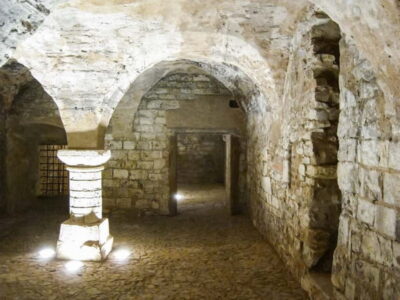
Oldtown, Medieval Underground & Dungeon History Tour
Read our review →
Charleston’s Old South Carriage Historic Horse & Carriage Tour
Read our review →
Edinburgh Castle Guided History Tour with Tickets
Read our review →