Review · DHOFAR
Historical Salalah City Tour
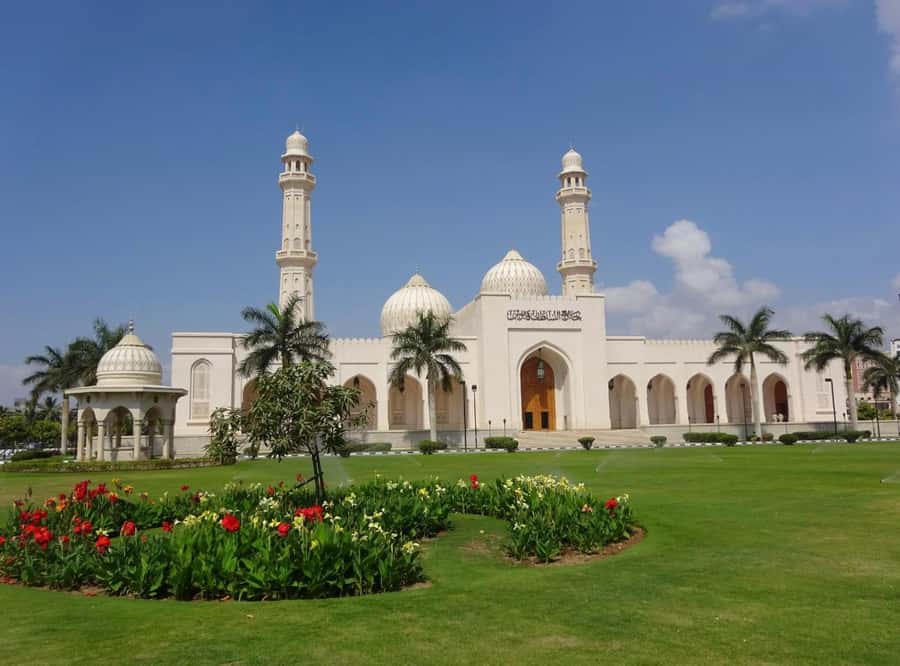
Salalah smells of frankincense and coconuts. This half-day tour gives you a useful first look at Dhofar’s main city, combining Sultan Qaboos Mosque, the Sultan’s Palace, Al Hosn Souq, Al Baleed Museum, fruit plantations, and a free coconut drink. I especially like the local English-speaking guides, who can explain Omani customs rather than simply point out buildings. I also like the comfortable newer vehicles, a welcome touch in Salalah’s warm climate.
The main caution is the pace. The tour is advertised as a half-day outing, but one account described roughly two and a half hours of touring plus about an hour of hotel driving, with some stops feeling brief. At $104 per person, you will want a guide who gives full explanations and uses the available time well.
The Salalah highlights worth knowing first
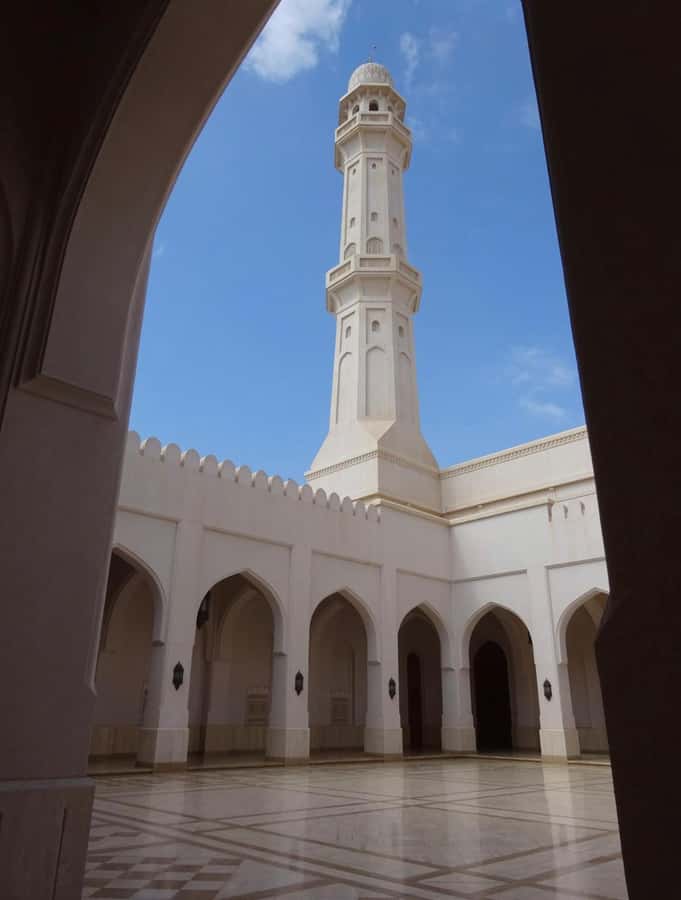
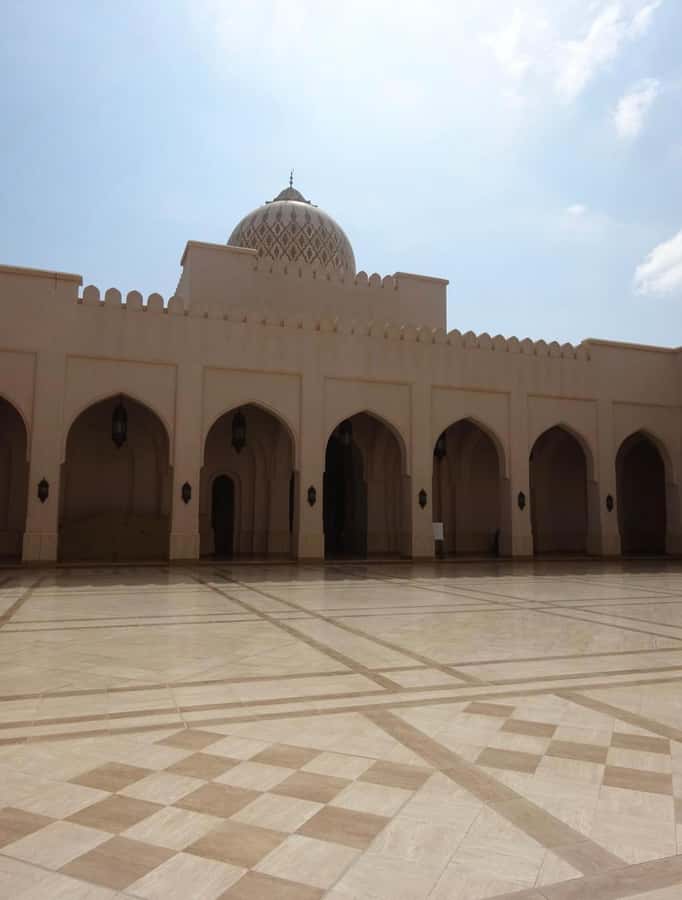
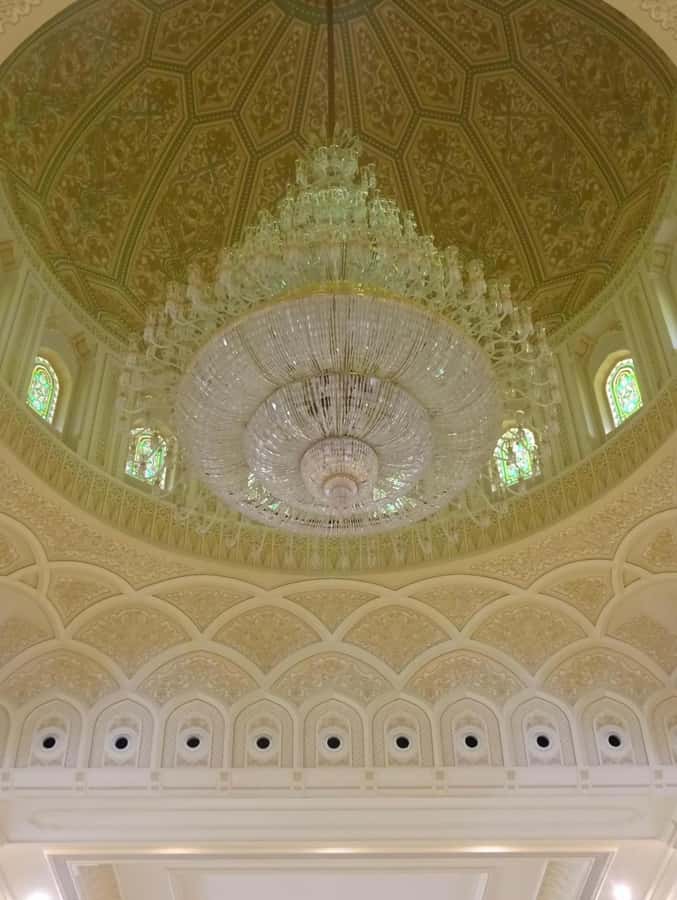
- Sultan Qaboos Mosque: Visit from Saturday to Thursday between 8:30 and 11:00, with strict clothing rules.
- Al Baleed Museum: Learn about Oman’s frankincense trade and the country’s move from older traditions into modern life.
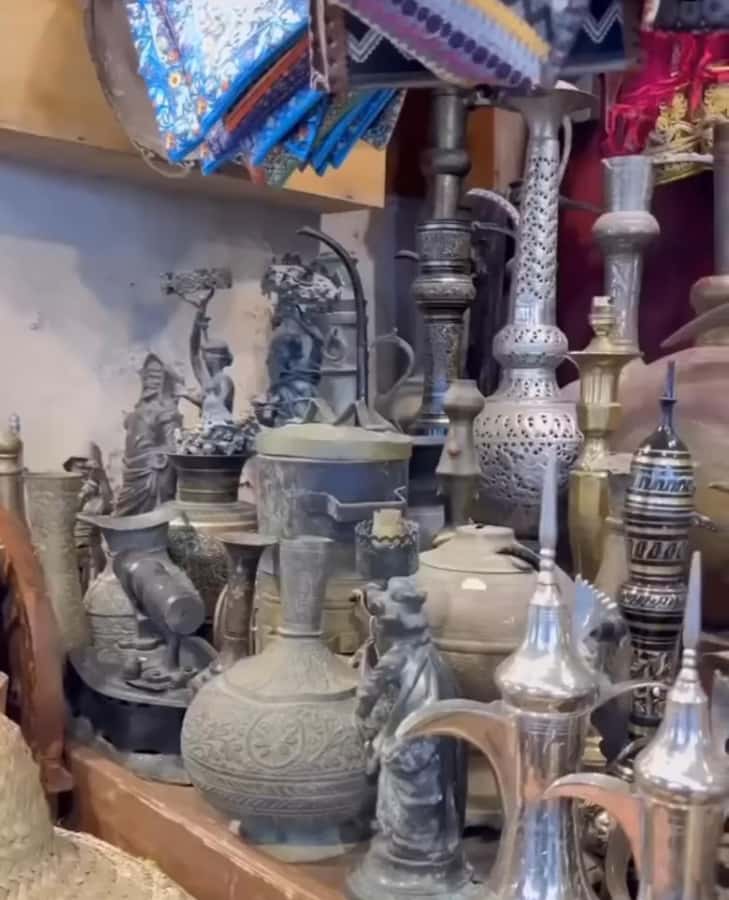
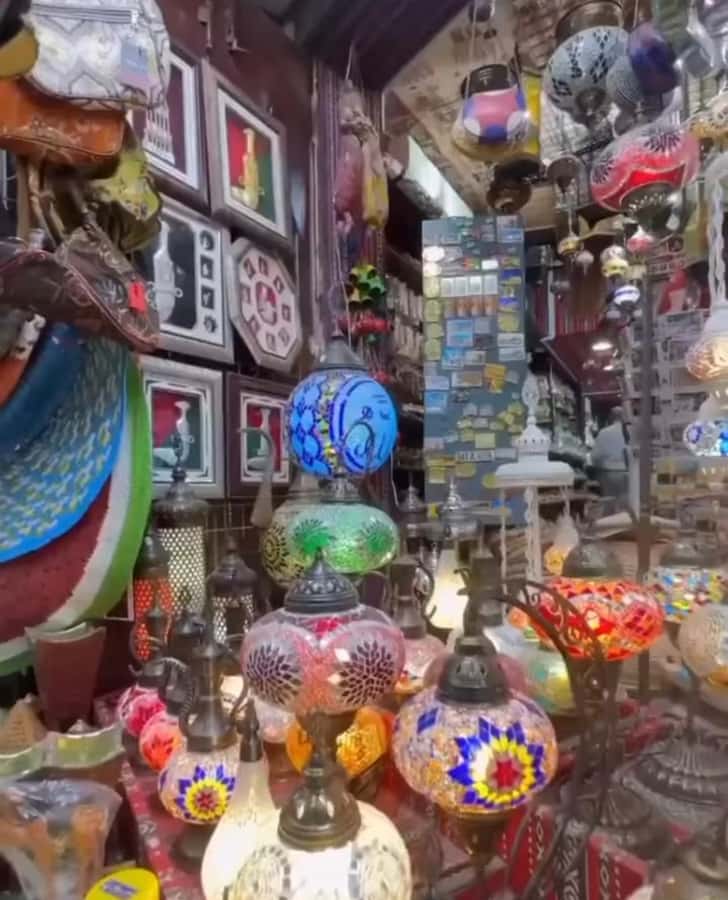
- Al Hosn Souq: Shop for frankincense, handmade gifts, and local products in Salalah’s oldest market.
- Sultan’s Palace photo stop: See the palace from outside and hear about Sultan Qaboos, who was born in Salalah in 1940.
- Fruit plantations and coconut drink: Finish with a taste of Salalah’s agricultural side, not just its monuments.
- Flexible booking: You can reserve now and pay later, with cancellation allowed up to 24 hours before departure for a full refund.
Why this tour helps you understand Salalah
Salalah is more than a stop for pretty beaches and green scenery. It is the main city of Dhofar, a region tied to frankincense, trade, Islam, royal history, and farming. This route links those subjects in a sensible order.
You begin with religion at Sultan Qaboos Mosque, move to the royal connection at the palace, then reach the frankincense market and museum. The final stops shift toward daily life, with fruit plantations and a coconut drink. That range is the best reason to book this rather than a simple drive around town.
I would see this as a first-day orientation. It helps you learn the names of Salalah’s main places and gives you a basic sense of how old traditions still shape local life. It is not designed for long archaeological walks or a slow shopping afternoon.
The tour is conducted in English. The strongest guide experiences came from guides named Salem, Amin, and Rashid. Amin was praised for being from Salalah and for explaining each area with care. Salem was described as patient at the main sights, while Rashid handled questions well. Guide quality matters here, since much of the value comes from explanation rather than elaborate activities.
A few more history tours around the world worth a look
- History and Hauntings of Salem Guided Walking Tour
★ 5.0 · 14,564 reviews - Colosseum: Underground and Ancient Rome Tour
★ 4.7 · 12,691 reviews - Lisbon: History, Stories and Lifestyle Walking Tour
★ 4.8 · 10,902 reviews
Sultan Qaboos Mosque and the rules that matter
The mosque is the tour’s first major stop, and timing is important. Visits are allowed from Saturday through Thursday, between 8:30 and 11:00. The mosque is closed to this tour on Fridays, so confirm the day before booking.
Dress is not a minor detail. Men and women need long pants and covered clothing. Women should bring a scarf and wear a long-sleeved shirt. Shorts, short skirts, tight clothing, and see-through clothing are not permitted.
The guide is expected to explain local traditions and Islamic practices, including how prayer takes place. You may also get some free time to look around. One account described about 20 minutes at the mosque, so do not expect an extended architectural study.
The visit is most useful if you arrive ready to observe respectfully. Keep your clothing practical from the start, rather than relying on a last-minute adjustment. A scarf in your day bag is a simple safeguard.
The palace stop is brief but revealing
Next comes the Sultan Qaboos Palace, viewed from outside. This is a photo stop, not an interior visit, so keep your expectations in check.
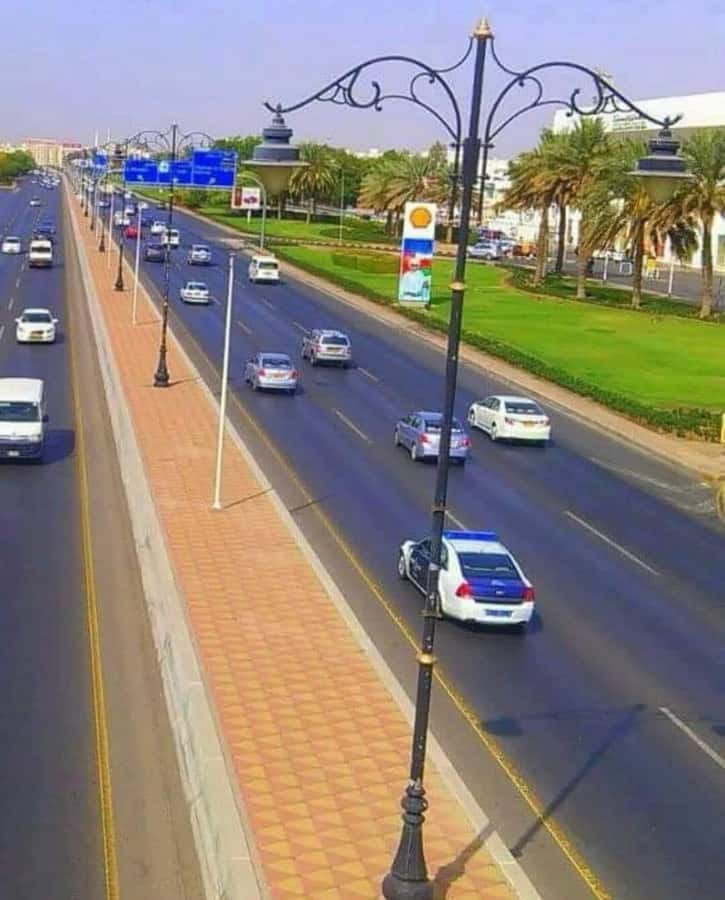
The guide may explain the ruler, his successor, and the royal emblem. You also pass near Al Hosn Palace and Al Nahdhah Tower, adding more landmarks to the city drive. Sultan Qaboos was born in Salalah in 1940, which gives the palace a direct connection to Dhofar rather than making it just another royal building.
I like this stop because it puts Salalah’s recent political story into place. Still, it is likely to be short. If palace interiors are your main interest, this tour will not meet that goal. Think of it as a useful roadside explanation and photo opportunity between the mosque and market.
Frankincense at Al Hosn Souq
Al Hosn Souq, also called Haffa Souq, is one of the most appealing parts of the route. It is known as Salalah’s oldest local market for frankincense and handmade gifts.
Frankincense is not just a souvenir here. Dhofar is closely linked with the resin trade, and the scent has long been part of religious, cultural, and commercial life across the region. At the souq, you can browse different frankincense products and local crafts while your guide explains what you are seeing.
A tea stop is included in the visit. You also get free time to explore on your own. One account described about 15 minutes of free time, so you may need to choose between shopping, photographs, and a relaxed look around.
If you want to buy something, ask the guide to explain the products before making a decision. The point of a local market is not to rush through it as a photo backdrop. At the same time, this is not presented as a dedicated shopping tour, so serious shoppers may want extra time elsewhere.
Same place, a different slice of the past:
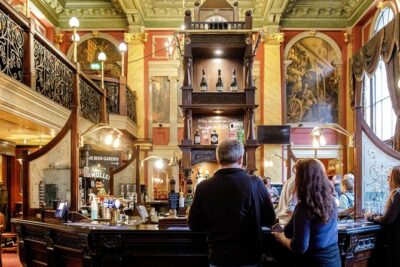
- London Small Group Tour of Historical Pubs
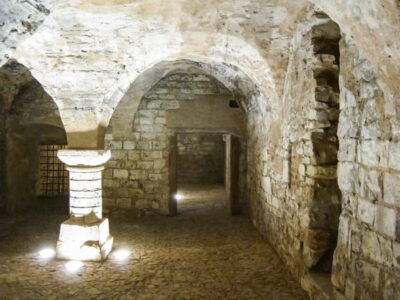
★ 5.0 · 10,422 reviews - Prague: Oldtown, Medieval Underground & Dungeon History Tour
★ 4.3 · 10,277 reviews - Charleston’s Old South Carriage Historic Horse & Carriage Tour
★ 5.0 · 10,023 reviews - Edinburgh: Edinburgh Castle Guided History Tour with Tickets
★ 4.8 · 9,933 reviews
Al Baleed Museum and the Frankincense story
The Museum of the Land of Frankincense at Al Baleed gives the tour its main historical anchor. It is located at the Al Baleed archaeological site, a UNESCO World Heritage site, and focuses on Oman’s past trade and development.
This is where the itinerary moves beyond snapshots. The guide can help explain the origin of Oman, the role of frankincense, and the difference between older Oman and the modern country. You will also have time to read the displays independently.
One useful detail from the tour experience is that the guide may encourage you to return to the vehicle sooner than expected once you have seen the museum. If you want to take your time with exhibits, make your interest clear early. The museum is probably the stop that deserves the most attention, especially if you have little background on Dhofar.
The archaeological setting gives the subject more weight. You are not only hearing about a trade product in a market. You are connecting it with a place shaped by that trade. The supplied details do not promise a long guided walk through every ruin, so expect the museum and site visit to be informative but relatively compact.
Fruit plantations and the coconut finish
The last part of the outing brings you into a more everyday side of Salalah. The route passes fruit plantations and shops, with Ain Razat named as one of the plantation areas. You may see coconut and other local produce before returning to your hotel.
A free coconut drink is included at the Salalah fruit market. This is a small treat, but it adds something the city sights cannot. You get a taste of local agriculture instead of spending the entire morning inside buildings or in the vehicle.
The setting may be simple. One unhappy account described the coconut stop as a rough shelter behind a house near rubbish, rather than a polished attraction. That is worth knowing. If you prefer staged food experiences, this may feel underwhelming. If you value ordinary local settings, the stop may feel more genuine.
The important point is to treat this as a brief tasting stop, not a plantation visit with a full farm tour. The information provided does not promise extensive time among the trees or a formal explanation of farming.
How the timing affects the experience

This is sold as a half-day city tour, but the actual time can feel shorter depending on hotel transfers and the order of stops. One account described about two and a half hours at the destinations, plus roughly one hour driving to and from the hotel.
That matters at $104 per person. The price can make sense if you are staying briefly in Salalah, want transport between scattered sights, and receive a strong guide. It feels less convincing if the tour becomes mostly short stops, unstructured free time, and driving.
The itinerary contains many locations, so you should not expect long visits at all of them. The mosque, palace, souq, museum, market, plantations, and towers create good variety, but variety comes at the cost of depth.
I would ask at the start how much time is planned at the museum and souq. If you want more time at either place, say so politely. Clear communication may help the guide shape the visit around your interests.
Guide quality makes the biggest difference
The most praised part of this experience is the guide. Several guide accounts describe clear English, friendly service, thoughtful explanations, and strong answers to questions. Amin, Salem, and Rashid received especially warm praise.
That is important because this is not a hands-on activity. You are not taking a cooking class or hiking with a specialist. The tour works when the guide adds meaning to the mosque, palace, souq, and museum.
The guide should explain local religion and customs at the mosque, give context about Sultan Qaboos, describe frankincense products, and connect the museum to Oman’s past. You should also feel free to ask questions. The tour is better when you use the guide as a local source rather than waiting for a set speech.
Still, guide quality may vary. One account described a driver spending time talking with acquaintances during free time and providing only limited explanation at some stops. That does not erase the strong guide reports, but it is a fair reason to set realistic expectations.
Transport, language, and comfort
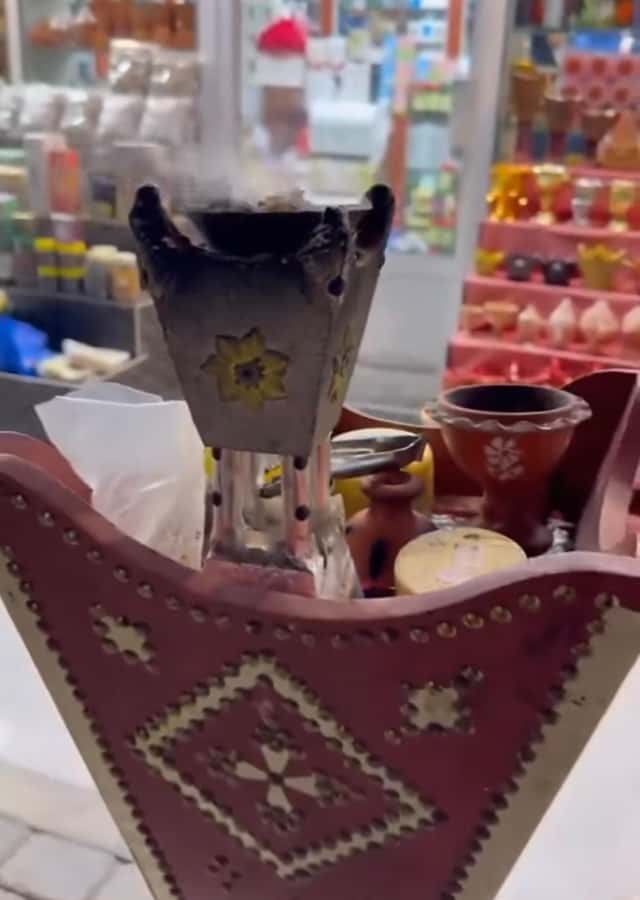
The tour is in English and includes an experienced local English-speaking guide. Newer vehicle models with comfort features are advertised, which should make the drives easier, especially in warm weather.
Transportation matters because this route covers several parts of Salalah. You are not simply walking between the mosque, palace, souq, museum, and plantations. A vehicle saves time and keeps the route practical for a morning or afternoon outing.
The tour can also work well for visitors who prefer not to arrange separate taxis and admissions on their own. The tradeoff is less control over timing. You follow the set route, and a short stop may not satisfy you if one site catches your interest.
The experience received an overall rating of 4.7 from 22 ratings, with many strong comments about courteous guides and excellent English. One low rating described the tour as poor value because of short visits and a high total price, reported there as 245 euros. Since the listed price here is $104 per person, confirm the exact currency, final amount, and inclusions before paying.
What to bring and how to prepare
Pack for the mosque first. Long pants, a long-sleeved shirt, and a scarf are the key items. Do not rely on shorts, short skirts, tight clothing, or see-through fabrics being accepted.
Keep your camera ready for the palace photo stop, but remember that it is viewed from outside. Bring a little room in your schedule for the souq, since browsing frankincense and handmade gifts is more enjoyable when you are not watching the clock.
You may also want to bring water, although the tour includes a coconut drink later. The provided information does not promise food beyond the coconut drink and tea stop, so do not treat this as a meal outing.
Book this tour when your schedule is flexible. You can reserve and pay later, and cancellation is allowed up to 24 hours before the tour for a full refund. Those terms help if your Salalah plans are still moving.
Who should book the Salalah city tour?
I would recommend it to first-time visitors who want a broad introduction to Salalah in one outing. It suits you if you like a mix of religion, royal history, local shopping, museums, and food or drink stops.
It is also a good match if you value a local guide who can explain customs and answer questions. Families and older visitors may appreciate the vehicle-based route, since the main sights are spread across the city and its surrounding areas.
I would be more cautious if you want a slow museum visit, a long shopping session, or a detailed archaeological tour. The schedule covers plenty of ground, but some stops can be brief. At $104, the experience depends heavily on receiving a guide who keeps the explanations strong and the timing organized.
Should you book this tour?
Book it if you have limited time in Salalah and want the main cultural stops handled in one comfortable vehicle. The mosque, Al Hosn Souq, Al Baleed Museum, palace view, plantations, and coconut drink make a varied introduction to Dhofar.
Skip it if you already know Salalah well or prefer to spend half a day at one museum or market. Before confirming, check the tour day, mosque hours, clothing requirements, exact price, and the amount of time planned at Al Baleed and the souq. With those details clear, this is a useful city orientation, especially when the guide is as strong as Amin, Salem, or Rashid.
FAQ
How long does the Historical Salalah City Tour last?
It is described as a half-day tour. One account reported around two and a half hours at the stops, plus about one hour of hotel driving to and from the tour.
What is the price per person?
The stated price is $104 per person. One account described a different total in euros, so confirm the currency and final price before booking.
Which days can I visit Sultan Qaboos Mosque?
The mosque is open for visits from Saturday through Thursday, from 8:30 to 11:00. It is closed on Fridays.
What clothing is required at the mosque?
Bring long pants, a long-sleeved shirt, and a scarf. Shorts, short skirts, tight clothing, and see-through clothing are not allowed.
Is the tour conducted in English?
Yes. The tour includes a local English-speaking guide.
Can I cancel the tour for a refund?
You can cancel up to 24 hours in advance for a full refund. You can also reserve now and pay later.
Just added around the world
- Oslo: Small Group History, Art & Secrets Tour★ 4.6 · 127 reviews
- History of Savannah Walking Tour★ 5.0 · 19 reviews
- Melbourne: History and Donuts Walking Tour★ 4.9 · 72 reviews
- Charleston: Walking History and Bar Tour★ 5.0 · 63 reviews
- From Madrid: History and Charm of Segovia Full-Day Tour★ 4.1 · 75 reviews
- Barcelona: Skip-the-Line to History Museum of Catalonia★ 4.5 · 110 reviews
- Historical walk in Bruges with local guide. Praline included★ 5.0 · 31 reviews
- Historical walking tour of Turin (Private tour)★ 5.0 · 18 reviews
Tours, compared.
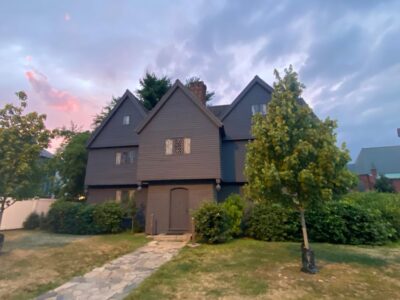
History and Hauntings of Salem Guided Walking Tour
Read our review →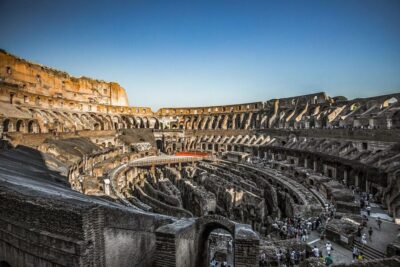
Colosseum: Underground and Ancient Rome Tour
Read our review →
Oldtown, Medieval Underground & Dungeon History Tour
Read our review →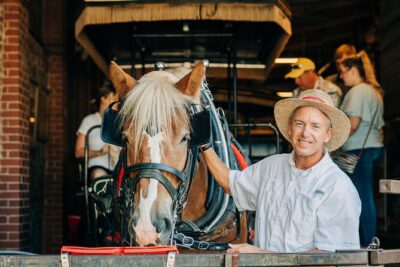
Charleston’s Old South Carriage Historic Horse & Carriage Tour
Read our review →
Edinburgh Castle Guided History Tour with Tickets
Read our review →