
Review · ATLANTA
Atlanta’s Black History and Civil Rights Tour
Atlanta tells its Black story street by street. This four-hour tour links Sweet Auburn, West End, the Atlanta University Center, and Martin Luther King Jr. National Historic Site in one ride, giving you a useful first look at neighborhoods and landmarks that are spread across the city. I especially like the local focus and the chance to support Black-owned businesses along the way.
I also like the air-conditioned vehicle, bottled water, photo stops, and guides such as Jeff, Ebby, Ibrahim, Dave, and Omar, who are praised for mixing facts with humor and personal stories. The main drawback is pace: with so much ground to cover, some stops are brief, and the optional market lunch can feel rushed if the tour starts late or traffic slows things down.
Key points to know before booking
- A four-hour introduction to Black Atlanta: You see major Civil Rights sites, historic neighborhoods, HBCUs, film locations, and cultural businesses in one half-day.
- Local guides shape the experience: Jeff, Ebby, Ibrahim, Dave, and Omar are all praised for warmth, humor, personal stories, and strong knowledge of Atlanta.
- The route includes short photo stops: The Olympic Cauldron Tower, Tyler Perry Studios, Madea’s House, West End, the Municipal Market, and other areas are covered with varying amounts of time.
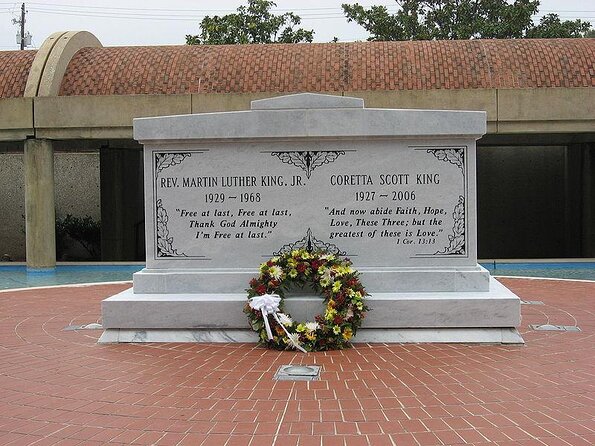
- The Martin Luther King Jr. National Historic Site is a major finish: Ebenezer Baptist Church, the King Center, the visitor center, and Dr. King’s birth home area give the tour its strongest Civil Rights focus.
- Lunch is optional and food costs extra: The Municipal Market offers soul food, barbecue, seafood, West African, Asian, and other choices, but you should not count on a long meal break.
- Plan carefully at the meeting point: Meet at the Atlanta Marriott Marquis, arrive 25 to 30 minutes early, and allow $10 to $30 for nearby parking if you drive.
Why this tour matters in Atlanta
Atlanta is often called the Black Mecca because of its long role in African-American education, business, religion, politics, music, film, and Civil Rights work. The city’s story is not confined to one museum. It appears in churches, newspapers, college campuses, restaurants, homes, murals, and commercial streets.
That is what makes this tour useful. You are not simply taken from one famous monument to the next. You travel through places where Black institutions shaped the city and where daily life still continues.
The format also works well for a first visit. Atlanta is spread out, and several important areas are not close enough to connect comfortably on foot. The vehicle lets you see Downtown, Sweet Auburn, West End, Summerhill, Castleberry Hill, and the Atlanta University Center without arranging several separate rides.
At $74 per person, the value depends on what you want. If you want a polished museum visit with long periods at each site, this may feel too quick. If you want a guided overview, local context, transportation, photo opportunities, and several neighborhoods in four hours, the price is reasonable.
A few more history tours around Atlanta worth a look
- Martin Luther King Jr. History Walking Tour
★ 5.0 · 687 reviews - 3-Hour Atlanta Beltline Food, Street Art and History Tour
★ 5.0 · 345 reviews - 2.5hr Guided Segway Tour of Historic Atlanta
★ 5.0 · 311 reviews
Starting at Downtown Atlanta’s Olympic center
The Atlanta Marriott Marquis is a practical meeting point. It is near MARTA, works well for Uber and Lyft drop-offs, and has lobby seating, restrooms, and a Starbucks open from 6 a.m. to 1 p.m. You should arrive 25 to 30 minutes early, especially for the morning departure at 10 a.m.
The afternoon departure runs from 1:30 to 5:30 p.m. The group can include up to 27 people, so this is small enough for a personal feel but not necessarily a private outing. Some departures may be intimate, while others may fill most of the vehicle.
The route begins around the area built for the 1996 Olympic Games. You see the Olympic Stadium and Torch, the Olympic Cauldron Tower, and the attractions around Centennial Olympic Park, including the Georgia Aquarium, World of Coca-Cola, and CNN facilities.
The Olympic stop is short, about five minutes, so think photo opportunity rather than a full visit. The guide adds background on Fulton County Stadium, baseball legend Hank Aaron, and the Summerhill neighborhood. That extra context helps connect the sports story to the surrounding community.
The tour also passes Mercedes-Benz Stadium, State Farm Arena, CNN, and Downtown’s skyline. These drive-by views are useful for orientation, though you should not expect entry into the attractions.
Five Points and Atlanta’s civic center
The route continues through Five Points, often described here as the heart of Atlanta and the place where the city began. You learn about the district, the birthplace of Coca-Cola, and lesser-known details about Atlanta’s growth.
This is one of the places where the guide matters most. A bare drive through Downtown would tell you very little, but a strong guide can connect the streets, businesses, transportation routes, and civic buildings into a readable story.
The tour also passes Atlanta City Hall, the Fulton County Courthouse, and the Georgia Depot. These buildings help explain how Atlanta’s government and transportation systems developed. You see the public face of the city before moving into neighborhoods where Black institutions played a more direct role.
Because the itinerary covers so much, some of these locations are viewed from the vehicle. If you want long photo sessions or interior visits, you may need to return on your own.
Tyler Perry Studios and Atlanta’s film connections
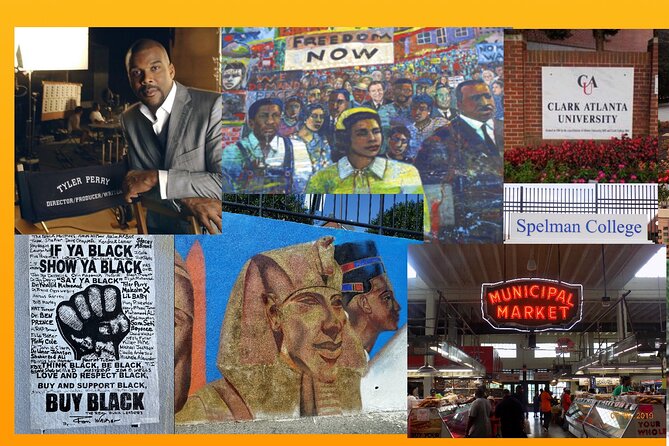
Tyler Perry Studios is included as a quick stop for photographs. The welcome entrance area has limited access, and the timing matters: visitors are allowed into that area after 5 p.m. on Fridays, all day Saturday and Sunday, and on holidays, according to the studio’s stated policy.
The regular stop is about 10 minutes, so access is not guaranteed during every departure. Treat it as a photo stop rather than a studio tour.
The route also includes Madea’s House, the original house used in Tyler Perry films such as Diary of a Mad Black Woman and Family Reunion. This stop lasts about five minutes.
Film fans will enjoy these locations, especially because Atlanta’s screen industry is part of the city’s modern Black cultural story. Still, the stops are brief. You get a look and some context, not a behind-the-scenes production visit.
Same place, a different slice of the past:
- 2 Hour Historic Market Food Tour and Hands-On Biscuit Class
★ 5.0 · 251 reviews - 2-Hour Food, History and Street Art Tour of Ponce City Market
★ 5.0 · 159 reviews - Atlanta: Black History & Civil Rights City Bus Tour
★ 4.9 · 151 reviews - Atlanta: Martin Luther King Historical Park Walking Tour
★ 5.0 · 86 reviews
West End and the Atlanta University Center
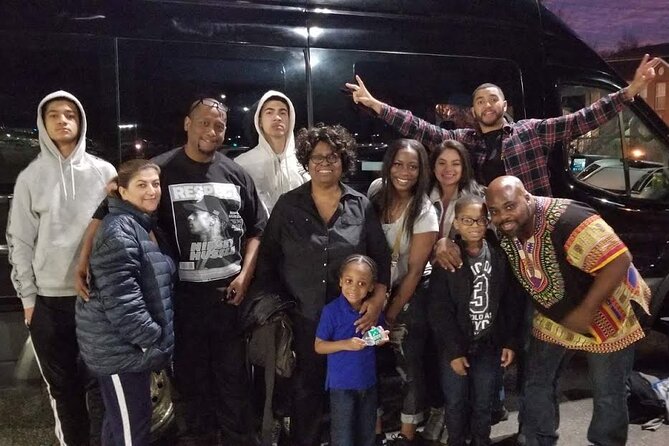
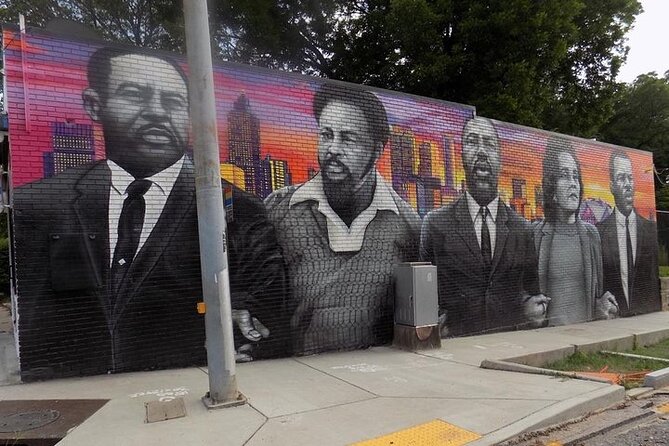
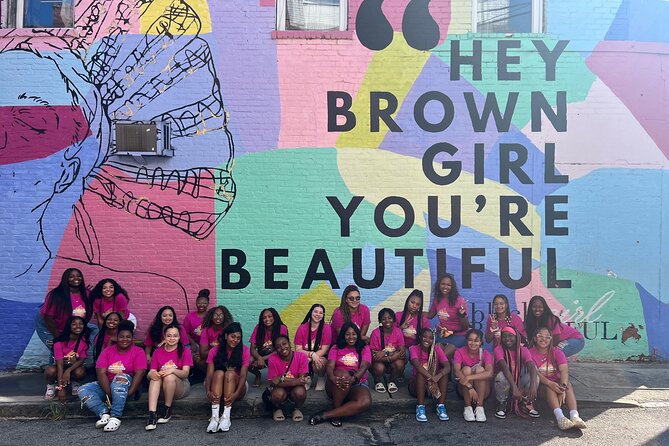
West End is one of the more rewarding neighborhood portions of the route. The area is known for Victorian homes, street murals, Black-owned businesses, and a strong connection to Atlanta’s Black religious and community life.
You have about 20 minutes here, which gives the guide more room to explain the neighborhood and point out local places. The tour also includes Atlanta’s oldest Black-owned bookstore and culture center, along with additional murals and businesses. The exact amount of time at each business can vary, so consider returning later if something catches your interest.
The Atlanta University Center is another major part of the day. The consortium includes Morehouse College, Spelman College, Clark Atlanta University, Morris Brown College, Interdenominational Theological Center, and Morehouse School of Medicine.
This section is especially valuable if you want to understand how education helped shape Atlanta’s leadership. The colleges are not just campus names on a map. They form a connected center of Black scholarship, ministry, medicine, politics, and public life.
You should expect to see and hear about the campuses rather than take a formal campus tour. The route also points out film locations connected with the area.
Castleberry Hill, restaurants, and Black-owned businesses
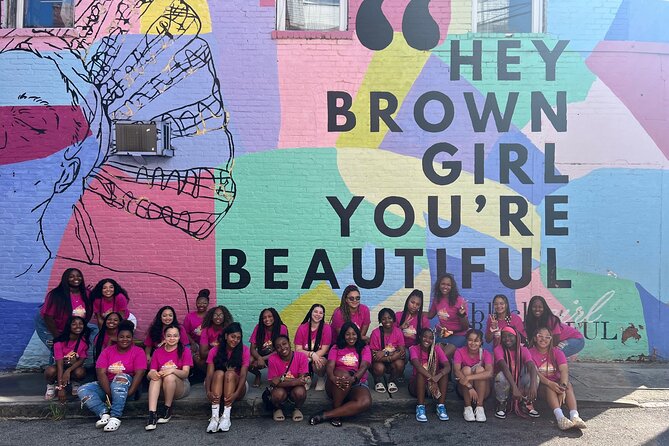
The tour moves through an arts and dining area that includes Paschal’s Restaurant, Old Lady Gang Restaurant, The Glam Shop, Frost Bistro & Bar, and Escobar Restaurant & Tapas. Castleberry Hill also appears as a filming back lot for movies and television programs.
This portion gives the day a more present-day feel. You are not only studying the past. You are seeing restaurants, shops, art spaces, and entertainment businesses that help define Atlanta now.
A useful feature is the chance to hear about places you might return to later. Several guide reviews praise recommendations for local restaurants and small businesses, along with stops where the group could purchase food or drinks. If you are traveling alone, guides such as Jeff are also praised for helping with photographs.
Do not treat every business listed as a scheduled visit. Some are seen while driving, and the route may not stop at each one.
The Municipal Market and a flexible food stop
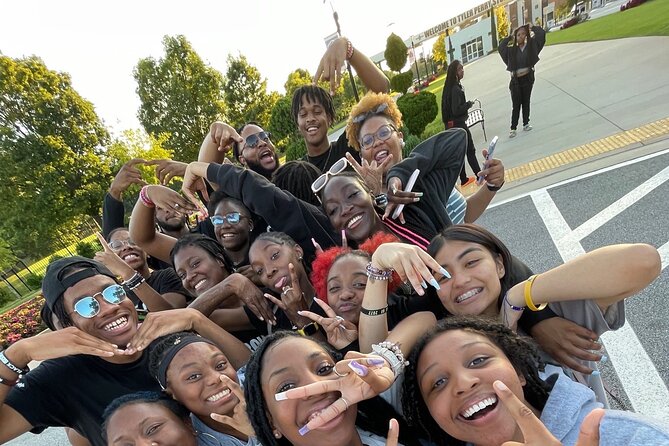
The Municipal Market is the main food stop, with about 30 minutes scheduled. It is a practical place to sample different kinds of cooking, including soul food, barbecue, New Orleans dishes, seafood, West African food, Asian food, herbs, spices, and snacks from independent or family-owned vendors.
Food is not included in the $74 price. The lunch stop is optional, so you can eat, browse, or use the time for a quick break. If you know you need a full meal, eat before the tour or plan to return later. One useful tip from the tour experience is simple: bring a breakfast or snack if you tend to get hungry, since the route covers a lot of ground.
The market stop can also be affected by timing. One past departure ran late, and the guide had less time for the market. That is not a reason to avoid the tour, but it is a reminder that Atlanta traffic and a full itinerary can change the rhythm of the day.
The route also points out Grady Hospital and the Butler Street YMCA. These sites add more civic and community context to the market area.
Sweet Auburn and the Civil Rights story
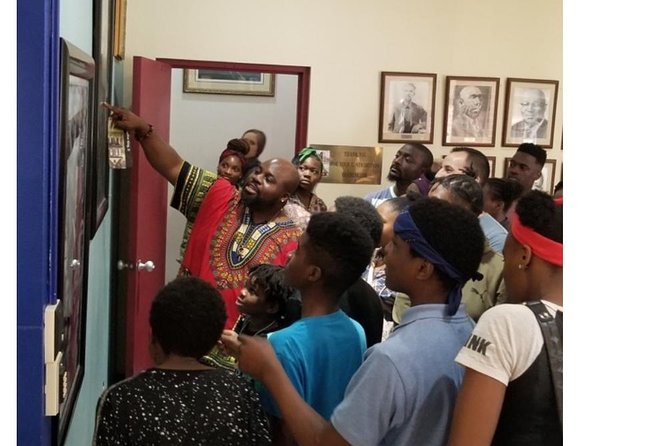
The Sweet Auburn portion is one of the tour’s central sections. The area was once known as the richest Negro street in the world, and the route includes Woodruff Park, the Atlanta Daily World, Atlanta Life, the Apex Museum, the Royal Peacock, the SCLC headquarters, historic Black churches, murals, and movie locations.
This is where Atlanta’s business, press, faith, and Civil Rights stories come together. The Atlanta Daily World is identified as the first Black daily newspaper, while Atlanta Life and the Royal Peacock point to the economic and cultural strength of the district.
Some locations are viewed from the vehicle or in short stops, so you will not have time to enter everything. That is a fair trade for covering many sites in one afternoon, but you should save the locations that interest you most for a separate visit.
The guide’s storytelling makes a major difference here. The strongest comments about this tour praise guides for explaining not only famous events, but also local stories, personal connections, and lesser-known facts. Jeff is often praised for his warmth and humor, while Ibrahim and Ebby are noted for energetic delivery and strong historical detail.
Martin Luther King Jr. National Historic Site
The Martin Luther King Jr. National Historic Site provides the clearest focus of the tour. The route includes Ebenezer Baptist Church, Dr. King’s birth home area, the King Center, and the visitor center.
About 30 minutes is scheduled here. That is enough to take in the setting and understand the importance of the district, but not enough for an unhurried visit to every site. If this is your main reason for coming to Atlanta, plan to return separately so you can give the area more time.
The value of visiting with a guide is the connection between the individual locations. Ebenezer Baptist Church, Dr. King’s home, the King Center, and the visitor center are not isolated attractions. Together, they show the family, religious, educational, and organizational forces behind his work.
This is also where the tour’s tone becomes most reflective. The day includes sports, film, food, shopping, and city views, but the King site gives those subjects a wider context. Atlanta’s Black achievement is presented as both a record of struggle and a continuing part of city life.
Guides, vehicle comfort, and the pace of the day
The guides are the strongest part of this experience. Names that appear in the tour feedback include Jeff, Ebby or EB, Ibrahim, Dave, Omar, and Mr. Ebey. You should not assume you will receive a particular guide, but the repeated praise points to a team that puts effort into humor, storytelling, photographs, and personal attention.
The vehicle is air-conditioned, and bottled water is included. Most people find the ride comfortable, though one past departure had weak air conditioning and limited space. That appears to be an exception, but it is worth keeping in mind during hot Atlanta weather.
The pace is active. You travel between several districts, listen while driving, stop for photos, and get out for a handful of short visits. The experience works best if you enjoy seeing many places rather than spending an hour at one museum.
The tour operates in all weather. Bring an umbrella or rain poncho for light rain, and call the number on your voucher if severe weather is expected. Comfortable shoes still help, even though much of the route is by vehicle.
Who should book it
I recommend this tour for a first visit to Atlanta, especially if you want Black history, Civil Rights landmarks, local businesses, HBCUs, film sites, and city orientation in one half-day.
It also suits solo travelers and families. Guides are praised for taking photos, helping guests feel welcome, and adjusting their style to the group. Couples who enjoy history and local food will get a useful list of places to revisit.
I would hesitate to recommend it if you want a slow museum day, guaranteed interior access, or long stops at every landmark. The itinerary is ambitious, and the Municipal Market lunch is not a full restaurant meal built into the price.
You can cancel for a full refund up to 24 hours before the start time. Changes made inside 24 hours are not accepted, and late cancellations are not refunded. If the minimum group size is not reached or poor weather forces cancellation, you are offered another date or a full refund.
Should you book Atlanta’s Black History and Civil Rights Tour?
Book it if you want a broad, guided introduction with a strong local voice. At $74, the combination of transportation, guide, water, photo stops, neighborhood access, and concentrated city context makes sense for a first day in Atlanta.
Use it as a starting point, not the final word. Mark the places that interest you most, then return to the King historic site, Sweet Auburn, West End, the Municipal Market, or the Atlanta University Center at a slower pace. That approach gives you both the wide view and the time needed for the details.
FAQ
How long is Atlanta’s Black History and Civil Rights Tour?
The tour lasts approximately four hours. The morning departure runs from 10 a.m. to 2 p.m., and the afternoon departure runs from 1:30 p.m. to 5:30 p.m.
Where does the tour begin and end?
It begins and ends at the Atlanta Marriott Marquis, 265 Peachtree Center Ave NE, Atlanta, Georgia 30303.
How much does the tour cost?
The listed price is $74 per person. Food, gratuities, child car seats, and parking are not included.
Is parking available near the meeting point?
Yes. Parking garages and lots are about one block from the Atlanta Marriott Marquis. Rates range from $10 to $30, and parking is not free.
How many people can join the tour?
The tour can have a maximum of 27 travelers.
Is lunch included?
No. The Municipal Market is a lunch stop with many food choices, but food costs extra. The lunch stop is optional.
What landmarks are included at the Martin Luther King Jr. National Historic Site?
The tour includes Ebenezer Baptist Church, Dr. King’s birth home area, the King Center, and the visitor center.
Does the tour visit Tyler Perry Studios?
The route stops at Tyler Perry Studios for photographs, but it is not a full studio tour. Access to the welcome entrance area is allowed after 5 p.m. on Fridays, all day Saturday and Sunday, and on holidays, according to the stated policy.
Can I cancel for a refund?
You can cancel at least 24 hours before the start time for a full refund. Cancellations or changes made less than 24 hours before the experience are not accepted or refunded.
Just added around Atlanta
- 2-Hour Food, History and Street Art Tour of Ponce City Market★ 5.0 · 159 reviews
- Private Atlanta History Tour From Civil War to Civil Rights★ 5.0 · 47 reviews
- Atlanta Then and Now Private History Tour★ 5.0 · 23 reviews
- 2 Hour Historic Market Food Tour and Hands-On Biscuit Class★ 5.0 · 251 reviews
- Atlanta Historical Homes Tour★ 4.5 · 26 reviews
- Atlanta: Historic Market Food Tour and Biscuit Cooking Class★ 4.9 · 25 reviews
- Atlanta: Martin Luther King Historical Park Walking Tour★ 5.0 · 86 reviews
- Atlanta: Beltline Food, Street Art, and History Walking Tour★ 5.0 · 47 reviews
Atlanta History Tours, compared.
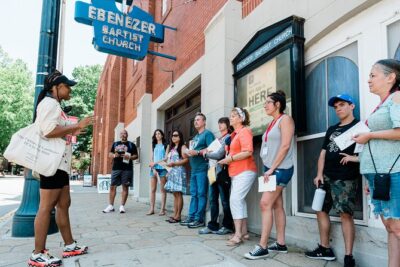

3-Hour Atlanta Beltline Food, Street Art and History Tour
Read our review →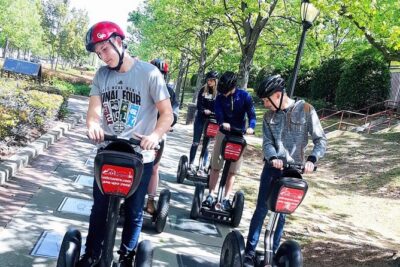

2 Hour Historic Market Food Tour and Hands-On Biscuit Class
Read our review →
2-Hour Food, History and Street Art Tour of Ponce City Market
Read our review →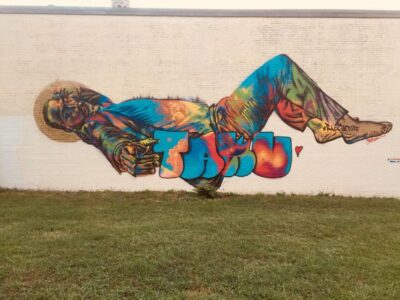
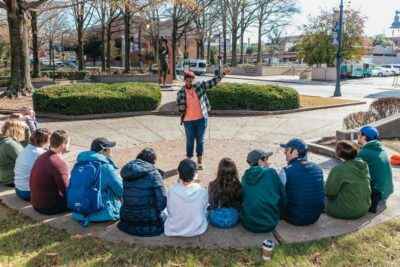
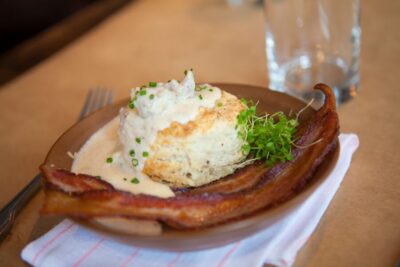
Beltline Food, Street Art, and History Walking Tour
Read our review →Browse the lists this tour appears in