
Review · LISBON
Lisbon city tour on history, culture and current topics
Lisbon rewards slow feet. This German-language walk links the city’s grand squares, steep lanes, old quarters, and best viewpoints in three and a half useful hours. I like the small maximum group of 12, which should make it easier to ask questions, and I like that the guides discuss present-day Portugal as well as history. The included taste of a local pastry or liqueur is a nice touch. The catch is simple: this is a hilly walking tour, not a gentle stroll.
The route gives you a strong first look at central Lisbon, from Rossio to the Tejo River. Guides including Sara, Melina, and Pedro are praised for clear explanations, humor, personal attention, and practical restaurant advice. At $45.86 per person, it costs more than a tip-based walk, but the small group, German commentary, tasting, and detailed local suggestions may justify the price for the right visitor.
Key points before you book
- Three and a half hours on foot: You cover Baixa, Chiado, Bairro Alto, Alfama, and Praça do Comércio without private transport.
- A proper hill workout: Expect uphill and downhill walking, winding lanes, and a moderate to good fitness requirement.
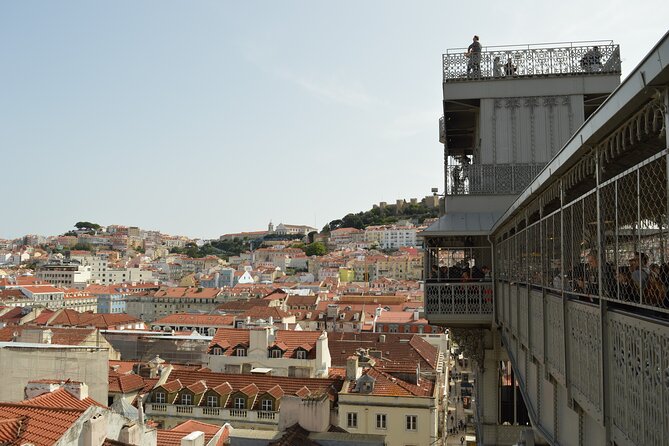
- Six notable viewpoints and landmarks: The Santa Justa elevator, Carmo ruins, São Pedro de Alcântara, Santa Luzia, and Lisbon Castle views shape the route.
- German-speaking guides with personality: Sara, Melina, and Pedro are praised for humor, useful background, and answers to individual questions.
- A practical Lisbon introduction: You receive restaurant tips, local suggestions, and a small taste of pastel de nata or ginjinha.
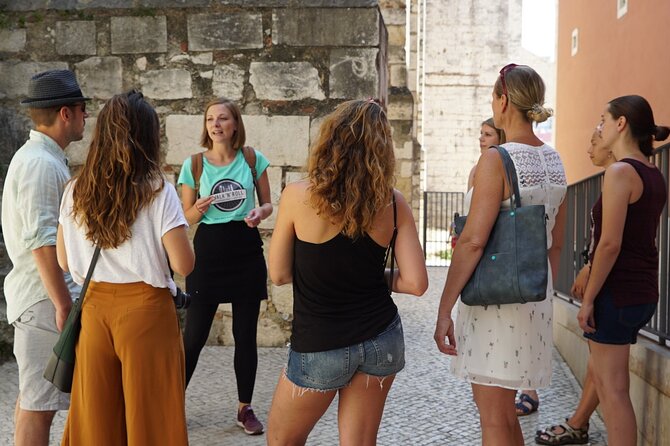
- Small groups matter: With no more than 12 people, the tour should feel more like a guided walk than a moving crowd.
Starting at Rossio, Lisbon’s handsome front room
The tour begins at the north fountain of Rossio Square, officially Praça Dom Pedro IV, between the king’s statue and the National Theatre. This is a smart meeting point because Rossio sits in the middle of central Lisbon and is close to public transportation.
You start with one of the city’s most attractive public spaces. The wave-patterned pavement, twin fountains, and grand buildings give your guide plenty to explain before the walking begins. I like starting here because you get immediate orientation. Lisbon is not a tidy grid of sights, and a short explanation at Rossio helps you understand how the lower city relates to the hills above it.
The first steps lead into Baixa, the lower town. This part of Lisbon was rebuilt after the 1755 earthquake, so its broad streets and orderly blocks feel different from the older lanes of Alfama. The contrast is useful. Instead of seeing Lisbon as one old quarter, you begin to understand how disaster, rebuilding, commerce, and changing city life shaped the center.
More Local Culture and Traditions Tours in Portugal
- Lisbon Fado History Cultural Walking Tour
★ 5.0 · 118 reviews - Taste Funchal: food, wine & cultural tour
★ 5.0 · 906 reviews - Taste Funchal: food, wine and cultural tour
★ 4.8 · 680 reviews
Santa Justa and the Carmo ruins
The Santa Justa elevator is one of Lisbon’s most recognizable structures, but this tour does something practical by showing it from two angles. First, you see the iron lift from below. Then you reach the viewing platform for a look across Baixa and toward Lisbon Castle.
The route does not promise a ride in the elevator, so do not book this walk expecting a lift experience. The value here is the explanation and the viewpoint. The structure is often photographed as an isolated attraction, but from above you can place it within the city’s steep geography.
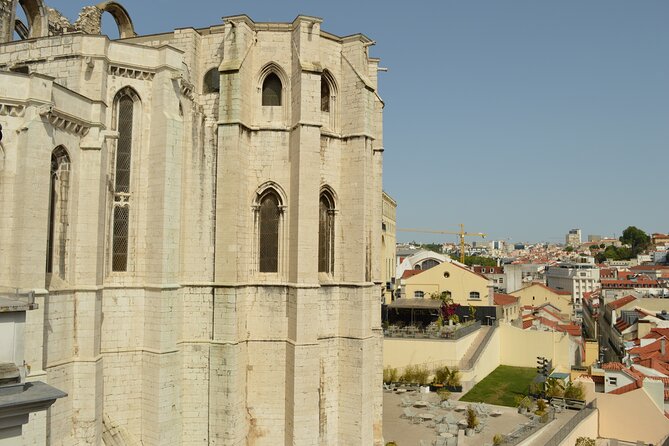
Next comes the Carmo monastery, visited from outside. Its roofless Gothic ruins are among the most striking remains in central Lisbon. The open arches make the effect memorable, but the stop is brief enough that you should think of it as a guided introduction rather than a full museum visit. If you want to explore the Carmo Archaeological Museum, you will need separate time and admission.
Chiado, the poets’ quarter
From Carmo, the group continues through Chiado, known here as Lisbon’s poets’ quarter. This section adds a cultural layer to the tour. The streets are tied to cafés, writers, theaters, shopping, and city life, and your guide connects those elements with Portuguese culture.
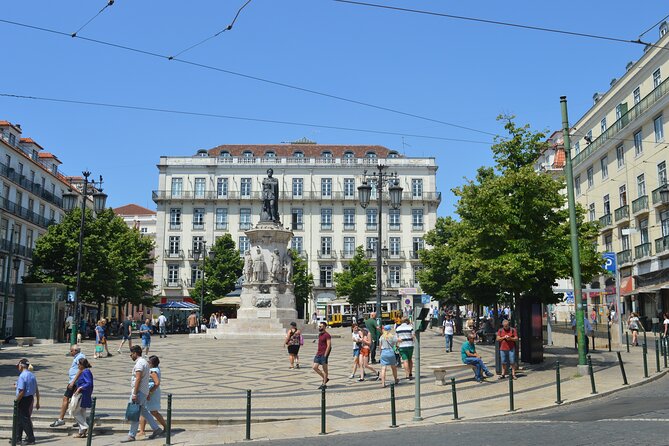
Praça Luís de Camões is the main square in this part of the route. It is a natural pause between neighborhoods and a useful place to hear about Portuguese literary identity. The square also helps you see the changing rhythm of central Lisbon. In a short distance, the city shifts from rebuilt commercial streets to the more social, artistic character associated with Chiado.
I especially like this part for people who want more than a checklist of monuments. The tour is designed to discuss how people live, write, eat, and socialize in Lisbon, not only what happened centuries ago. The guide’s style matters here, and the strongest descriptions of Pedro, Sara, and Melina focus on their ability to make history feel connected to daily life.
Climbing into Bairro Alto
Bairro Alto is quiet during the day, when this walk passes through it. At night, it becomes a bar district, so the daytime visit gives you a calmer look at its residential side before evening crowds arrive.
This is also where the physical nature of the tour becomes clear. You climb through the neighborhood, and Lisbon’s hills are not decorative scenery. You will feel them. The route suits you best if you can walk uphill and downhill for several hours without needing frequent assistance.
The shift from daytime residential streets to nighttime entertainment district is one of the tour’s useful current-topic details. You are not simply shown a famous quarter. You are given a sense of how the same streets serve different purposes as the day changes.
More Local Culture and Traditions Tours in Lisbon:
- Amsterdam Food and Cultural Tour with Tastings
★ 5.0 · 4,315 reviews - Sevilla Food Tour: Tapas, Wine, History & Traditions
★ 5.0 · 3,468 reviews - Tromsø: Reindeer Camp and Sami Cultural Tour with Lunch
★ 4.7 · 3,326 reviews - Half Day Dominican Republic Cultural Tour : Small Group
★ 4.5 · 1,862 reviews
A long pause at São Pedro de Alcântara
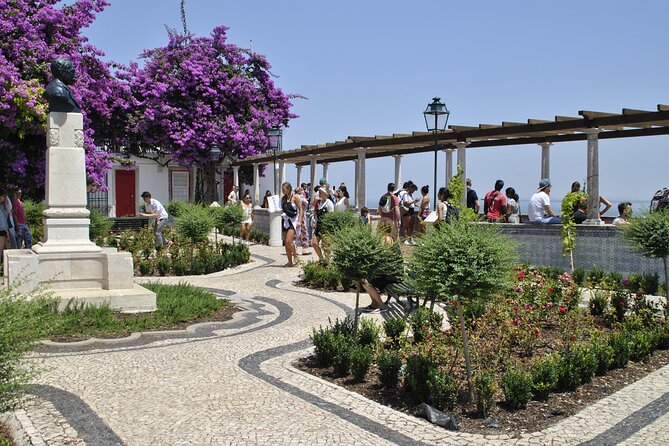
The tour reaches Miradouro de São Pedro de Alcântara for a 40-minute break, the longest stop on the route. This is where the walking pace slows and the city opens up.
The viewpoint gives you a broad look across Lisbon, including the lower town and Lisbon Castle. It is a good place to take photographs, catch your breath, and ask questions while the guide has time to respond. Since there is no private transport, this pause is valuable. You are not rushed from one landmark to the next.
A local pastry or liqueur tasting is included during the experience. The descriptions point specifically to pastéis de nata and ginjinha, the sour-cherry liqueur often served in small portions. The exact tasting may vary, but the idea is well chosen. Food and drink turn an abstract lesson about Portugal into something you can recognize and discuss.
Do not mistake the break for a full meal. You may want breakfast or lunch before or after the tour, especially because the route continues for quite a while.
Rua Augusta and the long way to Alfama
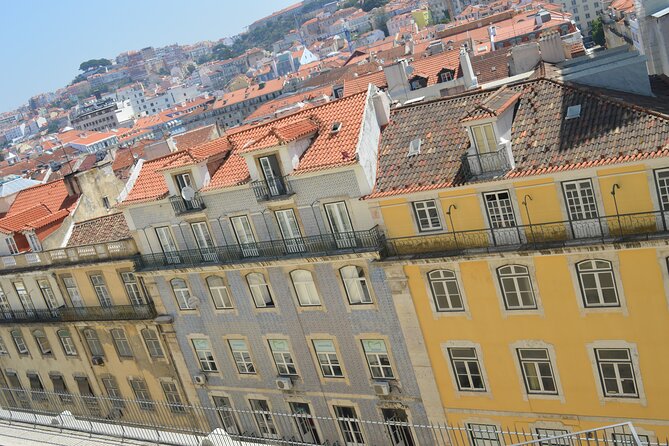
After the viewpoint, the route passes along Rua Augusta, Lisbon’s main shopping street. This brings you back through the lower city before the final neighborhood section.
Rua Augusta is useful as a link between the hills and Praça do Comércio. It also shows another side of Lisbon: pedestrian shopping, grand façades, and a direct route toward the river. The stop is short, only about 10 minutes, so expect a taste rather than a shopping visit.
The route then heads toward Alfama, the oldest district on the walk. Here the city changes again. Streets narrow, lanes twist, and the orderly geometry of Baixa disappears. Alfama is best understood on foot because its shape is part of its character.
You spend about 30 minutes exploring the quarter. That is enough to get a feel for the lanes and hear the guide’s explanation, but not enough to cover every corner. This is one reason the tour works well near the start of a Lisbon visit. Afterward, you can return to Alfama on your own with a better sense of direction and a clearer idea of where you want to linger.
Santa Luzia and the finish by the Tejo
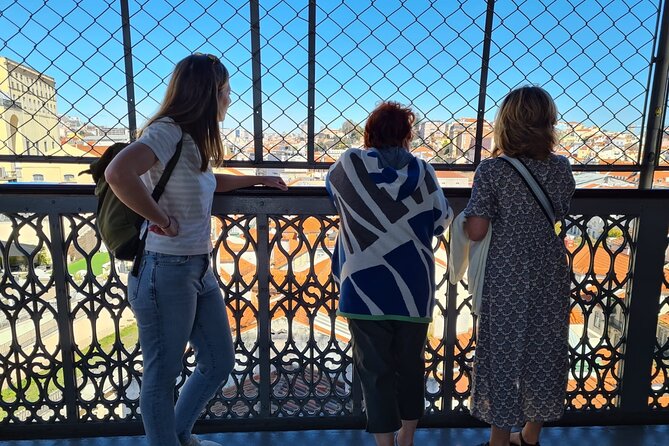
Miradouro de Santa Luzia is the final major viewpoint. The stop is brief, around 10 minutes, but it gives you another angle on Lisbon’s old quarter and the riverfront.
A second viewpoint is useful because Lisbon changes with elevation. São Pedro de Alcântara gives you a wide city panorama, while Santa Luzia places you closer to Alfama’s old streets and the Tejo. Seeing both helps you understand the city’s stacked hills rather than treating each lookout as a separate photo stop.
The tour ends at Praça do Comércio, also called Terreiro do Paço, directly beside the Tejo River. The square is framed by grand yellow buildings and the imposing triumphal arch. Ending here gives the route a clear finish and puts you near restaurants, public transportation, and the riverfront.
I like this ending because it leaves you in a useful part of town rather than sending you back to the starting point. You can continue along the waterfront, find lunch, or use the square as a reference for the rest of your day.
What the guides add
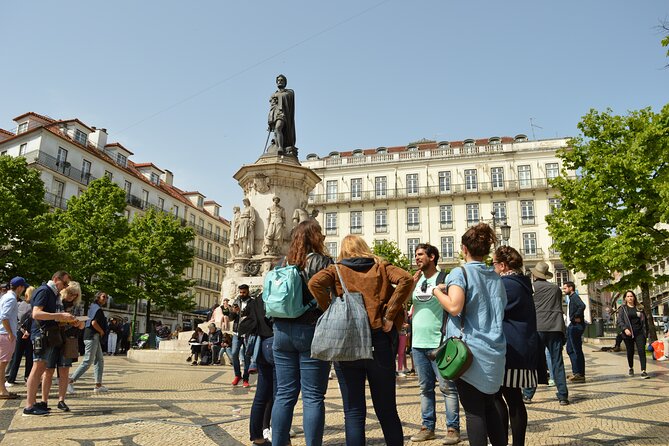
The strongest part of this experience is likely the guide rather than any single monument. The tour is offered in German, and the guides named in the supplied information include Sara, Melina, and Pedro.
Pedro is described as warm, humorous, and good at answering questions. He also receives praise for explaining Portuguese people and culture, not just dates and buildings. Sara is associated with strong background explanations, local restaurant suggestions, and a lively approach even in poor weather. Melina is praised for being friendly, helpful, and able to make the city feel like a walk with a friend.
Those qualities matter because Lisbon can be confusing on first contact. The hills, neighborhoods, viewpoints, and changing street names are easier to understand when someone explains the connections. The practical tips are also valuable. Several comments point to restaurant recommendations being used successfully later, which gives the included recommendation sheet real purpose.
The tour’s current-topics focus is another plus. You can expect discussion of Portuguese culture and present-day life alongside historic events, although the exact subjects will depend on the guide and the group’s questions.
Is $45.86 a fair price?
At $45.86 per person, this is not the cheapest way to see Lisbon. A free walking tour may cost less at the start, and a self-guided route costs only your time and transport. But price alone misses the useful parts of this experience.
You are paying for about three and a half hours with a German-speaking guide, a group capped at 12, a tasting, a tip sheet, and a route that joins several major central districts. The small group is especially important. With six people, as one described group had, the guide can answer questions and adjust the conversation more easily than on a large coach tour.
The value is strongest if you want orientation early in your stay. A good guide can save you time later by pointing out areas for food, viewpoints to revisit, and neighborhoods worth exploring at different times of day.
The value is weaker if you dislike hills, prefer to enter every attraction, or want a private experience. The Carmo monastery is viewed from outside, the Santa Justa elevator is admired rather than necessarily ridden, and the tour does not include private transportation.
Who should take this walk?
I would recommend it most strongly to German-speaking visitors who want a broad introduction to central Lisbon and enjoy learning through conversation. It is also a good fit for a first day or second day, when you want to get your bearings before exploring alone.
History fans will like the sequence from earthquake-era Baixa to older Alfama. Food-minded visitors should appreciate the pastel de nata or ginjinha tasting and the restaurant suggestions. People who enjoy photography will get several strong viewpoints without arranging separate transport.
You should think twice if you have walking difficulties. The route requires a moderate to good level of fitness and includes uphill and downhill streets. Lisbon’s paving can also make the walk feel harder than the distance suggests, though no exact distance is provided.
The tour runs in good weather conditions. If poor weather causes cancellation, you are offered another date or a full refund. For a normal cancellation, you receive a full refund if you cancel at least 24 hours before the start time. Cancellations within 24 hours are not refunded.
My booking verdict
Book this tour if you want a friendly, German-language introduction to Lisbon that combines major sights with neighborhood context. The most praised qualities are the guides’ humor, personal attention, useful food advice, and ability to explain local life without turning the walk into a dry lecture.
Skip it if you need a flat route, hotel transportation, or extended interior visits. For everyone else, the combination of small-group attention, viewpoints, four central districts, and a modest local tasting makes $45.86 a reasonable opening investment in Lisbon.
FAQ
Where does the Lisbon walking tour start?
It starts at the north fountain in Rossio Square, Praça Dom Pedro IV, between the king’s statue and the National Theatre.
Where does the tour end?
The tour ends at Praça do Comércio, also called Terreiro do Paço, beside the Tejo River.
How long does the tour last?
The tour lasts approximately three hours and 30 minutes.
What language is the tour offered in?
The city tour is conducted in German.
How large is the group?
The tour has a maximum of 12 participants.
Which Lisbon neighborhoods are included?
The route passes through Baixa, Chiado, Bairro Alto, and Alfama.
Does the price include food or drink?
A small tasting is included. This may be a local pastry or a liqueur, with pastéis de nata and ginjinha specifically associated with the experience.
Is private transportation included?
No. This is a walking tour, and private transportation is not included.
Is the tour suitable for people with walking difficulties?
No. The tour is not suitable for people with walking difficulties. A moderate to good level of fitness is recommended because the route includes uphill and downhill walking.
Can I cancel for a full refund?
Yes. You can cancel at least 24 hours before the local start time for a full refund. Cancellations or changes made within 24 hours are not refunded or accepted. If poor weather causes the tour to be canceled, you are offered another date or a full refund.
Just added around Lisbon
- Lisbon: Historical Walking Tour with Jeronimos Monastery★ 4.5 · 71 reviews
- Lisbon Sunset Sailing – Small Group (max 10) Wine & History★ 4.8 · 41 reviews
- Queer Lisbon History Tour: scene/history★ 4.9 · 20 reviews
- Lisbon: Private Historic Tour by Eco Tuk Tuk★ 5.0 · 78 reviews
- Lisbon: Private Guided Tour of Historical Center by Tuk Tuk★ 4.7 · 67 reviews
- Lisbon: Sunset Sailing with Portuguese Wine and History★ 5.0 · 270 reviews
- Lisbon with Tukxi: Historical Secrets by Tuk-Tuk★ 4.8 · 96 reviews
- Lisbon in One Day: Full-Day Minivan Historic Tour★ 4.5 · 32 reviews
Local Culture & Traditions Tours, compared.

Amsterdam Food and Cultural Tour with Tastings
Read our review →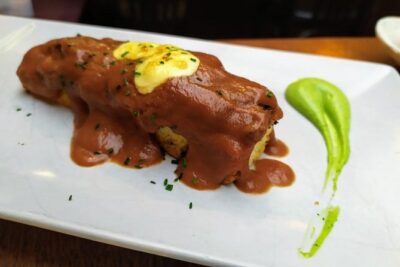
Sevilla Food Tour: Tapas, Wine, History & Traditions
Read our review →
Tromsø: Reindeer Camp and Sami Cultural Tour with Lunch
Read our review →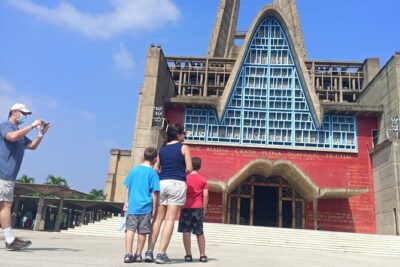
Half Day Dominican Republic Cultural Tour : Small Group
Read our review →
Ultimate Melbourne Walking Tour: History, Laneways & Culture
Read our review →
Tromsø: Sámi Reindeer Sledding and Sami Cultural Tour
Read our review →
Kyoto Gion: 2-Hour Geisha Culture & History Walking Tour
Read our review →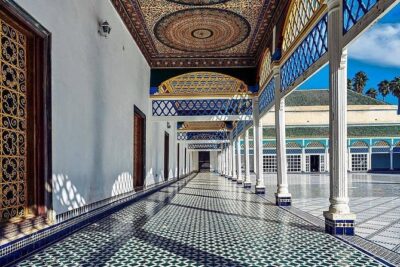
Marrakech Historical and Cultural Tour – Half Day City Tour
Read our review →Browse the lists this tour appears in