Review · BUENOS AIRES PROVINCE
Buenos Aires: Historic Buenos Aires Landmarks & Icons Tour
Buenos Aires reveals itself one square at a time. This $20 walking tour packs the city’s central landmarks into 150 minutes, with Casa Rosada and Plaza de Mayo at its core. I like the strong historical focus, and I also like the chance to see several major buildings without spending a full day on a formal museum visit. The main drawback is the amount of walking, along with the fact that the advertised tour language is Spanish.
Guide Miguel receives especially warm praise for his clear explanations, patience, and personal care. He has even adapted the tour into English when a booking was made in Spanish, though you should not rely on that as a standard feature. You will need comfortable shoes, sun protection, water, and a little tolerance for outdoor sightseeing in changing weather.
Key points at a glance
- Plaza de Mayo is the tour’s historical anchor, surrounded by Argentina’s most important civic and religious buildings.
- Casa Rosada, the Cabildo, and the Metropolitan Cathedral give you three very different views of the city’s past.
- The Monument to Juan de Garay marks Buenos Aires’ second founding, adding a useful layer to the usual postcard stops.
- The Bicentennial Museum offers an indoor pause with presidential objects and notable works of art.
- Manzana de las Luces brings together old religious, educational, and civic history in one compact area.
- Miguel is a major strength, especially if you value detailed explanations and a guide who welcomes questions.
Why this short Buenos Aires walk works
Buenos Aires can feel sprawling when you first arrive. Its grand avenues, formal plazas, colonial remnants, and later European-style buildings do not always fit together at a glance. This tour helps you arrange the central district into a readable story.
The route begins at Plaza de Mayo, near the flagpole. That is a sensible meeting point because the square gives you an immediate view of several major sites. From there, the walk moves through political power, religion, government, commerce, and public memory.
At $20 per person, the value is good if you want orientation and explanation rather than a long list of photo stops. You are paying for a live Spanish-speaking guide and roughly two and a half hours on foot. You are not paying for food, drinks, hotel transfers, or a private vehicle.
The tour earns its price through context. You can photograph Casa Rosada on your own, but a guide can explain why the building matters, how the surrounding square functions, and how nearby institutions fit into Argentina’s national story. That difference is important in Buenos Aires, where a single block can hold several centuries of change.
A few more history tours around the world worth a look
- History and Hauntings of Salem Guided Walking Tour
★ 5.0 · 14,564 reviews - Colosseum: Underground and Ancient Rome Tour
★ 4.7 · 12,691 reviews - Lisbon: History, Stories and Lifestyle Walking Tour
★ 4.8 · 10,902 reviews
Plaza de Mayo and Casa Rosada
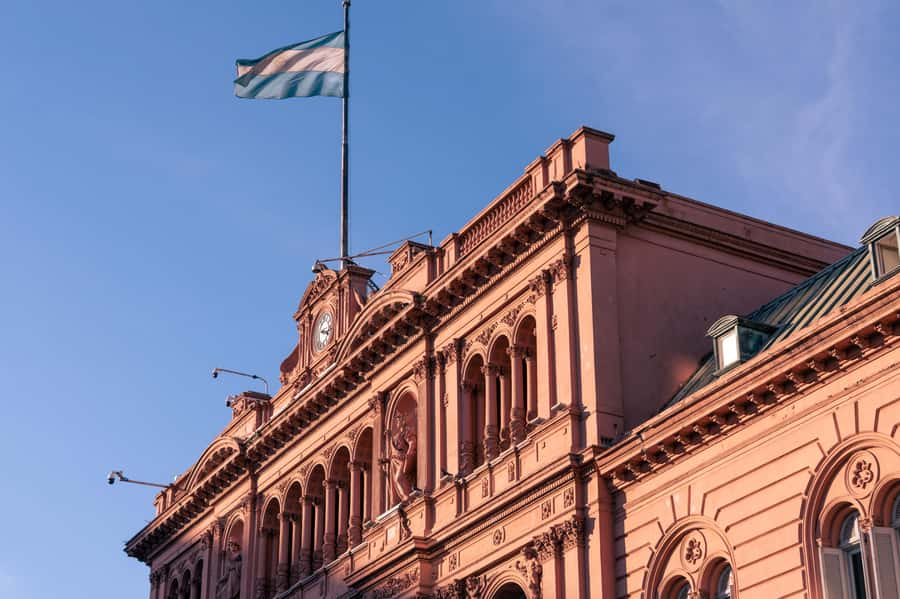
Casa Rosada is the natural headline stop. The pink presidential building faces Plaza de Mayo and is one of the most recognizable sights in Argentina. The scheduled visit here is brief, around 10 minutes, so expect a guided look and photo opportunity rather than an extended interior tour.
I like this arrangement for a first visit because you get the essential view without allowing one building to swallow the whole morning. Your guide can point out the building’s place in national politics while you take in the broad square and its surrounding architecture.
The square itself deserves more than a quick snapshot. It is one of the country’s key public spaces, and the buildings around it represent different kinds of authority. You see the executive branch at Casa Rosada, religious power at the cathedral, colonial administration at the Cabildo, and financial and civic institutions nearby.
Give yourself a moment to look beyond the pink facade. The scale of the square is part of the experience. It has room for public gatherings, ceremonies, demonstrations, and everyday city movement. That makes it feel less like a decorative plaza and more like a working stage for national life.
Garay Monument and the city’s second beginning
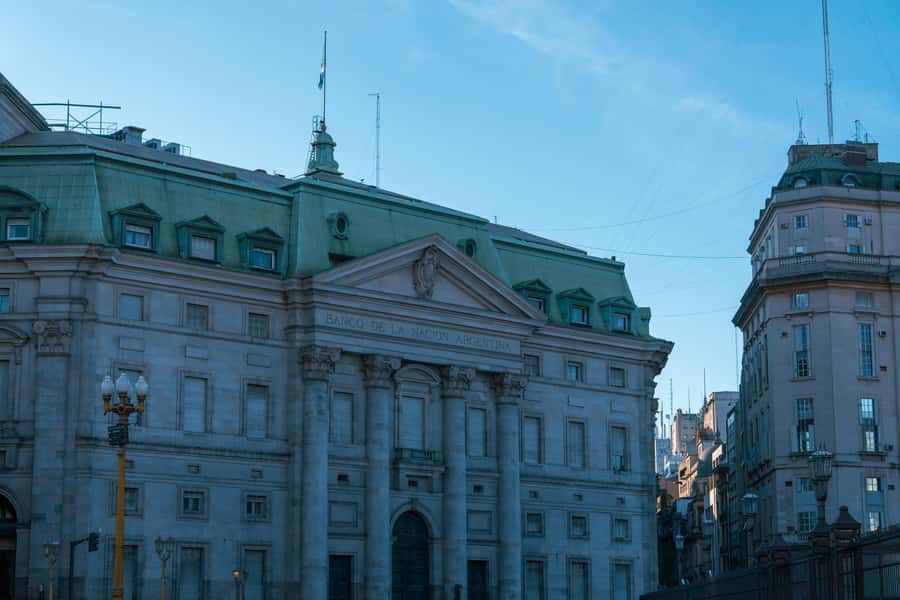
The Monument to Juan de Garay adds a detail that many quick city walks skip. The site relates to Buenos Aires’ second founding, and the nearby Cultural Center occupies what was once a grand post office palace. The location also offers a broad view toward the historic center.
This is one of the tour’s most useful stops because it challenges the simple version of Buenos Aires’ origin story. You are not just hearing that the city was founded. You are learning that its development involved more than one beginning and that the central district has changed roles over time.
The Garay Monument is listed as a roughly 10-minute stop, so the visit will be focused. I would use this moment to ask your guide how the second founding shaped the city you see today. Miguel is especially well regarded for answering questions and adding details beyond the basic script.
The nearby cultural building also helps you read the city’s changing civic priorities. A former postal palace now serves a cultural purpose, while the surrounding area remains tied to the earliest chapters of Buenos Aires. That contrast gives the stop more weight than its short time slot suggests.
The Bicentennial Museum and Argentina’s national memory
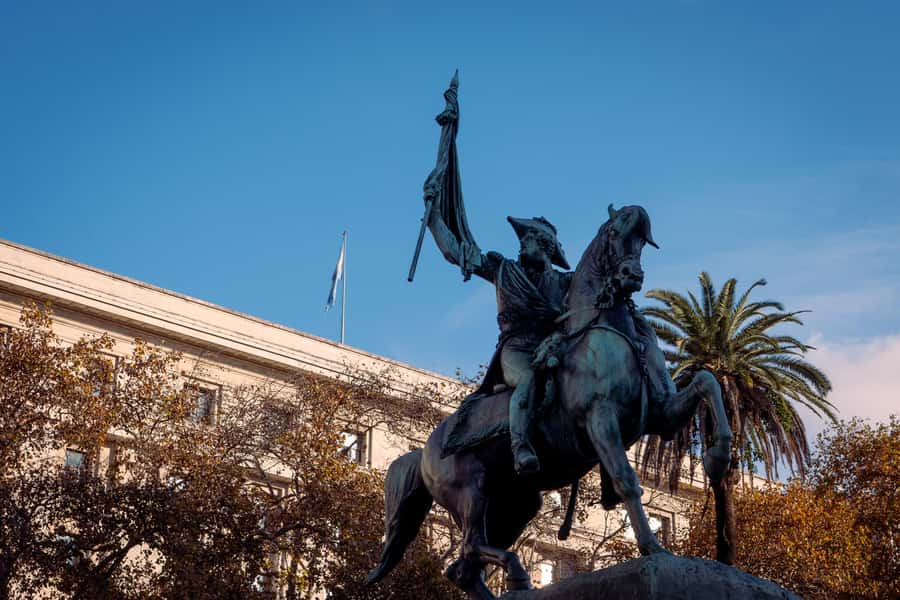
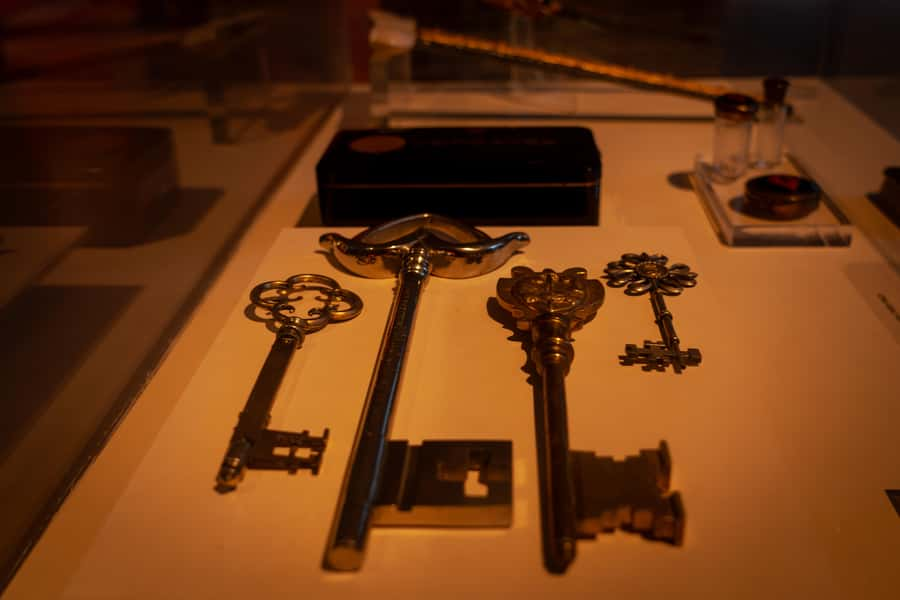
The Bicentennial Museum receives about 20 minutes, making it one of the longer stops. It houses objects connected with past presidents along with important works of art. For you, this is a useful chance to shift from outdoor monuments to physical evidence of Argentina’s political past.
Museums about national history can easily become a blur of names and dates. A good guide makes objects easier to place. Miguel’s strength, according to the supplied feedback, is his ability to make historical material interesting rather than dry, so this is likely where his storytelling matters most.
The museum also gives the walking tour a better rhythm. Two and a half hours outside can feel long in strong sun, and a museum stop breaks up the pavement. Still, do not expect enough time for a full museum visit. Twenty minutes is better understood as a guided introduction.
If you have a special interest in presidential history or art, you may want to return independently with more time. The tour gives you a framework, then lets you decide which subjects deserve a second look.
Same place, a different slice of the past:
- London Small Group Tour of Historical Pubs
★ 5.0 · 10,422 reviews - Prague: Oldtown, Medieval Underground & Dungeon History Tour
★ 4.3 · 10,277 reviews - Charleston’s Old South Carriage Historic Horse & Carriage Tour
★ 5.0 · 10,023 reviews - Edinburgh: Edinburgh Castle Guided History Tour with Tickets
★ 4.8 · 9,933 reviews
Metropolitan Cathedral and the Cabildo
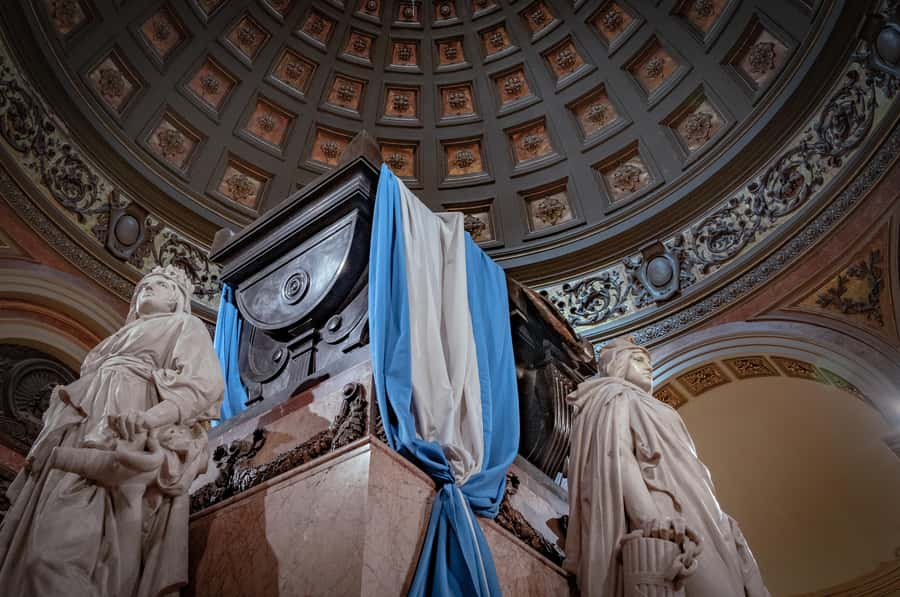
The Buenos Aires Metropolitan Cathedral is another 20-minute stop. It offers a sharp contrast with the political buildings across the square. The cathedral’s presence helps explain why Plaza de Mayo has remained such an important center: faith, government, and public life meet within a short walk.
The visit combines sightseeing and explanation. You can expect time for photographs and a guided look rather than a long religious service or quiet architectural study. Dress and behave respectfully, since this remains an active religious space.
The Cabildo, also scheduled for about 20 minutes, preserves the story of the city and the nation. Its importance comes partly from its role as a surviving colonial-era civic building. It gives you a physical link to an earlier Buenos Aires, before the city took on its later grand scale.
I particularly like having the cathedral and Cabildo together in the same route. They are close enough to compare, but they represent very different institutions. One expresses religious life, while the other connects with civic administration and the city’s colonial past.
The drawback is time. If you enjoy architecture, you may want to linger over facades, interiors, and small details longer than the schedule allows. This tour favors breadth over close study.
Manzana de las Luces and the final city views
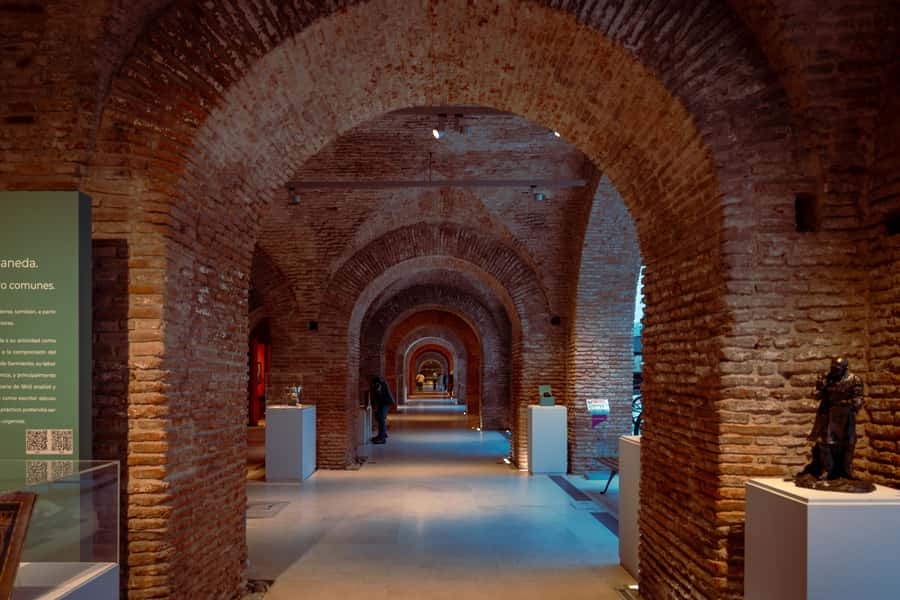
Manzana de las Luces is the final listed major stop and receives around 20 minutes. The name refers to a historic block associated with religious, educational, and civic activity. It is a fitting place to finish the core historical portion because it brings several strands of Buenos Aires together in one compact setting.
This is the kind of stop that benefits from a guide. Without explanation, you might see old walls and buildings without understanding why the block matters. With context, the site becomes part of the city’s early intellectual and institutional life.
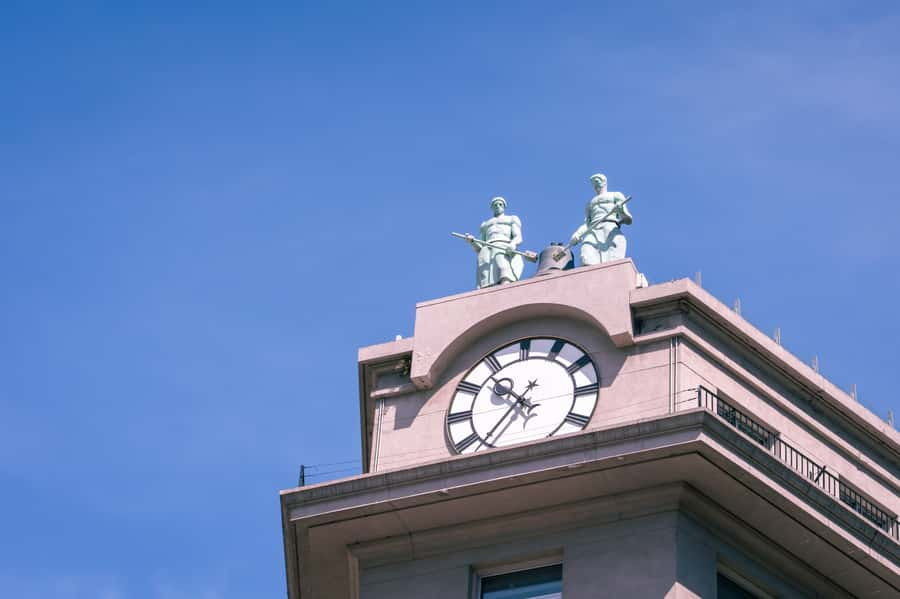
The wider route also takes in the Bank of the Argentine Nation, the City Legislature with its tall clock, the Ministry of Defense, the National Customs House, and Comic Strip Plaza. These additions broaden the walk beyond the most familiar postcard sights.
The Bank of the Argentine Nation and Ministry of Defense help show the sheer scale of the central district’s public buildings. The National Customs House points toward Buenos Aires’ commercial importance, while Comic Strip Plaza adds a lighter, more popular note to a route otherwise filled with government, religion, and political memory.
Because the experience finishes at the National Customs House and Comic Strip Plaza, you do not end only with solemn history. The final stop gives the walk a change of mood and a more everyday connection with Argentine culture.
Miguel’s guiding style and the language question
The guide can make or break a history walk, and Miguel appears to be the central strength here. He is repeatedly praised for strong subject knowledge, clear explanations, kindness, flexibility, and a warm manner.
One especially useful detail is his ability to adjust to questions and the needs of the group. He has explained the city to visitors with limited Spanish and, in one case, conducted the tour in English after an incorrect language booking. He also introduced one participant to the basics of drinking mate, Argentina’s famous shared tea tradition.
Still, the activity information identifies Spanish as the tour language. If you need English, confirm before booking rather than assuming Miguel will be available or able to switch. His flexibility is encouraging, but it is not the same as a guaranteed English tour.
The high rating of 4.9 from 37 ratings supports the idea that the guide’s explanations are a major part of the value. I would choose this experience for someone who wants a human voice, room for questions, and more than memorized dates.
Walking conditions, timing, and preparation
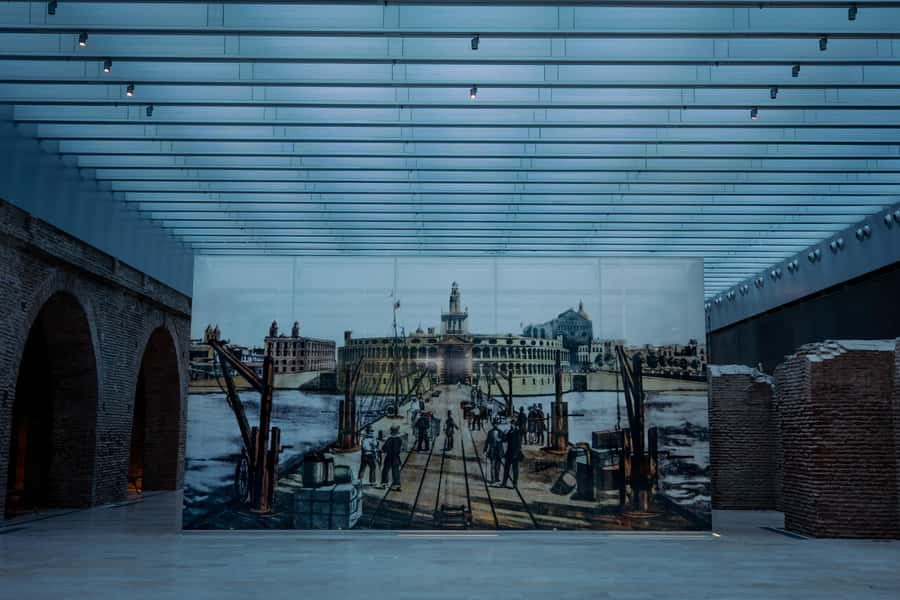
The tour lasts 150 minutes and involves a significant amount of walking. You should wear comfortable shoes, bring a hat, apply sunscreen, and carry water. Check the weather before leaving because much of the experience takes place outdoors.
There is no hotel pickup or drop-off. You meet near the flagpole at Plaza de Mayo, so plan your own way to the square and allow enough time to find the guide. Food and drinks are also not included.
The experience is not suitable for wheelchair users or people with mobility impairments. That limitation matters because the route links several central sites on foot, with little indication of adapted access or a vehicle alternative.
The best time to take it is early in your Buenos Aires stay. You will get a useful map of the historic center, learn which buildings deserve a return visit, and gain background that can make later independent sightseeing more rewarding.
Free cancellation is available up to 24 hours before the tour for a full refund, and you can reserve while paying later. Those terms are helpful if your schedule or weather plans are still unsettled.
Is $20 a fair price?
Yes, for the right kind of visitor. At $20, the tour is inexpensive for 150 minutes of live guiding through some of Buenos Aires’ most important central sites. You are getting structure, local explanation, and a chance to ask questions without booking a much longer private outing.
The price is less compelling if you prefer to move slowly, read every museum label, or spend a long time inside one building. The schedule touches many places, but several stops are short. You may leave with a strong overview rather than a detailed study of each monument.
The language also affects value. Spanish speakers are likely to get the clearest version of the experience. Non-Spanish speakers should confirm whether English support is available before paying.
Who should book this tour?
I would recommend it to first-time visitors, history fans, and anyone who wants a fast but meaningful introduction to central Buenos Aires. It is also a good fit if you enjoy asking questions and prefer a guide who can connect buildings to people, politics, and daily customs.
You may want a different experience if you have limited walking ability, need guaranteed English, or prefer a relaxed pace with long interior visits. Families and older visitors should think honestly about the distance and outdoor conditions before booking.
Should you book it?
Book this tour if you want the city’s main historic center explained by a personable guide, especially if Miguel is leading your departure and Spanish works for you. The combination of Plaza de Mayo, Casa Rosada, the cathedral, Cabildo, Bicentennial Museum, Garay Monument, and Manzana de las Luces gives you a lot for $20.
Skip it if you need wheelchair access, guaranteed English, or extended time at individual sites. For most able-bodied visitors seeking a practical first look at Buenos Aires, this is a strong-value walk with real historical substance and a guide who appears to care about the people in front of him.
FAQ
Where does the tour start?
The meeting point is near the flagpole at Plaza de Mayo.
How long does the tour last?
The tour lasts 150 minutes, or two and a half hours.
What language is the tour in?
The listed tour language is Spanish. Miguel has adapted explanations into English in at least one reported case, but English is not identified as the standard language.
How much does the tour cost?
The listed price is $20 per person.
Is hotel pickup included?
No. Hotel pickup and drop-off are not included.
Are food and drinks included?
No. You need to arrange your own food and drinks.
What should I bring?
Bring comfortable walking shoes, a hat, sunscreen, and water. Check the weather and dress for outdoor conditions.
Is the tour suitable for wheelchair users?
No. The experience is not suitable for wheelchair users or people with mobility impairments.
Which major sites are visited?
The route includes Casa Rosada, the Monument to Juan de Garay, the Bicentennial Museum, the Buenos Aires Metropolitan Cathedral, the Cabildo of Buenos Aires, and Manzana de las Luces. It also covers other central landmarks, including Plaza de Mayo and the National Customs House.
Can I cancel for a refund?
Yes. You can cancel up to 24 hours in advance for a full refund. You can also reserve now and pay later.
Just added around the world
- The Queenstown Story @ Cobh Heritage Centre , Great Stories of Emigration.★ 4.5 · 181 reviews
- Visit 16 Sites Key Historical Sites And Experience Cobh Rebel Tours★ 5.0 · 167 reviews
- Historical Bicycle Tour of Dunedin★ 5.0 · 44 reviews
- Cincy Brunch History and Streetcar Tour with Riverside Food Tours★ 5.0 · 108 reviews
- 2.5 Hour Kayaking with Manatee and History Tour in Tarpon Springs★ 5.0 · 24 reviews
- Private Tour in Chichen Itza Official History Guide★ 5.0 · 36 reviews
- Dazu Ancient Rock Carvings Private Tour Extension★ 5.0 · 24 reviews
- Chicago River Architecture Tour Aboard a Historic Yacht★ 5.0 · 45 reviews
Tours, compared.
History and Hauntings of Salem Guided Walking Tour
Read our review →
Colosseum: Underground and Ancient Rome Tour
Read our review →
Oldtown, Medieval Underground & Dungeon History Tour
Read our review →
Charleston’s Old South Carriage Historic Horse & Carriage Tour
Read our review →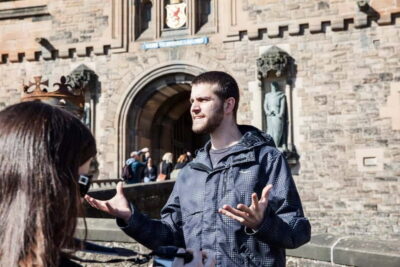
Edinburgh Castle Guided History Tour with Tickets
Read our review →