
Review · INDIA
The Cultural And Historical Walking Tour in Margao
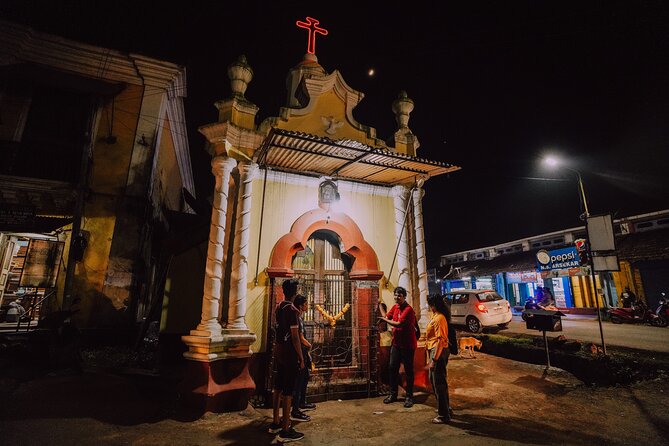
Margao’s back lanes tell the best stories. This three-hour walk begins at the 450-plus-year-old Holy Spirit Church, then moves through old neighborhoods, Goan mansions, Portuguese-era buildings, and a site linked to the Margao Massacre. I like the small-group format, listed for up to eight people, and I like that local snacks are part of the outing rather than an extra expense. The main concern is that the quality may depend heavily on your guide, since one detailed account found the historical commentary thinner than expected.
At $11.15 per person, this is an easy-priced way to get your bearings in Margao without arranging transport. You should be comfortable walking through winding lanes for about three hours, and you should note that the additional tour information lists a maximum of 10 participants, not eight. That difference is minor, but it means the group size may vary.
Five things to know before you go
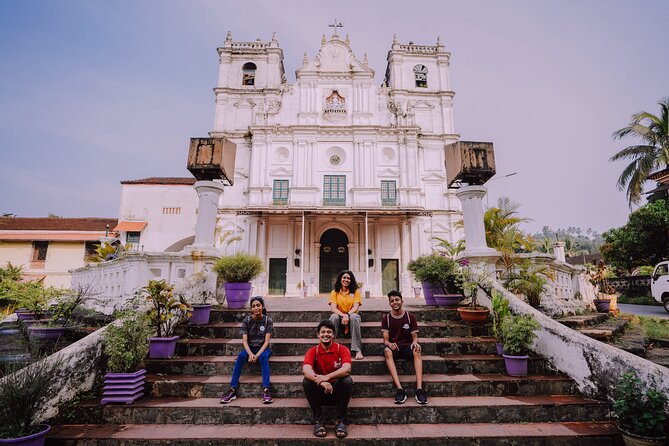
- The walk starts at Holy Spirit Church: You meet at Holy Spirit Road in Borda, Margao, at 4:00 pm.
- The church is more than a photo stop: Its 450-plus-year history, architecture, and unusual yearly phenomenon form the opening story.
- The route reaches beyond major sights: You pass through lanes, suburbs, old houses, and structures linked to Portuguese rule.
- Food is built into the price: Pre-decided portions of local snacks are included at local food joints.
- It is a good value for curious walkers: The fee includes snacks, fees, taxes, and Soul Travelling goodies, but not extra drinks or meals.
Why Margao works well on foot
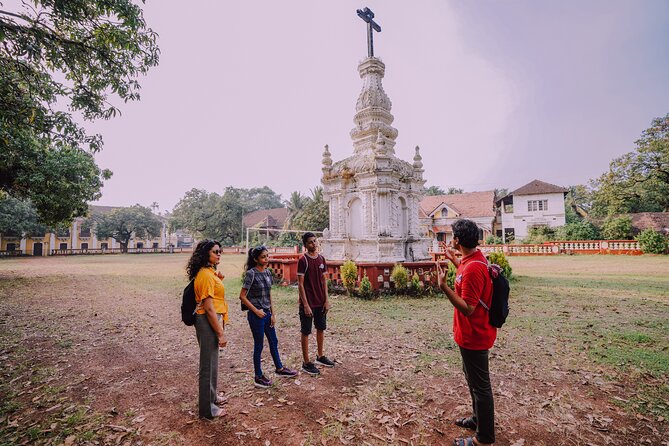
Margao is Goa’s economic and cultural capital, but it is not presented here as a quick list of monuments. The appeal is the connection between ordinary streets and the events that shaped the town. You walk through areas where old houses, churches, and civic buildings sit close to modern daily life.
That makes this a useful choice if you want more than a drive past grand buildings. A vehicle can show you a facade. A walking tour lets you notice the lanes between the landmarks, the scale of the houses, and the details in old architecture that are easy to miss from a car.
I also like the late-afternoon start. The meeting time is 4:00 pm, which avoids the middle of the day and gives the route a more relaxed rhythm. The tour lasts about three hours, so you should be ready to walk through the early evening. The exact pace and number of stops may depend on the group and the guide.
This is not a sightseeing bus with a long list of distant stops. You return to the starting point at Holy Spirit Church, so the activity stays focused on central Margao and does not require private transport.
More History Walking Tours in India
- Fontainhas Heritage Walk by Make It Happen
★ 5.0 · 2,834 reviews - The Great Indian Food Tour: Old Delhi Food and Heritage Walk
★ 5.0 · 1,698 reviews - Old Goa Heritage Walk by Make It Happen
★ 5.0 · 797 reviews
Holy Spirit Church opens the story
The first stop is the Church of the Holy Spirit, on Holy Spirit Road in Borda. The church is described as more than 450 years old, making it a fitting place to begin a walk through Margao’s past.
The church’s appeal comes from two promised subjects: its design and a special phenomenon that takes place every year. The details are meant to be explained on site, so this is one of the moments when the guide’s storytelling matters most. You get more value here if you listen for the connection between the building’s form, its age, and the local traditions attached to it.
I would not treat the church as a simple opening photo stop. It sets up the larger question of the walk: how did Margao develop, and what do its buildings reveal about that process? The tour uses the church as a doorway into the town rather than as an isolated attraction.
There is one practical point to keep in mind. Religious sites can require respectful behavior, and the tour description does not spell out clothing or photography rules. Since the church remains an active place of worship, a considerate approach is sensible.
Back lanes, old houses, and local stories
After the church, the route moves into winding back alleys and suburban lanes. This is where a guide adds real value. Margao’s older streets can be confusing if you do not know the area, and the walk is designed to lead you through them without the stress of finding the way yourself.
The tour focuses on Goan mansions and architecturally important houses. You are encouraged to look at the details rather than only the overall size of each building. Doors, windows, facades, and other features can carry clues about the town’s earlier owners, customs, and connections.
I like this part because it gives you a reason to slow down. The most useful walking tours teach you how to look after the tour ends. Once you know that a house may hold a story in its design, you are more likely to notice similar details elsewhere in Goa.
The drawback is that the available information does not name the individual houses or provide a complete list of stops. You will hear stories as you go, but you should not book this expecting a formal architectural survey with detailed documentation for every building.
The mansion linked to the Margao Massacre
One of the strongest historical stops is a Goan mansion connected with the event known as the Margao Massacre. The property is described as holding marks linked to battles fought during the making of Margao.
That gives the walk a darker edge. Old buildings are often presented as pretty backdrops, but this stop ties architecture to conflict and local memory. You are not simply looking at a large house. You are being asked to consider what happened there and how violence affected the town’s development.
The description does not provide a full account of the massacre, the date, or the precise name of the mansion. That means the depth of the explanation will depend on what your guide shares. One account of the tour found the guide enthusiastic but not strong on Margao’s history and heritage, with only a few anecdotes about selected houses. I would treat that as a fair warning: the subject matter is promising, but the delivery may not always match the scope suggested by the tour.
Still, this stop can be especially worthwhile if you prefer local stories that are not reduced to postcard views. Ask clear questions if the explanation feels brief. A small group gives you a better chance to do that than a large coach tour.
More Local Culture and Traditions Tours in India
- Old Delhi Food, Heritage&Cultural Walk with Rickshaw ride to Masterji Kee Haveli
★ 5.0 · 742 reviews - Experience Bangalore – City Tour, Authentic Food & market (Food/Culture/History)
★ 5.0 · 156 reviews - Old Delhi Walking Tour: Food, Culture & Spice Bazaars
★ 5.0 · 94 reviews - See Bangalore through my eyes (Cultural / Historical / Walking Tour)
★ 5.0 · 60 reviews
How Margao was established
The route then turns to the town’s formation. The walk uses houses, lanes, and public buildings to explain how Margao grew into an important Goan center.
This is the part where the tour’s connected approach matters most. Instead of treating the church, mansion, and Portuguese structures as separate attractions, the guide is meant to link them into a story about settlement, power, commerce, and public life. You can expect to hear how the town was established while moving from one architectural clue to the next.
The buildings associated with the Portuguese are another important part of the route. Some were once crucial to administration or public life, though the supplied details do not identify every structure. You will get the most from this section if you pay attention to how the buildings fit into the streets around them, not just how they look in photographs.
The tour does not promise entry into every building. Much of the value comes from seeing the exterior and hearing the local context. If you want a long series of interior visits, this may feel limited. If you enjoy reading a town through its streets, it should be a better match.
A monument with a national connection
The walk also visits a special monument that hosted one of India’s greatest personalities. The person is not named in the available details, so you should not book this portion expecting a specific famous-person site unless the guide confirms it on the day.
Even without a name, the stop adds another layer to Margao’s story. The tour moves from church history and local conflict to a place linked with a major figure in India’s public life. It suggests that Margao’s importance was not only local.
This is also a reminder to keep your expectations measured. The monument is part of a broader walking route, not described as a full museum visit or an extended landmark tour. The experience is about connections between places, stories, and neighborhoods.
Local snacks at the end
The final stop includes local delicacies at food joints, with snacks served in pre-decided portions. This is a welcome part of the tour because it gives the walk a clear finish and adds a taste of everyday Margao.
The food is included, along with Soul Travelling goodies and all fees and taxes. You do not need to budget separately for the planned snack portion. Extra meals, food, and drinks are not included, so you should not expect the tasting to replace dinner.
The exact snacks are not named. That is useful to know if you have dietary restrictions or strong food preferences. Ask the provider ahead of time if the contents matter to you. Since the portions are pre-decided, you may have less choice than at a normal restaurant.
I like the principle here. A small local snack can tell you as much about a place as a grand building, and it gives you a chance to pause after the walking portion. Just keep your expectations realistic: this is a snack stop, not a full food tour.
Group size, pace, and comfort
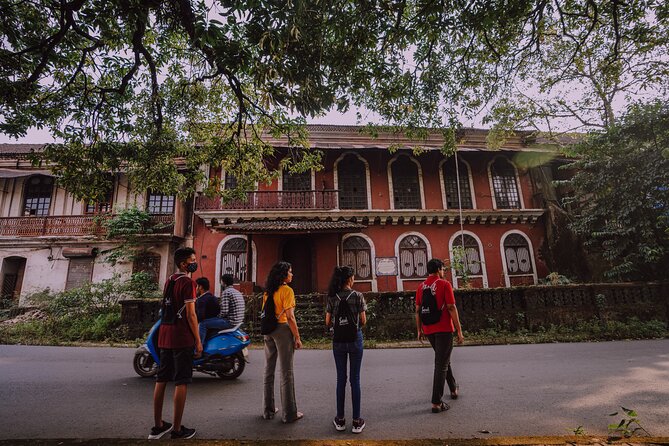
The main description sets the group size at a maximum of eight, while the additional information says the activity can have up to 10 participants. Either way, this is much smaller than a typical city sightseeing group.
A smaller group matters on a walking tour. You can hear the guide more easily, ask questions, and move through narrow lanes without creating a large crowd. It also gives the guide a better chance to respond to your interests.
You should be comfortable walking for roughly three hours. The route includes back alleys, lanes, and suburbs, but no mobility details are provided. Anyone who needs specific accessibility arrangements should confirm them before booking rather than assume the route will be fully accessible.
The tour is best for people who enjoy being on foot and listening to local stories. It is less suitable if you prefer air-conditioned transport, fixed seating, or a short list of major sights with little explanation.
Is $11.15 good value?
At $11.15 per person, the price is modest for a three-hour guided activity. The fee covers the planned snacks, Soul Travelling goodies, and all fees and taxes. Since private transport is not included, the value comes from the guide, route, interpretation, and food rather than from vehicle service.
I consider that a good deal if the guide delivers strong local context. You are paying less than many private sightseeing options while still getting a planned route through old Margao. The small group also helps the price feel fair.
The value becomes weaker if the commentary is too general. One detailed account described an enthusiastic young guide but found the explanations of Margao’s history and heritage limited. That does not mean every departure will be the same, but it is the clearest reason to keep expectations balanced.
You can improve the experience by reading a little about Margao before arriving and asking questions during the walk. The route includes several subjects worth exploring, including the church’s unusual annual phenomenon, the Margao Massacre, the town’s development, and the Portuguese-era structures.
Who should book this Margao walk?
I would choose this tour if you want to explore Margao without arranging a car, prefer a small group, and enjoy local history told while you walk. It is also a good fit if you like architecture but want to see buildings in their neighborhood setting rather than as isolated stops.
The tour suits mobile visitors who can manage a three-hour walk and are happy with an afternoon start. It works particularly well for someone spending time in Goa who wants to look beyond beach areas and see a more civic, cultural side of the region.
I would be more cautious if you need a highly academic history tour, exact architectural information, or guaranteed access inside every building. The guide’s ability to explain the sites is important, and the available details do not promise a specialist historian.
Free cancellation is available if you cancel at least 24 hours before the 4:00 pm start time. Cancellations within 24 hours are not refunded, and changes inside that period are not accepted.
Should you book it?
Book this Margao walking tour if you value local streets, old houses, church history, and a small taste of Goan food more than polished sightseeing machinery. The price is low, the route has strong subjects, and the 4:00 pm timing is practical.
Go with realistic expectations. You may get an excellent storyteller, or you may receive a lighter set of anecdotes than the subject deserves. If you can accept that uncertainty, this is a sensible and affordable introduction to Margao, especially for visitors who would rather walk through the town than simply pass it by.
FAQ
How much does the Cultural And Historical Walking Tour in Margao cost?
The price is $11.15 per person.
How long does the Margao walking tour last?
The tour lasts approximately three hours.
What time does the tour start?
The tour starts at 4:00 pm.
Where does the tour meet?
The meeting point is the Holy Spirit Church on Holy Spirit Road in Borda, Madgaon, Goa 403601, India.
Where does the tour finish?
The activity ends back at the meeting point at Holy Spirit Church.
How many people can join the tour?
The main tour information lists a maximum of eight people, while the additional information gives a maximum of 10 participants.
Are snacks included?
Yes. Pre-decided portions of snacks at local food joints are included.
Is transportation included?
No. Private transportation is not included. The tour is a walking activity.
Can I cancel for a full refund?
Yes, if you cancel at least 24 hours before the experience start time. Cancellations made within 24 hours are not refunded.
Just added around India
- Georgetown heritage walking tour in Chennai about the founding of Chennai★ 5.0 · 144 reviews
- Private Chennai Day Tour – Art History and Contemporary Chennai★ 5.0 · 21 reviews
- Chennai Heritage & Cultural Walk (2 Hours Guided Walking Tour)★ 3.5 · 32 reviews
- Exploring Mylapore: A Cultural & Historical Walking Tour★ 5.0 · 42 reviews
- See Bangalore through my eyes (Cultural / Historical / Walking Tour)★ 5.0 · 60 reviews
- Malleswaram heritage walk, an immersive walking tour in Bangalore★ 5.0 · 20 reviews
- Treasures of Mysuru – day tour★ 5.0 · 27 reviews
- Bangalore: Walk In the Footsteps of Maharajas & Sultans★ 5.0 · 18 reviews
Local Culture & Traditions Tours, compared.

Amsterdam Food and Cultural Tour with Tastings
Read our review →
Sevilla Food Tour: Tapas, Wine, History & Traditions
Read our review →
Tromsø: Reindeer Camp and Sami Cultural Tour with Lunch
Read our review →
Half Day Dominican Republic Cultural Tour : Small Group
Read our review →
Ultimate Melbourne Walking Tour: History, Laneways & Culture
Read our review →
Tromsø: Sámi Reindeer Sledding and Sami Cultural Tour
Read our review →
Kyoto Gion: 2-Hour Geisha Culture & History Walking Tour
Read our review →
Marrakech Historical and Cultural Tour – Half Day City Tour
Read our review →Browse the lists this tour appears in