
Review · SOUTH WEST IRELAND
Private Ennis Essential History Tour with Dr Jane O’Brien
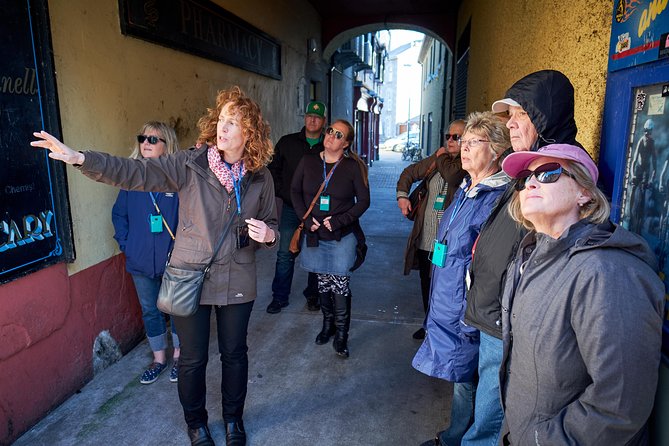
Ennis reveals itself on foot. This private walk with Dr Jane O’Brien turns a short visit into a lively lesson in Clare history, linking medieval markets, Catholic emancipation, famine hardship, and ordinary town life. I especially like the small group format for up to six people and Jane’s use of real historical sources and personal stories to give the streets a human voice.
I also like the route’s practical design: it covers the central sights in about 70 minutes and ends near the Cathedral of Saints Peter and Paul, with the option to return through the pedestrian shopping street. The main consideration is pace. With eleven stops packed into a little over an hour, you get a sharp introduction rather than long visits inside each place.
Key points at a glance
- Eleven central Ennis stops: The route links the Clare Museum, Ennis Friary, market areas, old lanes, churches, and historic buildings.
- A private walk for up to six: You can ask questions and keep the experience focused on your own group.
- Dr Jane O’Brien leads the tour: Her approach combines documented events with stories about people who lived through them.
- A strong social history focus: Catholic emancipation, the Great Famine, industrial schools, crime, punishment, and market life all feature.
- Easy listening option: Jane can use an amplification device if you need clearer sound.
- Food belongs to another version: Snacks and local tastings are part of the Gourmet History Tour, not a stated feature of this Essential History Tour.
Why this short Ennis walk is worth your time
Ennis can look like a pleasant market town that you pass through on the way to somewhere else. A guided walk helps you see the layers beneath the shopfronts. The town began in the 13th century, grew around religious and market activity, and later became a setting for political change, poverty, punishment, and community life.
I like that this is not simply a parade of famous buildings. Jane’s route uses places where history happened, including narrow bow-ways, a former gallows area, a famine-era lane, and the site of an orphanage and industrial school. You are not just looking at architecture. You are asking who used these spaces, who had power, and who suffered.
The experience costs $270.32 per group of up to six. That price makes more sense for a full group than for one or two people. Split six ways, it is about $45 per person; split between two people, it is about $135 each. For a private guide with a strong local focus, the value is best when you can fill most of the group.
The tour is also a good first activity in Ennis. It gives you a map in your head, points out places you can revisit, and helps you understand why the town matters in County Clare.
More Private History Tours in Ireland
- Dublin Private Highlights & History of 1916 Easter Rising Tour
★ 5.0 · 154 reviews - Dublin Historical Centre Private Food Tour with 8 Food Tastings
★ 5.0 · 152 reviews - The History of Dublin With Locals: 1916 Easter Rising PRIVATE Tour
★ 5.0 · 73 reviews
Starting beside the Clare Museum
You meet at the Ennis Tourist Information Centre on Arthur’s Row, beside the Clare Museum. The opening stop is the former convent site connected with the Sisters of Mercy, and Jane uses it to introduce Ennis as a medieval market town with roots reaching back to the 13th century.
This is a useful beginning because it sets the town in context before the walk gets into individual events. You get an idea of how Ennis developed and why religious institutions mattered so much to its growth.
The stop is scheduled for about five minutes. That tells you something about the tour’s rhythm: Jane offers a focused explanation, then moves you onward. If you prefer lengthy museum visits, you will need extra time before or after the walk. Admission to the stop itself is free.
Daniel O’Connell and the road to Catholic emancipation
At the Daniel O’Connell Monument, the tour shifts from medieval foundations to Irish political life. This central spot is tied to events surrounding Catholic Emancipation, a major milestone in the struggle for Catholic political rights.
The value here is not only the monument. Jane connects the object to public events and the way political change was experienced in Ennis. A statue can feel easy to overlook when you are shopping or crossing town. With context, it becomes a marker of a national movement that reached directly into this local community.
You spend around five minutes here. I would pay close attention to Jane’s explanation rather than expect a long photographic stop. The attraction is the story attached to the site.
Bow-ways, cramped housing, and the less polished town
On Abbey Street, Jane takes you into one of Ennis’s atmospheric bow-ways. These narrow lanes linked the main streets with poorer tenement areas, offering a glimpse of how the town was arranged beyond its respectable facades.
This is one of the more useful stops for understanding daily life. Grand buildings often tell you about institutions and wealthy families. A cramped lane tells you more about movement, housing, and social class.
The stop also helps balance the pleasant image of Ennis. You will see attractive streets, but the town’s past included overcrowding and hardship. The lane is brief, around five minutes, yet it gives the walk some grit.
Same place, a different slice of the past:
- Dublin Historical Centre Food Tour with 8 Food Tastings & Drinks
★ 5.0 · 1,718 reviews - 2-Hour Historical Walking Tour from Dublin
★ 5.0 · 875 reviews - Celtic Boyne Valley & Ancient Sites Day Tour From Dublin
★ 4.5 · 865 reviews - Historical 2-Hour Guided Walking Tour of Dublin
★ 4.7 · 865 reviews
Ennis Friary and the River Fergus
At Ennis Friary, also described as the Old Ennis Abbey and dating to the 1280s, Jane explains how the Franciscan Friars helped shape the town. The site also offers a view toward the River Fergus and memorials connected with the 1916 uprising against British rule.
This stop brings several strands together: religious life, the town’s physical setting, and Irish nationalism. The river view gives you a change of pace after the tight lanes, while the memorials add a more recent political layer.
The tour does not appear to include a separate admission charge at this stop. Still, the scheduled time is about five minutes, so you should not expect a full guided examination of every feature of the friary. If you want a slower look, note the site and return independently after the walk.
Francis Street and the O’Brien connection
Francis Street is identified as the oldest street in Ennis. It leads toward the former palace of the O’Brien Kings, the family associated with the town’s foundation.
The name O’Brien may have extra meaning for some people. One person who took the tour had a family name connected with Ennis and found it especially rewarding to see where that connection began. If you have family roots in County Clare or an Irish surname with local ties, tell Jane early. The private format gives you more room to connect the general story with your own interests.
This section also includes a visit to the Friary, originally built in the 1850s, where you can see stained glass and enjoy a quieter atmosphere. The supplied details describe both an older Ennis religious site and this later friary, so Jane’s explanation is useful for sorting out the town’s different religious buildings.
Arthur’s Row and difficult institutional history
At Arthur’s Row, the route returns to the old convent building. Here, Jane discusses archived accounts from children connected with the orphanage and industrial school once located on the site.
This is likely to be one of the more serious moments of the walk. The subject is not presented as decorative heritage. It asks you to consider how children experienced institutions that are now represented mainly by buildings, records, and memorial traces.
Five minutes is a short time for a difficult subject, but the focused format can work well. Jane’s use of archived experiences gives the stop a human angle instead of leaving it as a vague reference to the past. If this topic matters to you, you may want to ask a follow-up question while the group is still nearby.
McParland House and the old market town
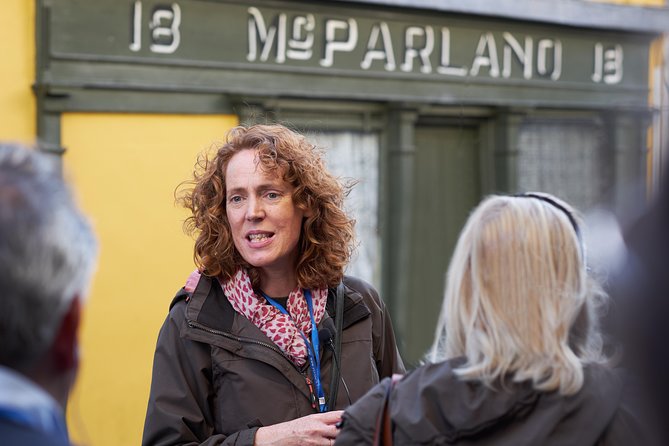
On Parnell Street, you see McParland House, dated to around 1620. It is described as the only known surviving timber-framed house in Ireland and the oldest house in Ennis still in continuous use without major structural changes.
The details are easy to miss unless someone points them out. Look for the old shopfront and half-door. These modest features help you picture the building as part of a working market street rather than as an isolated historic object.
This may be the most visually immediate stop for many people. You can see how an old commercial building remains part of an active town. The scheduled visit is again about five minutes, so expect an exterior explanation rather than a long interior tour.
Chapel Lane and the Great Famine
Beside the Chapel Lane market, Jane explains that the building once served as a church built in 1735 during the penal times. The lane also provides a setting for discussing overcrowding during the Great Famine and the damage that famine caused in Ennis.
This is where the walk moves from national history to local impact. The famine is often taught through broad figures and famous sites. A narrow lane and a market area help you think about where people lived, traded, and struggled.
The subject can be heavy, but it belongs in a town walk that aims to show more than attractive streets. Jane’s approach, based on historical sources and real lives, is especially important here. You are not simply told that hardship occurred. You are shown the kind of place where it was felt.
Market Place and the social life of Clare
Ennis served as the main market town for County Clare for hundreds of years. At Market Place, Jane covers the buying and selling of livestock and produce, but also the social side of market day.
Markets were places to meet friends, arrange matches, exchange news, and sometimes settle disputes through faction fighting. The sculpture at the site gives Jane a way to explain this wider role.
I enjoy this part of the route because it makes the old town feel active. A market was not only an economic machine. It was a weekly gathering that shaped relationships and reputation. The stop also shows why Ennis grew into such an important regional centre.
Barrack Street and the old Gallows Green
Barrack Street occupies what was once known as Gallows Green. Here, Jane draws on the 1660 corporation manuscript of Ennis to explain crimes and punishments recorded in the town.
This is a sharp turn from market life to public authority. Punishments that seem shocking today show how strongly law, fear, and public example shaped earlier communities. The site is a reminder that historic towns were not only places of trade and worship. They also had systems for discipline and control.
You get about five minutes here. The subject is compact but memorable, especially if you like the less comfortable side of local history. Jane’s use of a named manuscript gives the explanation a firm anchor.
Cathedral of Saints Peter and Paul, the final stop
The walk usually ends at the Cathedral of Saints Peter and Paul, the region’s main Catholic church. Construction took place between 1830 and 1870, placing it in a period when Catholic worship and public life were changing in Ireland.
Across from the cathedral is the Old Ground Hotel, on the former site of the town jail. The area also incorporates a towerhouse dating to the 1500s, with a reputation for being haunted. That combination of cathedral, former jail, hotel, and old towerhouse gives the final stop plenty of local character.
You can choose to visit the cathedral after the tour or return to the starting point through O’Connell Street, the main pedestrian shopping street. This is a practical ending because you are not left in an awkward out-of-town location. You can continue sightseeing, shop, eat, or make your way back to the tourist centre.
The pace, group size, and listening setup
The advertised duration is about one hour and ten minutes. Eleven stops are each planned for roughly five minutes, with the remaining time used for walking and transitions. That is efficient, but it is not leisurely.
I would wear comfortable shoes and expect to stay on your feet for most of the experience. The route is designed to increase your step count while showing the central parts of Ennis. If you need to pause often, tell Jane at the start so the pace can be adjusted where possible.
The private format is a real advantage. Only your group participates, with a maximum of six people. You can ask about family connections, religious sites, political events, or any stop that catches your interest without waiting for a large group.
Jane can also use an amplification device. That matters on a walking tour, where traffic, wind, distance, and street noise can make a soft voice difficult to follow. Most people can participate, and service animals are allowed. The route is near public transportation.
Who should book this Ennis tour?
I would choose this walk if you want a fast but serious introduction to Ennis. It suits first-time visitors, people interested in Irish political and social history, and anyone with family links to the town or County Clare.
It is also a good fit for a small family group because the private setting allows Jane to adjust the conversation. The 100 percent recommendation rate and five-star score from 34 ratings point to a consistently strong experience, especially for Jane’s clear explanations and pleasant manner.
You may want a different option if you prefer long indoor visits, a food-led tour, or a relaxed stroll with plenty of free time. Snacks and local tastings belong to the separate Gourmet History Tour, so do not book this Essential History Tour expecting food to be included.
Booking is flexible, with free cancellation up to 24 hours before the start time. Changes or cancellations inside that window are not refunded. Confirmation arrives at booking, and the tour is offered in English.
Should you book the Private Ennis Essential History Tour?
Book it if you want Ennis to make sense quickly. Dr Jane O’Brien connects buildings, lanes, documents, and local memories in a way that a guidebook rarely can. The best value comes when four to six people share the $270.32 group price.
Skip it if you need a slow, deeply detailed architectural tour or a meal included in the price. For most visitors with only a short time in Ennis, though, this is a smart introduction, with enough unusual stories to make the town worth a second look.
FAQ
How long does the Private Ennis Essential History Tour last?
The tour lasts approximately 1 hour and 10 minutes.
Where does the tour begin?
It begins at the Ennis Tourist Information Centre on Arthur’s Row, O’Connell Street, Clonroad Beg, Ennis, County Clare, V95 RX78, Ireland.
Where does the tour end?
The activity ends back at the meeting point, although the tour usually finishes at the Cathedral of Saints Peter and Paul. From there, you can visit the cathedral or return through O’Connell Street.
How many people can join the private tour?
The private tour is for your group only, with up to six people.
Is the tour offered in English?
Yes. The experience is offered in English.
Can the guide use an amplification device?
Yes. Dr Jane O’Brien can use an amplification device to make listening easier.
Is food included on this tour?
The Essential History Tour does not list snacks or tastings as included. Snacks and local food tastings are associated with the Gourmet History Tour.
Are service animals allowed?
Yes. Service animals are allowed.
What is the cancellation policy?
You can cancel up to 24 hours before the experience starts for a full refund. Cancellations or changes made less than 24 hours before the start time are not accepted or refunded.
Just added around Ireland
- Galway City on Foot with Seán: Stories, History, Local Tips, Chat and More..★ 5.0 · 64 reviews
- The Dark History Tour of Galway City★ 5.0 · 146 reviews
- Galway History Walking tour with Local expert – Private Group★ 4.5 · 26 reviews
- Private Dublin Historical and Heritage Tour by Bike★ 5.0 · 30 reviews
- DayTripper Dublin: A Guided City Walking Tour★ 5.0 · 90 reviews
- Historical Walking Tour of Dublin★ 5.0 · 50 reviews
- Dublin LGBTQ Pride Historical and Cultural Walking Tour★ 5.0 · 91 reviews
- Interactive Guided Tour of Printing History★ 5.0 · 23 reviews
Private History Tours, compared.

Private Guided Historic Electric Cart Tour of St. Augustine
Read our review →
Acemoglu Historical Turkish Bath w/Private Options
Read our review →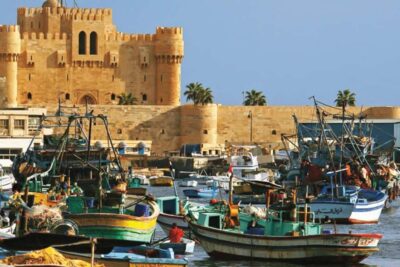
Private Full-Day Tour of Historical Alexandria
Read our review →
Private Tour of the Historic City in a Ford T Car
Read our review →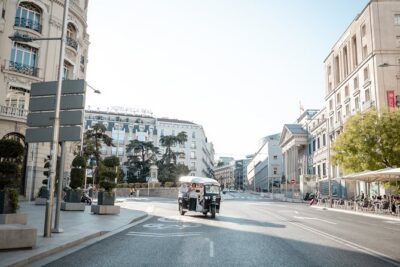
Madrid Historical Tour with Local Guide in Eco Tuk Tuk Private
Read our review →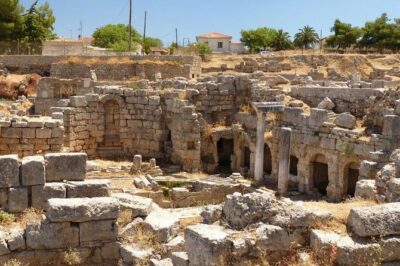
Private Biblical Tour Ancient Corinth & Isthmus Canal from Athens
Read our review →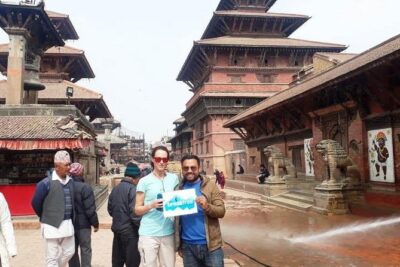
Private Kathmandu Sightseeing Tour | UNESCO World Heritage sites
Read our review →Browse the lists this tour appears in