
Review · CHARLESTON
The Historic Table- 18th and 19th century dining and museum visit
History tastes better at the table. This Charleston supper club joins a seven-course period meal with stories from the Colonial era through Reconstruction, all without marching across town. I like the way culinary historian Mike Hebb connects each dish to daily life, politics, and changing ingredients. I also like the after-hours visit to the South Carolina Historical Society Museum. The main drawback is the $160 price, plus gratuity and most drinks, so this is a special-event splurge rather than a casual dinner.
You meet at 100 Meeting Street at 6 p.m. and finish back there about two and a half hours later. The small group, capped at 16 people, should appeal to history fans, food lovers, and anyone who would rather learn while seated than spend an evening walking Charleston’s streets. Younger children cannot attend, since the experience is for ages 16 and older.
Key points about Charleston’s Historic Table
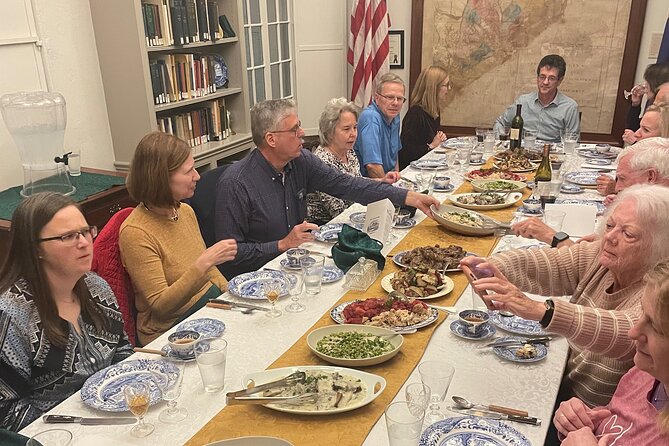
- Seven courses span several centuries: Soup, three period entrees, dessert, and candies are served in a historical dining format.
- Mike Hebb cooks and narrates: He prepares the food, serves it, and explains how ingredients, seasoning, and cooking methods changed over time.
- The museum visit is after hours: You receive access to the South Carolina Historical Society Museum in the Fireproof Building.
- The meal is more than a tasting: Portions are described as generous, and leftovers may be available to take home.
- Bring your own bottle: Water and a glass of Madeira are included, but other drinks are not.
- Small-group setting: A maximum of 16 people makes this more intimate than a standard city tour.
Why a Dinner Table Tells Charleston’s Story
Charleston’s past is often presented through grand houses, churches, forts, and cobbled streets. Those places matter, but food gives you another route into the story. A dish can reveal what grew nearby, what arrived through trade, who cooked it, and who had access to it.
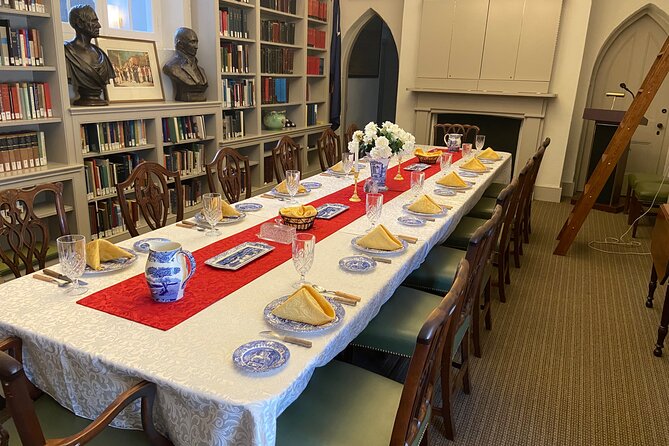
That is the central idea here. Instead of moving from one landmark to another, you stay in one dining room while the meal carries you through time. Each entree represents a different period, with the host explaining the food and the society around it.
This approach has a useful advantage. You are not simply hearing dates and names. You are learning how domestic life worked, how Charleston’s walled city developed, and how food reflected wealth, labor, migration, slavery, war, and social change. The meal becomes a set of historical examples you can taste.
The format also solves a common problem with evening walking tours. Charleston can be a tiring city to explore on foot, especially after a full day of sightseeing. Here, you get a substantial history lesson without wearing out your feet.
More Museum and Gallery History Tours in the USA
- Guided African American History Tour with Reserved Museum Entry
★ 4.5 · 1,180 reviews - Chicago: Field Museum of Natural History Ticket or VIP Tour
★ 4.7 · 717 reviews - Field Museum of Natural History Admission Tickets
★ 4.5 · 489 reviews
Starting at the Fireproof Building
The evening begins at 100 Meeting Street, home of the South Carolina Historical Society Museum. You receive a free after-hours visit as part of the experience, and the museum portion lasts about 30 minutes according to the detailed descriptions of the evening.
The building itself is an important part of the stop. The Fireproof Building is identified as the first fireproof building in the nation. That gives the museum visit a strong sense of place before dinner even starts.
You can browse the exhibits before heading upstairs for the meal. This is not a full museum day, so you should not expect hours of exhibit time. Instead, think of it as a compact introduction to South Carolina’s past, followed by a dinner that expands on many of the same themes.
I like this order. The museum gives you objects and setting first. Then Mike Hebb uses food and storytelling to make the history more personal. A private after-hours visit also gives the evening a quiet, special-event feel that a daytime museum stop may not provide.
Meeting Mike Hebb, Chef and Culinary Historian
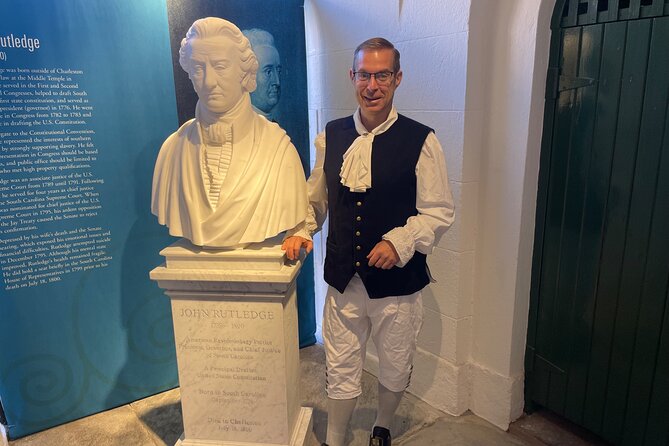
Mike Hebb is the host, cook, server, and narrator. That single-person format shapes the evening. You are not moving between a museum guide, a restaurant server, and a separate lecturer. One person carries the meal from the kitchen to the table and explains why each course belongs to its period.
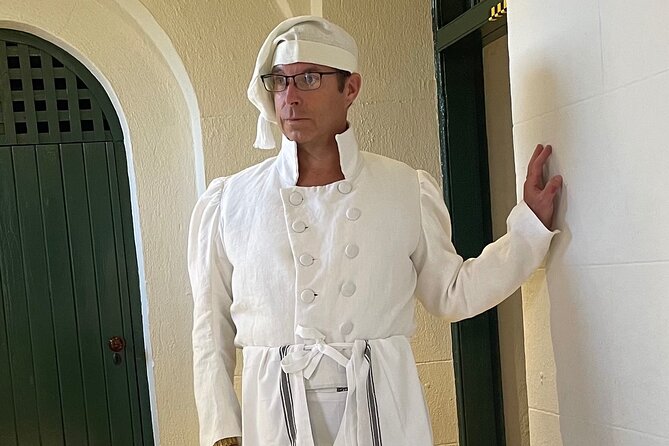
He also dresses in period clothing, adding a visual cue without turning the evening into a theatrical show. The emphasis remains on food and historical explanation.
Hebb’s strongest role is his connection between ingredients and people. He explains where recipes came from, why certain spices were used, how ingredients became popular, and how dishes were prepared. He also discusses chefs in the area and the way meals were served.
That detail matters. A dish can be called historic without teaching you much. Here, the point is to understand the choices behind the food. Why this seasoning? Why this method? Why this ingredient at that time? Those questions make the meal more useful than a simple sampling menu.
You can also expect audience participation. The setting is described as comfortable and interactive, with the host encouraging questions and conversation. If you prefer a quiet dinner with no narration, this may not be your ideal night. If you enjoy listening, asking questions, and learning through conversation, the format should suit you well.
The Seven-Course Journey Through Time
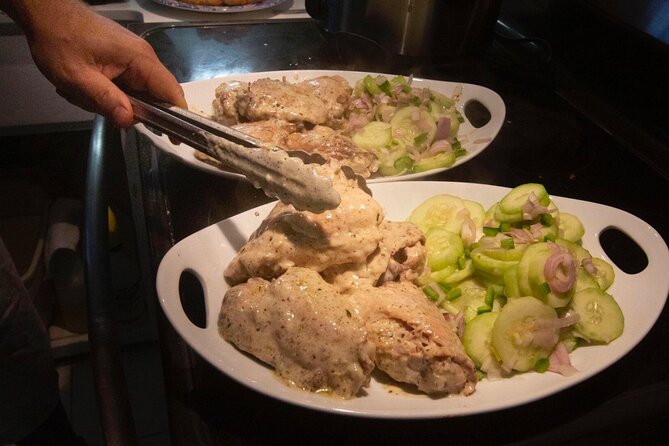
The meal is served in service à la française, a traditional arrangement in which several dishes are presented as part of the overall meal rather than delivered as a modern restaurant sequence. The experience is described as a generous seven-course dinner, including soup, three entrees, dessert, and candies.
The supplied summary also describes it as a four-course meal of three entrees and dessert. The fuller description makes clear that soup and candies are included as well, so you should think of it as a seven-course historical supper, not a small four-plate tasting.
Each entree covers a different period between the 1730s and the 1890s. The exact menu changes, and that is a key point. You are not simply buying one fixed dinner that never changes. Mike rotates the food and historical period, so a return visit may offer a different set of recipes.
More Museum and Gallery History Tours in Charleston:
- Paris: Louvre Museum Entry with History of Mona Lisa
★ 3.9 · 2,823 reviews - Venice’s Best: Basilica, Doge’s Palace, Gondola & History Gallery
★ 4.5 · 2,478 reviews - Warsaw: POLIN Museum of the History of Polish Jews Ticket
★ 4.7 · 1,142 reviews - Venice: Bell Tower & St Mark’s Square History Gallery Ticket
★ 4.3 · 910 reviews
Soup and the opening period
The soup begins the meal and helps set the tone. You might find that the first course is less about spectacle than context, showing how a simple dish could fit into a larger household meal.
From there, the narration moves into early Charleston and Colonial life. The discussion includes the walled city of Charlestowne, domestic routines, and the ingredients that shaped early cooking.
This section is useful because it puts food inside the home. You hear not just about public events, but about how people ate, cooked, and managed daily life. That kind of detail can be easy to miss on a standard sightseeing tour.
Three entrees, three historical periods
The three entrees form the heart of the evening. Each one represents a different stage in Charleston’s story, with recipes drawn from the 18th and 19th centuries.
The subjects include the Revolution, slavery, the Civil War, Reconstruction, and later developments. That range is important. The experience does not treat Charleston as a single romantic chapter. It connects the city’s food to conflict, labor, political change, and the people whose work made the dining culture possible.
You should expect the historical discussion to move beyond elegant homes and famous families. Founding families and cultural influences are part of the conversation, but so are plantation life, enslaved labor, and the social changes that followed the Civil War.
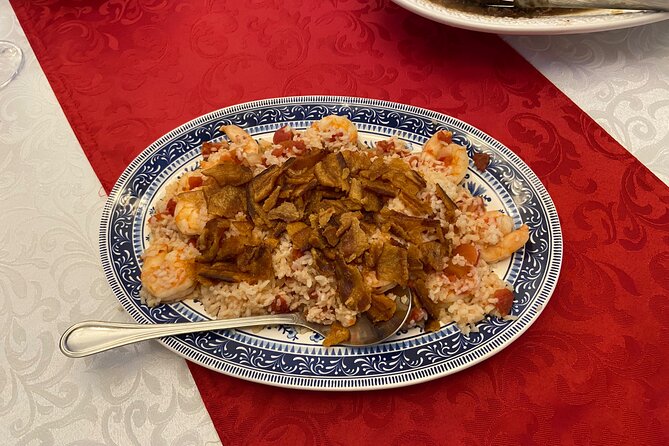
I especially like the promise of learning how dishes developed. You may taste a recipe and then hear how its seasoning, ingredients, and cooking method fit the time. This makes the history concrete. You are not just told that cultural groups influenced Charleston food. You get an example on the plate.
Dessert and candies
Dessert closes the formal meal, followed by candies. These final courses give the evening a proper period-dinner finish and add to the sense that you are experiencing a complete meal rather than a set of isolated samples.
The portions are described as generous. One practical benefit is that leftovers may be available to take home, though you should not assume this will happen every time. Come hungry, but do not treat the dinner as a light snack before another evening activity.
The Food: Authentic Recipes With a Few Unknowns
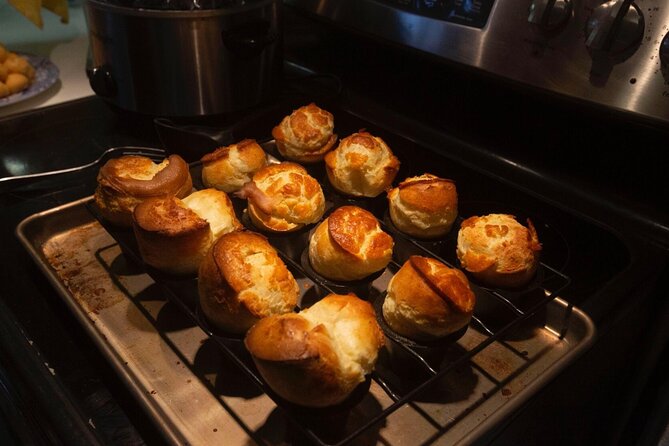
The food is based on recipes from the 1730s through the 1890s. That does not mean every dish will match modern Charleston restaurant cooking. You may encounter flavors, ingredients, or combinations that are unfamiliar.
That uncertainty is part of the appeal, but it is also the main culinary risk. If you only want familiar Southern favorites prepared in a modern style, this supper may feel less predictable. The point is to taste food in historical context, not to order from a menu and customize every course.
The meal receives especially strong praise for variety, presentation, and the link between food and explanation. The host makes the dishes himself, which gives him a direct understanding of how each recipe comes together.
Water is included, along with one glass of Madeira wine. All other drinks are bring-your-own-bottle. You should bring a favorite bottle if wine or another drink matters to your dinner plans. Gratuity is not included, so add a tip to your budget.
A Small Group Makes the Evening Personal
The maximum group size is 16 people. That is small enough for questions and conversation, while still large enough to create a supper-club feeling.
The host is responsible for a lot: cooking, serving, narrating, and guiding the museum portion. That makes the evening personal, but it also means the rhythm may not feel like a polished restaurant service with several staff members. You are attending a hosted historical supper, not booking a conventional fine-dining table.
The strongest praise centers on Hebb’s enthusiasm, cooking, and storytelling. The evening works because those parts support each other. If the food were excellent but the talk flat, or the talk fascinating but the dishes poor, the concept would lose much of its force. Here, the host’s energy is a major part of what you are paying for.
Is $160 a Fair Price?
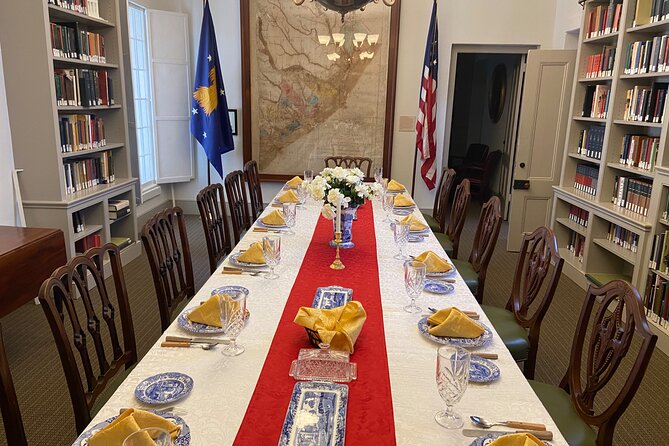
At $160 per person, this is expensive compared with a normal Charleston dinner or a basic walking tour. You also need to account for gratuity and any drinks beyond the included Madeira and water.
Still, the price covers several elements: a seven-course meal, a culinary history presentation, a small-group host, and after-hours museum access. You are paying for an evening program, not just food. For someone who would otherwise book a museum visit, a history tour, and a special dinner, the combined value is easier to see.
The price makes the most sense for a birthday, anniversary, repeat visit, or one memorable night in Charleston. It is less appealing if you are traveling on a tight budget or mainly want to see as many sights as possible.
The meal also has some repeat value because the menu changes. Returning to Charleston and finding a new historical period or set of recipes could make a second booking worthwhile.
Who Should Book This Charleston Supper?
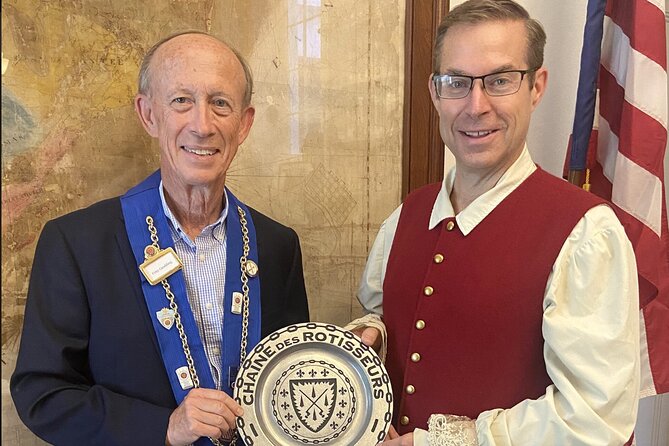
I would point history-minded food lovers toward this experience first. You will get the most from it if you like asking why people ate what they ate, how recipes changed, and how food connects to social history.
It also suits visitors who are tired of walking tours but still want a serious look at Charleston’s past. The entire evening takes place at the meeting point and museum, so you avoid a long trek between landmarks.
This is a good choice for:
- Couples seeking an unusual evening activity
- Adults celebrating a birthday or anniversary
- Repeat Charleston visitors who want something beyond the usual house tours
- Food lovers curious about old recipes
- History fans who enjoy discussion and storytelling
- Visitors aged 16 and older who prefer a small group
I would skip it if you need a fast dinner, dislike scheduled narration, or want complete control over what appears on your plate. The fixed historical menu is central to the experience.
Practical Details Before You Go
The experience starts at 6 p.m. at 100 Meeting Street in Charleston, South Carolina. It lasts about two hours and 30 minutes and ends back at the same meeting point.
A mobile ticket is accepted, and confirmation arrives when you book. The location is near public transportation, and most people can participate. Service animals are allowed.
Plan your evening around the full duration. Since the event includes a museum visit, several courses, and extended narration, it is not something to squeeze between two tightly scheduled activities.
The experience requires a minimum number of people. If that minimum is not met and the event is canceled, you are offered another date or experience, or a full refund. You can cancel for a full refund up to 24 hours before the start time. Changes or cancellations inside that window are not accepted.
Should You Book the Historic Table?
Book it if you want Charleston history served with dinner instead of delivered during a long walk. The strongest reasons are the unusual format, Mike Hebb’s hands-on role, the changing historical menus, and the private museum visit in the Fireproof Building.
The price is the main hurdle, and the evening asks you to enjoy a guided meal rather than a flexible restaurant experience. But for a special night, the combination of food, storytelling, and museum access gives you more substance than a standard dinner.
My advice is simple: reserve early if this is a priority, since the small group and limited format can fill well ahead of time. Bring a bottle, arrive ready to listen, and expect an evening where the history is on the plate as much as in the talk.
FAQ
How long does the Historic Table experience last?
The experience lasts approximately two hours and 30 minutes.
What time does the experience begin?
It begins at 6 p.m.
Where does the experience start and end?
It starts at 100 Meeting Street in Charleston, South Carolina, and ends back at the same meeting point.
How many courses are included?
The experience is described as a seven-course supper with soup, three entrees, dessert, and candies.
Are drinks included?
Water and one glass of Madeira wine are included. Other drinks are bring-your-own-bottle.
Is the museum visit included?
Yes. You receive an after-hours visit to the South Carolina Historical Society Museum in the Fireproof Building.
What is the cancellation policy?
You can cancel at least 24 hours before the start time for a full refund. Cancellations or changes made less than 24 hours before the start time are not accepted.
More Dining Experiences in Charleston
- Dubai: Abu Dhabi Trip with Lunch at Al Khayma Heritage Restaurant
★ 5.0 · 805 reviews - Dubai: Heritage Safari, Camel Ride & Al Marmoom Oasis Dinner
★ 4.8 · 431 reviews - Old San Juan Historical Walk, Shopping, and Dining w/ Transport
★ 4.5 · 381 reviews - From Hawaii: Historical Dinner Cruise Tour to Kealakekua Bay
★ 4.8 · 198 reviews
More Dinner Experiences in Charleston
- Big Island Historical Dinner Cruise to Kealakekua Bay
★ 4.5 · 1,279 reviews - Dubai: Heritage Safari in Vintage Land Rover with Dinner
★ 4.8 · 861 reviews - Madrid Local’s Tapas Tour Dinner with a side of History
★ 5.0 · 530 reviews - Evening Gourmet Tour 5 Course Dinner – History and Food in Old Quebec City
★ 5.0 · 496 reviews
Just added around Charleston
- Charleston’s Historic Pubs, Taverns, and Taprooms Tour★ 4.5 · 33 reviews
- Charleston’s Strong Women of the South History Tour★ 4.5 · 27 reviews
- Small-Group Tour: Charleston Old Walled City Historical Walking Tour★ 4.5 · 283 reviews
- Private Walking Tour of Historic Charleston★ 5.0 · 38 reviews
- Sip History in The Sun Cabana Covered Cocktail Class★ 5.0 · 332 reviews
- Sip History In a Secret Speakeasy Cocktail Class★ 5.0 · 40 reviews
- Private Afternoon Sailing/Dolphin & History Tour on 43ft Mystique★ 5.0 · 32 reviews
- Private Sunset Sail BYOB Dolphin/History Tours on 43ft Mystique★ 5.0 · 42 reviews
Museum & Gallery History Tours, compared.
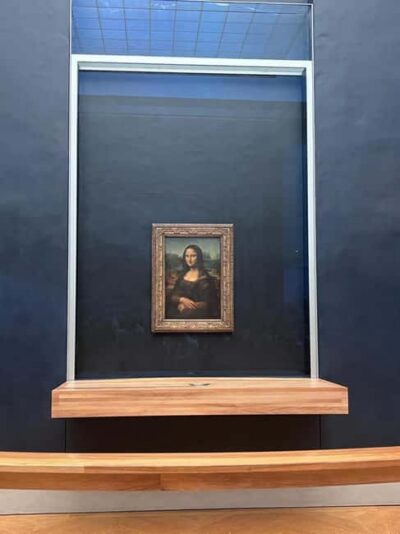
Louvre Museum Entry with History of Mona Lisa
Read our review →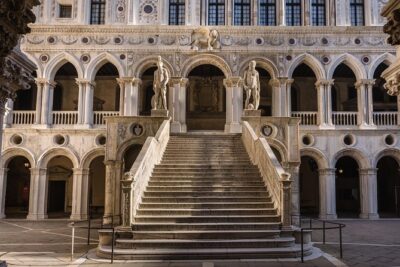
Venice’s Best: Basilica, Doge’s Palace, Gondola & History Gallery
Read our review →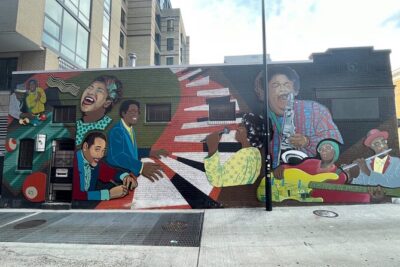
Guided African American History Tour with Reserved Museum Entry
Read our review →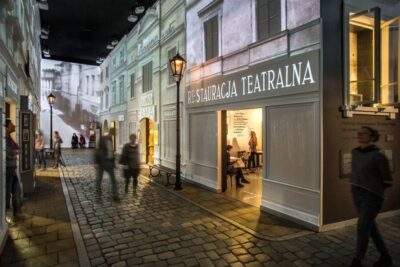
POLIN Museum of the History of Polish Jews Ticket
Read our review →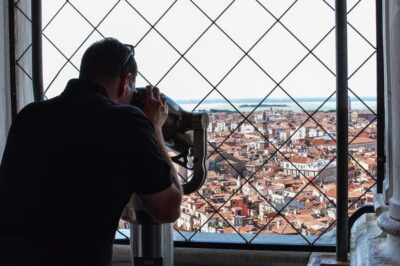
Bell Tower & St Mark’s Square History Gallery Ticket
Read our review →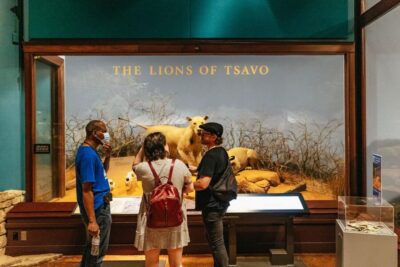
Field Museum of Natural History Ticket or VIP Tour
Read our review →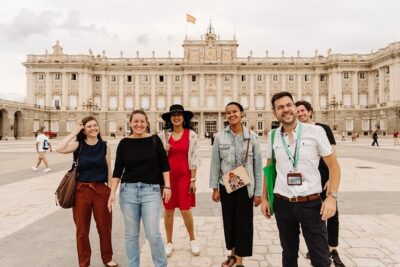
Madrid in a Day Tour:Royal Palace, Historic Center & Prado Museum
Read our review →
Basilica, Doge’s Palace, History Gallery & Bell Tower Option
Read our review →Browse the lists this tour appears in