
Review · ANTWERP
Private Antwerp’s Diamonds and Jewellery Old City Center Historic Tour
Antwerp’s jewels are hiding in plain sight. This private walk links the city’s old trading streets with its diamond and silversmithing past, then takes you into creative jewellery studios where the craft is still practiced by hand. I especially like the small-group format and the chance to meet working designers, including Pascale Masselis. The main drawback is that this is not a tour of Antwerp’s modern diamond district, and diamond cutting is not demonstrated.
The route is also a clever introduction to central Antwerp. You get stories at Grote Markt, Wisselstraat, Saint Paul’s Church, and several old craftsmen’s streets without spending your whole day in a museum. Keep your expectations clear, though: DIVA admission is not included, and the atelier visits can vary by timing and availability.
Key points to know before booking
- A private walk for up to 15 people: Your group has its own guide, making it easy to ask questions or adjust the pace.
- The focus is historic Antwerp: The tour explains the city’s early diamond and jewellery trade before the diamond district moved toward Central Station in 1905.
- Pascale Masselis is a major highlight: Her atelier offers a close look at handmade 18-carat gold jewellery and custom work.
- You visit several creative streets: Wijngaardstraat, Zirkstraat, Zwartzustersstraat, and Lange Koepoortstraat reveal a less obvious side of the old center.
- DIVA is only an exterior starting point: The museum is recommended after the walk, but its admission ticket is separate.
- The tour takes about two hours: It is easy to fit into a morning or afternoon, but expect a steady city walk with many short stops.
Why this private Antwerp walk is different
Antwerp is widely linked with diamonds, but many visitors picture the district around the central railway station. This tour tells an older story in the historic center, where merchants, silversmiths, goldsmiths, and early diamond workers once conducted business.
That distinction matters. The route does not promise a visit to a modern diamond-cutting floor or a wholesale trading office. Instead, it connects old streets and landmarks with the city’s craft traditions. You learn how trade worked, where money changed hands, and why certain streets became home to specialist makers.
I like the private setup here. The price is $234.93 for the whole group, up to 15 people. For two people, that is a costly private walk. For a group of 10 to 15, the price works out to roughly $15.66 to $23.49 per person, which is fair for a dedicated guide and access to working ateliers.
The private format also has a practical benefit. Guides such as Margaret, Viviane, Catherine, Maria, and others have been praised for adjusting the walk to different interests and age groups. One guide kept two children, ages 12 and 17, involved. Another tailored the time toward the subjects that interested the group most.
More Private History Tours in Belgium
- Private Historical Tour: The Highlights of Bruges
★ 5.0 · 315 reviews - Private tour: Highlights & History of Antwerp
★ 5.0 · 299 reviews - Bruges: Private Historical Highlights Walking Tour
★ 4.7 · 191 reviews
Starting at DIVA and setting the story
The meeting point is outside DIVA, the museum of diamonds, jewellery, and silversmithing at Suikerrui 17/19. Your guide begins with Antwerp’s connection to diamonds and jewellery before leading you into the surrounding streets.
DIVA is a sensible starting point because it frames the subject before you see the city itself. You get the basic timeline and vocabulary first, then watch that story unfold in the streets. The museum is not included in the tour price, but visiting it afterward is strongly recommended.
Plan carefully if DIVA is important to you. The museum may be closed on the day of your walk, as happened to one group. The outdoor tour can still work well, but you should check opening times separately rather than assuming the museum visit is part of the booking.
Grote Markt and the first diamond trade
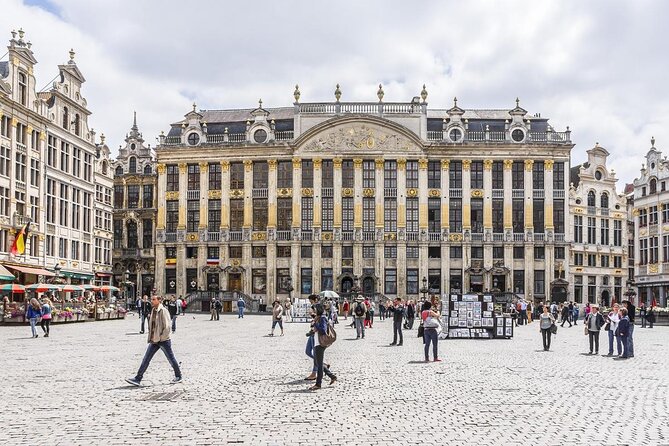
At Grote Markt, the guide explains why Antwerp became an important center for diamonds and jewellery. Annual fairs brought foreign merchants to the city to buy and trade precious stones and finished pieces.
This stop helps you see the market square as more than a postcard setting. It was part of the commercial machinery of the city. Trade, money, craft, and international connections met here, giving Antwerp a role that extended far beyond its local population.
The stop lasts about 10 minutes. That is enough for a clear explanation and a look around, but not enough for a full architectural tour of the square. If you want detailed information about every building, you may need a separate city walk.
Wisselstraat and the darker side of commerce

The name Wisselstraat comes from wissel, meaning exchange. Here, foreign buyers exchanged money during Antwerp’s trading years.
The guide also explains where the word bankrupt comes from, adding a useful reminder that trade was never all diamonds and success. Financial risk was built into the system. Merchants could make fortunes, but they could also lose everything.
This is one of the tour’s better historical touches because it connects a narrow street with an idea you already know in modern English. The stop takes around 10 minutes and adds economic context without turning the walk into a formal lecture.
More Old Town and Historic Centre Walks in Belgium:
- Antwerp: Historical Walking Tour in the Old City
★ 4.8 · 373 reviews - Historical Walking Tour in Antwerp Old City
★ 5.0 · 277 reviews - Brussels on Foot: Historic Center with a Local Guide in 2 hours
★ 4.3 · 36 reviews - Ghent: Private Tour in Historical Center
★ 4.9 · 22 reviews
Saint Paul’s Church and a treasury of precious objects
Saint Paul’s Church brings religion into the story of Antwerp’s jewellery craft. The church has links with silversmithing and jewellery, and its treasury contains more than 3,000 diamonds.
The church stop lasts about 15 minutes. Admission is listed as free for the tour, though the experience is primarily an outdoor guided visit rather than a long independent church viewing.
This is a useful pause in the route. You are not looking only at shops and workshops. You are also seeing how precious materials entered religious art and civic life. The setting helps explain why skilled metalworkers were important to Antwerp’s institutions, not just to wealthy private buyers.
Zwartzustersstraat and the old shopping streets
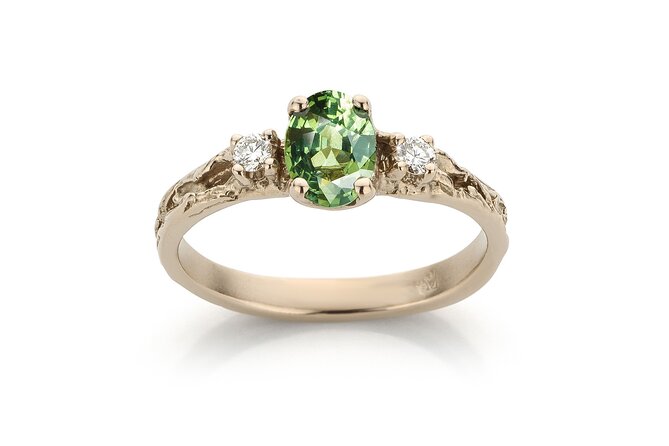
Zwartzustersstraat looks quieter today, but it once functioned as a busy shopping street. Jewellery shops occupied the ground floors, while diamond-cutting ateliers operated upstairs.
That arrangement gives you a strong picture of old craft districts. The maker, seller, and customer could exist within the same compact part of town. You can also understand why a walking tour works well here: the story is tied to the buildings and street plan, not just to objects behind glass.
The stop takes about 10 minutes. It is mainly historical, so do not expect to watch a cutter at work. The tour provider has clarified that the route does not include diamond cutters, and the focus is on Antwerp’s earlier craft and trading past.
Zirkstraat and Antwerp’s first diamond cutter
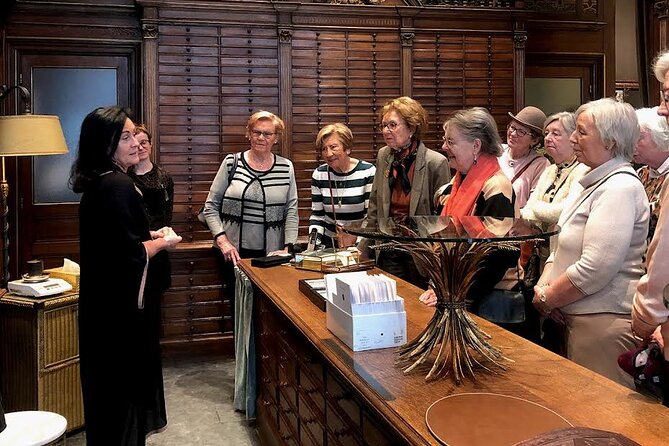
Zirkstraat is linked with Antwerp’s first diamond cutter in the 15th century. The guide uses this street to explain the beginnings of diamond cutting and how the craft developed.
This is a short stop of about 10 minutes, but it gives the whole walk a clear center. You begin to see diamonds not as anonymous luxury goods, but as the result of a specialized skill that took root in particular streets.
The historical angle is the real value here. If you want a technical workshop demonstration, this stop may disappoint. If you want to understand how diamond work became part of Antwerp’s identity, it fits the tour well.
Pascale Masselis and a real working atelier
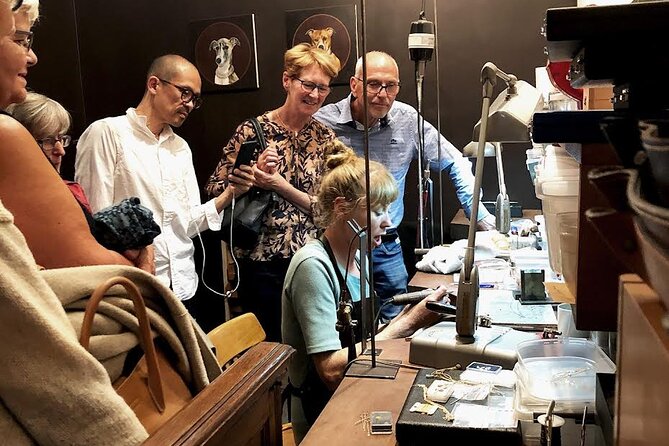
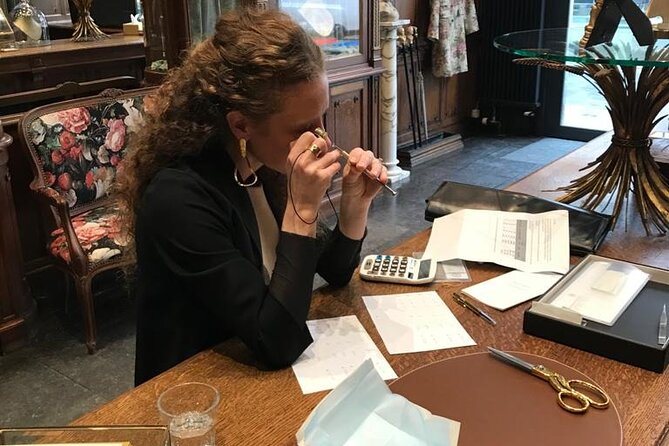
The visit to Pascale Masselis is likely the most personal part of the walk. Masselis graduated from the Royal Academy of Antwerp in 1983 and works exclusively with 18-carat gold. Each piece is unique and handmade in her own atelier.
You may also hear about custom orders and the way old, outdated jewellery can be transformed into new pieces. That practical detail makes the studio feel connected to real life. Jewellery is not only something bought in a display case. It can be redesigned, repaired, or given a second life.
The atelier visit lasts about 15 minutes and is free. It is also the clearest example of what this tour offers that a standard city walk cannot: a chance to speak with a designer and see the working world behind the finished object.
This is the stop I would value most if you enjoy design, craft, or jewellery with a personal story. The tour provider says all tours include the Pascale Masselis atelier visit, but studio access is still a working arrangement, so timing and the exact conversation may vary.
Lange Koepoortstraat and the guild system
Lange Koepoortstraat was once home to the nation house of Antwerp’s silver and goldsmiths. Your guide explains what a nation house was and why craftsmen needed one.
This is an important piece of social history. Skilled trades were regulated, organized, and protected through professional groups. A goldsmith’s work involved trust as well as technical ability, so the trade required rules and a recognized structure.
The stop lasts about 10 minutes. It is not flashy, but it gives meaning to the rest of the walk. Once you understand how the craft was organized, the old workshops and jewellery streets make more sense.
Wijngaardstraat’s cluster of designers
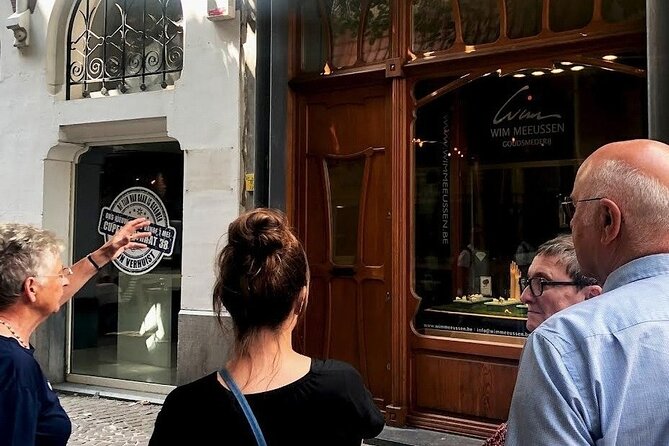
Wijngaardstraat is the most concentrated design section of the route. Five jewellers work along this picturesque street, each with a different approach and set of techniques.
The tour introduces several names. Gerda De Vrij studied in Pforzheim under Klaus Ullrich, an early figure in modern jewellery. She later established an Antwerp atelier with Emile Henry, and their two daughters eventually joined the business, carrying the brand into another generation.
Wim Meeussen is known for jewellery and wedding rings. His nearby silver jewellery location makes his style accessible at more than one price level. That is useful if you like the design but are not shopping for a major gold purchase.
Hanne Schoofs regularly experiments with new techniques, so her collection changes over time. Eva Crauwels has worked independently as a goldsmith for more than 15 years, with a collection described as retro-romantic and feminine.
You spend about 20 minutes in this part of the walk. The exact amount of time at each designer depends on the day and the group, but the point is comparison. You see how Antwerp’s jewellery scene includes family businesses, experimental makers, wedding specialists, and personal studio brands.
Rembrandt Jodan’s art gallery and atelier
The tour ends at Rembrandt Jodan’s space at Wijngaardstraat 18. It combines an art gallery, atelier, and jewellery shop.
That final combination neatly sums up the tour’s approach. Jewellery here is treated as both a useful object and a form of art. You can ask about the work, look at the setting, and consider how a designer’s broader artistic practice shapes the pieces.
The final stop lasts about 20 minutes. The end point is different from the starting point, but both locations are in central Antwerp. You can continue exploring on foot after the tour or use the nearby public transport connections.
Guides, pace, and the private format
The strongest part of this experience is the guide-led storytelling. Guides have been praised for being warm, patient, enthusiastic, and adaptable. Viviane gave one group a clear explanation of Antwerp’s diamond and gold trade, including the fact that much cutting now takes place elsewhere because costs are lower.
That modern context is valuable. It prevents the tour from presenting Antwerp as if every diamond in the world is still cut locally. You get a more honest picture of the city’s role, including competition from Russia and other countries.
The pace is short and active. The itinerary includes 10 stops over roughly two hours, with most stops lasting 10 to 20 minutes. You should expect frequent pauses, short walks, and plenty of spoken information.
The private group limit is 15 people. A group of that size can still feel fairly large inside a small atelier, so the experience may be more intimate with two to six people. The benefit is that your guide can respond to your questions rather than delivering a fixed speech to strangers.
What to know about timing, weather, and cost
The walk is offered in English and uses a mobile ticket. Confirmation is provided within 48 hours, subject to availability. It is offered near public transportation, and service animals are allowed.
Most people can take part, but this remains a walking tour through central streets with repeated stops. Wear practical shoes, especially if you plan to continue sightseeing afterward.
The experience requires good weather. If poor weather causes cancellation, you are offered another date or a full refund. You can cancel for a full refund up to 24 hours before the start time, but later cancellations and changes are not refunded or accepted.
At $234.93 per group, value depends heavily on group size. I would find it expensive for one person or a couple unless private guiding is a priority. For a family, friends, or a small corporate group, the cost becomes much easier to justify, especially with the atelier access and flexible conversation.
Who should book this Antwerp jewellery tour?
I would choose this walk if you enjoy local craft, design, urban history, or small businesses. It also suits families because the route changes location often, and a good guide can explain the subject without making it dry.
It is a strong choice for a first visit to Antwerp if you want more than the main squares and cathedral. It also works for repeat visitors who have already seen the obvious sights and want streets they might otherwise pass by.
I would skip it if your main goal is to see modern diamond trading, watch professional diamond cutters, or shop for certified stones in the central station district. You should also book DIVA separately if the museum matters to you, since its admission is not part of the tour.
Should you book it?
Book this private walk if you want Antwerp’s jewellery story told through streets, churches, old trade routes, and working designers. The Pascale Masselis atelier, the historic guild connections, and the cluster of makers on Wijngaardstraat give the experience real substance.
Think twice if you expect a commercial diamond showroom tour. This is an old-city craft and history walk, not a tour of Antwerp’s present-day diamond district. For a group of several people, it offers good value and a personal look at the city’s creative side. For two people, it is worth the price only if private guiding and designer access are central to your plans.
FAQ
How long does the tour last?
The tour lasts approximately two hours.
Where does the tour begin?
It begins in front of DIVA, the museum of diamonds, jewellery, and silversmithing, at Suikerrui 17/19 in Antwerp.
Where does the tour end?
It ends at Rembrandt Jodan, Wijngaardstraat 18, Antwerp.
Is admission to DIVA included?
No. The tour starts outside DIVA, and admission to the museum is not included.
Is the tour private?
Yes. Only your group participates, with a maximum group size of 15 people.
Is the tour offered in English?
Yes. English is the stated tour language.
Does the tour include a diamond-cutting demonstration?
No. The focus is Antwerp’s historic diamond and jewellery trade in the old city center. The tour does not include diamond cutters.
What happens if bad weather cancels the tour?
If poor weather causes cancellation, you are offered a different date or a full refund.
Just added around Belgium
- Historical Walking Tour: The Story of Brussels – by Legends★ 5.0 · 164 reviews
- Historic Battle of the Bulge Sites Tour from Brussels★ 5.0 · 31 reviews
- Bruges Bites & Sights – Belgian Food, Beer & A Little Bit Of History★ 5.0 · 94 reviews
- 2-Hour Historical Walking Tour in Bruges with Praline Included★ 5.0 · 291 reviews
- Food tasting & Historical walk★ 4.5 · 47 reviews
- Bruges at Night: Murder, Mystery & Dark Stories Small Group Walk★ 5.0 · 137 reviews
- Private Guided Historical Walking Tour in Bruges Belgium★ 5.0 · 23 reviews
- Across Bruges History Equals Fun with chocolate and waffle sample★ 5.0 · 34 reviews
Old Town & Historic Centre Walks, compared.
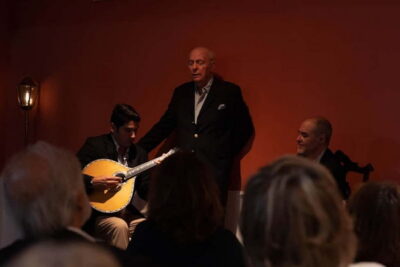
Live Fado Show with Port Wine in Historic Center
Read our review →
Valencia Old Town Tour with Wine & Tapas in 11th Century Historic Monument
Read our review →
Prague Old Town, Medieval Underground and Dungeon Historical Tour
Read our review →
Historic Center and Getsemaní Shared Walking Tour
Read our review →
Old Town Walking Tour History and Tales in Edinburgh
Read our review →
Philadelphia Old City Historic Walking Tour with 10+ Top Sites
Read our review →
Saadian Tombs & Bahia Palace, Medina Guided Tour
Read our review →Browse the lists this tour appears in