
Review · UNITED KINGDOM
Glasgow: The Magnificent and Mysterious History of Glasgow
Glasgow rewards curious walkers. This 2.5-hour tour links grand civic buildings, merchant lanes, street art, theatres, and old churches while explaining how a small medieval settlement became a powerful industrial city. I like the wide sweep of history, from Saint Mungo and the city’s 6th-century origins to Glasgow’s modern arts scene. I also like the human focus, with merchants, workers, architects, pioneers, and colourful local characters at the center. The main drawback is simple: you walk about 2.5 hours in Glasgow weather, and rain gear is not optional.
Bruce is the guide most often praised for his warm humour, storytelling, and pride in the city. Henry is also singled out for clear explanations and social and political context, while James receives praise for his command of local history. The pace includes frequent stops, but you still need a reasonable level of fitness, comfortable shoes, and the ability to keep moving through central Glasgow.
Key points before you book
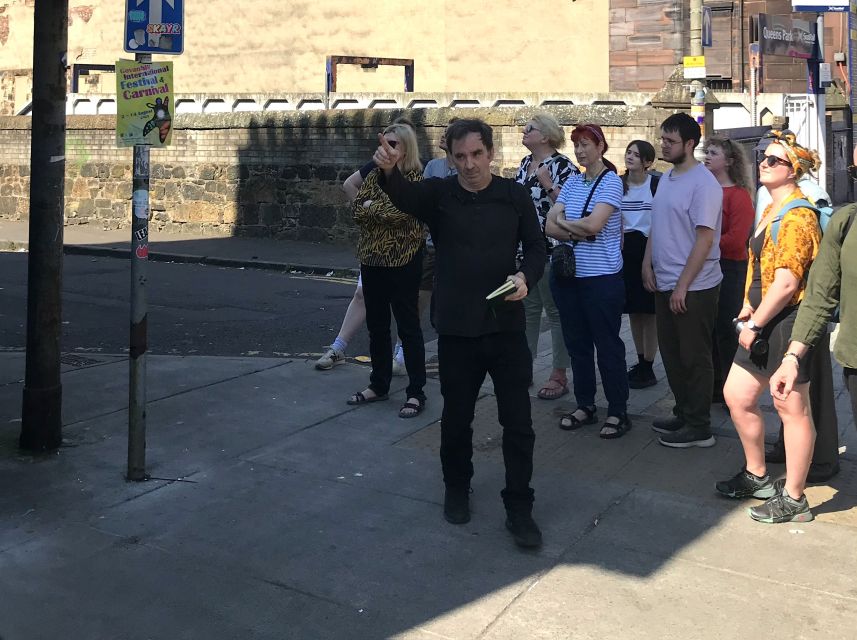
- A city story told through people: Merchants, tobacco traders, workers, reformers, artists, and local characters give the tour its shape.
- Nearly four kilometres on foot: One detailed account puts the walking distance at about 4 km, with regular pauses for stories and photographs.
- Architecture from several eras: See Georgian, Victorian, and Edwardian buildings, including Glasgow City Chambers and Hutchesons Hall.
- Unusual stops: The route includes the Britannia Panopticon, the world’s oldest surviving music hall, plus Sharmanka Kinetic Theatre and the Ramshorn.
- Modern Glasgow matters too: Murals, theatres, chocolate, pizza, and the contemporary arts scene sit alongside medieval remains.
- Good value at $18: For a live English guide and a broad introduction to central Glasgow, the price is modest.
Why this Glasgow walk works so well
A walking tour can either become a procession of names and dates or make a city easier to read. This one aims for the second option. You move through the center while the guide explains how Glasgow’s fortunes changed, who paid for its grand buildings, and which workers made that success possible.
That social angle matters. Glasgow’s past is not only about wealthy merchants and impressive architecture. The route also points toward trade, labor, civic power, entertainment, religion, and the darker side of urban growth. You get a sense of how commerce shaped the city, but also how ordinary people supported its rise.
The guides are the heart of the experience. Bruce is repeatedly praised for his wit, energy, and storytelling. He has also been appreciated for answering questions, helping groups cross busy streets, and suggesting places to eat afterward. Henry receives similar praise for explaining the political, social, and cultural setting behind the sights. If you are uneasy about a strong Scottish accent, one past participant specifically found Henry’s speech clear, and another praised Bruce for speaking clearly to an international group.
The tone is friendly rather than academic. You will hear memorable anecdotes, scandals, darker secrets, and local humour. That approach makes the information easier to remember, though it also means the depth of each subject depends on the guide and the questions your group asks.
A few more history tours around the UK worth a look
- London Small Group Tour of Historical Pubs
★ 5.0 · 10,422 reviews - Edinburgh: Edinburgh Castle Guided History Tour with Tickets
★ 4.8 · 9,933 reviews - A History of Terror – Belfast City Centre Walking Tour
★ 5.0 · 2,883 reviews
George Square begins the story
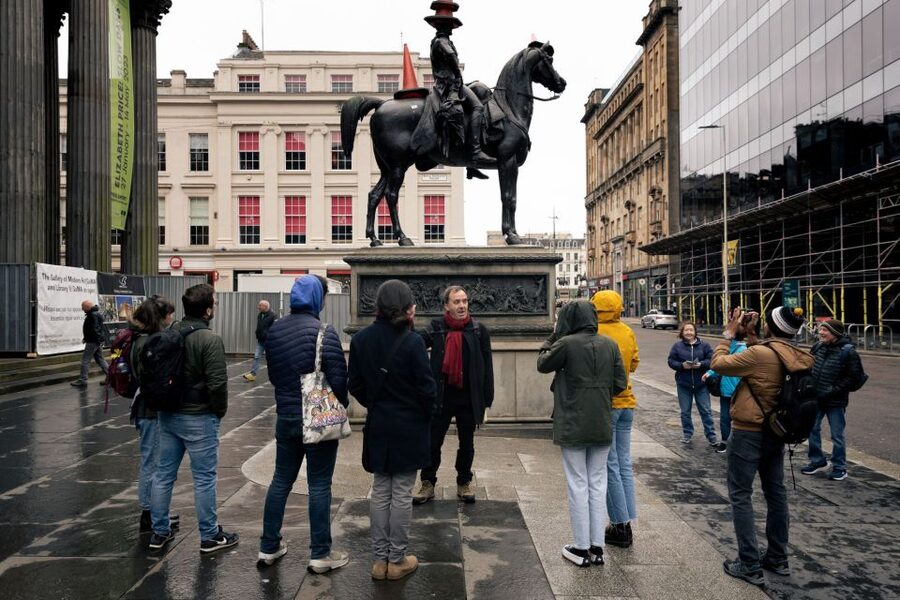
Meet outside the main entrance of Costa Coffee on the north side of George Square. This central starting point is easy to find, but arrive early enough to identify the guide and settle in before the walk begins.
The first major stop is Glasgow City Chambers. You get about 12 minutes here, including a guided explanation, sightseeing, and photographs. The building introduces the city’s civic confidence and the wealth Glasgow enjoyed during its great period of expansion. It is a useful opening because the tour can explain the forces behind the grand stonework before leading you into older lanes.
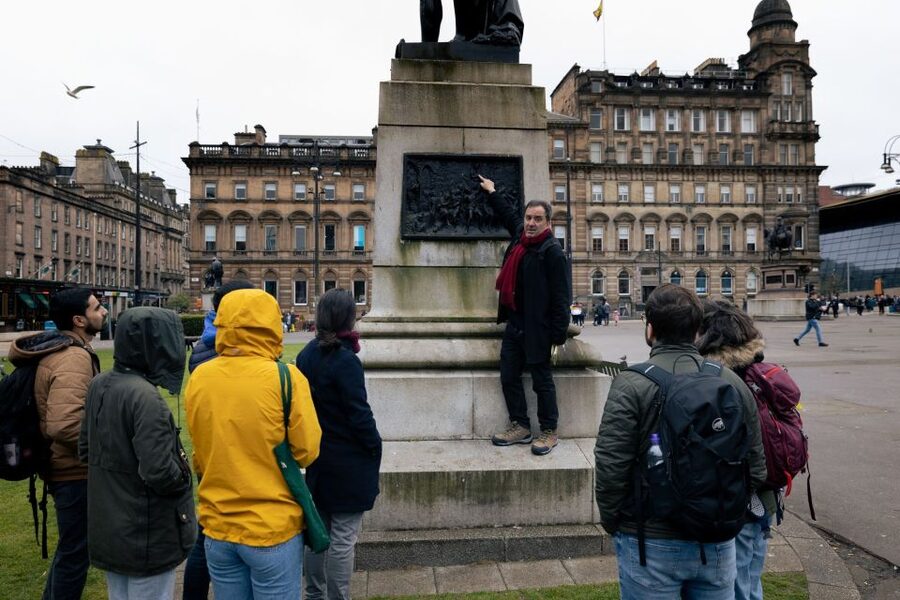
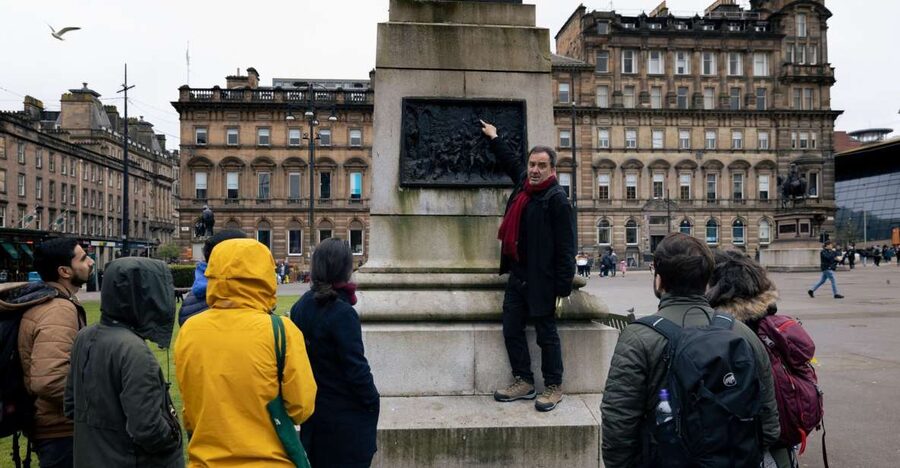
Nearby, the Cenotaph brings a more solemn note. The short stop at the war memorial is followed by the Walter Scott Monument and the Monument to Robert Burns. These three locations show how public spaces preserve national memory, literary pride, and local identity.
At 155 Queen Street, the focus returns to Glasgow’s built environment. The route then passes Paesano Pizza, a modern food stop that helps connect the historic center with today’s dining scene. This is not a food tour, but the guide may offer useful suggestions for eating after the walk. One past participant specifically appreciated a pizza recommendation.
Merchants, tobacco, and Glasgow’s commercial power
The Tobacco Merchant’s House is one of the clearest places to understand Glasgow’s trading past. The stop connects the city to merchants and overseas commerce, and it helps explain how money made its way into the center’s imposing streets and buildings.
Virginia Court offers a change of scale. Instead of a broad civic square, you see a more enclosed urban space, the sort of place where older street patterns become easier to notice. The Merchant City Inn continues the theme of Glasgow’s commercial quarter. Even if you are not studying individual buildings, the sequence shows how a district shaped by trade now functions as a place for hotels, restaurants, and city life.
The stop marked Jacobean corsetry adds one of the tour’s more unusual details. It is a reminder that Glasgow’s past survives not only in major monuments but also in small businesses, trades, names, and odd fragments of urban memory. The old police post and Rab Ha’s Hotel bring more local colour before the route reaches Hutchesons Hall.
At 1802 @ Hutchesons Hall, the tour returns to architecture and civic life. You can admire the building while hearing about the people and institutions connected to Glasgow’s development. The stop is useful for understanding how public generosity, commerce, and city pride helped shape the center.
Murals and the city’s creative present
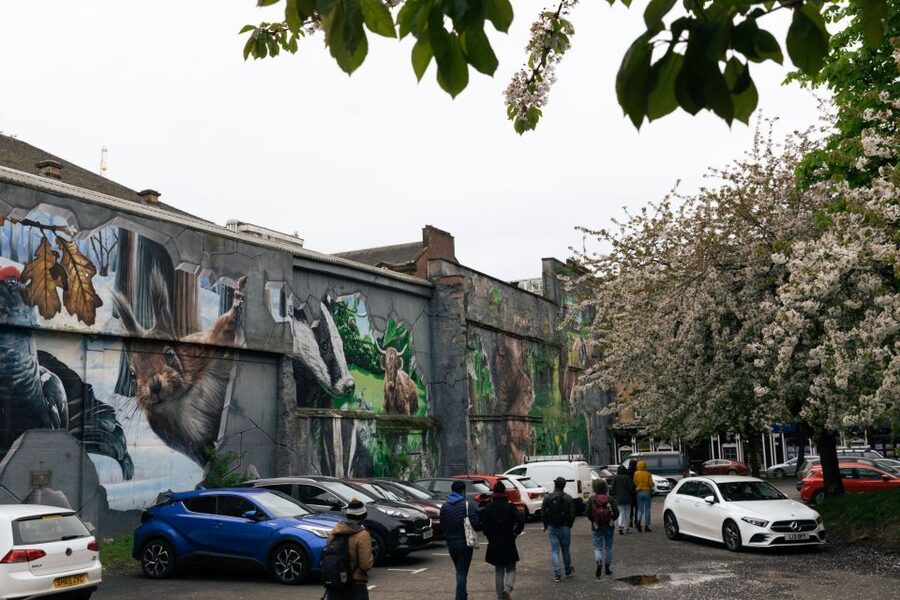
The BOW DOWN, HONOUR THE ROOTS mural, identified as number 29 on the Mural Trail, shifts the tour into present-day Glasgow. Street art is not treated as decoration alone. It becomes part of the city’s current cultural identity and a visible way Glasgow tells stories in public.
City Halls and the Old Fruitmarket add another layer. Here, the past uses of buildings sit beside their continuing role as cultural spaces. Candleriggs then leads you toward the Tron Theatre, connecting old market and merchant areas with performance and the arts.
The Sharmanka Kinetic Theatre is another memorable modern stop. Its inclusion shows that Glasgow’s cultural character is not limited to major museums or formal galleries. The route gives you brief encounters with theatres, murals, independent places, and creative spaces that you might otherwise walk past without understanding their place in the city.
Same place, a different slice of the past:
- Edinburgh: Whisky Tasting with History and Storytelling
★ 4.9 · 2,451 reviews - Edinburgh: Old Town History and Tales Walking Tour
★ 4.8 · 2,361 reviews - Old Town Walking Tour History and Tales in Edinburgh
★ 5.0 · 2,168 reviews - Soho Music & Historic Pubs Tour
★ 5.0 · 1,993 reviews
The Britannia Panopticon and old entertainment Glasgow
The Friends of the Britannia Panopticon Music Hall Trust stop receives about eight minutes, making it one of the longer pauses on the route. The Britannia Panopticon is described as the world’s oldest surviving music hall, so it is a key point for understanding popular entertainment and working-city culture.
This part of the walk also helps balance the grand civic story. Glasgow was not built only through official ceremonies and wealthy merchants. Music halls, theatres, markets, and public gathering places reveal how people spent their free time and how entertainment became part of urban life.
The Billy Connolly mural, number 9 on the Mural Trail, brings the story into modern popular culture. It gives you an easy visual link to Glasgow’s comic and artistic traditions. The Briggait and Bare Bones Chocolate follow, with the chocolate stop lasting only a minute. Do not expect a tasting or a food demonstration from the information provided. Think of it as a quick urban marker rather than a central attraction.
Saltmarket, the Mercat Cross, and the older street plan
At Saltmarket and Mercat Cross, the route returns to the older commercial core. These places help you picture how markets, public announcements, trade, and movement once organized city life.
High Street is one of the most important stretches of the walk. The six-minute stop gives the guide time to connect the present street with Glasgow’s earlier development. This is also where the timeline feels especially broad, since the tour has already moved from medieval beginnings through industrial prosperity and into modern Glasgow.
Babbity Bowster provides another local detail before the route turns toward murals and the Ramshorn. The Fellow Glasgow Residents Mural is a good reminder that Glasgow’s public art often speaks directly to the people who live there. It gives the city a current voice after the earlier focus on monuments and historic institutions.
Finishing at the Ramshorn and Glasgow Cathedral
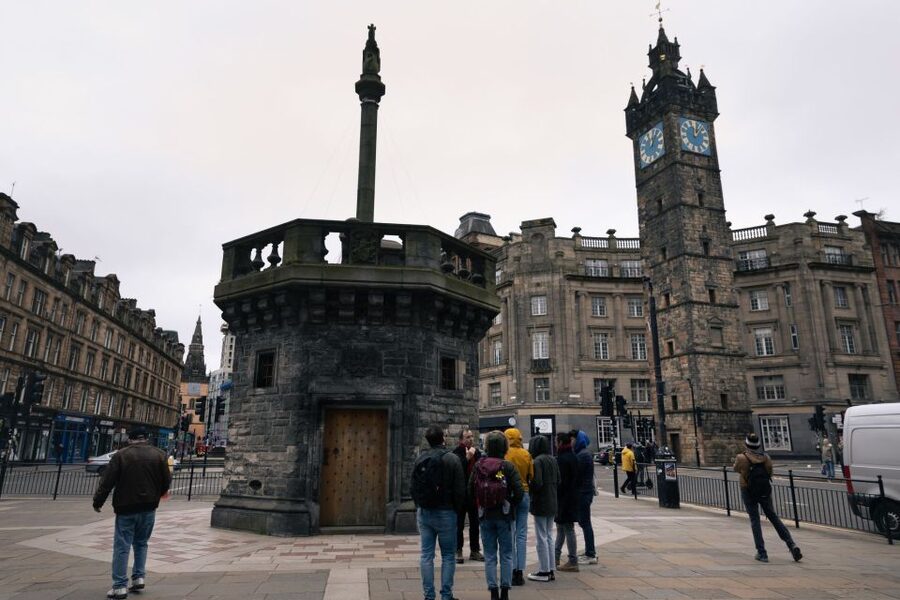
The Ramshorn is one of the final major stops. Its presence gives the ending a quieter, older feel after the markets, theatres, murals, and commercial lanes. The church helps bring the story back to religion, community, and the long passage of time.
The tour finishes at Glasgow Cathedral. This is a strong ending because the cathedral connects with the city’s early story and the tradition surrounding Saint Mungo. You do not finish back at the original Costa Coffee meeting point, but the route ends close to George Square, making it practical for continuing into the city center.
The itinerary lists many stops, but most are brief. That is a strength if you want a broad first look at Glasgow. It is less suitable if you prefer to enter every building or spend half an hour examining one monument. The focus is on interpretation while walking, not extended interior visits.
How much walking and effort should you expect?
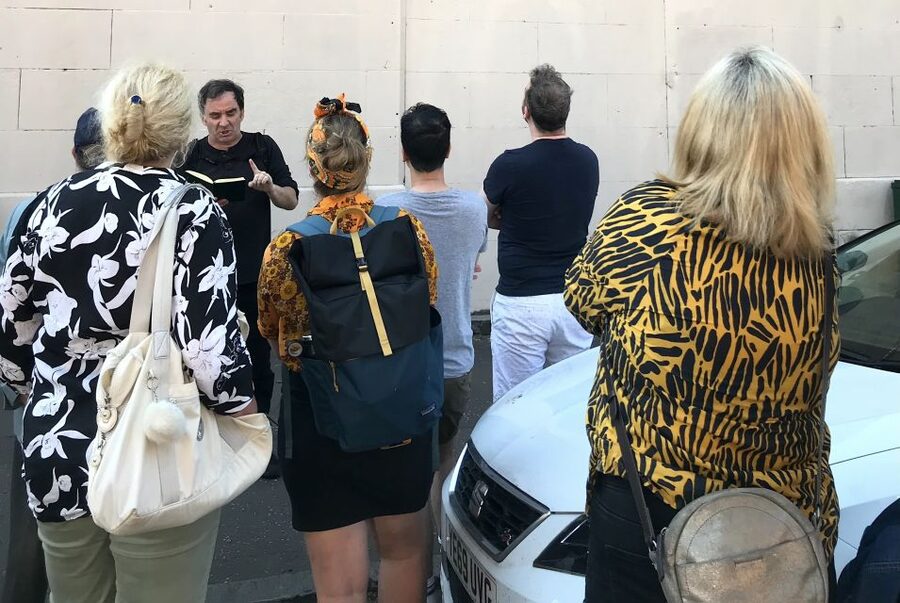
The route lasts 2.5 hours and includes repeated walking between stops. One detailed account estimates roughly 4 km, with a few minutes of movement followed by a pause to listen and look. That rhythm keeps the tour manageable for many reasonably fit walkers.
Still, the activity is not suitable for people with mobility impairments, low fitness, or children under 10 according to the booking information. A separate account found the tour manageable with a pram, but the formal suitability guidance is more restrictive, so you should not rely on that individual experience if accessibility is important.
Wear shoes you can walk in for several hours. Bring rain gear and weather-appropriate clothing. Glasgow’s weather can change quickly, and the tour runs in rain or shine. A large bag or luggage is not allowed, so leave bulky items elsewhere before meeting the guide.
What makes the $18 price worthwhile?
At $18 per person, the value is strong if you want an introduction rather than a specialist study tour. You receive a live English-speaking guide, a broad route through central Glasgow, and context for sights that could otherwise seem disconnected.
You are not paying simply to be led from one photo stop to another. The best value comes from the guide’s interpretation: why the City Chambers look so grand, how merchants affected the city, what workers contributed, how street art fits the modern center, and why places such as the Britannia Panopticon matter.
The price is especially sensible for a short visit. One past participant had only a couple of hours before heading to the airport and found the walk a useful way to see key parts of Glasgow. It can also suit repeat visitors or residents. A Glasgow resident who had lived in the city for 10 years still found new details in the route.
There are limits. The tour will not provide long indoor visits, a formal meal, or a detailed exploration of every attraction. If you want a slow architectural survey, a museum tour, or a focused study of Glasgow’s industrial history, choose something more specialized.
Who should book this walking tour?
I would choose this for a first visit, a short stay, or an arrival day when you want to understand the center before exploring alone. It suits adults and older children who enjoy stories, architecture, local characters, and a fair amount of walking.
It is also a good choice if you normally miss small details. The route includes murals, courts, old signs, theatres, churches, a former police post, and lesser-known corners alongside major sights. A guide helps turn those fragments into a connected story.
You should think twice if rain will ruin your day, if you need frequent seating, or if you want to spend most of your time indoors. The tour’s strength is its steady movement through real city streets, so weather and walking are part of the deal.
FAQ
Where does the Glasgow walking tour begin?
It begins just outside the main entrance of Costa Coffee on the north side of George Square.
Where does the tour finish?
The walk finishes at Glasgow Cathedral, close to George Square and the original starting area.
How long does the tour last?
The tour lasts 2.5 hours.
What language is the tour in?
The live guided tour is conducted in English.
How much does the tour cost?
The listed price is $18 per person.
Does the tour run in bad weather?
Yes. The tour takes place rain or shine, and Glasgow weather can change quickly. Bring rain gear and suitable clothing.
What should I wear or bring?
Wear comfortable shoes and weather-appropriate clothing. Rain gear is strongly advised.
Is the tour suitable for children and people with limited mobility?
The tour is not suitable for children under 10, people with mobility impairments, or people with a low level of fitness. You will walk for 2.5 hours and should have a reasonable level of fitness.
Should you book it?
Book this tour if you want Glasgow’s center to make sense quickly. You will see major landmarks such as the City Chambers and Cathedral, but you will also encounter murals, merchant lanes, the Britannia Panopticon, theatres, markets, and small historic details that are easy to miss alone.
The strongest reason to go is the guiding. Bruce, Henry, and James have each been praised for clear explanations, humour, flexibility, and genuine pride in Glasgow. At $18, that human context makes the walk a good buy. Just bring waterproof clothing, expect several kilometres on foot, and choose another activity if you need an indoor or low-effort experience.
Just added around the UK
- Chatham: The Historic Dockyard Chatham Annual Ticket★ 4.6 · 66 reviews
- St Andrews: Town, Golf, and Old Course History Tour★ 4.7 · 162 reviews
- St Andrews: 90-Minute Historical Walking Tour★ 4.8 · 23 reviews
- St Andrews: Golf Origins and Old Course History Tour★ 4.7 · 322 reviews
- Shadows of York: Ghost Walk and Horrible History.★ 4.8 · 333 reviews
- Oban: Historical Tour with Seafood Lunch Option★ 4.8 · 23 reviews
- Newcastle: History and Highlights Guided Walking Tour★ 5.0 · 18 reviews
- London: Self-Guided History City Tour with an App★ 4.3 · 21 reviews
UK History Tours, compared.
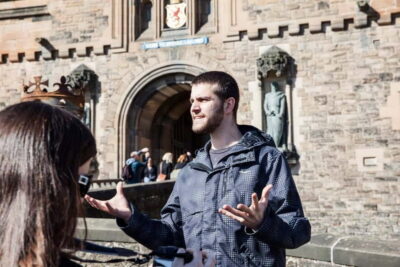
Edinburgh Castle Guided History Tour with Tickets
Read our review →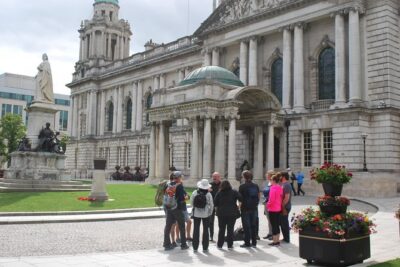
A History of Terror – Belfast City Centre Walking Tour
Read our review →
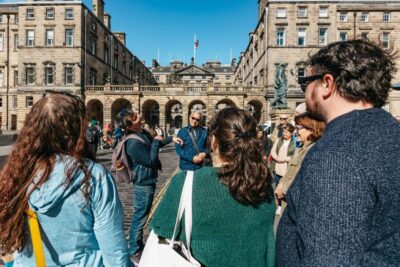
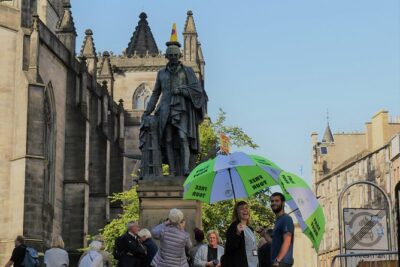
Old Town Walking Tour History and Tales in Edinburgh
Read our review →
Browse the lists this tour appears in