
Review · COMMUNITY OF MADRID
Madrid City Tour: Culture and History
Madrid gives up its secrets on foot. This two-hour Habsburgs tour links Puerta del Sol, the Royal Palace, old squares, and grand civic buildings with the stories that make them matter. I like the route’s clear focus on culture and architecture, and I like that Madrilenian architects shaped it rather than relying on a generic city walk.
The strongest points are the personal guidance and the small-group feel. Guides such as Jenny have earned praise for warmth, useful advice, and keeping the experience enjoyable even on a very wet day. The main consideration is language: live guiding is offered in Spanish or German, and the current requirement says at least three participants must book for the tour to run.
Key points to know before booking
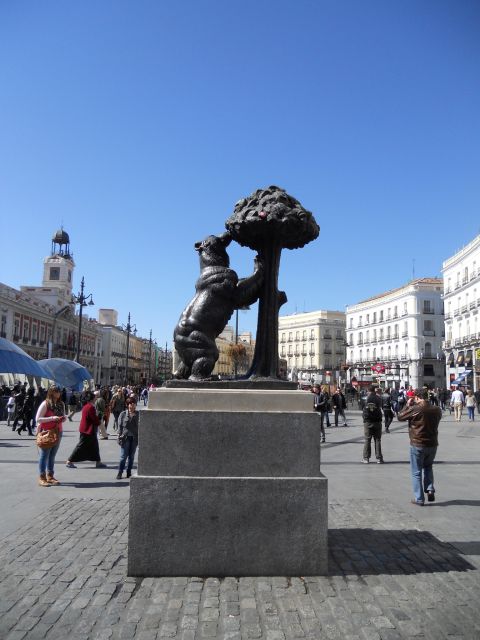
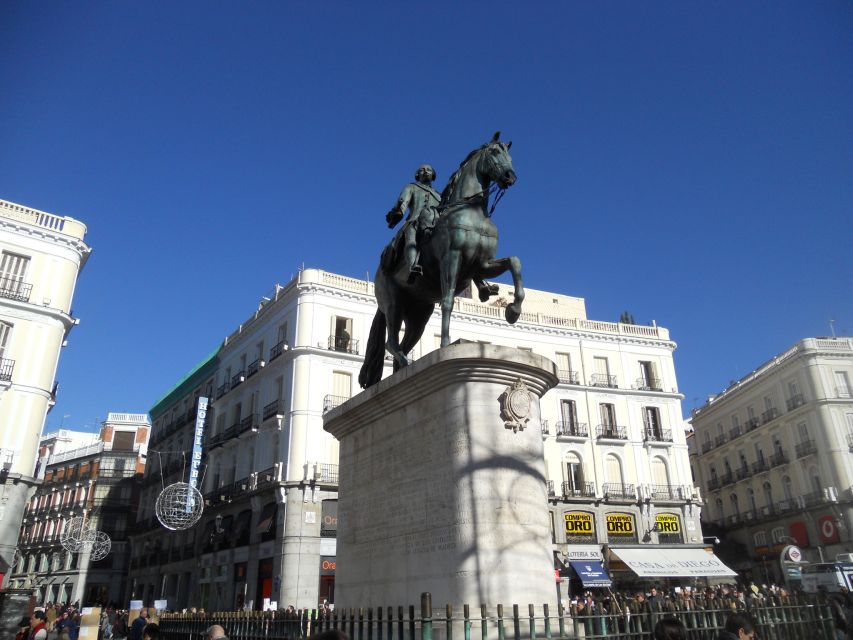
- Puerta del Sol is the starting point: Meet beside Madrid’s famous bear statue, a central spot that makes it easy to begin your city orientation.
- The route covers Madrid’s Habsburg quarter: You’ll connect royal buildings, churches, medieval squares, and old streets in one compact walk.
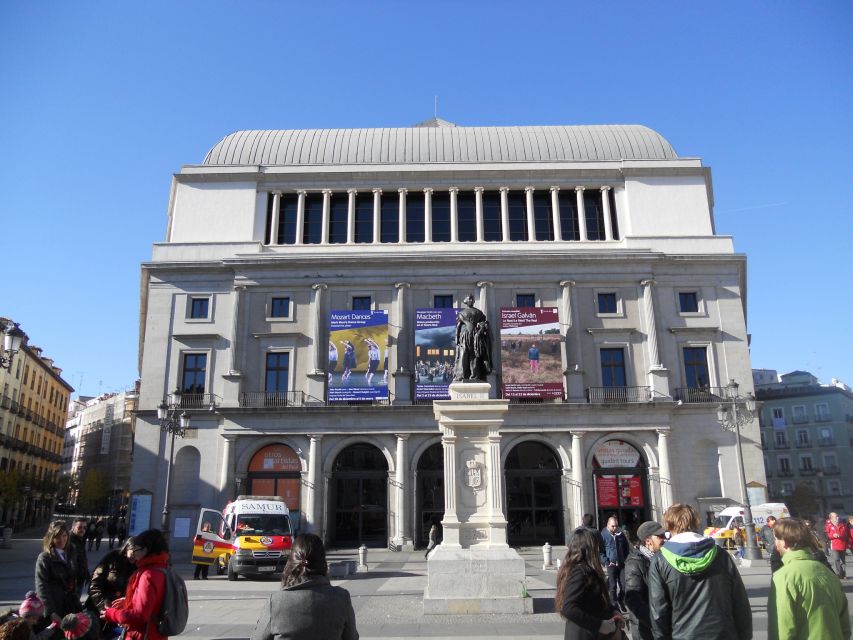
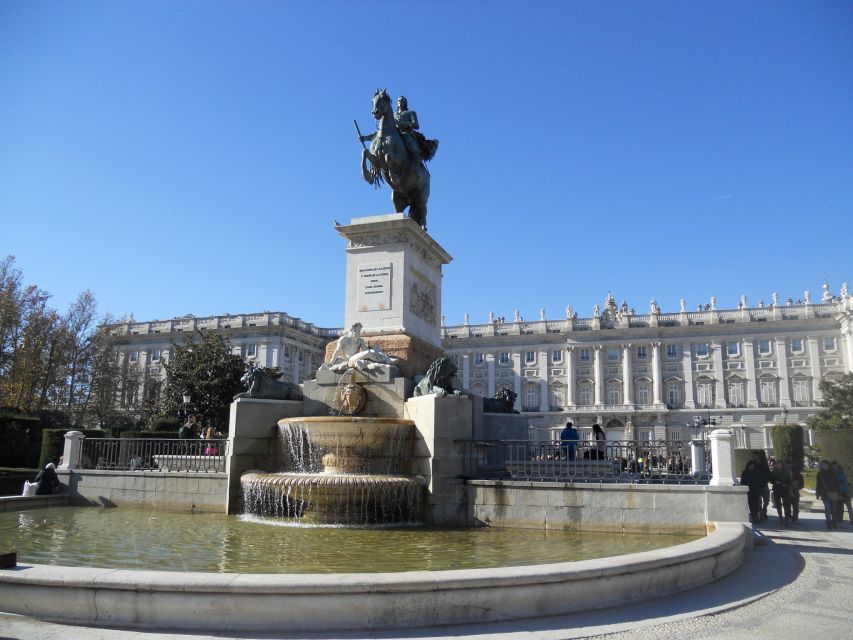
- Major sights appear from the outside: The Royal Palace, Royal Theater, Almudena Cathedral, San Gines, and Plaza de la Villa are part of the route, but entrance fees are not included.
- Plaza de la Paja adds medieval context: This historic square was once the most important square in medieval Madrid.
- Local advice is part of the product: The guide offers practical tips about Madrid, not just dates and architectural labels.
- The format is short but active: Bring comfortable shoes, and remember that transfers and personal expenses are not included.
Starting at the bear statue in Puerta del Sol
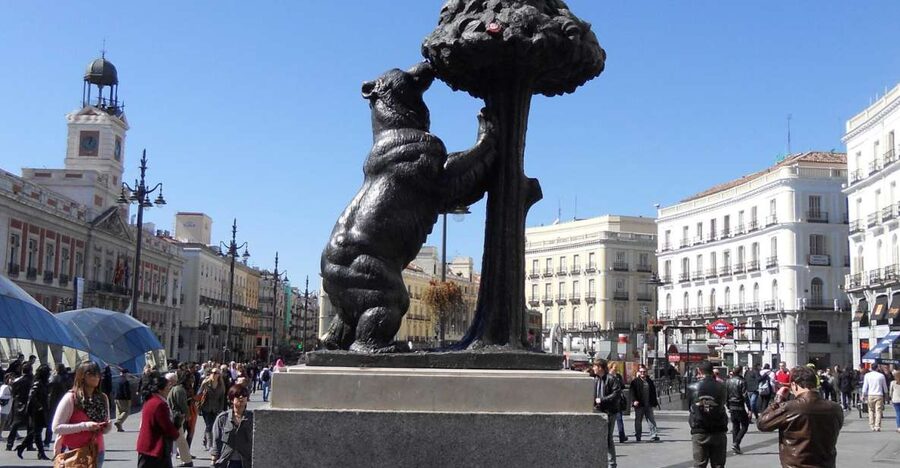
Puerta del Sol is a smart place to begin. It is one of Madrid’s best-known meeting points, and the bear and strawberry tree statue gives you a simple landmark to find. You are starting in the city center, not out on the edge, so the tour quickly puts Madrid’s streets, squares, and royal connections into context.
I like a starting point such as this because it helps you get your bearings before you spend time inside museums or palaces. The tour begins with facts about Madrid’s past and present, giving you a basic map of the city’s importance. You should leave this first section with a clearer idea of how the capital developed and why the central area is packed with such different layers of architecture.
The setting can also be busy. Puerta del Sol is a major public square, so allow enough time to locate the bear statue and your guide. The meeting point is precise, but the square itself is not quiet or intimate.
More Local Culture and Traditions Tours in Spain
- Sevilla Food Tour: Tapas, Wine, History & Traditions
★ 5.0 · 3,468 reviews - Taste of Malaga Tour : Tapas, History and Local Customs
★ 5.0 · 758 reviews - San Sebastian E-bike trour: Basque History and Cultural.
★ 5.0 · 367 reviews
Following the Habsburg trail toward the Royal Palace
The heart of the experience is the Madrid of the Habsburgs. This period shaped much of the old center, and the tour uses buildings and public spaces to explain how royal power influenced the city.
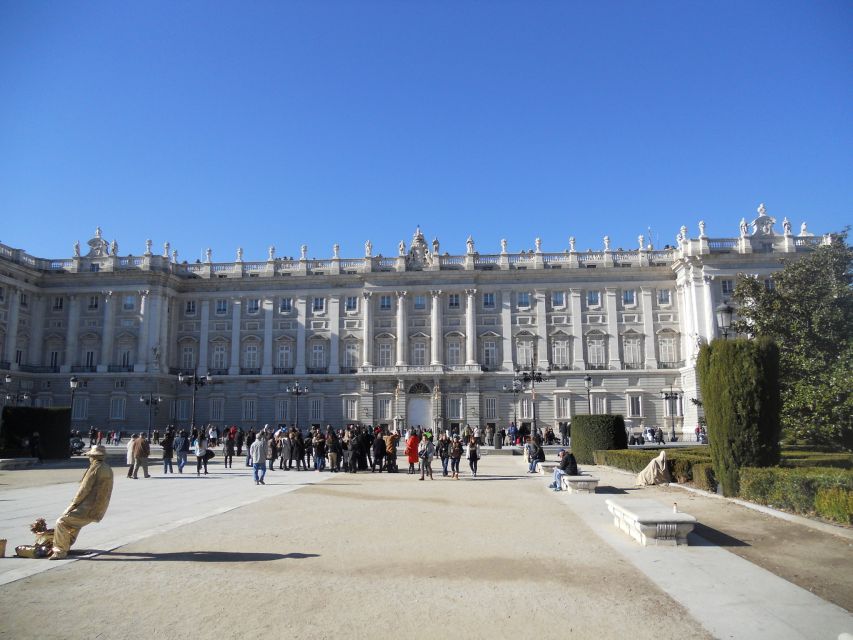
You’ll walk toward the Royal Palace of Madrid, one of the clear high points of the route. The palace is the kind of sight that benefits from explanation. Without a guide, you can admire its size and formal design. With context, you can better understand its place in Madrid’s royal story and how the surrounding center was shaped around court life.
The tour does not include admission to the Royal Palace. That matters when you compare the $47 price with a self-guided day in Madrid. You are paying for a focused walking route and a live guide, not a palace visit or a full package of entrances. If you want to go inside, you will need to arrange and pay for that separately.
I see this as a strength for some visitors. A short orientation walk can help you decide which major sites deserve your limited museum time later. It also keeps the tour moving instead of turning a two-hour walk into a long queueing exercise.
San Gines and the Royal Theater
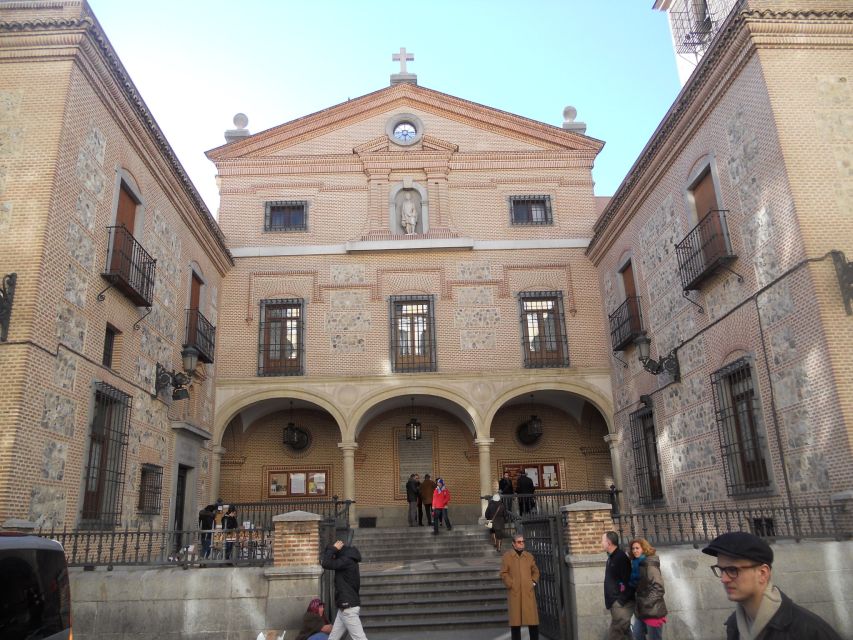
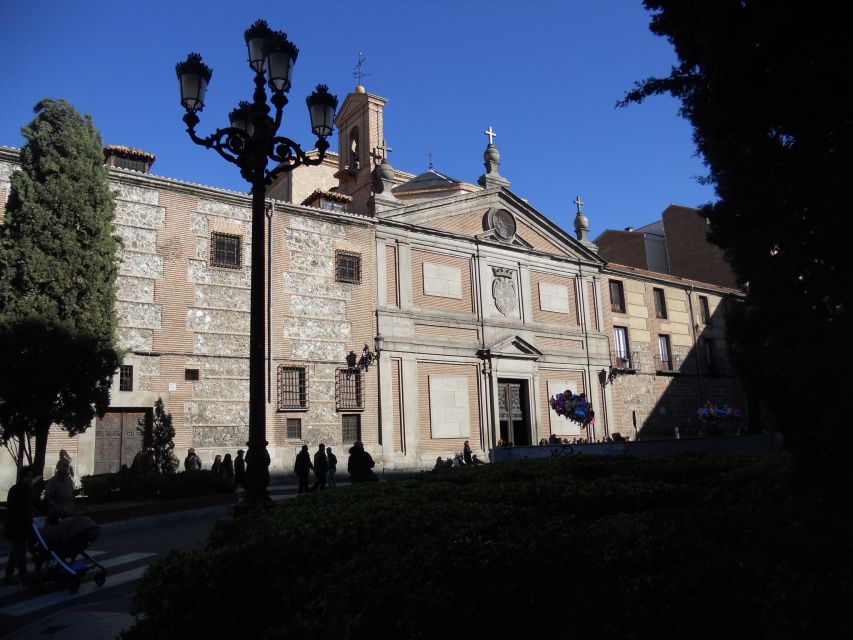
On the way to the palace, the route passes the monastery of San Gines. This gives the walk a more varied rhythm. You are not simply moving from one famous palace to another. Religious architecture, royal buildings, theaters, and open squares all form part of the story.
San Gines is especially useful as a reminder that Madrid’s cultural identity is not built only around grand royal landmarks. Smaller historic buildings can reveal how religious life and daily city life fit into the old center. The information provided does not promise an interior visit, so expect to see and discuss the site from the route rather than enter it.
The Royal Theater brings another side of Madrid into view. Its presence connects the royal district with music, performance, and public culture. Again, the value is in the explanation and the relationship between the buildings. You get to see how several institutions gathered around the same central part of the city.
This section should suit you if you prefer a city walk that explains why buildings matter. It may feel less satisfying if you want long interior visits at every stop. The tour is designed as sightseeing, not as a series of admissions.
Almudena Cathedral and Madrid’s changing identity
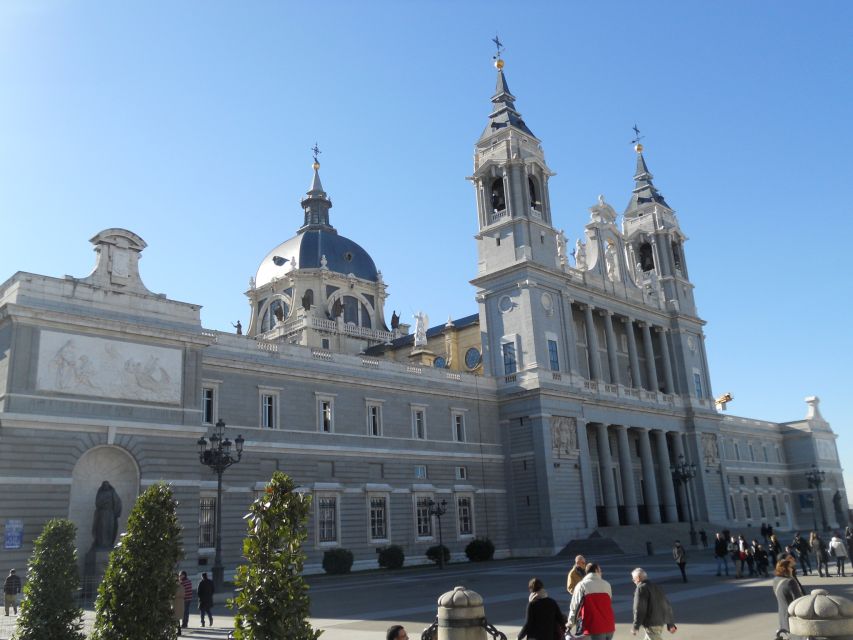
The Almudena Cathedral adds a major religious landmark to the route. Its location near the Royal Palace makes the relationship between church and monarchy easy to see. You can take in both buildings as part of the same central Madrid setting, while the guide explains their cultural and architectural value.
The route was designed with architectural value in mind, so this is where the guide’s role matters most. You’ll get more than a list of names. The goal is to connect the buildings with the city’s development and with the different periods represented in the old center.
Because the tour lasts only two hours, the cathedral stop is best understood as an exterior orientation unless your guide says otherwise. Entrance fees are excluded, and no interior visit is promised. If you want time to study the cathedral inside, plan a separate visit rather than expecting the walking tour to provide it.
I like this arrangement for a first day in Madrid. You can see several major landmarks, learn how they relate to one another, and then choose where to return at your own pace.
More Local Culture and Traditions Tours in Madrid:
- Amsterdam Food and Cultural Tour with Tastings
★ 5.0 · 4,315 reviews - Tromsø: Reindeer Camp and Sami Cultural Tour with Lunch
★ 4.7 · 3,326 reviews - Half Day Dominican Republic Cultural Tour : Small Group
★ 4.5 · 1,862 reviews - Ultimate Melbourne Walking Tour: History, Laneways & Culture
★ 5.0 · 1,451 reviews
Plaza de la Villa and the older city center
Plaza de la Villa offers a more intimate historical setting than the large royal spaces. It helps shift the story from Madrid as a modern capital to Madrid as an older town with administrative and civic roots.
The square is one of the route’s useful pauses because it lets you compare different scales of architecture. Large royal buildings show power and ceremony. A historic civic square shows how the city functioned at a more local level. That contrast makes the walk feel like a study of Madrid’s growth rather than a checklist of monuments.
You should pay attention to how the guide uses the square. The available information does not give a detailed list of individual buildings or interiors, so I would not expect a full architectural lecture at every doorway. The strength is the larger picture: how Madrid’s old center developed around public, religious, and royal spaces.
This stop also works well for first-time visitors who want to understand the shape of central Madrid before exploring on their own. You get a useful frame for later walks through the historic district.
Plaza de la Paja and the medieval layer
Plaza de la Paja is one of the most interesting details in the route because it takes you beyond the better-known royal sights. It was the most important square in medieval Madrid, which gives you a glimpse of the city before the Habsburgs reshaped its political importance.
That historical shift is the point. Madrid was not always defined by palaces and royal ceremonies. The medieval city had its own centers of trade, public life, and authority. By including Plaza de la Paja, the walk shows that Madrid’s story began earlier than the royal quarter most visitors first notice.
I especially like this kind of stop because it rewards curiosity. A famous palace is easy to recognize. A historic square needs a guide to explain why it belongs in the story. The square also breaks up the grander monuments and gives the tour a more local feel.
Do not expect a long break here unless the guide allows one. With a two-hour duration, the route has several important stops to cover. Comfortable shoes are essential because you will be walking between them.
What the local guide adds
The tour’s most useful extra is the local advice. You are not only hearing about buildings. You can also ask for practical tips about Madrid, and the guide can point you toward places and choices that fit your time in the city.
That advice may be most valuable at the end of the walk, when you have a better sense of the center. You can ask about what to see next, how to organize the rest of your sightseeing, or which parts of Madrid deserve more time. The details provided do not promise a fixed list of recommendations, so the quality will depend partly on your questions and the guide assigned to your group.
Guide quality appears to be a real strength. Jenny has been praised for turning a rainy day into a warm, informative outing and for handling a small group with care. Other feedback describes guides as friendly, helpful, and very well prepared. That matters because a walking tour succeeds or fails on the person leading it.
The language choice is narrower than some visitors may expect. Live tours are listed in Spanish and German. If you need English, confirm the available language before paying. Do not assume that a central Madrid tour automatically includes English guiding.
Is $47 a fair price for two hours?
At $47 per person, this is not the cheapest way to see Madrid’s center. You can walk past many of the same buildings on your own for free. The value comes from the structure, the historical links between stops, and the chance to ask a local guide for advice.
I would consider the price fair if you are visiting Madrid for the first time and want a compact introduction. In two hours, you cover several major landmarks and learn how the Habsburg period shaped the old center. That can save you from wandering without a plan on your first day.
The price is less attractive if you already know the historic center well or prefer to read about architecture independently. It also does not cover entrance fees, transfers, or personal expenses. Think of it as a guided orientation, not a sightseeing pass.
The small-group atmosphere can improve the value. One older account describes a group of only two people, while the current terms say at least three participants are required for the tour to operate. Since group size can vary, you should not book expecting a private tour. Still, the format may feel more personal than a large group walk.
Who should book this Madrid walk?
I would recommend it most strongly to first-time visitors, architecture fans, and anyone who likes history explained in plain language while walking through the actual places where it happened.
It also suits you if you want a short activity before a larger day of independent sightseeing. The route gives you a useful map of the center without taking half a day. The local tips can then help you decide how to spend the rest of your visit.
This tour may be less suitable if you need English guiding, want to enter several buildings, or have difficulty walking for two hours. The route includes historic streets and squares, and comfortable shoes are specifically recommended. Transfers are not included, so you must make your own way to Puerta del Sol.
Weather is another practical point. Madrid can be rainy, and the walk takes place outdoors. Jenny’s ability to keep a wet-day group engaged is encouraging, but bring suitable clothing if the forecast looks poor.
Booking details worth checking
The meeting point is at the bear statue by Puerta del Sol. The experience lasts two hours, and starting times depend on availability.
You can cancel up to 24 hours before the tour for a full refund. The reserve-now, pay-later option also gives you some flexibility, which is useful when your Madrid plans are still moving.
The current participation rule requires at least three people for the tour to run. Check the booking details close to your date, especially if you are planning around one fixed morning or afternoon.
Final call: a focused introduction to old Madrid
Book this tour if you want a friendly, structured walk through Madrid’s Habsburg center, with the Royal Palace, Almudena Cathedral, Royal Theater, San Gines, Plaza de la Villa, and Plaza de la Paja tied into one story.
Skip it if you need English, want included entrances, or prefer to explore at your own speed. At $47, the experience earns its price through the guide and the route, not through admissions or transport. For a short first look at Madrid, that can be a sensible trade.
FAQ
Where does the Madrid City Tour begin?
The tour begins at the bear statue by Puerta del Sol in Madrid.
How long does the tour last?
The tour lasts two hours.
Which languages are available?
The live tour guide is available in Spanish or German.
Are entrance fees included?
No. Entrance fees are not included in the tour price.
What should I bring?
Bring comfortable shoes because the experience is a walking tour through Madrid’s historic center.
How far in advance can I cancel?
You can cancel up to 24 hours in advance for a full refund.
Just added around Madrid
- Madrid: Tour of the Historic City Center★ 5.0 · 87 reviews
- Madrid: Royal Palace, Prado Museum & Historic Center Tour★ 4.6 · 50 reviews
- Madrid: Tapas, Taverns & History Tour★ 4.7 · 71 reviews
- Madrid: Tuk-tuk tour of the historic center and highlights★ 4.7 · 20 reviews
- Madrid: Authentic Tapas Evening Tour with a side of History★ 4.9 · 37 reviews
- Madrid: Small-group historical walking tour★ 4.9 · 19 reviews
- Tapas Crawl in Madrid Historical Quarter for Lunch or Dinner★ 4.9 · 45 reviews
- Madrid: History of Tapas Walking Tour and Tasting★ 4.7 · 30 reviews
Local Culture & Traditions Tours, compared.

Amsterdam Food and Cultural Tour with Tastings
Read our review →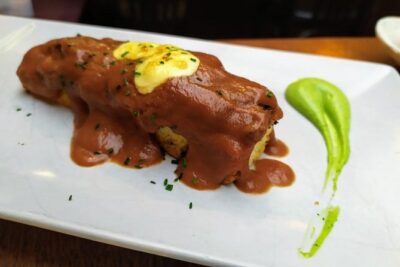
Sevilla Food Tour: Tapas, Wine, History & Traditions
Read our review →
Tromsø: Reindeer Camp and Sami Cultural Tour with Lunch
Read our review →
Half Day Dominican Republic Cultural Tour : Small Group
Read our review →
Ultimate Melbourne Walking Tour: History, Laneways & Culture
Read our review →
Tromsø: Sámi Reindeer Sledding and Sami Cultural Tour
Read our review →
Kyoto Gion: 2-Hour Geisha Culture & History Walking Tour
Read our review →
Marrakech Historical and Cultural Tour – Half Day City Tour
Read our review →Browse the lists this tour appears in