
Review · SOUTH EAST ENGLAND
London: Brutalist Architecture & History Walking Tour
Concrete can tell a surprisingly human story. This 2.5-hour London walking tour examines the city’s Brutalist buildings through architecture, politics, engineering, and social change, with stops including the National Theatre and Institute of Education. I like the small group size, limited to six people, and the way guide Evan connects buildings to the events that shaped post-war London. The main drawback is that you see interiors only from outside, and some explanations may feel broad if you already know Modernist architecture well.
I also like the price: $47 per person is fair for a small, guide-led tour in Central London, especially when Evan gives the walk a personal focus rather than simply naming architects and dates. You should be ready for a proper urban walk, one short Tube journey, and the possibility of a weather postponement.
Key points to know before you go
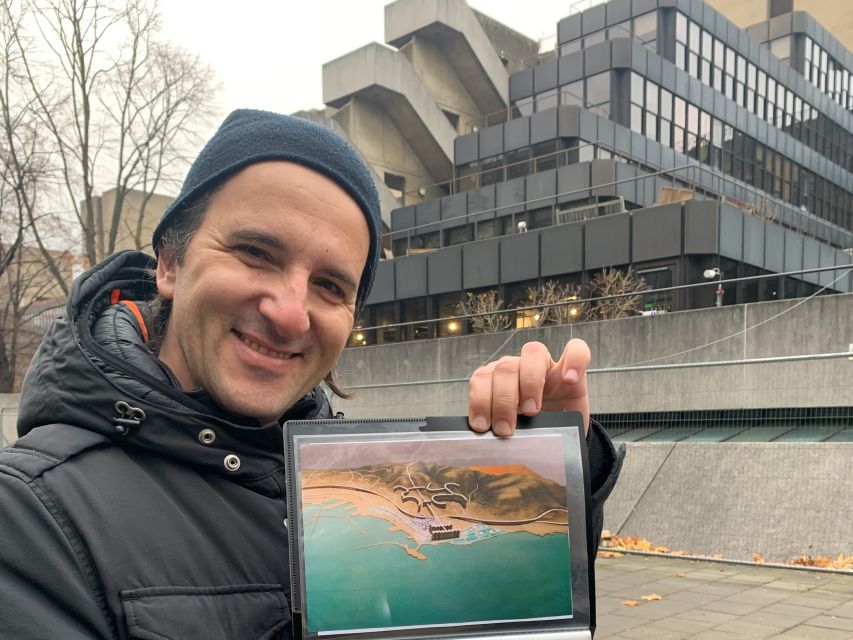
- Evan is the central reason this works: He is praised for his enthusiasm, clear explanations, and ability to adjust the discussion to your level of knowledge.
- The National Theatre is a major highlight: You examine one of London’s best-known Brutalist buildings and discuss the political and social forces behind its construction.
- The tour links concrete to world events: This is not just a photo walk. You learn why post-war governments and architects turned to concrete and monumental Modernist design.
- The group has a six-person limit: That gives you a better chance to ask questions and follow the guide closely.
- One Tube ride is part of the route: Bring enough Zone 1 credit or a valid public transport ticket.
- It suits adults with a real interest in buildings: Children under 16 are not accepted, and the walk is not suitable for people with mobility impairments.
Why Brutalism makes a good London tour subject
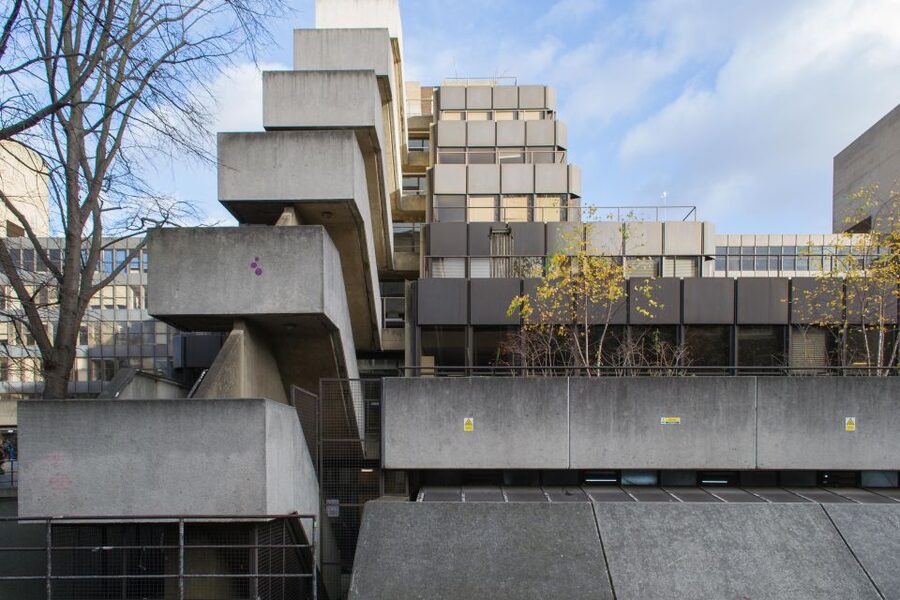
Brutalist architecture is hard to ignore. Its concrete surfaces, heavy forms, deep shadows, and fortress-like shapes can look severe, but they were often built to express public purpose. Schools, theatres, housing projects, offices, and government buildings used this style to announce that modern society could build on a large scale.
This tour is useful because it does not treat Brutalism as a simple contest between beautiful and ugly. You look at the practical reasons for using concrete, the ideals behind Modernist monumental design, and the arguments that still surround these buildings.
Post-war London needed housing, public institutions, offices, and cultural spaces. Concrete could be used in large quantities, and architects saw it as a material that suited a new age. It also helped create bold forms that traditional stone construction could not easily produce.
The catch is that Brutalism can feel cold or intimidating, especially when you first encounter a large block of concrete at street level. Evan’s job is to explain the choices behind the appearance. That context can change the way you look at a building, even if you never learn to love every example.
More History Walking Tours in London
- London: Historic Pubs of Central London Walking Tour
★ 4.9 · 1,065 reviews - London: Soho Music and Historic Pubs Walking Tour
★ 4.9 · 836 reviews - Royal Historic Pubs Walking Guided Tour in London
★ 5.0 · 803 reviews
Starting outside Russell Square Underground Station
The meeting point is outside Russell Square Underground Station on the Piccadilly Line. This is a practical starting point in central London, but you should allow enough time to find the correct station exit and meet the group before the walk begins.
The tour is conducted in English, and the group is limited to six participants. That matters here. Brutalist buildings have many details that are easy to miss, from the shape of a window opening to the way a structure meets the pavement. A small group makes it easier to hear the guide and ask about details that catch your eye.
You should bring a public transport ticket or enough credit for one short Zone 1 Tube journey. The Tube ride is included as part of the route, but the cost of public transport is not included in the $47 price.
Wear comfortable shoes and dress for London weather. The walk may be postponed or canceled if conditions are unfavorable, so check the arrangements close to your start time.
Understanding concrete before judging the buildings
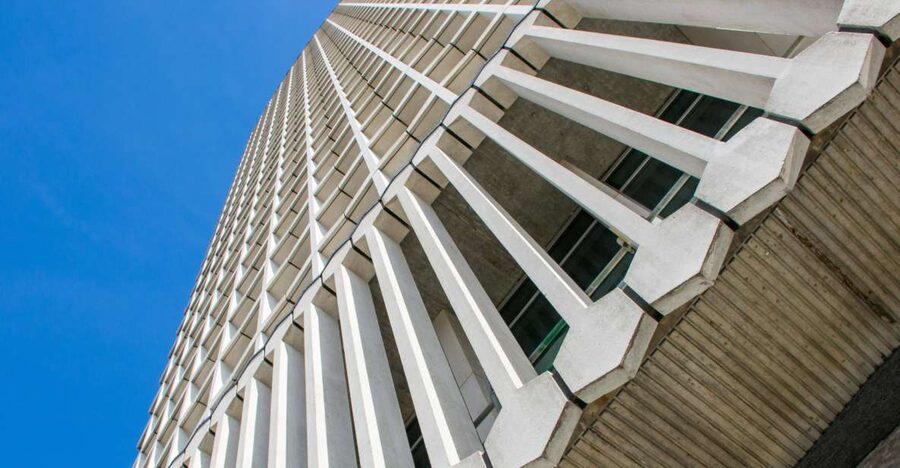
A useful feature of this walk is its attention to concrete as an engineering and architectural material. You learn why it became so important in modern construction and how its physical qualities affected the shape of public buildings.
Concrete can support large spans, create massive forms, and produce surfaces that look unfinished or raw. It also carries practical problems. Weathering, repairs, maintenance, and public reaction all affect how these buildings survive.
The discussion reaches beyond London. You hear about important figures in European Modernism and global events that influenced the city’s post-war architecture. This wider setting helps explain why London did not develop its Brutalist style in isolation.
I would expect the early part of the tour to be most useful if you are new to architecture. It gives you a basic vocabulary for reading the buildings. Instead of seeing only grey walls, you can begin to notice structure, scale, repetition, surface, and the relationship between a building and the public space around it.
If you already read architectural theory or follow conservation debates, you may want more technical detail. One participant felt the tour sometimes offered a general account of Modernism and Brutalism rather than enough discussion of construction methods and compromises. That is a fair caution. This is an accessible guided walk, not an advanced architecture seminar.
The Institute of Education and the public face of Modernism
The Institute of Education is one of the notable buildings included on the route. Its form gives Evan a chance to discuss Modernist ideas in an institutional setting, where architecture had to represent education, public service, and progress.
This is the sort of stop where the building’s design becomes more meaningful once you consider its purpose. Brutalist architecture was often linked with public bodies that wanted their buildings to look serious, durable, and forward-looking. The style could seem democratic because it avoided decorative traditions associated with older elites, but its scale could also feel imposing.
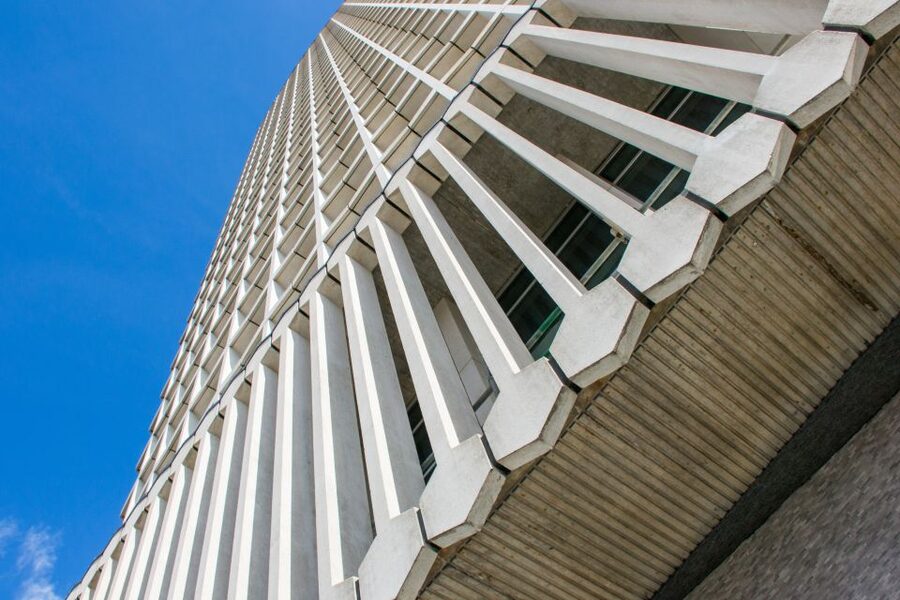
You will be outside rather than touring the interior. That limits what you can inspect, but it keeps the walk focused on the relationship between the structure, the street, and the wider city. Bring a camera if you enjoy strong geometric photographs. Concrete edges, repeated windows, and dramatic angles can produce better images than the buildings’ first impression suggests.
The Institute of Education also helps show that Brutalism was not only about housing estates or unpopular office blocks. It was used for major educational and civic institutions, places meant to represent public ambition.
More History Walking Tours in the UK
- Private Group: Historical Pub Walking Tour of London
★ 5.0 · 660 reviews - London: Royal Historic Pubs Walking Tour
★ 5.0 · 536 reviews - Historic Pub Walking Tour of London
★ 5.0 · 484 reviews - London: Medieval History Walking Tour from The Tower
★ 4.9 · 318 reviews
The National Theatre, where architecture meets politics
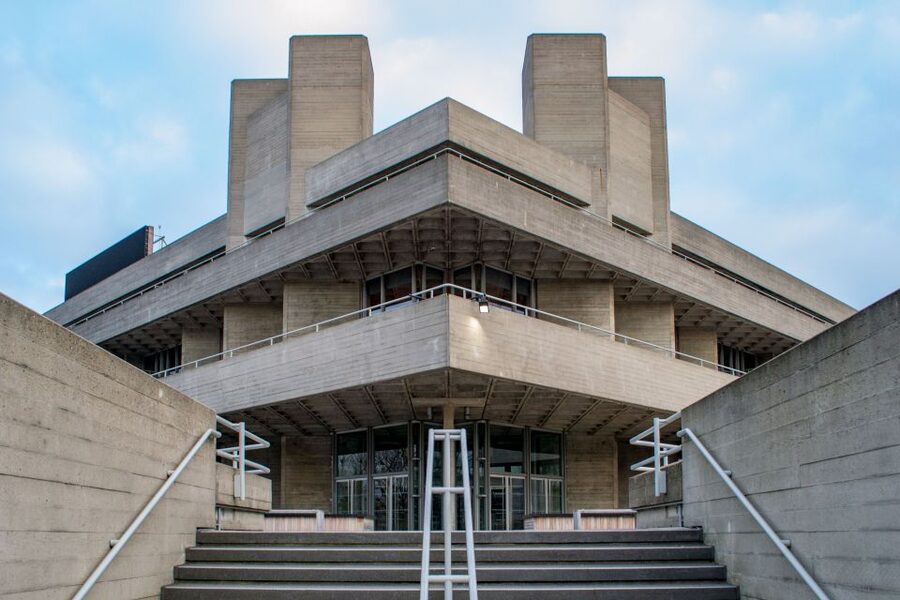
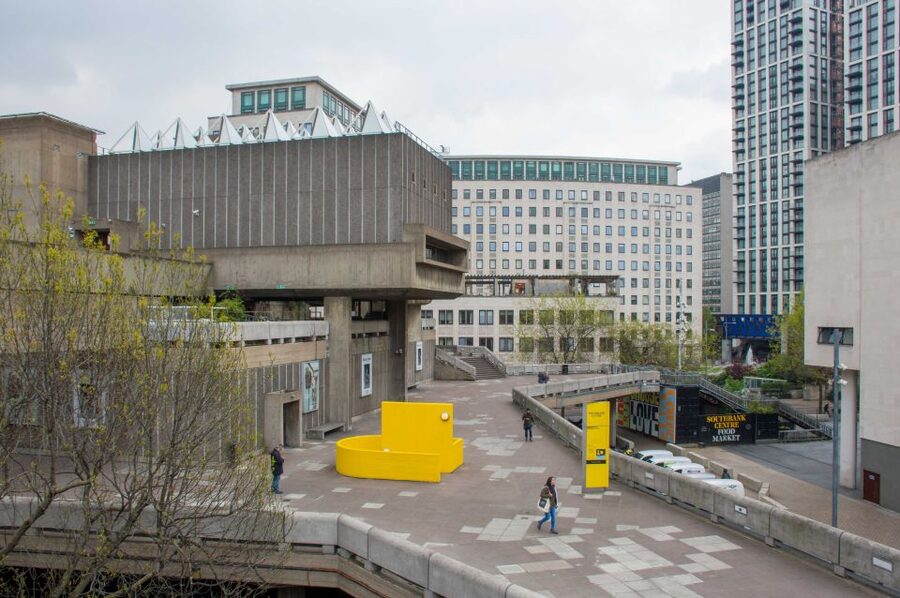
The National Theatre is likely to be the emotional center of the walk. It is one of London’s most famous Brutalist buildings and one of the clearest examples of how public architecture can become a cultural argument.
Here, you learn about the political, social, and economic conditions that helped make the building possible. That broader explanation is important. The theatre is not simply an unusual stack of concrete terraces. It reflects decisions about public culture, national identity, public money, and the role of architecture in a modern capital.
The building’s design invites strong reactions. Some people admire its sculptural mass and carefully arranged platforms. Others see a forbidding block that overwhelms the riverfront. The tour gives you space to consider both responses rather than pushing one approved opinion.
This is also a good photo stop. The National Theatre has bold shapes and changing lines that reward looking from more than one angle. Since the interiors are not visited, your attention stays on the outside composition and the way the building occupies its setting.
I especially like that the discussion does not stop at the original design. The guide also addresses the continuing argument over how Brutalist buildings should be used, maintained, protected, or changed. That question affects the National Theatre and many other concrete buildings across London.
The Brunswick and the value of close looking
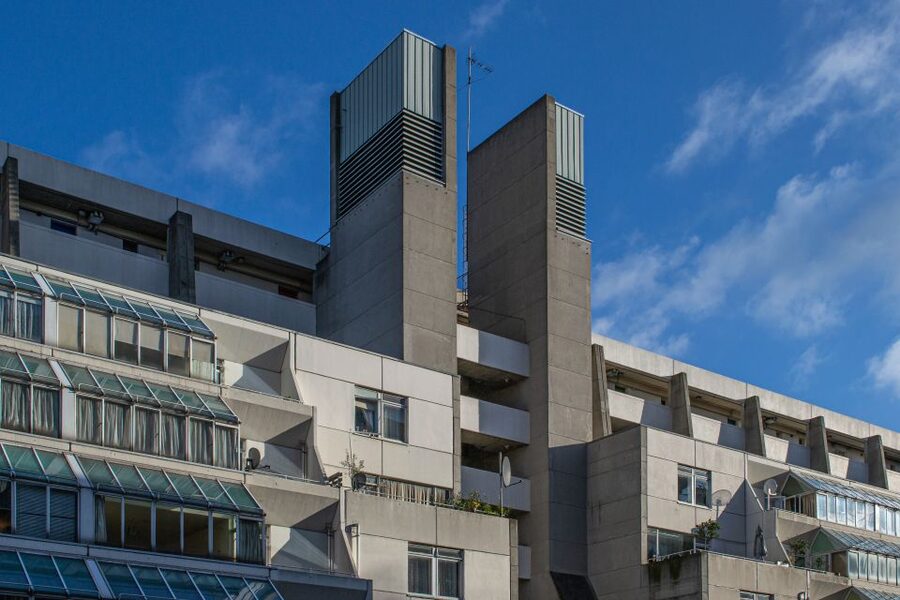
The Brunswick receives particular attention for its details. One assessment of the tour singled out Evan’s eye for the building, which suggests that this is a stop where careful observation pays off.
The Brunswick is useful because it can show how Brutalist and Modernist ideas work at a more immediate scale. Rather than looking only at a grand civic monument, you can study patterns, materials, entrances, and the connection between private or commercial use and the surrounding public area.
This is where the walk may reward you most if you enjoy photography or design. Look closely at the parts of the building that are easy to pass without a second thought. Evan’s explanations can help you notice how small design decisions support the larger architectural idea.
The route does not promise entry into every building, and no interiors are visited. That is a limitation if you want to see how these structures function inside. Still, the outside examination offers a useful lesson: architecture is not only about façades. It is also about movement, scale, access, and the way a building shapes daily life around it.
The social argument behind concrete
The strongest part of this experience is its social and political angle. You hear about the global events that influenced London’s post-war development and the forces that encouraged the use of concrete.
That makes the tour more than a collection of building facts. You consider why certain forms became popular, who commissioned them, what public needs they answered, and why public opinion later shifted against them.
Brutalism has often been judged by its weathered appearance. A building that looked bold and optimistic when new may look neglected decades later. Maintenance costs, changing public taste, redevelopment pressure, and the needs of local residents all affect its future.
The walk also explains the tension among local authorities, preservation groups, and residents. One side may see an important work of architecture. Another may see a difficult building that needs alteration or replacement. Residents may care less about architectural status than about comfort, upkeep, access, and how the building serves the neighborhood.
You do not need to agree with the preservation case to enjoy this discussion. In fact, the best use of the tour is to leave with better questions. Should a concrete building be protected because of its design? Should it be changed to meet current needs? Can a building be historically important and still unpopular?
Evan’s guiding style and the level of detail
Evan is praised for being friendly, enthusiastic, and able to explain complicated subjects in an informal way. Several comments describe him as passionate about the built environment, and one person said he adapted the tour to suit the knowledge of both a parent and adult child.
That flexibility matters because this subject can become dense. You may arrive knowing only that you like unusual buildings, or you may already have a firm view of Modernism. A good guide needs to keep both kinds of participant involved.
Evan appears strongest when explaining the historical reasons behind buildings and pointing out details that are easy to overlook. He also brings a personal interest in Brutalism, which gives the walk energy.
There is one caution about factual precision. A participant questioned a few historical claims, including an explanation about bricked-up windows and Isaac Hayward’s political position. I would treat this as a reminder to keep an open mind and ask questions if a point sounds too neat. The overall experience can still be highly enjoyable, but no single guided explanation should replace wider reading if you are researching the subject seriously.
Is $47 fair for 2.5 hours?
At $47 per person, this is not the cheapest way to spend a morning in London, but the price compares well with a small-group specialist tour. The group limit of six is the key value. You are not standing at the back of a large crowd while a guide points across a road.
The fee covers the walking tour and live English-speaking guide. You pay separately for the short Tube journey, so keep a valid ticket or enough Zone 1 credit available.
The value is strongest if you want interpretation rather than a self-guided list of buildings. You could photograph Brutalist landmarks on your own, but you would miss the connections between architecture, post-war policy, public culture, engineering, and preservation.
The value is weaker if you want interior access, a highly technical construction tour, or a route designed around many buildings. The walk focuses on selected landmarks and the ideas behind them, not on entering every site.
The booking terms are also practical. You can reserve now and pay later, and cancellation is allowed up to 24 hours before the tour for a full refund. Those conditions help if your London plans are still shifting.
Who should book this London architecture walk?
I would recommend it most strongly to adults who enjoy architecture, urban planning, photography, or the political story behind public buildings. It is also a good choice if you have already visited London’s famous historic sights and want a different way to read the city.
You do not need a degree in architecture. The guide’s accessible style suits beginners, especially those who want to understand why Brutalist buildings were created and why opinions about them changed.
I would be more cautious if you have limited walking ability, since the experience is not suitable for people with mobility impairments. Children under 16 cannot join, and anyone hoping to tour interiors will need to choose another activity.
The walk may also disappoint you if you want only famous landmarks and quick photo stops. Much of its appeal comes from discussion, comparison, and looking closely at buildings that can take time to understand.
Final verdict: book it for the ideas, not just the concrete
Book this tour if you want London explained through its post-war buildings rather than its medieval streets and royal landmarks. Evan’s enthusiasm, the six-person group, and the links between architecture and public life make the $47 cost reasonable.
Skip it if you need indoor access, a fully technical construction course, or an easy route for anyone with mobility limits. For curious adults who want to see the National Theatre, the Institute of Education, the Brunswick, and other central Brutalist examples with useful context, this is a focused and distinctive addition to a London visit.
FAQ
Where does the London Brutalist architecture tour meet?
The meeting point is outside Russell Square Underground Station on the Piccadilly Line.
How long does the walking tour last?
The tour lasts 2.5 hours.
What language is the tour conducted in?
The live tour guide speaks English.
How many people are in the group?
The group is limited to six participants.
Does the tour include public transportation?
The route uses the Tube once for a short journey, but public transportation costs are not included. Bring enough credit for one Zone 1 trip or a valid public transport ticket.
Are the interiors of the buildings visited?
No. The tour examines the buildings from the outside, including sites such as the National Theatre and Institute of Education.
Is the tour suitable for children or people with mobility impairments?
Children under 16 are not permitted, and the tour is not suitable for people with mobility impairments.
More Architecture and Landmark Tours in London
- Venice: St. Mark’s Basilica Guided Tour & VR History Intro
★ 3.9 · 4,880 reviews - Venice’s Best: Basilica, Doge’s Palace, Gondola & History Gallery
★ 4.5 · 2,478 reviews - Córdoba: Skip-the-Line Great Mosque-Cathedral History Tour
★ 4.7 · 1,690 reviews - Pantheon Elite Guided Tour – Rome’s Iconic Ancient Temple
★ 5.0 · 1,447 reviews
Just added around London
- London: Self-Guided History City Tour with an App★ 4.3 · 21 reviews
- London: Witches and History Bankside Walking Tour★ 4.8 · 223 reviews
- London: Hot Tub Boat Guided Historical Docklands Cruise★ 4.6 · 62 reviews
- London: Historic Pubs, British Ales & Classic Dishes★ 4.9 · 36 reviews
- London: Jack the Ripper Tour with Historic Pub Stops★ 4.8 · 360 reviews
- London: Historic London Pub Walking Tour★ 4.8 · 94 reviews
- London: 2-Hour Historic Pub Tour★ 4.9 · 133 reviews
- London: 2-Hour Guided Tour of the British Museum and History★ 4.3 · 22 reviews
Architecture & Landmark Tours, compared.
St. Mark’s Basilica Guided Tour & VR History Intro
Read our review →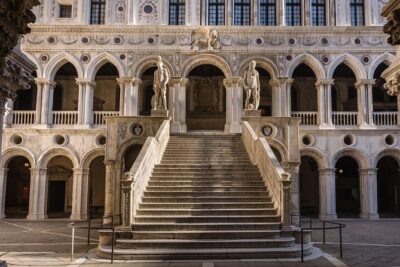
Venice’s Best: Basilica, Doge’s Palace, Gondola & History Gallery
Read our review →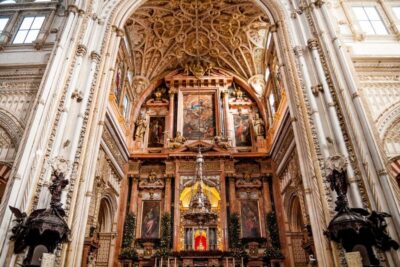
Córdoba: Skip-the-Line Great Mosque-Cathedral History Tour
Read our review →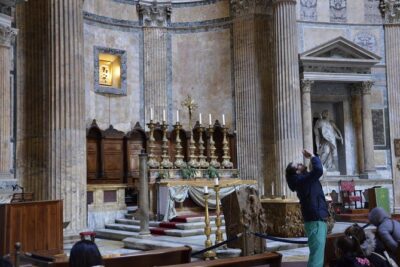
Pantheon Elite Guided Tour – Rome’s Iconic Ancient Temple
Read our review →
Abu Dhabi Grand Mosque, Palace, and Heritage Village
Read our review →
Chicago in a Day: Food, History & Architecture Walking Tour
Read our review →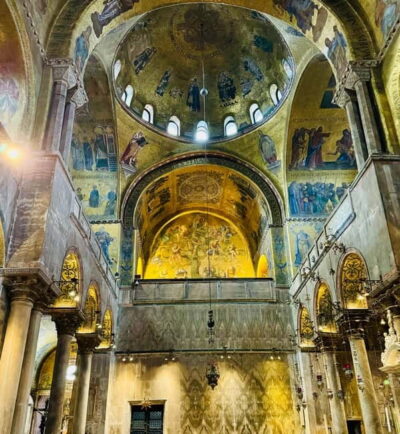

Colosseum Special Access Tour, with Ancient Temples & Tombs
Read our review →Browse the lists this tour appears in