

Review · PELOPONNESE
Kalamata : Historical Gossip Tour
Kalamata keeps its secrets well. This two-hour walk through the historic center brings out the city’s darker tales, from cursed princesses and pirates to spies, royal affairs, murders, and wartime missions. I like the story-led approach, and I also like that the guide connects Kalamata to events far beyond Greece. The main thing to consider is that this is a walking tour on historic streets, with no wheelchair access and no museum admission included.
The guide makes a big difference here. Tina, also known as Photina, is praised for her energy, humor, clear English, and gift for storytelling. I especially like that the tour does not treat history as a list of dates. It uses scandals, myths, and uneasy local stories to help you remember the place. Just bring comfortable shoes, water, a hat, and sunscreen, since Kalamata can be hot and the route is outdoors.
Key points at a glance
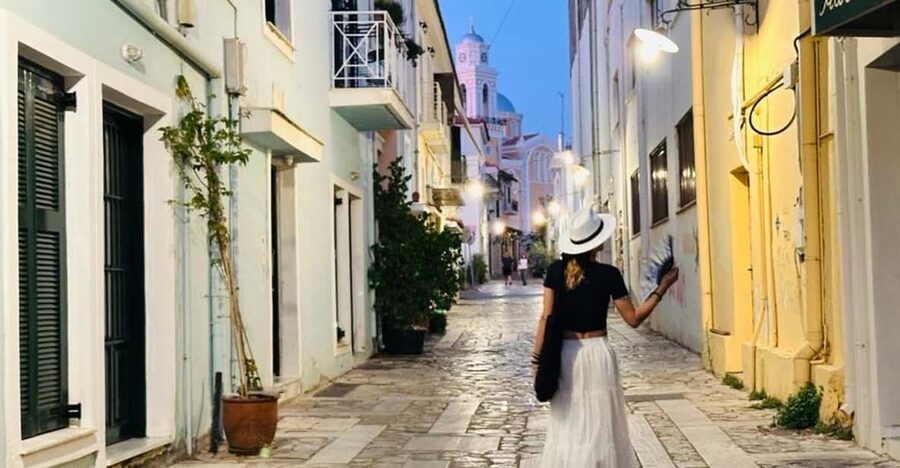
- Two hours in Kalamata’s historic center: The route stays focused on the old town and its famous buildings and sites.
- History with a darker edge: Expect tales of crusaders, pirates, cursed royals, spies, lovers, traitors, and violent rulers.
- A strong storytelling guide: Tina, or Photina, brings high energy, humor, and a serious interest in Greek history.
- Kalamata’s liberation takes center stage: You learn why the city matters as the first town liberated after 400 years of Ottoman rule.
- Modern wartime secrets join ancient myths: The tour reaches from legendary battles to Allied espionage and the German Reich.
- Good value for history fans: At $41 per person, the price is reasonable if you want context and storytelling rather than a quick photo walk.
Starting among Kalamata’s central statues
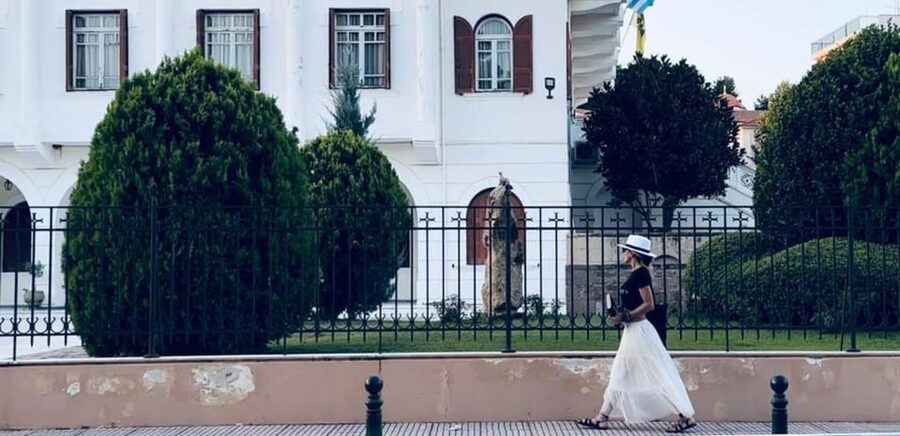
The meeting point is at the statues in the middle of the square. That is a useful, easy-to-find place to begin, but you should still check your booking details for the exact starting time. The tour lasts two hours, so it fits neatly into a morning or afternoon in Kalamata.
You begin in the historic center, following a route shaped by buildings, streets, and the people connected to them. The experience is not presented as a standard sightseeing circuit. Instead, the guide uses the setting as a stage for stories that official accounts often leave out.
That approach suits Kalamata. You are not simply looking at an old façade and hearing the year it was built. You are hearing what may have happened behind its walls, who held power, who betrayed whom, and how private choices affected public events.
The group’s attention is kept on the city itself. You do not need a coach or hotel transfer, and there are no meals or drinks built into the price. That keeps the experience simple, but you need to arrive ready to walk and provide your own water.
A few more history tours around Greece worth a look
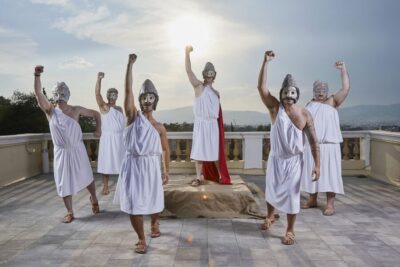
- Athens: Ancient Greek Theater Performance
★ 4.7 · 2,481 reviews - Historical Delphi One Day Tour with Arachova Stop & Expert Guide
★ 4.5 · 1,247 reviews - From Athens: Ancient Corinth Day Trip with Canal & VR Guide
★ 4.6 · 1,073 reviews
The first stories: crusaders, pirates, and rulers
The early part of the walk sets the tone with Kalamata’s more dramatic figures. Crusaders, pirates, bloodthirsty rulers, and powerful families appear not as distant names, but as people caught up in ambition, fear, romance, and revenge.
I like this part because it gives the old center a human scale. A wall or famous building becomes more interesting when you hear about the people who passed through it, fought over it, or kept secrets inside it. The guide’s task is to connect those stories to the places around you without turning the walk into a lecture.
Some stories are rooted in documented material, including official records, newspaper articles, and diaries. Others belong more to myth and local tradition. That mixture is part of the fun, but you should listen for the difference between a recorded event and a tale that has gathered dramatic details over time.
The tour’s title promises gossip, and it delivers a more entertaining form of historical gossip than a dry chronology. You hear about lovers and traitors, royal curses, religious stories, and the kind of scandal that makes you look twice at an otherwise ordinary street.
Cursed princesses and the royal connection
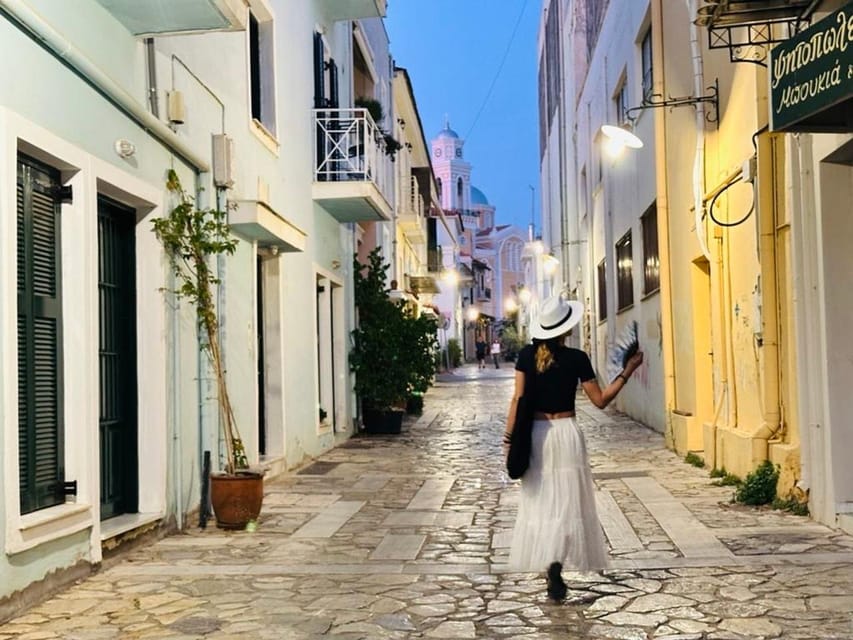
One of the most memorable themes is the story of a royal curse. The exact details are best heard from the guide in context, since the power of the tale comes from how it fits into Kalamata’s buildings and local traditions.
The route also asks what Kalamata had to do with the scandalous love affairs of Catherine the Great, the Russian empress. That connection gives the walk a wider reach. You are not only learning about a Greek town; you are being shown how local stories can touch courts, empires, and European politics.
The royal material is especially good for people who enjoy history through personalities. If you prefer archaeological facts, architectural detail, or a long look inside museums, this may feel less satisfying. The focus is on people and intrigue rather than a formal survey of art and buildings.
A religious icon and the church connected with its story also receive special attention. This is one of the tour’s more unusual threads, since it brings belief, local memory, and historical storytelling together. It also shows why the experience is more than a collection of grim tales. Not every story is about violence or scandal.
Famous buildings, secret files, and brutal murders

As the walk continues, the guide uses Kalamata’s notable buildings and sites to introduce more troubling episodes. You hear about brutal murders and a famous case that is said to remain classified in the British Foreign Office.
That is a strong hook, but it also calls for a sensible attitude. The tour presents the background through stories drawn from documents, articles, and diaries, yet not every claim will carry the same historical certainty. I would treat the experience as an engaging interpretation of Kalamata’s past, not as an academic archive or legal investigation.
This is where the guide’s delivery matters most. Tina has been praised for making complex material easy to follow, using humor without losing the seriousness of the subject. Her energetic style keeps the two hours moving, and one useful detail is that the route may include chances to sit down for coffee if your feet need a break.
That informal flexibility can help if you are not a strong walker. Still, the tour is officially unsuitable for wheelchair users and people with mobility impairments. Historic streets and the walking format may make the route difficult even if the distance is not extreme.
Same place, a different slice of the past:
- Historic Athens: Small Group Electric Bike Tour
★ 4.9 · 966 reviews - Acropolis, Parthenon & Athens Old City Heritage Walking Tour
★ 4.5 · 876 reviews - Private Biblical Tour Ancient Corinth & Isthmus Canal from Athens
★ 5.0 · 762 reviews - Ancient Olympia: Archaeological Site and Museum Entry Ticket
★ 4.3 · 555 reviews
From Ottoman rule to the first liberated town
Kalamata’s political past gives the tour its strongest local foundation. You learn about the city after roughly 400 years of Ottoman rule and why it is described as the first town liberated during the Greek struggle for independence.
This is valuable context because it turns a dramatic claim into a story about place and identity. Kalamata is not just a backdrop for legends. Its role in liberation helps explain why the city matters in the national story of modern Greece.
The tour looks at the darker side of the heroes connected with this period. That is an honest and useful choice. National history often turns people into spotless symbols, while personal ambition, fear, rivalries, and poor decisions get left behind. Here, you are encouraged to see the heroes as complicated human beings.
I appreciate that balance. A tour built only around heroic victories can feel polished but thin. A tour that asks what happened behind the official version gives you more to think about after you leave the square.
Spies, Allied missions, and the road to victory
The most surprising shift comes when the stories reach the Second World War. Kalamata is presented as a place with a large number of Allied spies, and the tour asks what secret mission helped determine victory against the German Reich.
This section widens the time frame again. In one walk, you move from myths and royal scandals to modern intelligence work. The connection shows how Kalamata’s importance did not end with ancient or Ottoman-era events.
For you, the value is in seeing the city as a meeting point of local and international forces. Its story includes rulers and rebels, but also foreign agents and wartime decisions. The subject should appeal to anyone who enjoys espionage, military history, or stories where the public version of events is only part of the picture.
The tour does not promise access to classified records or a museum collection. The experience is a guided walk with historical stories attached to sites in the center. You are paying for the guide’s interpretation and delivery, not for an attraction ticket.
What Tina and Photina add to the experience
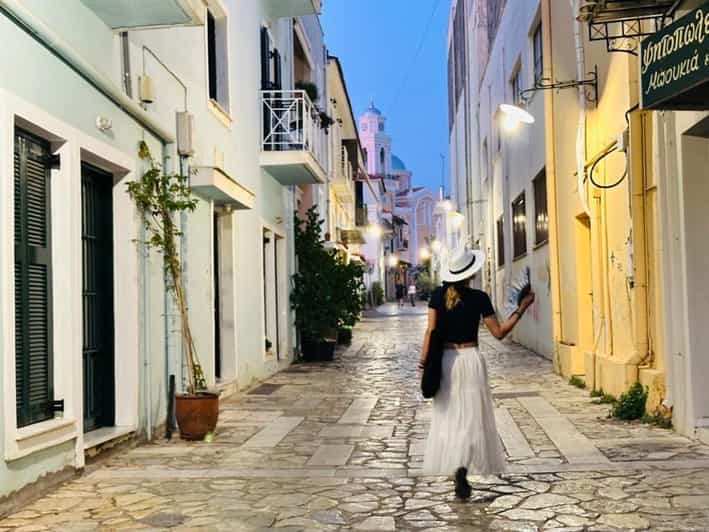
The guide is the strongest part of this tour. Tina is described as high-energy, warm, funny, and deeply familiar with Greek and Kalamata history. She is also preparing an advanced university degree in history, which helps explain the confidence behind the storytelling.
Her style seems to suit this subject. Historical gossip needs timing, personality, and a willingness to tell a strange story with a straight face. The guide also needs enough control to explain which parts come from official documents, articles, and diaries.
You may not remember every name or date. That is a fair trade for stories that give you a lasting sense of the city. One useful way to enjoy the tour is to focus on the links between the stories and the places around you, rather than trying to memorize the entire cast.
English is available, as is Greek. The praise for the guide’s English is important if you are booking in English and want to follow details about complex political or family connections.
Walking comfort, weather, and access
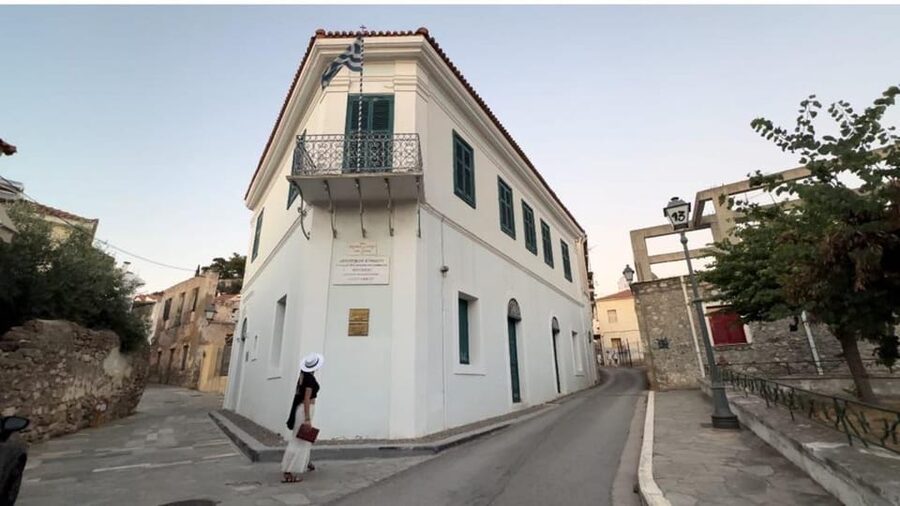
Bring practical gear. Comfortable walking shoes matter, along with water, sunscreen, and a sun hat. Photography is allowed, so a camera or phone is useful, especially if you want to record the buildings and streets connected with the stories.
The tour is outdoors, and Kalamata’s sun can make a short walk feel longer. Plan your clothing and hydration accordingly. You should not expect a fully accessible route, since the experience is not suitable for wheelchair users or people with mobility impairments.
The walking demand appears manageable for many people, but the tour is not entirely effortless. A participant with a sore foot was able to join, walk a limited distance, and later sit for coffee, but that should not be treated as a guarantee for everyone. If you have mobility concerns, contact the provider before booking.
There is no hotel pickup or drop-off. You make your own way to the statues in the square, and you pay separately for any coffee, meals, drinks, museum visits, or other admission fees.
Is $41 a fair price?
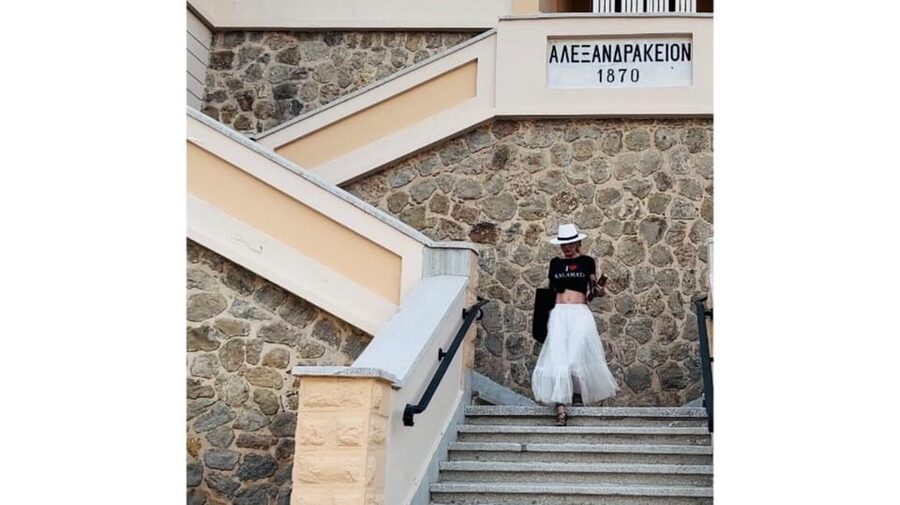
At $41 per person, this is fair value if you want a guide who adds interpretation and personality to Kalamata’s historic center. A simple orientation walk may cost less, but it is unlikely to cover such a wide range of subjects, from Catherine the Great and royal curses to Allied spies and classified murder cases.
The price makes the most sense for visitors who enjoy stories more than checklists. You get two hours with a live English or Greek guide, a focused route through the old center, and access to famous buildings and sites as part of the walk.
It is less suitable if you are mainly looking for museum interiors or a detailed architectural tour. Entrance fees are not included, and the tour does not replace a visit to Kalamata’s museums. Instead, it gives you a narrative framework that can make later sightseeing more meaningful.
Free cancellation up to 24 hours before the tour and reserve-now, pay-later booking make it easier to fit into a changing schedule. Those policies are useful, but the real value still depends on your interest in local stories and the guide’s style.
Who should book this Kalamata walk?
I would choose this tour if you enjoy Greek history with a twist, especially stories about power, romance, betrayal, religion, espionage, and murder. It is also a good first activity in Kalamata because it can give you a stronger sense of the old center before you explore on your own.
History students, fans of political intrigue, and curious first-time visitors should find plenty to hold their attention. The tour also suits people who normally lose interest during a conventional date-by-date explanation.
You may want to skip it if you dislike dramatic storytelling, need a fully accessible route, or want a quiet architectural walk. You should also avoid booking it without preparation if you are sensitive to heat or uncomfortable walking on historic streets.
Should you book the Historical Gossip Tour?
Yes, if you want Kalamata presented through memorable human stories rather than a standard sightseeing script. The combination of local liberation, royal scandal, religious tradition, murder cases, myths, and wartime espionage gives the two hours a clear personality.
I would book it early in a Kalamata visit, then return to the places that caught your attention. Just wear proper shoes, bring water and sun protection, and remember that the $41 price covers the guided walk, not meals, drinks, museums, or transport.
For an energetic guide and an unusual view of the city, this is a strong choice. Its one real limitation is also part of its identity: the tour favors dramatic storytelling over a complete scholarly record. If that sounds like fun, Kalamata’s old center has plenty of secrets to share.
FAQ
How long is the Kalamata Historical Gossip Tour?
The walking tour lasts two hours.
Where does the tour meet?
The meeting point is at the statues in the middle of the square.
What languages are available?
The tour is available in Greek and English.
What does the $41 price include?
The price includes a guided walking tour of Kalamata’s historic center, stories about historical figures and events, and access to famous buildings and sites as part of the experience.
Are meals, drinks, transport, and entrance fees included?
No. Meals and drinks, hotel pickup and drop-off, and entrance fees to museums or attractions are not included.
Is the tour suitable for wheelchair users?
No. The tour is not suitable for wheelchair users or people with mobility impairments. Comfortable walking shoes, water, a hat, and sunscreen are recommended.
Just added around Greece
- Heraklion: Zeus Cave & Knossos History, Villages & Olive Oil★ 4.9 · 89 reviews
- Herakleidon Museum of Ancient Greek Technology: Entry Ticket★ 3.5 · 19 reviews
- From Heraklion: Historical Center City Tour & Knossos Palace★ 4.4 · 340 reviews
- Naxos Island: Full–Day Historical Bus Tour★ 4.5 · 236 reviews
- Ancient Olympia full day private tour from Athens★ 4.9 · 54 reviews
- From Athens: Half-Day Ancient Corinth Tour★ 4.4 · 59 reviews
- From Athens: Explore Ancient Greece 4-Day Tour★ 4.7 · 73 reviews
- From Athens: Ancient Olympia Full-Day Private Tour★ 4.8 · 22 reviews
Greece History Tours, compared.
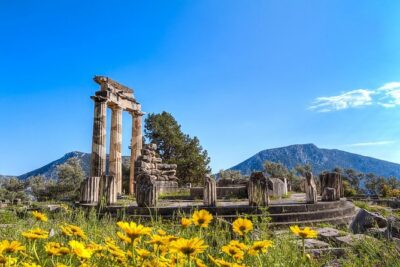
Historical Delphi One Day Tour with Arachova Stop & Expert Guide
Read our review →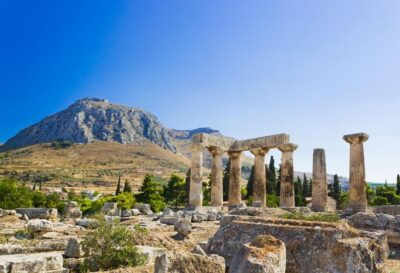
Ancient Corinth Day Trip with Canal & VR Guide
Read our review →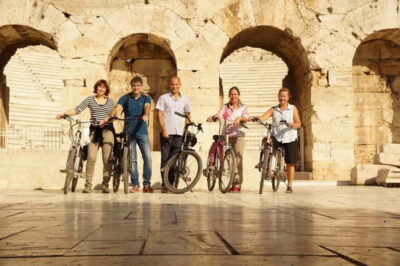
Historic Athens: Small Group Electric Bike Tour
Read our review →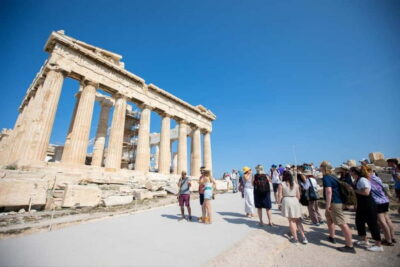
Acropolis, Parthenon & Athens Old City Heritage Walking Tour
Read our review →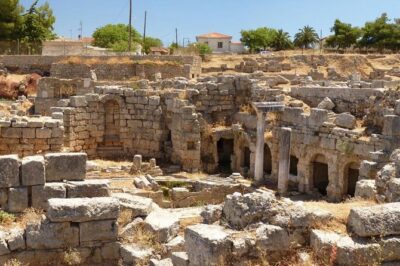
Private Biblical Tour Ancient Corinth & Isthmus Canal from Athens
Read our review →
Ancient Olympia: Archaeological Site and Museum Entry Ticket
Read our review →
Browse the lists this tour appears in