
Review · LOUISIANA
New Orleans: 9th Ward Hurricane Katrina History Tour
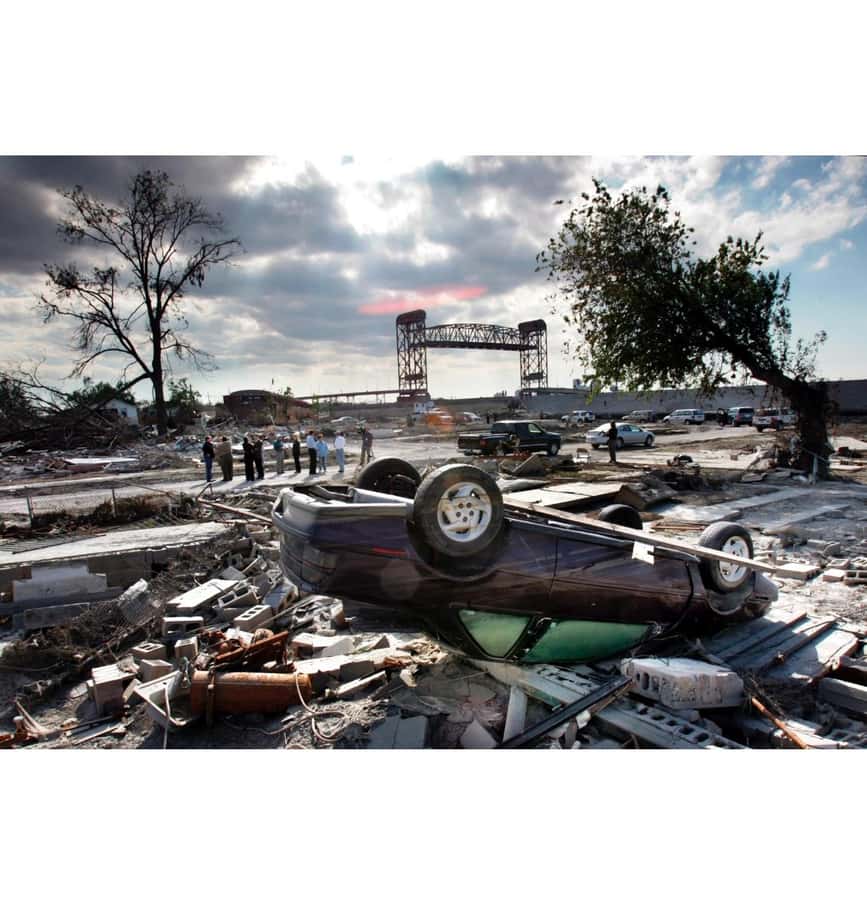
Katrina’s story is still written on New Orleans streets. This one-hour van tour takes you through the Ninth Ward and other damaged districts with Hollis, a local guide born and raised in the area. I like the small group of up to seven, which allows for questions and occasional stops, and I like the personal view of recovery, from levee breaches to Musicians’ Village. The main drawback is the short running time: you see a lot, but some stops may be brief.
I also like that this is not only a disaster tour. You hear about the people, neighborhoods, music, and rebuilding work that existed before Katrina and continue today. The route can change because of weather, construction, or local events, and you must call the day before to confirm exactly where to meet.
Key points at a glance
- Hollis brings lived experience: His local roots give the tour a personal connection to the Ninth Ward and Katrina’s aftermath.
- The levee breaches become real places: You see locations along the Mississippi River and Lake Pontchartrain where flood protection failed.
- The Old St. Claude Hospital memorial adds a quiet pause: The Hurricane Katrina Memorial gives the tour a place for reflection.
- Rebuilding projects show a mixed picture: Make It Right homes and Musicians’ Village reveal both hope and the limits of recovery.
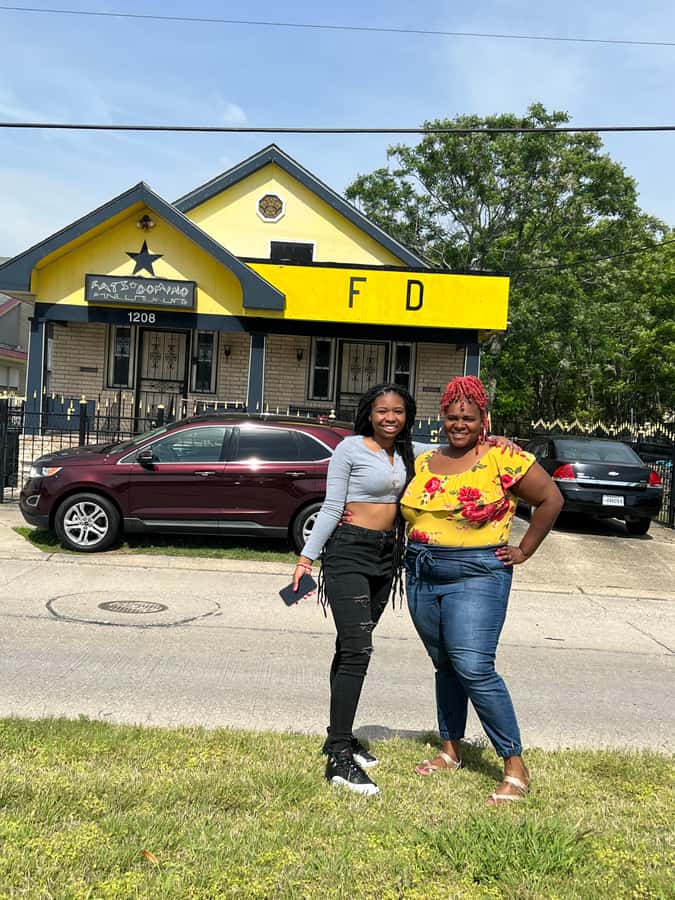
- Fats Domino’s home connects disaster to culture: The stop links the Ninth Ward’s story with New Orleans music.
- At $25, the small group offers strong value: You get a focused local tour at a low price, though the hour passes quickly.
Why this one-hour tour matters
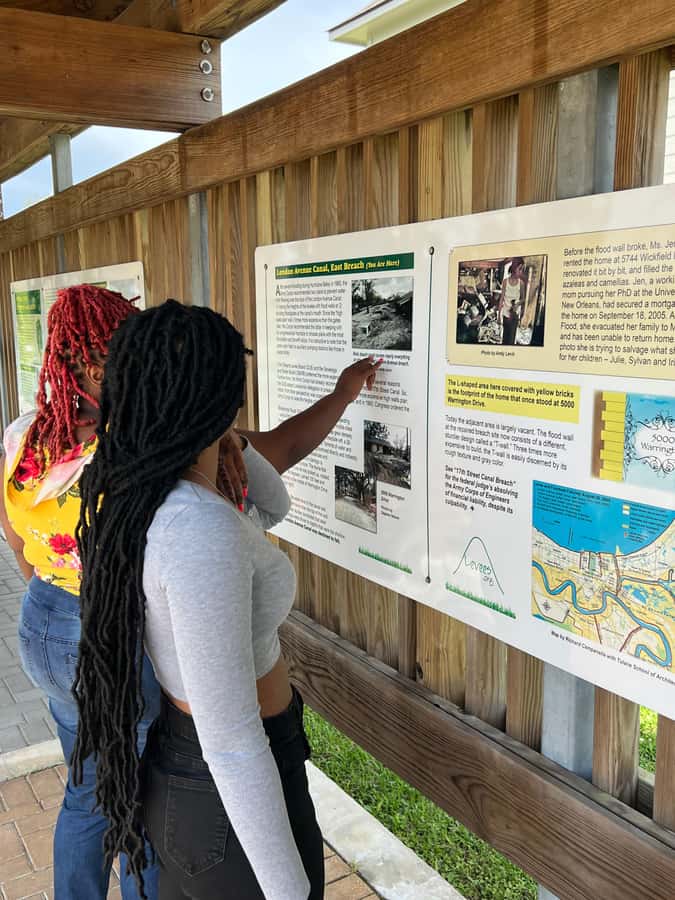
New Orleans is easy to enjoy without thinking much about what happened beyond the French Quarter. Music, food, and colorful streets take center stage. This tour asks you to look at another part of the city, where Hurricane Katrina remains part of daily life and local identity.
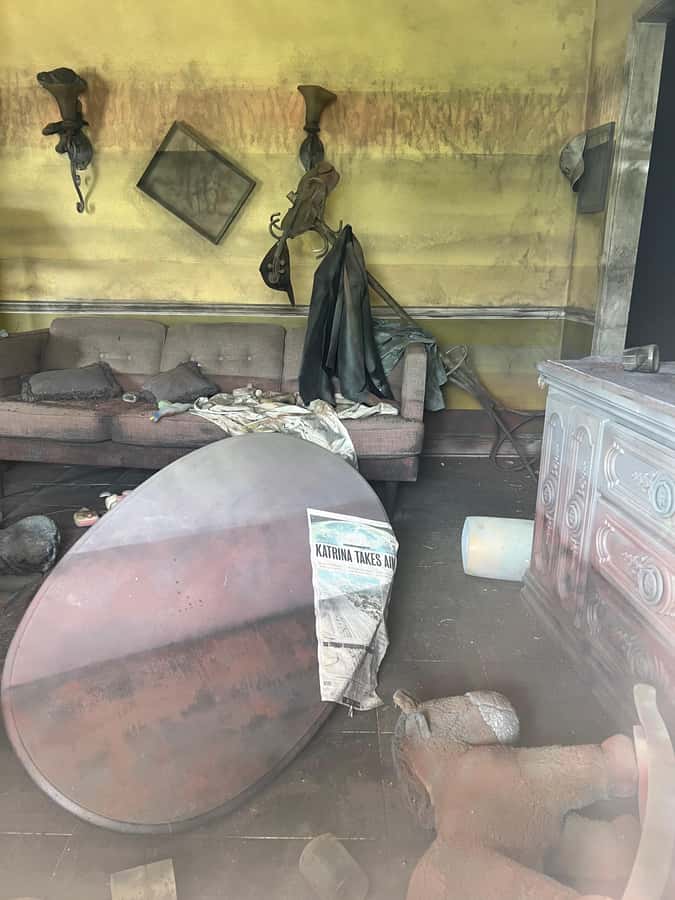
I find the format useful because it connects large events to actual places. You do not only hear that levees failed. You see where the breaches occurred. You do not only hear that homes disappeared. You pass empty lots and properties where foundations remained after buildings were gone.
The tour is led in English by Hollis of Treme Luxury Experience Tours & Transportation. His personal connection to New Orleans is central to the experience. He rode out the storm, and his explanations include both the public story and the effect on families and neighborhoods. That combination gives the tour more weight than a standard sightseeing drive.
At the same time, you should arrive with the right expectations. This is a one-hour visit, not a full museum program or an all-day study of Katrina. You will see key locations and hear context, but the exact length of each stop depends on the route and local conditions.
A few more history tours around New Orleans worth a look
- New Orleans Garden District History Walking Tour
★ 5.0 · 2,879 reviews - French Quarter Historical Sights and Stories Walking Tour
★ 5.0 · 2,724 reviews - New Orleans Small-Group Haunted History Carriage Tour
★ 4.5 · 2,289 reviews
Riding into the Ninth Ward with Hollis
The ride begins at a meeting point that you must confirm by phone the day before. This small step matters. One person who joined the tour found the address easy to locate but was unsure whether to wait at the front or back entrance of the building. Calling ahead should save you from walking around and wondering if you missed the van.
The vehicle carries no more than seven participants. That number changes the feel of the outing. You are not lost in a large bus group, and questions can shape the conversation. Several people who took the tour found that the small size made it possible to stop, walk around in selected areas, take photographs, and ask detailed questions.
Hollis appears to be the main reason this experience earns such strong praise. His style is personal without being limited to personal memories. He explains what the Ninth Ward was like before Katrina, what the storm changed, and how recovery has unfolded. You get more than a string of dates and damage estimates.
The tone can also shift naturally. One moment may focus on the mechanics of flooding, and the next may turn to neighborhood culture or the life of a local musician. That range helps keep the tour from becoming a grim checklist of destroyed buildings.
Seeing where the levees failed
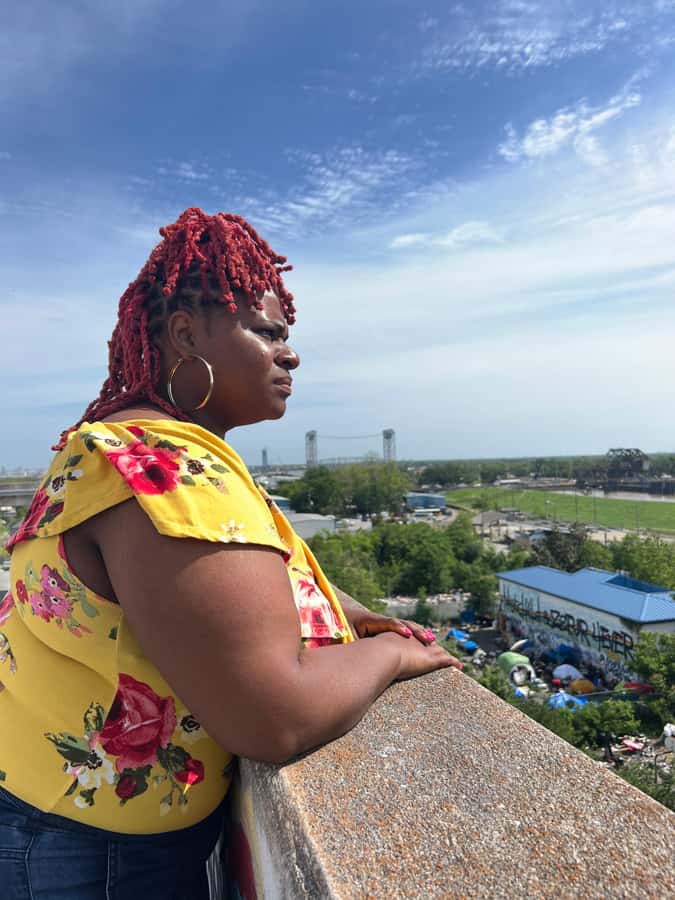
One of the most useful parts of the route is the chance to view the sites of major levee breaches. You see areas along the Mississippi River and Lake Pontchartrain connected to the flooding, rather than treating Katrina as an abstract event.
Hollis explains how high the water reached near homes and shows places where the physical evidence remains. That can include empty parcels, former home sites, and foundations without the structures that once stood on them. The details are powerful because they help you understand the scale of the loss at street level.
You may also have a chance to touch or stand near a levee during a stop, depending on the route that day. This is where the small vehicle helps. The guide can respond to the group’s questions and allow a little time for photographs instead of immediately moving on.
Still, do not expect every stop to be guaranteed. Construction, weather, traffic, and local events can change the route. The provider may substitute another location to keep the tour running safely and usefully.
The Hurricane Katrina Memorial at Old St. Claude Hospital
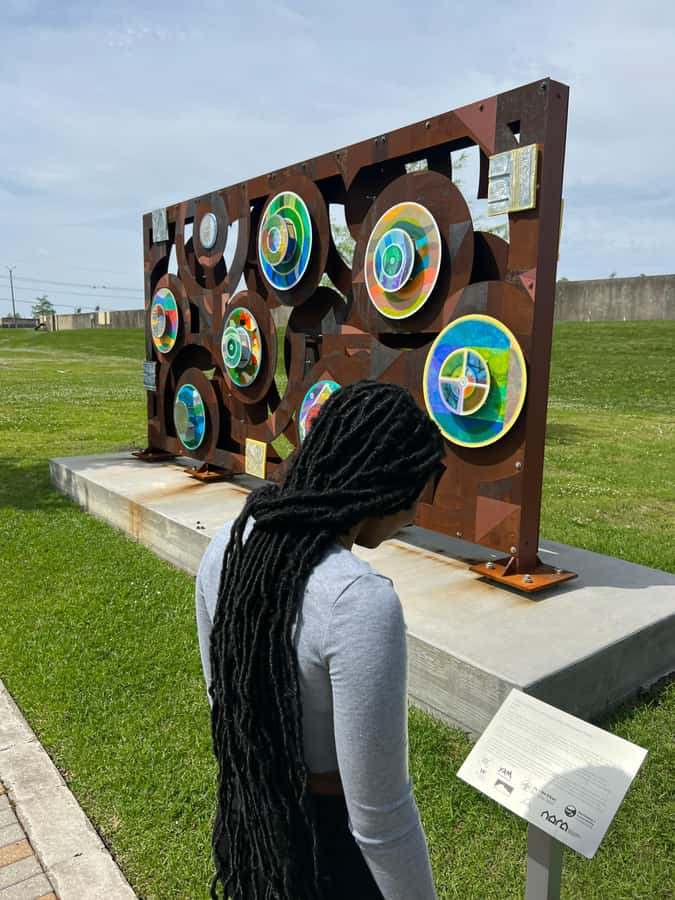
The Hurricane Katrina Memorial, located at the Old St. Claude Hospital in the Ninth Ward, gives the tour a more solemn moment. It is not simply another photo stop. You have a chance to pause and think about the people affected by the storm and the long period that followed.
The location also helps connect the disaster to a specific neighborhood institution. A hospital is part of a community’s basic support system, so seeing a memorial there brings the human cost into sharper focus.
This part may be especially important if you have spent the rest of your New Orleans visit in entertainment districts. The memorial reminds you that the city’s story includes loss, displacement, public failures, and a long recovery. The visit is brief, but its purpose is clear.
Same place, a different slice of the past:
- New Orleans Haunted History Ghost Tour
★ 4.5 · 2,084 reviews - Paddlewheeler Creole Queen Historic Mississippi River Cruise
★ 4.5 · 1,948 reviews - New Orleans Food and History Walking Tour
★ 5.0 · 1,544 reviews - New Orleans: Creole Queen History Cruise with Optional Lunch
★ 4.3 · 1,112 reviews
Make It Right homes and Musicians’ Village
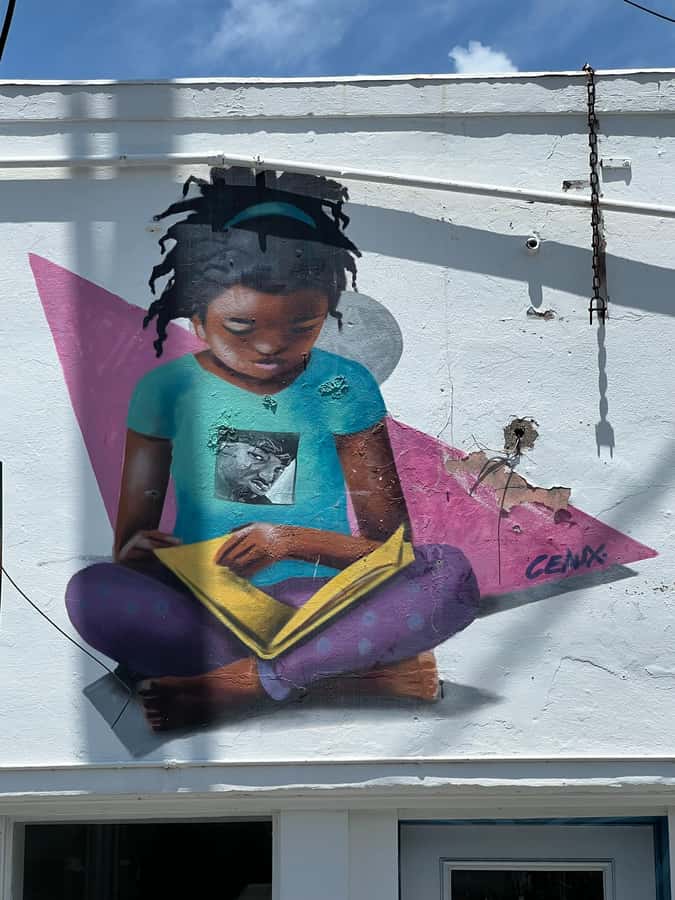
The tour also points to rebuilding projects, including the Make It Right homes and Musicians’ Village. These sites show efforts to replace housing and support the communities affected by Katrina.
Make It Right became associated with new homes in the Lower Ninth Ward. Musicians’ Village links recovery to the city’s musical culture and to the idea that rebuilding should support people who help define New Orleans.
You should see these projects as part of an ongoing story, not a neat ending. New homes and community projects can signal progress, but they do not erase the damage or restore every family and neighborhood to what existed before the storm.
That balance is one of the tour’s strengths. Hollis discusses revitalization while also explaining the gaps and frustrations that remain. The experience does not present recovery as a simple success story. It gives you room to consider how much has changed and how much is still unresolved.
A stop connected to Fats Domino
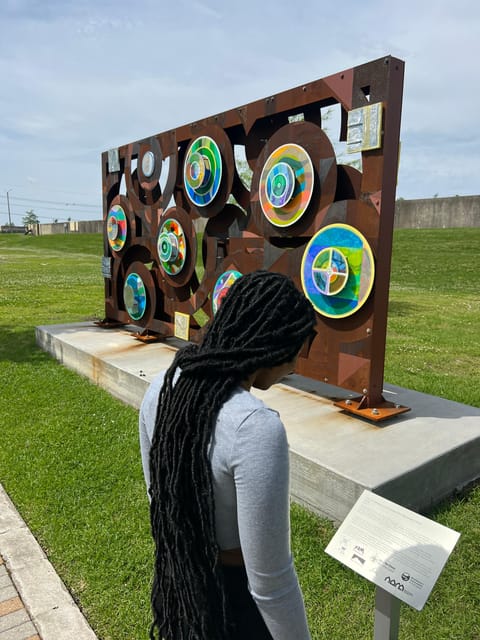
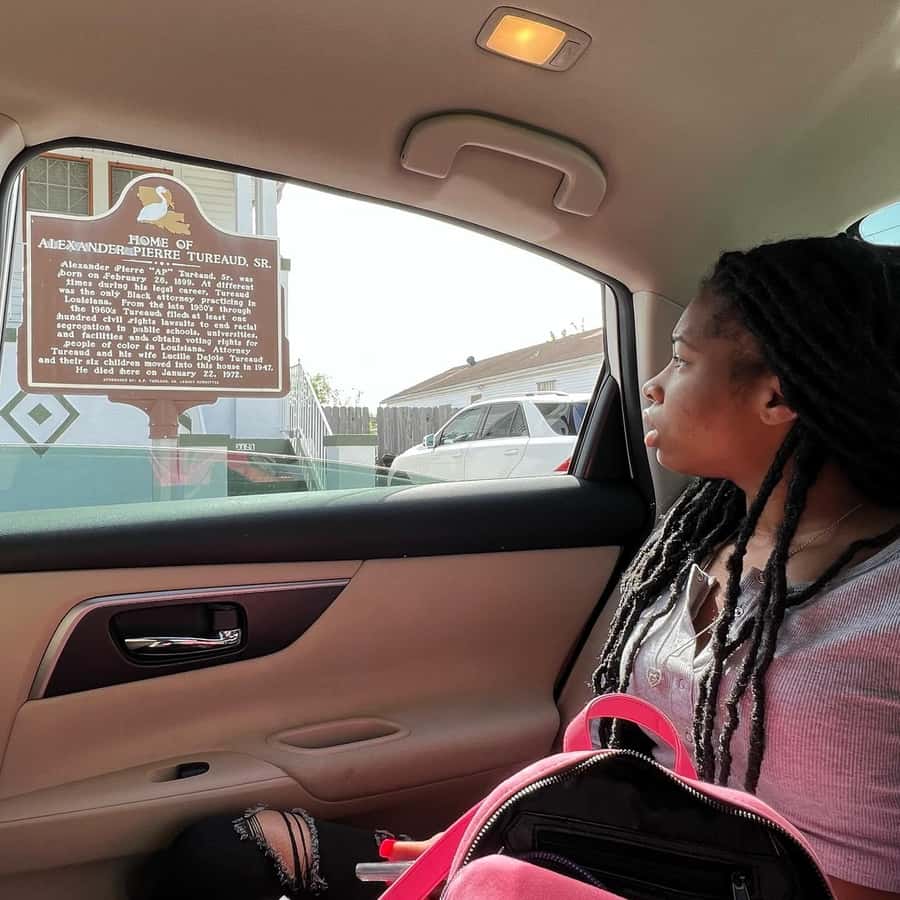
The visit to Fats Domino’s home adds a cultural thread to the route. Domino was one of New Orleans’ best-known musicians, and his connection to the city makes this more than a celebrity address.
The stop links the Ninth Ward to the music that gives New Orleans much of its identity. It also helps you see the neighborhood as a place where real people lived, worked, raised families, and created art, not merely as a symbol of disaster.
This is a short stop rather than a music museum visit, so do not expect a full presentation about Domino’s career. Its value comes from the way it fits into the broader story of the neighborhood and its cultural importance.
What the personal storytelling adds
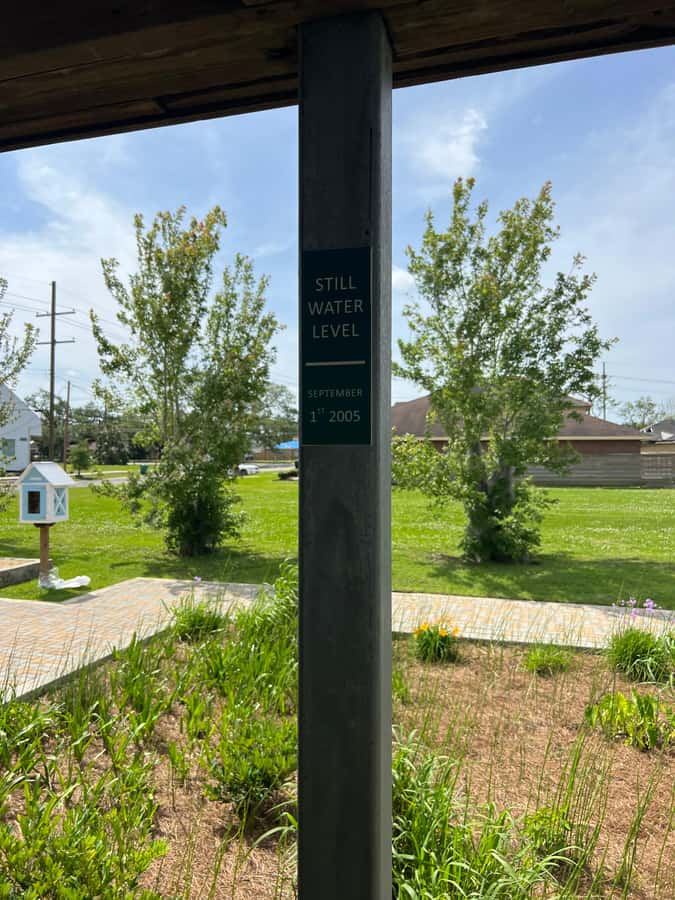
The strongest part of the experience is the way Hollis connects history with lived experience. He can explain what the area was like before Katrina and how the storm altered it. That before-and-after view is vital.
Without that context, empty lots may look like ordinary vacant land. With it, you understand that a missing house may represent a family, a block, and a community network that never fully returned.
The guide also encourages questions. Past participants have described conversations about culture, government response, rebuilding, and the people who stayed or came back. You should feel free to ask for clarification, especially if you want to understand the difference between the Upper and Lower Ninth Wards.
Hollis can also offer ideas for the rest of your New Orleans visit. His suggestions have included B Sweet on Rampart Street for king cake and the Mardi Gras Museum, where you can see his costume from his time as King of the Mardi Gras. Those extras are not the main tour, but they show how the experience can open a window into the guide’s wider connection to the city.
Is $25 a good value?
At $25 per person, this tour is inexpensive for a small-group activity. You get local transportation, a live English-speaking guide, and access to districts that are difficult to understand from a standard downtown itinerary.
The value is strongest if you want context and conversation. A large bus tour may cover more miles, but a group limited to seven gives you a better chance to ask questions and spend a little time at selected sites.
The short duration keeps the price accessible, but it also limits the depth. One hour is enough for an introduction to the Ninth Ward, the levee failures, memorial, rebuilding projects, and Fats Domino’s home. It is not enough for extended walking, long visits at each site, or a full treatment of Katrina’s political and social consequences.
I would treat it as a focused addition to a New Orleans trip. It works well on a day when you want to understand the city beyond its famous visitor areas, especially if you prefer a local voice over a large commercial operation.
You can reserve now and pay later, and cancellation is free up to 24 hours before the tour. Those policies are useful if your schedule is still moving, but the practical issue remains the meeting point. Confirm it by phone the day before.
Who should take this tour?
I recommend it to anyone who wants to understand New Orleans as a living city, not only a place for food, music, and nightlife. It suits visitors interested in community history, disaster recovery, architecture, local culture, and the human effects of public decisions.
It is also a good choice if you prefer a guide who can answer questions rather than simply recite prepared facts. Hollis’s connection to the area is a major part of the experience.
Families with older children may find the tour useful, although the subject is serious. Anyone looking only for cheerful sightseeing should choose another activity, or at least place this tour alongside lighter plans.
You should also be comfortable with a flexible route. The listed sights are central to the experience, but weather, construction, and local events may require substitutions. A changed stop does not necessarily weaken the tour, but it means you should not treat every location as fixed.
Should you book the Ninth Ward Hurricane Katrina tour?
Book it if you want a personal, affordable look at Katrina’s lasting effect on New Orleans. The small van, local guide, and specific stops make the hour feel focused and useful. Hollis is especially well suited to people who want to ask questions and hear how the city changed before and after the storm.
Skip it if you want a long museum-style program, a guaranteed route, or a relaxed sightseeing ride with little serious discussion. The pace is quick, and the subject can be difficult.
For most visitors, I would make room for it early or midway through a New Orleans stay. Afterward, the music, neighborhoods, and rebuilding efforts you see elsewhere in the city will have more context. At $25, that is a worthwhile exchange for one hour.
FAQ
How long is the Ninth Ward Hurricane Katrina tour?
The tour lasts one hour. Starting times are available when you check the schedule.
How much does the tour cost?
The price is $25 per person.
How many people can join the tour?
The tour is limited to seven participants, making it a small-group experience.
Who leads the tour?
The tour is led in English by Hollis, a local guide born and raised in New Orleans neighborhoods affected by Katrina.
What locations are included?
The route may include the Ninth Ward, the Hurricane Katrina Memorial at Old St. Claude Hospital, levee breach locations along the Mississippi River and Lake Pontchartrain, Make It Right homes, Musicians’ Village, and Fats Domino’s home.
Can the route change?
Yes. Weather, construction, and local events can change the route. Some historical locations may be replaced with alternatives.
Where does the tour begin and end?
You must call the provider the day before to confirm the meeting location. The tour ends back at the meeting point.
Just added around New Orleans
- Haunted Drunken History Tour from New Orleans★ 5.0 · 135 reviews
- New Orleans Historic Cemetery Walking Tour★ 5.0 · 175 reviews
- New Orleans Jazz History and Music Walking Tour★ 4.5 · 477 reviews
- New Orleans Cocktail History Walking Tour in the French Quarter★ 5.0 · 604 reviews
- New Orleans Cocktail and Food History Tour★ 5.0 · 819 reviews
- New Orleans: Creole Queen History Cruise with Optional Lunch★ 4.3 · 1,112 reviews
- New Orleans Small-Group Haunted History Carriage Tour★ 4.5 · 2,289 reviews
- New Orleans Food and History Walking Tour★ 5.0 · 1,544 reviews
New Orleans History Tours, compared.
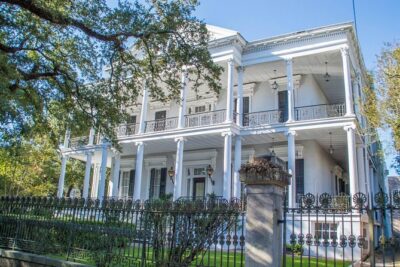
New Orleans Garden District History Walking Tour
Read our review →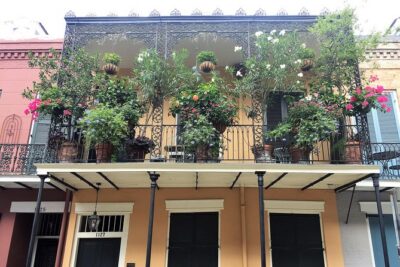
French Quarter Historical Sights and Stories Walking Tour
Read our review →
New Orleans Small-Group Haunted History Carriage Tour
Read our review →
Paddlewheeler Creole Queen Historic Mississippi River Cruise
Read our review →
Creole Queen History Cruise with Optional Lunch
Read our review →
Browse the lists this tour appears in