

Review · KERALA
Heritage & Cultural Walk of Trivandrum Guided Walking Tour
Trivandrum reveals itself on foot. This two-hour walk links major sights with overlooked corners of Kerala’s capital, from Kanakakunnu Palace and Napier Museum to Connemara Market and the Kerala Government Secretariat. I like the way the route mixes grand public buildings with old houses, lamps, churches, and everyday street life. I also like the guide’s storytelling style, which includes local history, amusing tales, royal gossip, and practical advice for the rest of your stay.
The main thing to consider is the pace. You cover many places in two hours, but several stops are guided walk-bys rather than long visits inside each site. One booking also had a delayed start caused by confusion over the meeting time and guide availability, so it is wise to confirm the start time before setting out.
Key points at a glance
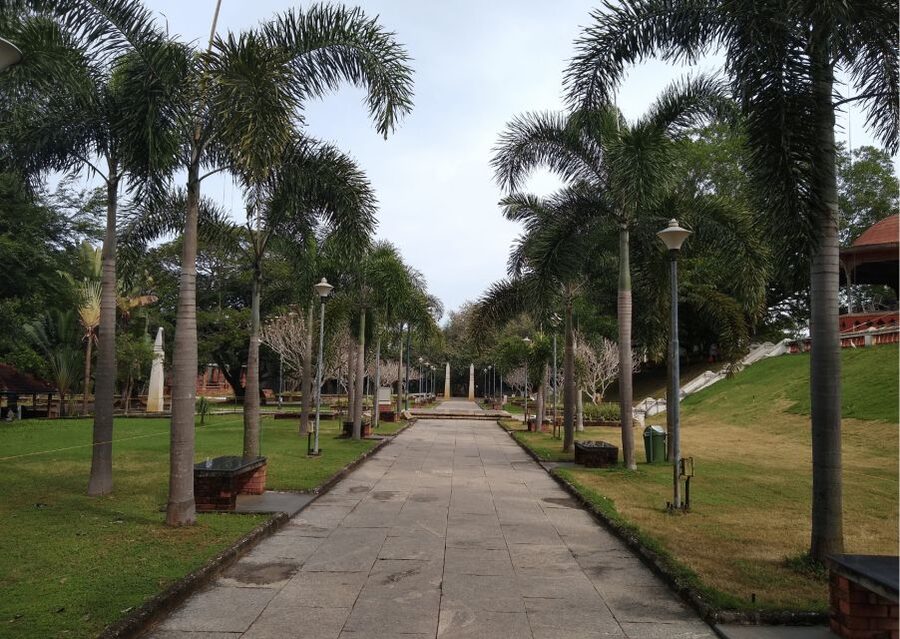
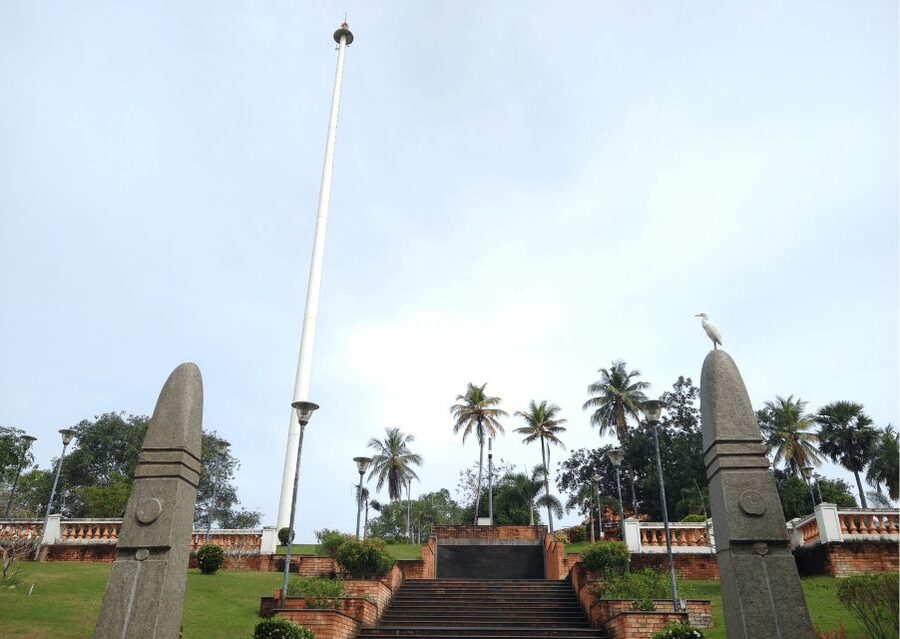
- Kanakakunnu Flag Post begins the story: The walk starts beside the flag post at Kanakakunnu Palace, where you see the national flag flying high above one of Trivandrum’s best-known public spaces.
- Napier Museum adds art and natural history: You get an introduction to one of the city’s major museums, though the short schedule does not allow time for a full museum visit.
- Old Trivandrum comes through in small details: Rama Rao Lamp, historic houses, the state library, and the old university help you notice the city beyond its headline sights.
- Connemara Market brings daily life into focus: Its arched entrance and broad range of goods offer a useful contrast to the city’s formal museums and government buildings.
- Local guides shape the experience: Siddharth, also referred to as Sidd, receives especially warm praise for his knowledge, energy, and help with planning trips to Kanyakumari and Varkala.
- The price is easy to justify: At $14 per person, the walk offers a low-cost introduction to Trivandrum, especially for a first day in the city.
Starting beside Kanakakunnu Palace

Your meeting point is the Kanakakunnu Flag Post, on the side of Kanakakunnu Palace. This is a practical place to begin because the palace grounds provide an immediate sense of Trivandrum’s public and cultural life.
The first part lasts about 20 minutes. You hear about the flag post, the palace area, and the importance of this part of the city. The tour description calls the flag the tallest national flag in India, so this opening stop has a strong visual hook even before the walking gets underway.
I like this beginning because it gives you a clear landmark and avoids wasting the first part of the tour on a long transfer. You meet the guide at a recognizable spot, then move straight into the city’s story.
You should not expect a long palace tour from the information provided. The focus is on a guided look and explanation as you walk, not a detailed visit through every room. If your main interest is palace interiors, you will need separate time for that.
More History Walking Tours in India
- Fontainhas Heritage Walk by Make It Happen
★ 5.0 · 2,834 reviews - The Great Indian Food Tour: Old Delhi Food and Heritage Walk
★ 5.0 · 1,698 reviews - Old Goa Heritage Walk by Make It Happen
★ 5.0 · 797 reviews
Napier Museum in a 20-minute visit
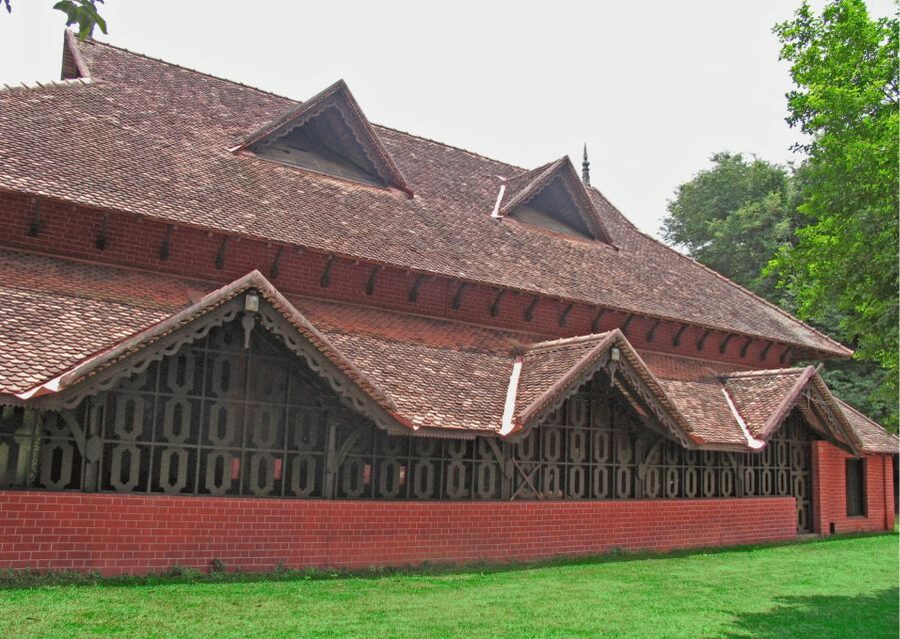
Napier Museum is the next major stop, with about 20 minutes allocated to a guided visit and walk-by. The museum is known for art and natural history, as well as historical objects, so it gives your guide plenty of material to explain.
This is one of the most useful stops for a first-time visitor because it places Kerala’s culture within a wider setting. You get an introduction to the kinds of objects and traditions represented in the city’s museums without having to plan your entire day around one institution.
The time limit matters. Twenty minutes is enough for orientation and a few explanations, but not enough for a careful museum visit. I would treat this part as a preview. If your guide points out something that catches your interest, return later with more time.
The short stop also explains the tour’s basic appeal. You see many parts of central Trivandrum in one outing, but you trade depth at individual sites for range across the city.
Keralam and the story of Kerala
The walk continues to Keralam, Museum of History and Heritage, for another 20-minute guided stop. This is a natural companion to Napier Museum because it focuses more directly on Kerala’s past and cultural development.
The guide’s role is important here. The experience promises historical explanation mixed with curious anecdotes and stories about past and present public figures and former royal families. That style should help connect displays and buildings with the people and events behind them.
I would not plan on a long, quiet museum session here. The route is designed to keep moving, and the guide may spend only part of the time inside or near the entrance before leading you onward. Still, the stop gives useful context that you might miss if you simply passed the museum on your own.
For visitors who like facts delivered through stories rather than a formal lecture, this part should be enjoyable. The English and Hindi language options also make the walk accessible to a broad range of visitors.
Rama Rao Lamp and the older city
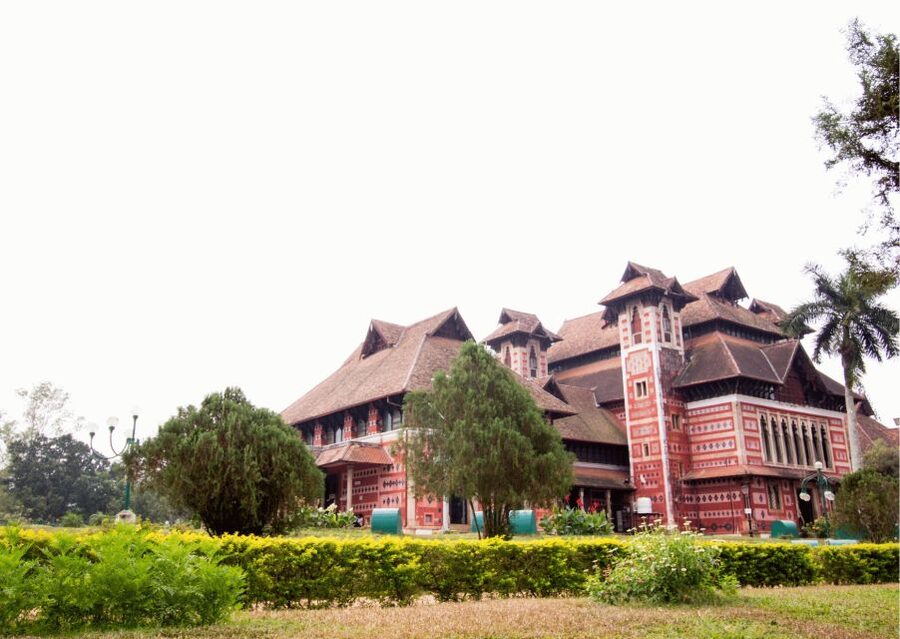
Rama Rao Lamp receives about 15 minutes. A lamp may sound like a small attraction, but that is exactly why this stop works. Walking tours often become more memorable when they explain modest civic details that you would otherwise pass without a glance.
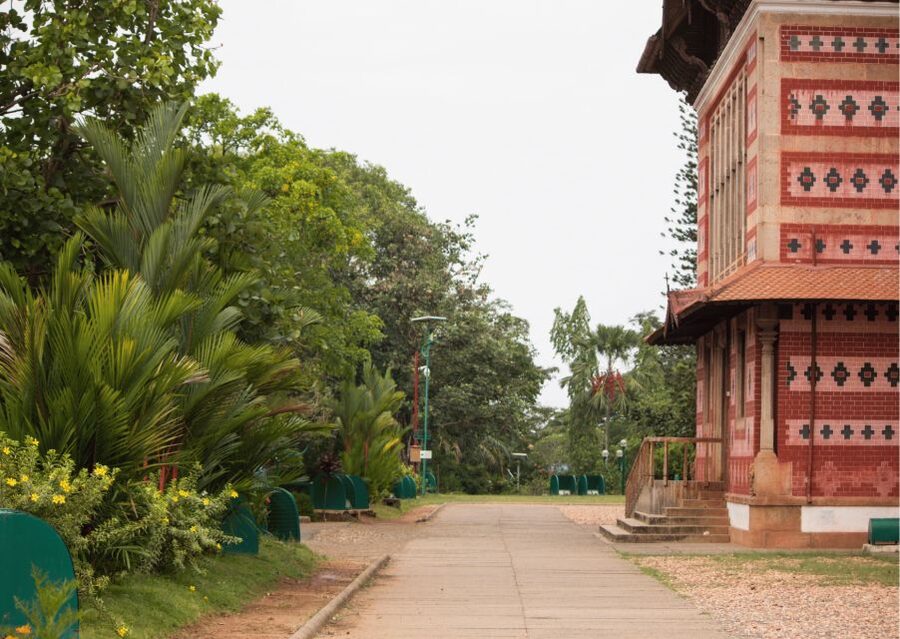
From here, the route brings attention to old Kerala houses, the state library, and the old university. These are not just decorative photo stops. They help you see how Trivandrum grew as an administrative, educational, and cultural center.
The supplied route does not promise entry into every building, so you should expect to view many of these places from the street. That is not a weakness if you enjoy architecture and city history. It is a limitation if you want long indoor visits.
I especially like this middle section because it changes the rhythm of the tour. After the larger museums, you begin noticing scale, street layout, lamps, building fronts, and older homes. You get a sense of the city as a lived-in place rather than a collection of official attractions.
More Local Culture and Traditions Tours in India
- Old Delhi Food, Heritage&Cultural Walk with Rickshaw ride to Masterji Kee Haveli
★ 5.0 · 742 reviews - The Cultural And Historical Walking Tour in Margao
★ 5.0 · 280 reviews - Experience Bangalore – City Tour, Authentic Food & market (Food/Culture/History)
★ 5.0 · 156 reviews - Old Delhi Walking Tour: Food, Culture & Spice Bazaars
★ 5.0 · 94 reviews
Remembering soldiers and visiting St. Joseph’s Cathedral
The walk then reaches the memorial to the men of the Indian Army, with around 15 minutes for a guided stop. A memorial changes the mood. It offers a chance to consider public memory and the way national service is marked in the city.
Next comes St. Joseph’s Latin Catholic Metropolitan Cathedral in Palayam. The cathedral adds a religious and architectural layer to the route. It also shows the range of communities and institutions represented in central Trivandrum.
Again, the schedule indicates a guided visit and walk-by, not a guaranteed extended interior tour. If a church service or another activity is underway, you should follow your guide’s instructions and treat the site respectfully.
This section is valuable because it keeps the walk from becoming a simple museum circuit. You move between memorials, religious buildings, civic institutions, and markets. That variety is the core strength of the route.
Connemara Market and the city’s everyday rhythm
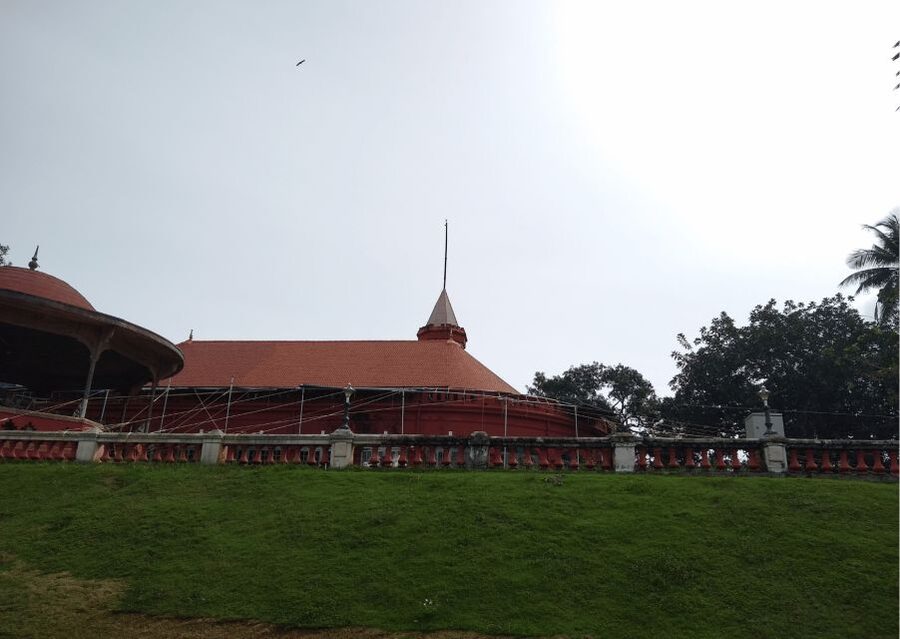
The final major stop is Connemara Market in Palayam, with about 15 minutes set aside. The market is known for its arched entrance and wide variety of goods. It is a useful counterpoint to the formal spaces earlier in the walk.
Here, the city feels more immediate. You see a working market environment rather than a preserved exhibit. The short stop lets you look around, absorb the setting, and ask your guide about local shopping or useful places to visit later.
Do not expect a dedicated shopping trip. Fifteen minutes is enough to see the entrance, get a sense of the market, and receive suggestions, but not enough for a slow browse through every section.
The market is also one of the places where the guide’s practical advice can pay off. The tour includes local tips intended to help you save money and find good places in the city. You can ask where to return, what to look for, and how to fit the market into your own plans.
Finishing near the Kerala Government Secretariat
The walk finishes at the Kerala Government Secretariat. This is a fitting end because the route begins with a palace and public flag, then closes near the center of state administration.
Finishing here also gives you a useful position for continuing your day. The tour does not include hotel pickup or drop-off, so you need to make your own way back or continue exploring from the endpoint.
The route is best understood as a city introduction, not a series of full attraction visits. You leave with a mental map of central Trivandrum and a list of places that deserve more time.
What the guides add to the walk
The guide can speak English or Hindi. The tour promises stories, conversation, local recommendations, and access to lanes and places you might miss while walking alone.
Siddharth, also called Sidd, receives particularly strong praise for his command of Indian, Kerala, and Trivandrum history. He is also described as friendly and helpful with onward planning, including suggestions for Kanyakumari, Varkala Beach, and a Kerala massage before a flight home.
That kind of help can be worth more than a standard sightseeing script. If you take the tour early in your stay, ask your guide about the rest of your route. You may get useful ideas for filling your remaining days.
Hareesh Das is another guide connected with the experience. He is described as pleasant and well informed, with plenty of interesting information to share. Daniel also singled out his guide’s friendly manner, while another booking praised the guide’s ability to locate temples the visitor would not have found alone.
The guide quality appears to be one of the strongest reasons to book. At the same time, guide experiences can vary, and the scheduling problem reported for one booking shows why you should confirm the meeting details in advance.
The pace, timing, and practical trade-off
Two hours is short for this route. The listed stops add up to more than two hours if treated as full visits, which tells you that the walk depends on movement, brief explanations, and pass-by viewing.
One person found the walk rushed and felt there was not enough time at each sight. That is a fair criticism. If you want detailed museum interpretation, long photo stops, or time to browse the market, this tour will feel compressed.
I see the speed as useful for a first look. You cover Kanakakunnu, Napier Museum, Keralam, Rama Rao Lamp, the army memorial, St. Joseph’s Cathedral, Connemara Market, and the Secretariat without committing an entire day.
Wear comfortable clothes, as requested by the operator. Bring your own water bottle because water is not included. Hotel pickup and drop-off are also not included, so plan your route to and from the meeting and finishing points.
The tour starts beside the Kanakakunnu Flag Post, not at your hotel. Check the exact starting time before you leave. One booking was affected by a mismatch between a 9 a.m. start and a 10 a.m. understanding, followed by difficulty finding the guide.
Is $14 good value?
At $14 per person, this is a reasonably priced introduction to Trivandrum. The value comes less from admissions or long museum visits and more from the guide, the route, and the local explanation.
You are paying for a planned two-hour walk through several parts of the city, English or Hindi guiding, stories, local suggestions, and access to lanes and overlooked corners. There is no hotel transport, water, or promise of extended entry at every stop.
I would consider the price especially fair if you are staying in Trivandrum for a short time or arriving without a clear plan. A guide can help you decide which museums, markets, churches, or nearby destinations deserve a second visit.
If you already know the city well and prefer to explore slowly, you may get better value from visiting one or two sites independently. The tour moves quickly and is built around orientation.
Free cancellation up to 24 hours before the start and the option to reserve now and pay later make the booking less rigid. Those terms are useful when your Kerala plans are still changing.
Who should book this walk?
I would recommend it to first-time visitors who want to understand Trivandrum quickly. It suits you if you enjoy history told through anecdotes, like walking between varied sights, and want a local person to help shape the rest of your visit.
It is also a good fit for curious visitors who might otherwise miss old houses, the Rama Rao Lamp, the state library, the old university, and market details. These smaller stops give the city more character than a simple checklist of major attractions.
You may want to skip it if you dislike brisk walking, need long museum visits, or expect every attraction to include a full indoor tour. The route also requires you to arrange your own transport before and after the walk.
Should you book it?
Book this tour if you want a low-cost, story-led introduction to Trivandrum and can accept a quick pace. The strongest reasons are the varied route, the local tales, and guides such as Siddharth and Hareesh Das, who add useful context and practical help.
I would book it near the start of your stay, confirm the meeting time, bring water, and save any museum or market you especially like for a slower return visit. If that sounds like your kind of sightseeing, $14 buys a useful first look at Kerala’s capital.
FAQ
Where does the Trivandrum walking tour start?
The tour starts beside the Kanakakunnu Flag Post at Kanakakunnu Palace.
Where does the tour finish?
The walk finishes at the Kerala Government Secretariat.
How long does the tour last?
The tour lasts two hours.
How much does the tour cost?
The price is $14 per person.
What languages does the guide speak?
The live guide can conduct the tour in English or Hindi.
Does the tour include hotel pickup and drop-off?
No. Hotel pickup and drop-off are not included.
Is water provided?
No. You should bring your own water bottle.
What should I wear?
Comfortable clothes are recommended for the walking tour.
Can I cancel for a full refund?
Yes. You can cancel up to 24 hours in advance for a full refund.
Can I reserve now and pay later?
Yes. The activity allows you to reserve your place and pay later.
Does the tour enter every museum and building?
The route includes guided visits and walk-bys, but the information does not promise extended entry into every museum or building.
Just added around India
- Fortkochi Heritage Walking tour with a local guide★ 4.4 · 19 reviews
- Fort Kochi Heritage Day Cycling Tour★ 4.2 · 26 reviews
- Candolim: Heritage Walk of Fort Aguada Port and Jail Complex★ 4.9 · 25 reviews
- Agra Fort: Guided UNESCO Heritage Walking Tour★ 4.9 · 21 reviews
- Private Elephanta Caves UNESCO World Heritage Site Tour★ 5.0 · 34 reviews
- World heritage Ahmedabad city tour in private car with guide and lunch★ 5.0 · 44 reviews
- Best South Mumbai Heritage Walk★ 5.0 · 122 reviews
- Heritage Walk: Recommended by Gigi Hadid as a must-do in Mumbai★ 5.0 · 122 reviews
Local Culture & Traditions Tours, compared.

Amsterdam Food and Cultural Tour with Tastings
Read our review →
Sevilla Food Tour: Tapas, Wine, History & Traditions
Read our review →
Tromsø: Reindeer Camp and Sami Cultural Tour with Lunch
Read our review →
Half Day Dominican Republic Cultural Tour : Small Group
Read our review →
Ultimate Melbourne Walking Tour: History, Laneways & Culture
Read our review →
Tromsø: Sámi Reindeer Sledding and Sami Cultural Tour
Read our review →
Kyoto Gion: 2-Hour Geisha Culture & History Walking Tour
Read our review →
Marrakech Historical and Cultural Tour – Half Day City Tour
Read our review →Browse the lists this tour appears in