
Review · LIGURIA
Genoa: 2-Hour Guided Walking Tour of the Historical Center
Genoa rewards curious walkers. This $16 guided tour threads through the Old Town’s narrow caruggi, grand Rolli palaces, San Lorenzo Cathedral, and San Matteo Square, giving you a useful first look at a city that can feel confusing on your own. I especially like the local history and the free museum access afterward. The main drawback is the bilingual format, since explanations in English and Italian can make the two hours feel slower.
You meet at the Tourist Information Center at Via Garibaldi 12red, right among Genoa’s most impressive palaces. The route covers a lot without trying to turn the city into a checklist, and the guide’s practical tips can help you decide where to return later. Just remember that the Strada Nuova and Sant’Agostino museums are visited independently, and both should be visited on the same day.
Key points to know before booking
- The walk begins on Via Garibaldi: You start among the UNESCO-listed Palazzi dei Rolli, not at a remote transport hub.
- The bilingual guide explains everything twice: English and Italian are used throughout, which is helpful for mixed groups but adds waiting time.
- Genoa’s caruggi are the star of the route: The narrow lanes reveal squares, churches, palaces, and small details that are easy to miss alone.
- Museum admission adds real value: You receive access to the Strada Nuova Museums and Sant’Agostino Museum for independent visits after the guided walk.
- The tour gives orientation rather than exhaustive sightseeing: You see major landmarks, then return on your own for a closer look.
- The pace is generally manageable: Guides have been praised for keeping a comfortable speed and including people with different physical abilities.
Why this short walk works so well in Genoa
Genoa is not a city you understand from one broad viewpoint. Its old center is a maze of narrow lanes, sudden squares, dark arcades, and grand buildings squeezed into tight spaces. You can walk past a palace without realizing what it is, then turn a corner and find a medieval church or a large public square.
That is where a guide earns the $16 price. You are not paying only to follow someone through streets. You are paying for the story that connects Genoa’s port, aristocratic families, churches, commerce, and political power.
The two-hour length is also sensible. You get a strong introduction without giving up a full day. I would schedule this early in your stay, then use the included museum access and the guide’s suggestions to plan the rest of your time.
The tour has earned a 4.2 rating from 605 bookings, with especially strong praise for the guides’ historical explanations, friendly manner, and ability to speak clearly in two languages. Past guides have included Irene, Roberta, Daniel, Barbara, Marina, Anna, and Paola. The exact guide varies, but the repeated pattern is clear: personal local knowledge is one of the tour’s strongest features.
More History Walking Tours in Italy
- Venice: City Center Historical Guided Walking Tour
★ 4.2 · 1,873 reviews - Palermo: Street Food and History Walking Tour
★ 4.9 · 1,486 reviews - Verona: History and Hidden Gems Guided Walking Tour
★ 5.0 · 1,379 reviews
Starting at Via Garibaldi and the Rolli palaces
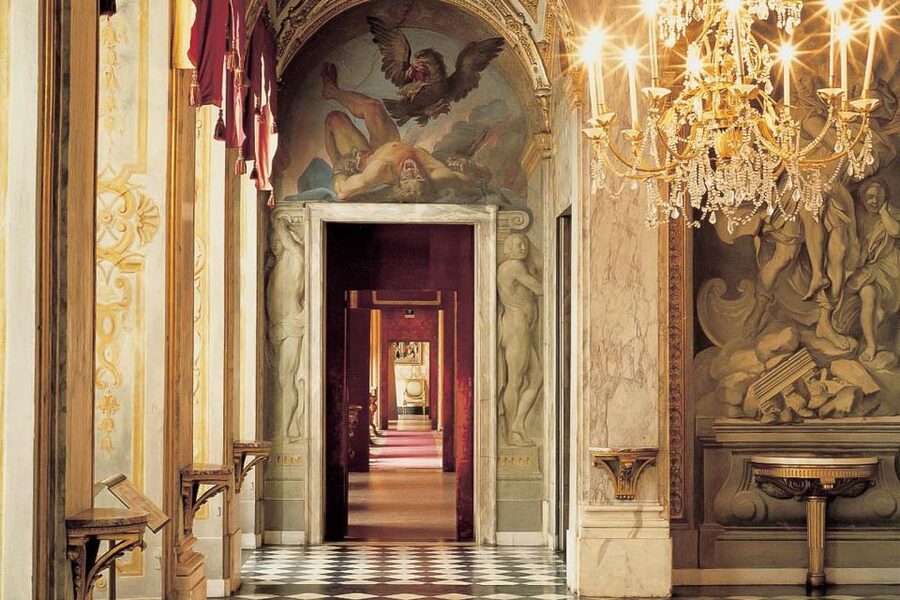
The meeting point at Via Garibaldi 12red puts you at one of Genoa’s best-looking streets. This is Strada Nuova, the city’s famous palace-lined avenue and a UNESCO World Heritage Site.
The Palazzi dei Rolli were grand residences owned by Genoa’s leading families in the 16th and 17th centuries. They were used to host important visitors when the city needed suitable accommodation for people of rank. Their role was practical as well as decorative, since the system reflected the wealth and influence of Genoa’s aristocracy.
Your guide helps you read the street as more than a row of handsome façades. Look for the scale of the doorways, the decorative details, and the way these large residences fit into a surprisingly narrow urban setting. Genoa often places a formal palace directly beside an ordinary lane, which is part of the city’s charm.
Starting here is useful because Via Garibaldi is easier to appreciate with context. On your own, you might admire the buildings and move on. With an explanation of the Rolli system, the street becomes a record of how Genoa’s powerful families displayed wealth and served the republic.
The meeting point is also practical for a first visit. If you arrive early, you can look around the street before the walk begins. Make sure you check in inside the Tourist Information Center, rather than simply waiting outside.
Following the caruggi into Genoa’s old center
The word caruggi refers to Genoa’s narrow lanes, and these lanes shape the entire experience. They are not just picturesque shortcuts. They are the basic structure of the historic center, where the city’s old streets twist between tall buildings and open into small squares with little warning.
A guide is especially useful here because the route is difficult to understand from a map alone. You may pass through a lane that looks ordinary, then hear why it mattered to the city’s trade, religion, or political life. The walk is less about covering a great distance and more about learning how the old center fits together.
That slower approach suits Genoa. One guide described the city as vertical, a fitting word for streets that move between tall façades, steep visual lines, and layers of history. You may not see every attraction in detail, but you gain a sense of how the modern city sits over its medieval core.
The route also includes smaller details that help the city feel lived-in rather than staged for sightseeing. Guides have pointed out local places for chocolate, ice cream, coffee, and food. These suggestions are useful because the tour gives you a starting point for exploring on your own after the formal itinerary ends.
A possible limitation is that the lanes can be crowded or acoustically difficult. Since the group is moving through enclosed streets, it may be harder to hear if you fall behind. Stay close to the guide, especially during explanations in a busy square.
San Matteo Square and the Doria family
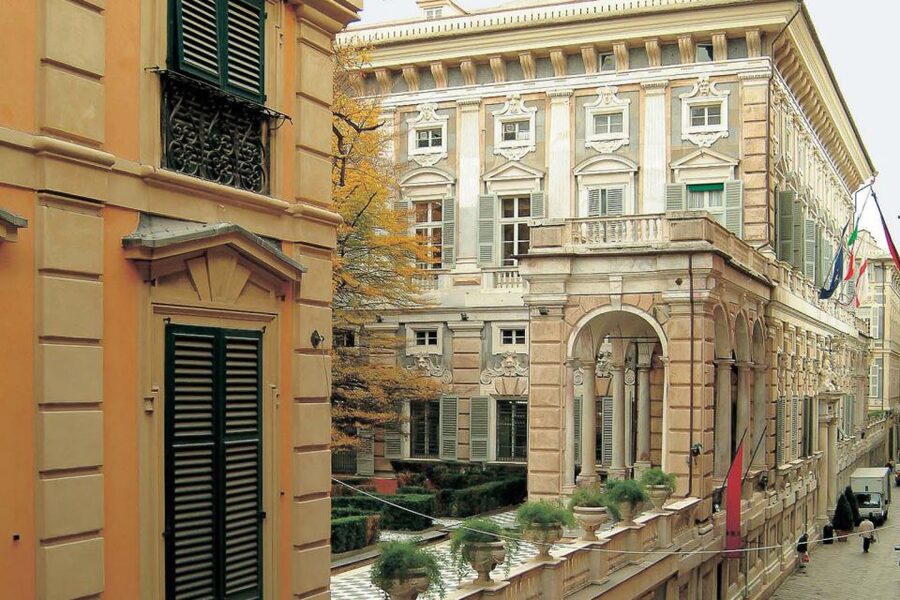
San Matteo Square brings the story of Genoa’s ruling families into focus. The square is closely associated with the Doria family, one of the most important names in the city’s political and commercial history.
This is the kind of stop that benefits from a guide. A quick look at the square gives you attractive buildings and a compact urban space. The explanation shows how architecture, family power, and public life were linked.
The tour does not ask you to spend a long time inside every site. Instead, you receive the background needed to recognize why a modest-looking square matters. That balance is helpful if you are new to Genoa and want a broad introduction before choosing where to return.
The Doria connection also fits the wider theme of the walk. Genoa’s old center is full of evidence that private families shaped public life. Palaces, churches, squares, and streets were not separate attractions. They formed a network of influence.
More Old Town and Historic Centre Walks in Italy
- Rome in a Day Tour with Vatican, Colosseum and Historic Center
★ 4.5 · 1,042 reviews - Rome Food Tour in the Historic Centre with 8+ Food Tastings
★ 5.0 · 1,000 reviews - Guided Tour, Historic Center Sassi Rock Churches and Cave House
★ 5.0 · 461 reviews - Palermo: Tour of the historic center by train
★ 3.7 · 242 reviews
San Lorenzo Cathedral and sacred treasures
San Lorenzo Cathedral is one of the main stops, and its Gothic appearance adds a different mood to the tour. After the grand residential palaces and tight commercial lanes, the cathedral gives you a large religious landmark with centuries of Genoese history attached to it.
The church is known for housing important religious objects, including relics connected with Saint John the Baptist. The story of how such objects reached Genoa connects the cathedral to the city’s medieval trade and overseas contacts.
You should expect an exterior and historical introduction rather than a long, specialized cathedral visit. The tour’s job is to place San Lorenzo within the story of Genoa. If the church interests you, make a note to return later and give it more time.
This is one reason I like the format. You get enough information to make a later independent visit more rewarding. The tour does not pretend that two hours can provide a full museum-style treatment of every major building.
The Doge Palace, Opera House, and other city landmarks
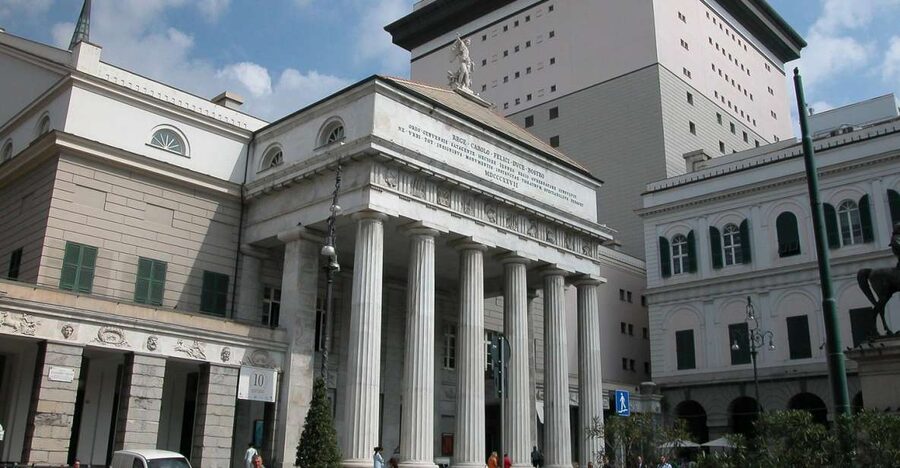
The itinerary also brings you past the Doge Palace and the Opera House. These sights help connect Genoa’s political and cultural life with the old center’s streets.
The Doge Palace represents the city’s civic power. It is an important counterpoint to the private palaces of the Rolli families. You begin to see how aristocratic influence and public government occupied the same compact center.
The Opera House adds another layer, showing that Genoa’s historic core is not only medieval or religious. The city’s cultural life continued to develop within the same tight urban area.
Do not expect extended interior visits at every landmark. The value here is the sequence. Your guide points out the buildings, explains their role, and keeps you moving so you can cover the main center in two hours.
That approach works best for a first visit, a cruise stop, or a short weekend. If you already know Genoa well, you may prefer a longer specialist tour focused on one subject. For most first-time visitors, this walk provides a useful map in your head.
The Strada Nuova Museums after the guided walk
At the end of the walk, the guide introduces the Strada Nuova Museums, then you continue alone. Access is included, which makes the price unusually attractive for anyone planning to spend time with Genoese art.
The museum center occupies palaces along Via Garibaldi and presents works by Italian and foreign artists from the 15th through the 19th centuries. The collection includes important Genoese and Flemish works, so it gives you a chance to connect the buildings you have just seen with the art and wealth associated with them.
The independent format has both advantages and limits. You can move at your own pace, pause for paintings that interest you, and leave when you have had enough. On the other hand, you do not receive a guided explanation inside the museum, so you may want to read the labels carefully or decide in advance which rooms matter most to you.
Plan this visit for the same day as the walking tour. It is not a flexible ticket for another day. If your schedule is tight, check the museum timing before booking the walk so you do not lose part of the included admission.
Sant’Agostino Museum and medieval Genoa
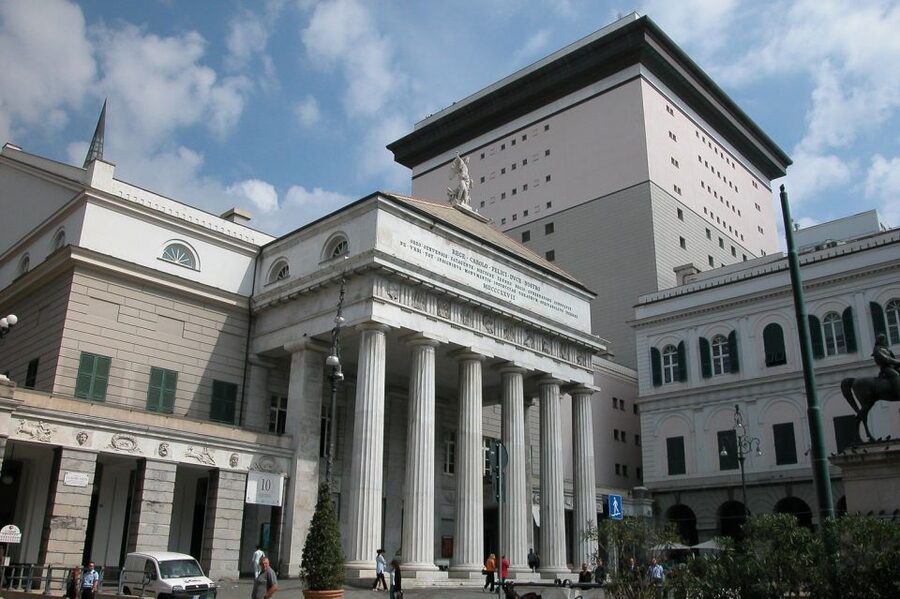
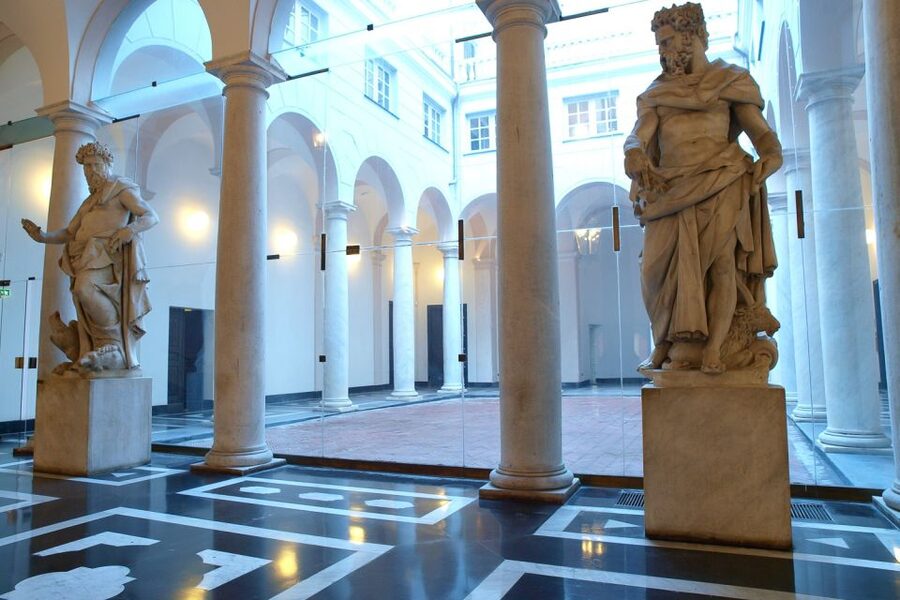
Sant’Agostino Museum adds a different artistic focus. It occupies the spaces of a triangular cloister and the largest preserved Gothic church in the complex, with works connected to medieval Genoa.
This is a good follow-up to the cathedral and the Old Town lanes. The Strada Nuova Museums focus heavily on later palace culture and painting, while Sant’Agostino brings you closer to the city’s medieval religious world.
Again, the museum visit is independent. The guide gives you the introduction, but the time inside is yours. I would not try to rush through both museum areas in a few spare minutes. If you care about art, allow a proper block of time after the walk.
The included access is important when judging value. At $16, you receive a guided Old Town orientation plus entry to two museum sites. Even if you spend only a modest amount of time in each, the combination gives the tour more substance than a basic street walk.
The bilingual format: helpful but slower
The tour is conducted in English and Italian with a bilingual guide. This makes it workable for mixed-language groups, and the strongest guides have been praised for giving both groups equal attention.
You should expect the same information to be explained twice. That can stretch the itinerary and reduce the amount of time spent simply walking or looking. One English-speaking participant may wait through the Italian explanation, while an Italian-speaking participant waits through the English version.
Some people find this useful. You can take photographs during the other language, look more closely at a façade, or listen for familiar Italian words. Others prefer a single-language tour because it feels more direct.
Clear hearing matters. Past participants have praised guides for speaking well and keeping people included, but one practical criticism was that a guide became harder to hear when turning away to point at a building. Stay near the guide and ask for repetition if needed.
The format is not a deal breaker for me. The guides have handled the switch between languages with care, but you should choose this tour knowing that two hours can feel closer to a relaxed introduction than a fast sightseeing march.
Pace, group comfort, and who will enjoy it
The pace is generally described as comfortable, and guides have made an effort to include people with different physical abilities. The walk covers narrow historic streets rather than a huge distance, so you are not racing across the city.
Still, this is a walking tour through an old center. The lanes may be uneven, and the route involves standing while the guide explains buildings and history. Anyone who needs frequent rests should consider that the group schedule may not allow long pauses at every stop.
Families can use the tour as a way to make Genoa easier to understand, though the amount of historical explanation may suit older children better. Cruise passengers also benefit, since the meeting point is within walking distance of the port area, according to one detailed account. Allow extra time if you are traveling with small children or have a fixed return schedule.
The tour is particularly well suited to:
- First-time visitors who want orientation
- Cruise passengers with a few hours in Genoa
- History fans interested in medieval and aristocratic Genoa
- Visitors who want museum access included
- People who prefer local explanations to a large bus tour
It is less suitable if you want a private, single-language experience or a detailed guided visit inside each museum.
Price, cancellation, and practical value
At $16 per person, this is a strong value. You receive two hours with a live guide, access to two museum sites, and an introduction to several of Genoa’s most important buildings.
The museum admission is the key reason the price works. A simple orientation walk might be worth the cost on its own, but the added access gives you a reason to continue exploring after the guide leaves you.
You can cancel up to 24 hours before the start for a full refund, and the reserve-now, pay-later option keeps your plans flexible. Starting times vary, so check availability before building the rest of your day around the tour.
I would book it early in your Genoa stay rather than at the end. You will leave with practical ideas about where to eat, which buildings deserve another look, and how the old center connects together.
Should you book this Genoa walking tour?
Book it if you want a friendly, affordable introduction to Genoa’s historic center and you are happy to visit the museums independently. The combination of caruggi, Rolli palaces, San Matteo Square, San Lorenzo Cathedral, and museum access gives you a lot for two hours and $16.
Skip it if you dislike bilingual tours, need a highly specialized art guide, or want long interior visits at every landmark. For most first-time visitors, though, this is a smart way to get your bearings fast, understand Genoa’s unusual old center, and decide what deserves more of your time.
FAQ
Where does the Genoa walking tour begin?
The tour begins at the Tourist Information Center on Via Garibaldi 12red.
How long does the tour last?
The guided walking portion lasts two hours. Some past tours have run slightly longer, but the stated duration is two hours.
Which languages are available?
The tour is offered in English and Italian, with a bilingual guide explaining the itinerary in both languages.
Are museum tickets included?
Yes. Access to the Strada Nuova Museums and Sant’Agostino Museum is included.
Are the museum visits guided?
No. At the end of the walking route, the guide introduces the Strada Nuova Museums, and you continue through the museums independently.
When must I visit the museums?
You should visit both the Strada Nuova Museums and Sant’Agostino Museum on the same day as the walking tour.
More Two-Hour Tours in Italy
- Palermo in 2 hours Main monuments and historic markets
★ 5.0 · 136 reviews - 2-Hour Gettysburg Battlefield Guided History Bus Tour with a National Park Guide
★ 4.5 · 2,201 reviews - Kyoto Gion: 2-Hour Geisha Culture & History Walking Tour
★ 5.0 · 1,186 reviews - 2 Hour LoDo Historic Walking Tour in Denver
★ 5.0 · 1,106 reviews
Just added around Italy
- Guided Cultural Tour of the Godfather Film in Messina★ 5.0 · 31 reviews
- SU NURAXI BARUMINI Unesco World Heritage Site★ 5.0 · 129 reviews
- Brescia the Unexpected: History, Local Stories & a drink★ 5.0 · 31 reviews
- Picnic aperitif in the vineyard of an ancient trullo in Martina Franca★ 5.0 · 21 reviews
- Bologna historical art walking tour with hidden gems and tastings★ 5.0 · 108 reviews
- Private or semi-private tour of the historic center of Bologna★ 5.0 · 34 reviews
- Best of Bologna in one day : Food, architecture, art and history★ 5.0 · 27 reviews
- Bolognese Cooking Class with Margherita in the Historic Center★ 5.0 · 26 reviews
Old Town & Historic Centre Walks, compared.
Live Fado Show with Port Wine in Historic Center
Read our review →
Valencia Old Town Tour with Wine & Tapas in 11th Century Historic Monument
Read our review →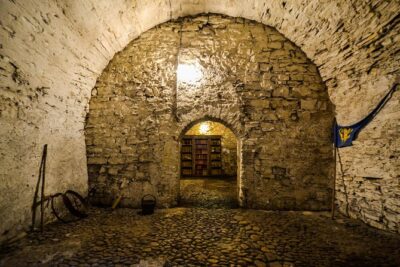
Prague Old Town, Medieval Underground and Dungeon Historical Tour
Read our review →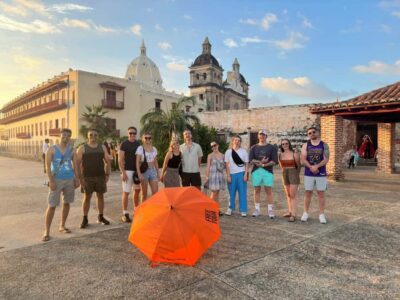
Historic Center and Getsemaní Shared Walking Tour
Read our review →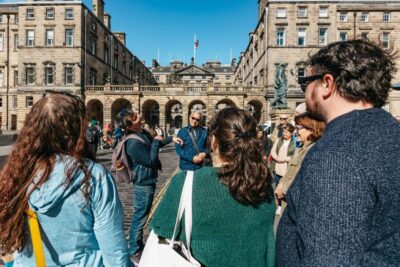
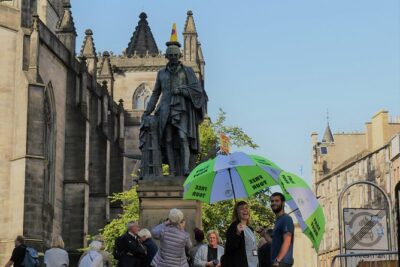
Old Town Walking Tour History and Tales in Edinburgh
Read our review →
Philadelphia Old City Historic Walking Tour with 10+ Top Sites
Read our review →
Saadian Tombs & Bahia Palace, Medina Guided Tour
Read our review →Browse the lists this tour appears in