
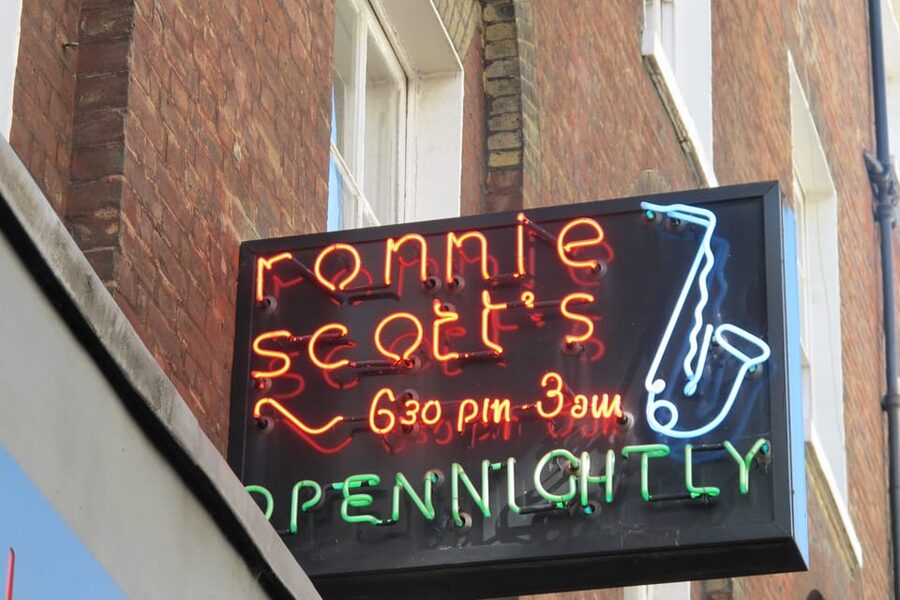
Review · SOUTH EAST ENGLAND
London: Rock ‘n’ Roll History Tour
London still hums with old guitar riffs. This 3.5-hour tour connects Chelsea, Kensington, Notting Hill, and St John’s Wood with the people and places that shaped British rock. I like the wide range of music, from the Beatles and Queen to punk, reggae, Jimi Hendrix, and the Rolling Stones. I also like that an air-conditioned bus lets you cover a lot of London without spending the afternoon on foot. The tradeoff is that many stops are viewed from the bus or from outside, so this is more of a fast-moving story tour than a series of museum visits.
The strongest part is the guide. Ian, Colin, Clive, Steve, Richard, and other guides have earned repeated praise for mixing sharp music knowledge with jokes, photographs, and useful London commentary. The main drawback is pace: London traffic can slow the bus, while the long list of sites means some views are brief. Abbey Road is the clear photo moment, but the stories between stops give the tour its real value.
Key points to know before booking
- King’s Road leads the musical story: See the Chelsea street tied to fashion, the Rolling Stones, the Beatles, Cream, punk, and the old Chelsea Drug Store.
- The route covers four famous districts: Chelsea, Kensington, Notting Hill, and St John’s Wood, giving you a broad look at west and central London.
- Queen’s Kensington is a major stop: Learn where the band formed, where album parties took place, and where Freddie Mercury lived.
- Punk and reggae get their due: The tour covers early punk venues and Notting Hill’s links with London’s Caribbean community and reggae scene.
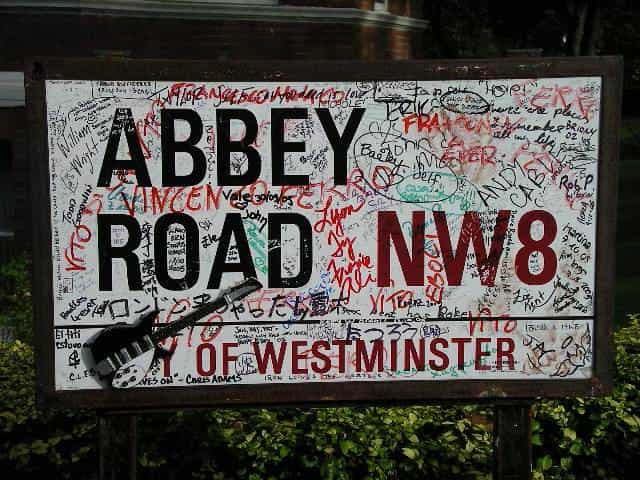
- Abbey Road ends the afternoon: You get time to cross the famous street and take photographs outside Abbey Road Studios.
- The bus matters: It keeps walking to a minimum, though the vehicle cannot stop at every location for a long visit.
What this London music tour is really like
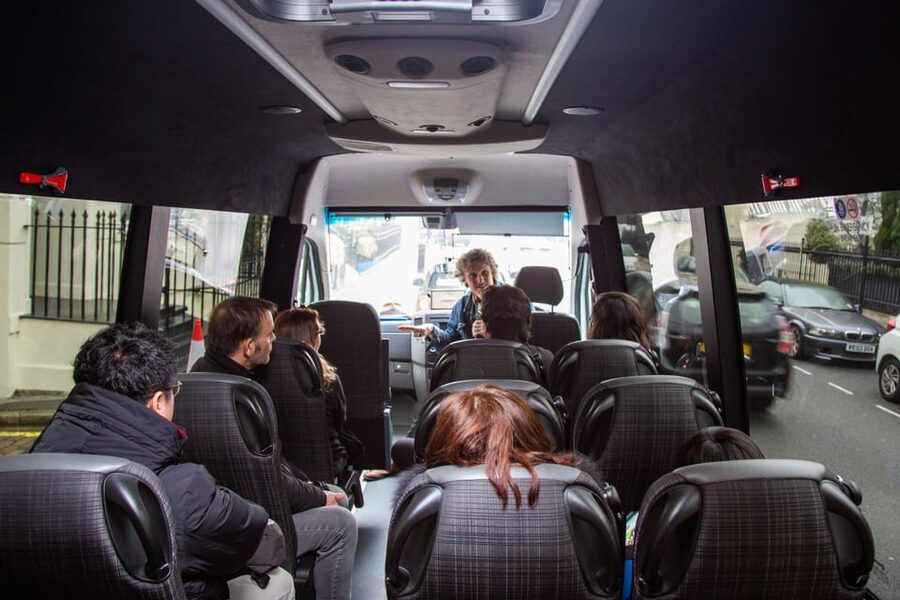
This is a sightseeing tour built around music, not a concert, museum visit, or recording-studio tour. You ride in an air-conditioned bus while an English-speaking guide points out addresses, former clubs, recording studios, hotels, shops, pubs, homes, and gig sites.
The route covers a remarkable amount of ground in three and a half hours. That is useful if you want to connect several districts in one afternoon, especially if you have limited time in London. It also means you need to listen closely. A street corner may look ordinary until the guide explains who lived there, which band played nearby, or how the location appeared in the story of British music.
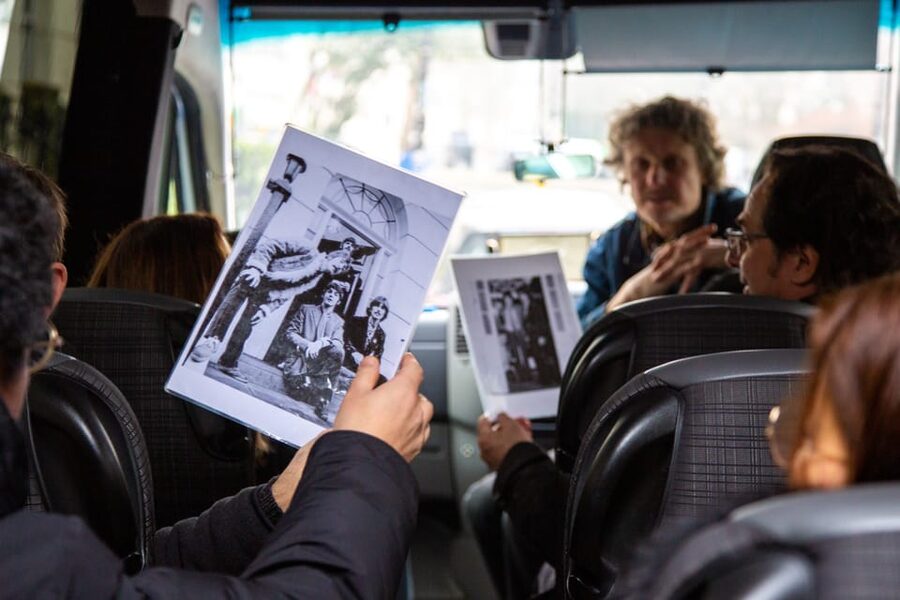
The guides are the heart of the experience. Ian is often praised for his warmth and detailed stories. Colin is described as both funny and well prepared. Clive has used a photo album to help place musicians and events in context. Steve, Richard, Marc, Jim, and others have also been singled out for keeping the commentary lively.
I would not book this expecting a quiet audio guide or a formal lecture. The tone is friendly and conversational, with plenty of banter. That helps the three and a half hours pass quickly, but it also means the quality depends partly on the guide assigned to your departure.
A few more history tours around London worth a look
- London Small Group Tour of Historical Pubs
★ 5.0 · 10,422 reviews - Soho Music & Historic Pubs Tour
★ 5.0 · 1,993 reviews - London: Historic Pubs of Central London Walking Tour
★ 4.9 · 1,065 reviews
King’s Road and Chelsea’s rock-and-fashion past
The tour heads first toward King’s Road, one of London’s best-known streets for fashion and music. The area is especially important for understanding the 1960s and 1970s, when Chelsea became a meeting place for musicians, designers, punks, and the wider counterculture.
Here, the guide links the street to the Rolling Stones, Mick Jagger, Marianne Faithfull, Eric Clapton, Cream, the Beatles, and other familiar names. You hear about the flat shared by members of the Rolling Stones, places where Mick and Marianne spent time, and the former Chelsea Drug Store.
The Chelsea Drug Store is a particularly good example of what makes this tour worthwhile. It was not simply a shop with an unusual name. It became part of the mythology of the district and even made its way into famous song lyrics. Details like this turn a simple bus ride into a lesson in how London streets entered popular culture.
You also hear about places connected with star weddings, clubs, boutiques, and the fashionable crowd around King’s Road. The area’s music story is tied closely to clothing and nightlife. That broader setting helps explain why Chelsea mattered beyond individual bands.
The limitation is practical. King’s Road is a living London street, not a preserved rock museum. Shops and businesses have changed, and you may see many locations only from the coach. Still, the guide’s old photographs and stories help bridge the gap between today’s Chelsea and the Chelsea of the 1960s and 1970s.
Punk arrives in Chelsea
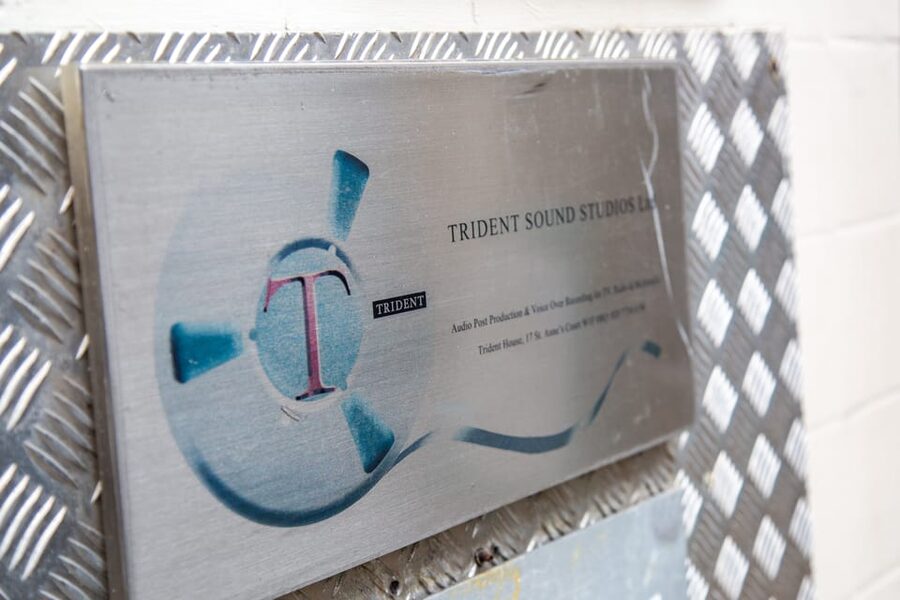
The tour also follows the beginnings of London punk. You pass former gig sites, recording studios, shops, and places linked with the Sex Pistols, The Clash, Poly Styrene, and X Ray Spex.
This section gives the tour a useful edge. Many music tours focus only on the Beatles and Rolling Stones, but London’s punk story is just as important to the city’s cultural identity. Punk took over spaces that had previously been tied to hippies, fashion, and established rock acts. The music was shorter, louder, and more confrontational, and its locations tell that story.
You should expect exterior views rather than entry into old clubs or studios. That may disappoint anyone hoping to walk inside a famous venue. Yet the bus format lets you connect several sites without navigating west London alone, and the guide can explain how the places related to one another.
Kensington, Queen, and Freddie Mercury
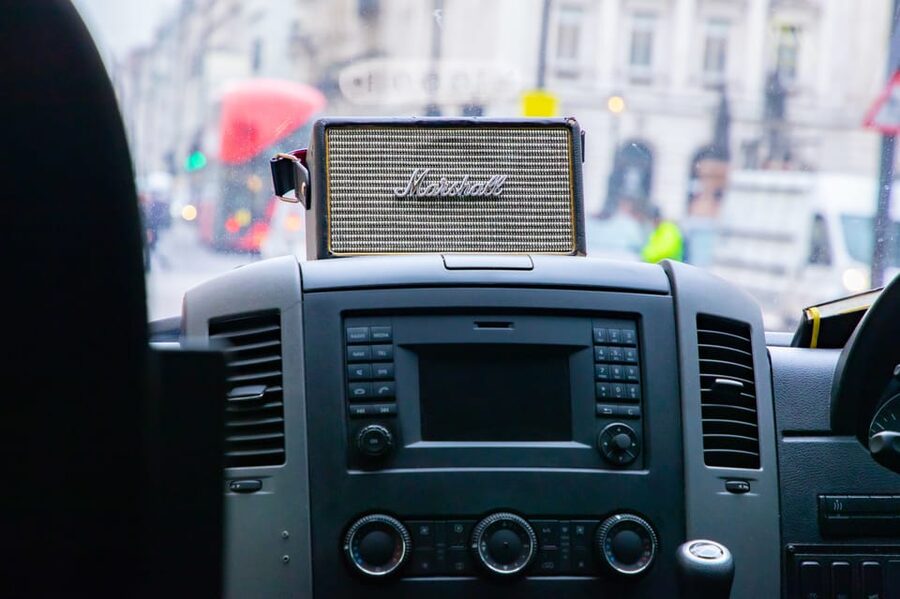
Kensington brings a different mood. This is the part of the route tied most closely to Queen, the band’s formation, album parties, and Freddie Mercury’s life in London.
For fans of Queen, this section is likely one of the afternoon’s highlights. The guide places the band within a real neighborhood rather than treating Queen as a name floating apart from London. You get a sense of the local streets connected with the group’s rise and with Freddie’s home life.
Kensington also adds variety to the tour. You are not simply moving from one rock address to another. The guide points out other London sights and explains the character of the district, which several participants have valued as much as the music material.
The tour does not promise entry to Freddie Mercury’s former home or private locations. Think of this section as a guided look at the neighborhood and its connections. If you want an indoor Queen exhibit or a dedicated Freddie Mercury pilgrimage, you will need a separate visit.
Same place, a different slice of the past:
- London: Soho Music and Historic Pubs Walking Tour
★ 4.9 · 836 reviews - Royal Historic Pubs Walking Guided Tour in London
★ 5.0 · 803 reviews - Private Group: Historical Pub Walking Tour of London
★ 5.0 · 660 reviews - London: Westminster Abbey Tour with a Royal Heritage Guide
★ 4.7 · 614 reviews
Notting Hill’s Caribbean and reggae connections
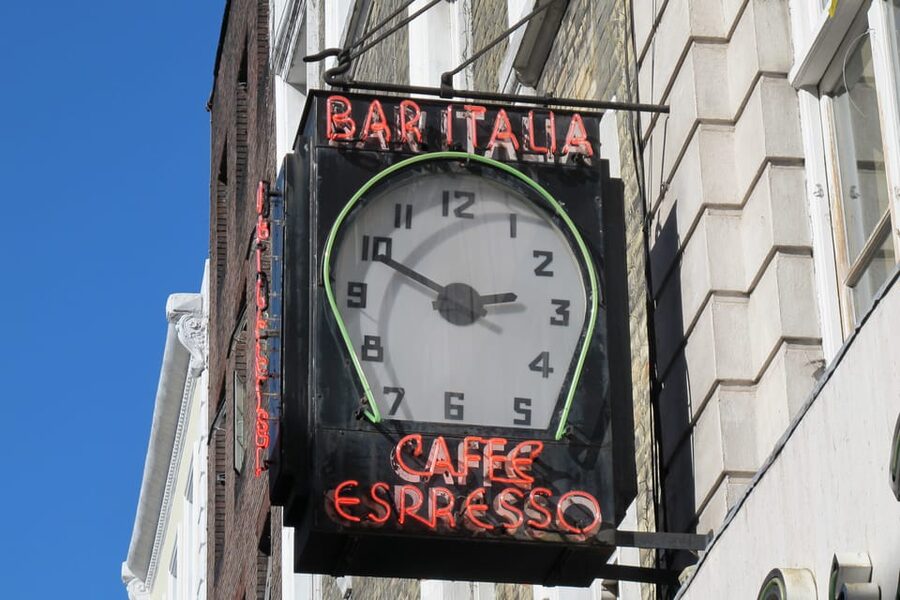
Notting Hill broadens the story again. The district is presented as the heart of London’s Caribbean community and an important center for the city’s reggae scene. It was also associated with hippies and punks, making it a useful link between several strands of London’s postwar culture.
I like this part because it avoids reducing rock history to a short list of white British bands. London’s music developed through contact between communities, styles, and neighborhoods. Notting Hill helps you see that the city’s sound was shaped by reggae, Caribbean culture, punk, and rock all sharing the same urban space.
The bus lets you see more of Notting Hill than you might reach during a standard central London sightseeing day. At the same time, you should not expect a long walking tour of the neighborhood. The experience is designed to keep the route moving and fit several districts into one afternoon.
Jimi Hendrix, the Beatles, and the final Abbey Road crossing
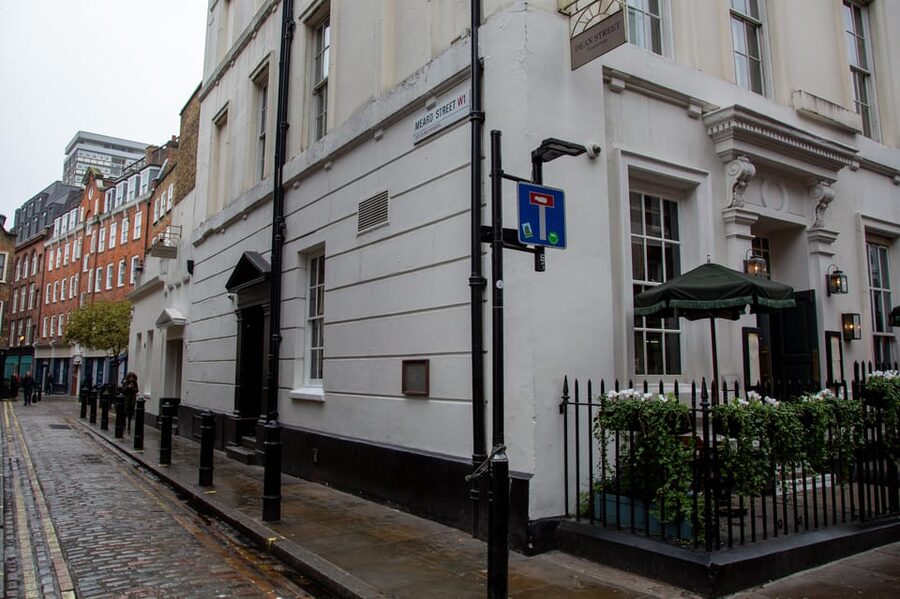
The Beatles appear at several points, including former homes, gig sites, and the place connected with the Get Back rooftop concert. You also hear about Jimi Hendrix’s London life, including places where he lived, played, and died.
These stops work best if you enjoy stories that connect people to ordinary city buildings. A former home or office may not look dramatic, but knowing its role gives the address meaning. The guide’s photographs are useful here, especially when the modern street looks very different from its historic image.
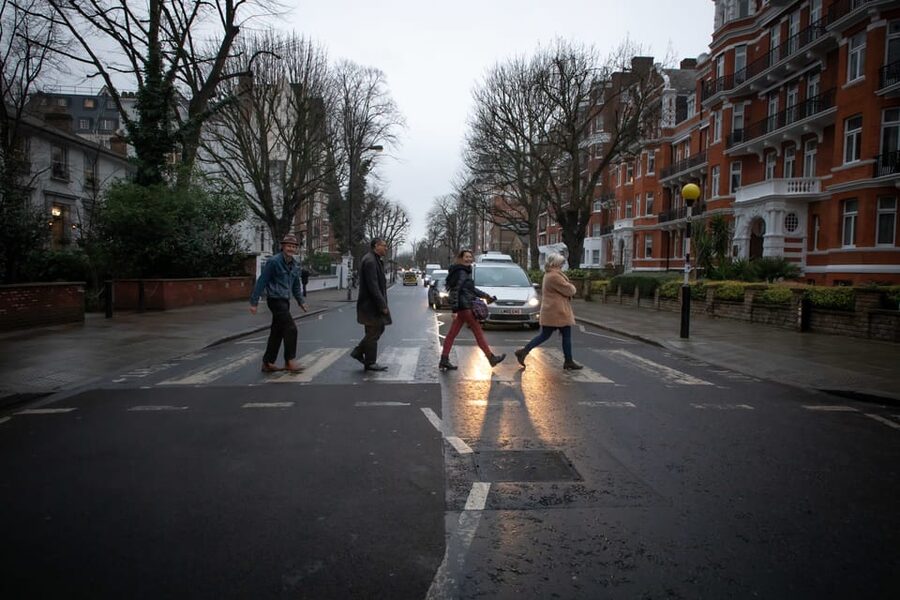
The final stop is Abbey Road in St John’s Wood. You get a chance to walk the famous crossing and take photographs outside Abbey Road Studios. This is the most hands-on part of the tour and the moment many people anticipate from the start.
Bring comfortable shoes, even though the bus does most of the work. The crossing is still a public road, so you need to be alert and follow the guide’s instructions. Traffic can make the photo stop lively and slightly chaotic, but the guides are accustomed to helping people get their pictures.
Richard has been praised for patiently photographing each group at the crossing. That is a small service, but it matters. You do not have to choose between crossing the road and missing the picture of yourself. The stop is also a good reason to have your phone ready before the bus arrives.
The bus, the pace, and what you will see
The air-conditioned coach is a major practical advantage. London’s music sites are spread across several districts, and covering them independently would require a mix of Underground trains, buses, and walking. On this tour, you can stay seated while the guide keeps the story moving.
Previous departures have included roomy, cool coaches and drivers praised for handling narrow streets and heavy London traffic. Paul, George, Dave, and other drivers have received particular praise for calm and careful work. That matters in Chelsea and nearby streets, where a large vehicle has little room to spare.
The bus is also the tour’s main compromise. You may pass a location slowly without getting out, and some stops can feel short. One participant found the pace a little quick, while another appreciated seeing so much of London in a single afternoon.
I would treat the ride as a moving tour with one main photo stop, not as a hop-on, hop-off service. Take notes if a place catches your interest. One useful approach is to mark addresses on your phone and return later for a closer look, since the tour gives you a strong overview but not unlimited time at each site.
Price, timing, and practical details
The price is $74 per person for three and a half hours. That is fair value if you want a guided overview of London’s rock history and would otherwise spend money and time building the route yourself.
The value depends on your interests. A casual London visitor who enjoys music, pop culture, and local stories will get both a themed tour and a broad introduction to Chelsea, Kensington, Notting Hill, and St John’s Wood. A serious fan who has already researched every address may find the bus commentary more useful than the brief exterior stops.
The tour does not include hotel pickup or drop-off. Until March 31, 2026, you meet at the Duke of York Column in St James’s, about a five-minute walk from Piccadilly Circus or Charing Cross stations. From April 1, 2026, the departure point moves to the Millennium Gloucester Hotel in Kensington, near Gloucester Road Underground Station, with check-in by the casino entrance.
Arrive at least 10 minutes early. The tour is conducted in English, and you should wear comfortable shoes. It is not suitable for wheelchair users.
You can cancel up to 24 hours before departure for a full refund, and the reserve-now, pay-later option gives you some flexibility when your London schedule is still changing. Starting times vary, so check the available departure time before committing it to your day.
Who should book this experience?
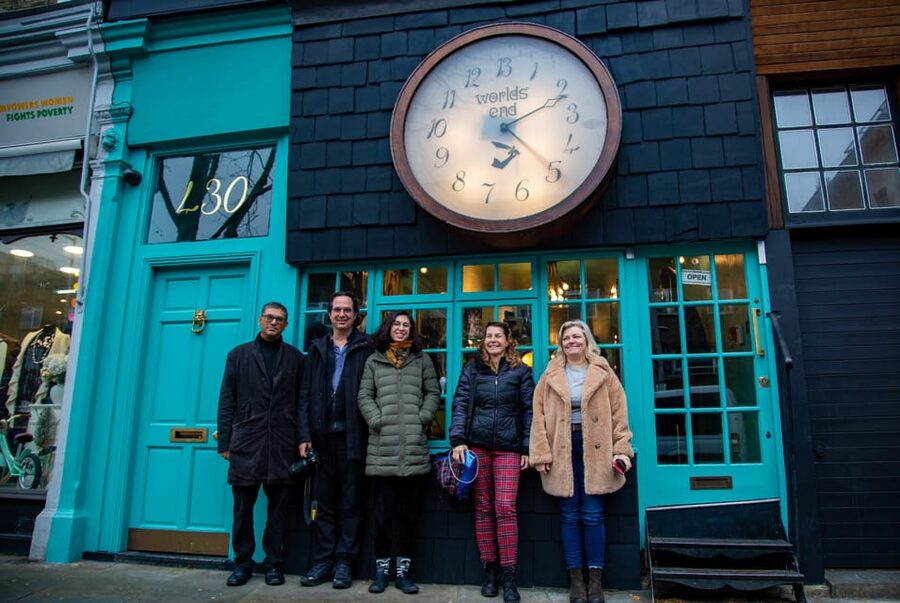
I would recommend it most strongly to Beatles, Queen, Rolling Stones, punk, classic rock, reggae, and Jimi Hendrix fans. You do not need to know every album or band member, though. The guides explain enough background to make the places meaningful for newcomers.
It also suits solo visitors and anyone who cannot walk long distances. One participant specifically valued the chance to see many sights while staying on the bus. Families with older children may enjoy it too, especially if they listen to the music before arriving.
You may want a different experience if you need step-free access, dislike coach tours, or prefer long visits inside museums and historic buildings. This is a fast, story-led overview. The best parts are the guide’s presentation, the variety of districts, and the chance to cross Abbey Road.
Should you book the London Rock ‘n’ Roll History Tour?
Book it if you want London’s music story delivered by an enthusiastic guide rather than pieced together from scattered addresses. The repeated praise for Ian, Colin, Clive, Steve, Richard, and the other guides suggests that the human element is a major strength, while the professional drivers make a demanding city route manageable.
I would especially choose it early in a London visit. You can use the tour to identify places you want to revisit, and you will also get a quick introduction to several neighborhoods beyond the usual central sights.
Skip it if you want to enter recording studios, spend an hour at every club, or move at your own pace. For $74, the tour offers a lively, efficient look at London’s rock past, with Abbey Road as the memorable finish and a good deal of music lore along the way.
FAQ
How long is the London Rock ‘n’ Roll History Tour?
The tour lasts 3.5 hours.
How much does the tour cost?
The listed price is $74 per person.
What areas of London does the tour visit?
The route covers Chelsea, Kensington, Notting Hill, and St John’s Wood, including Abbey Road.
Is Abbey Road included?
Yes. The tour includes a stop at Abbey Road, where you can walk across the famous street crossing and take photographs outside Abbey Road Studios.
Where does the tour depart?
Until March 31, 2026, it departs from the Duke of York Column in St James’s, about five minutes from Piccadilly Circus or Charing Cross stations. From April 1, 2026, it departs from the Millennium Gloucester Hotel in Kensington, near Gloucester Road Underground Station.
What language is the tour conducted in?
The live tour guide provides the tour in English.
Is the tour suitable for wheelchair users?
No. The experience is listed as unsuitable for wheelchair users.
Just added around London
- London: Self-Guided History City Tour with an App★ 4.3 · 21 reviews
- London: Witches and History Bankside Walking Tour★ 4.8 · 223 reviews
- London: Brutalist Architecture & History Walking Tour★ 4.8 · 42 reviews
- London: Hot Tub Boat Guided Historical Docklands Cruise★ 4.6 · 62 reviews
- London: Historic Pubs, British Ales & Classic Dishes★ 4.9 · 36 reviews
- London: Historic London Pub Walking Tour★ 4.8 · 94 reviews
- London: Jack the Ripper Tour with Historic Pub Stops★ 4.8 · 360 reviews
- London: 2-Hour Historic Pub Tour★ 4.9 · 133 reviews
London History Tours, compared.
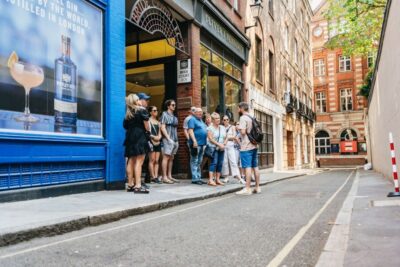

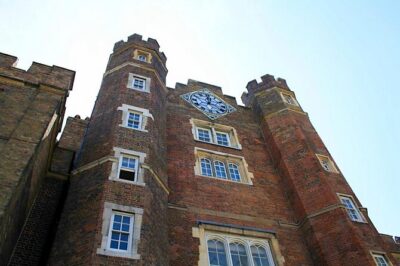
Royal Historic Pubs Walking Guided Tour in London
Read our review →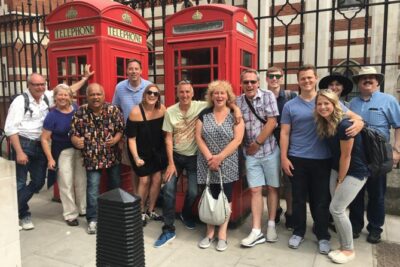
Private Group: Historical Pub Walking Tour of London
Read our review →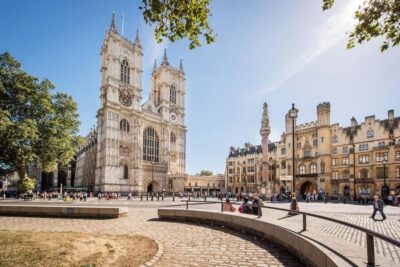
Westminster Abbey Tour with a Royal Heritage Guide
Read our review →
Browse the lists this tour appears in