
Review · ROME
Twilight Local Food, History and Hidden Places
Rome eats best after sunset. This three-to-four-hour walk pairs more than 15 Roman tastings with stories about old streets, food families, and archaeological traces. I like the small group of no more than 12 people, and I like the rare chance to try carbonara cooked by a Michelin Star Chef. The main consideration is the pace: with food, wine, history, and several stops packed into one evening, this is a full experience rather than a relaxed sit-down meal.
I also like that the route finishes in Piazza Navona, with homemade limoncello and tiramisù beside one of Rome’s great fountains. You should come hungry, wear smart but comfortable clothes, and share any dietary needs before booking. There is no hotel pickup or transport, so you will need to reach Via dei Pettinari on your own by 5 p.m.
Five things to know before booking
- More than 15 tastings: Expect pizza al taglio, cheeses, salami, supplì, bruschetta, pasta, sweets, wine, beer, and other Roman specialties.
- A food-and-history walk: Your guide connects each stop with stories about Rome, local families, and archaeological traces.
- A family-run bar: One stop features a historic bar owned by the same family for 150 years and seven generations.
- A Michelin Star Chef’s carbonara: The pasta course is one of the evening’s main food highlights.
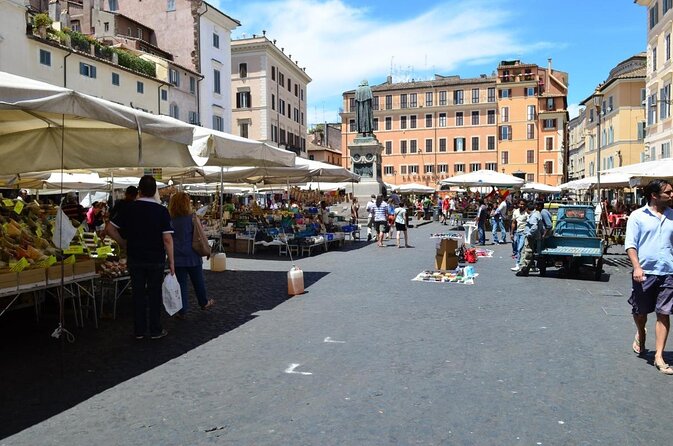
- A compact central route: You start on Via dei Pettinari and finish at Piazza Navona, with Campo de’ Fiori in between.
Why this Rome food tour works after dark
Rome can feel like a collection of famous monuments when you first arrive. You see the Colosseum, the Pantheon, and Trevi Fountain, but food often gives you a better sense of daily Roman life. This tour uses small businesses, family shops, an old bakery, and a neighborhood restaurant to show how the city eats.
The food is only part of the point. Your guide is described as an Italian foodie and archaeologist, so the walking sections include stories about the city’s past and traces of 2,000 years of history. That mix gives the evening a useful rhythm. You are not simply moving from one snack to the next. You are eating, walking, listening, and seeing how old Rome sits beside ordinary modern life.
The small-group limit matters. With no more than 12 people, it should be easier to hear the guide, ask questions, and fit into small food shops. It also keeps the evening more personal than a large coach-style tasting tour.
Still, this is not the best pick if you want a long, quiet dinner. The experience includes at least three main areas and many tastings in about three to four hours. You will spend part of the evening standing or walking, so comfortable shoes are sensible.
More Food Tours in Rome:
- Rome Food Tour in the Historic Centre with 8+ Food Tastings
★ 5.0 · 1,000 reviews - Private Rome Food Tour in the Historic Centre with 8+Tastings
★ 5.0 · 135 reviews - Rome: Ultimate Street Food Tour in the Old Town by Do Eat Better
★ 5.0 · 73 reviews
Starting on Via dei Pettinari with Roman aperitivo
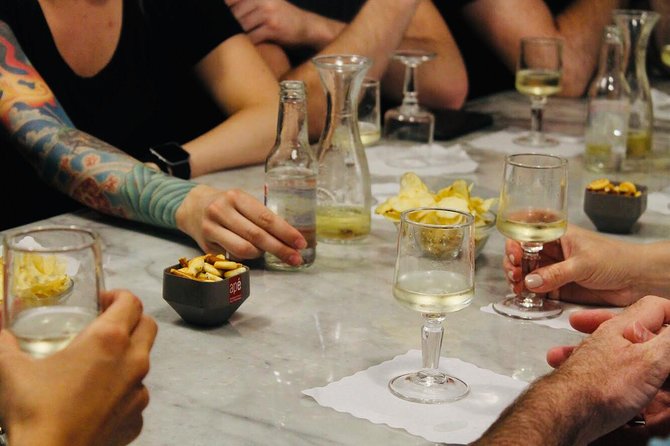
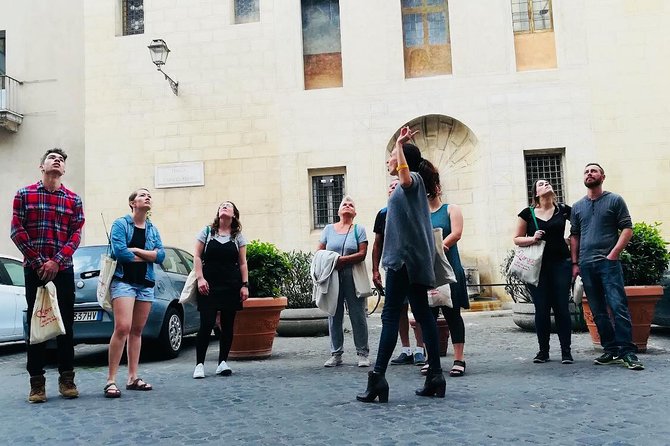
The tour begins at Via dei Pettinari, 44, at 5 p.m. This puts you near Rome’s historical center and within reach of Campo de’ Fiori and Piazza Navona. The opening stop introduces the Roman aperitivo, the early-evening drink and snack ritual that helps set the tone for dinner.
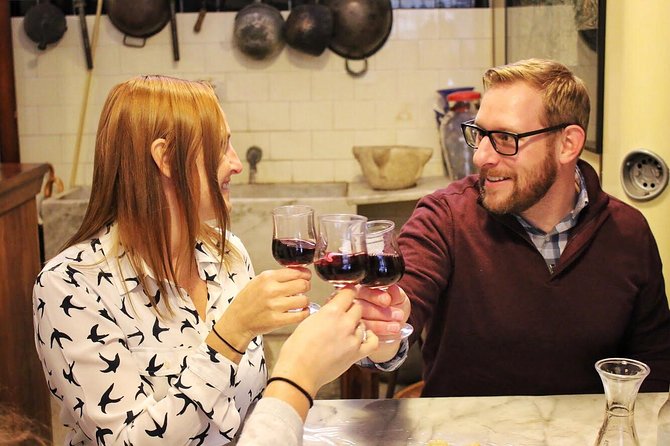
The bar here has been owned by the same family for 150 years and seven generations. That detail gives the stop more character than a generic place chosen only for convenience. You get a drink, some food, and a direct link to a long-running Roman business.
The included drinks can include water, wine, beer, and vino e gassosa, a typical Roman aperitivo made with wine and sparkling soda. If you want a taste of local habits rather than only famous Italian dishes, this is a useful start.
Your guide also points out less obvious corners and archaeological traces in the narrow streets. The information provided does not promise entry to archaeological sites, so think of this as an outdoor introduction to the city’s layers. You may spot fragments or details you would otherwise pass without noticing.
Campo de’ Fiori, cannolo, and a family grocery shop
The route continues through Campo de’ Fiori, one of central Rome’s best-known squares. Here, the food focus shifts from drinks and small bites to traditional ingredients and Roman street food.
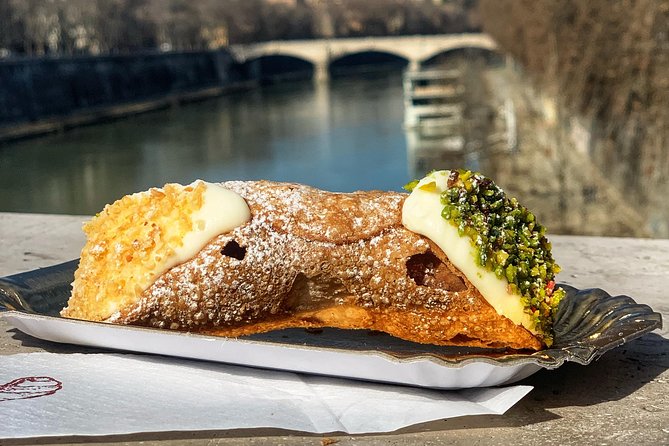
One stop features an Italian cannolo in the narrow streets around Campo de’ Fiori. The cannolo adds a sweet note early in the evening, which is useful because the tour does not save every dessert for the final stop. With so many tastings, the meal unfolds in small portions rather than one large plate.
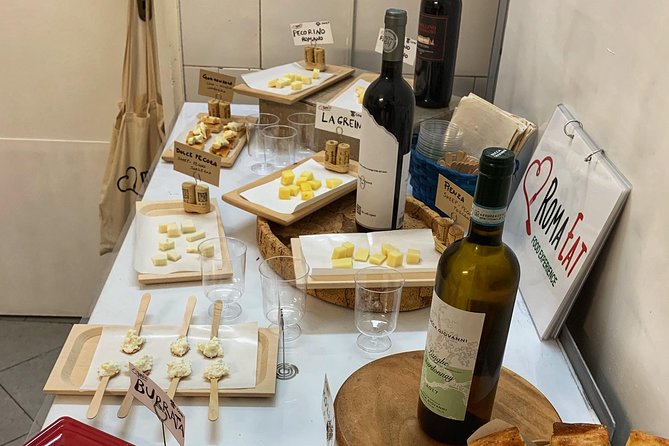
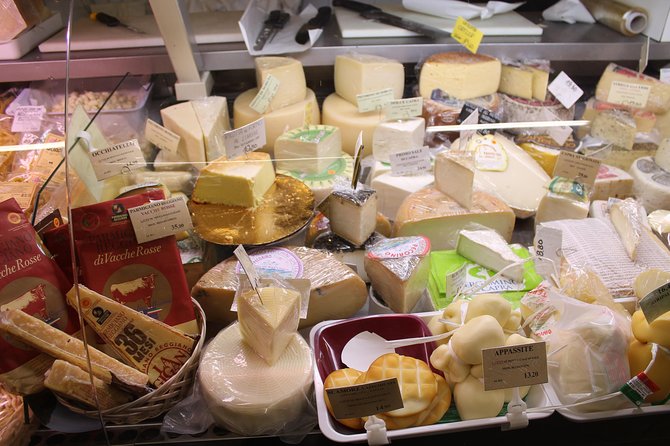
You then visit a traditional family grocery shop with exclusive access for the group. The tasting pairs different cheeses and salami with local wine. This is a strong part of the experience for anyone who wants to understand Italian food beyond pasta and pizza.
The value here is in the comparison. Several cheeses and cured meats let you notice differences in texture and flavor, while the guide explains how the foods fit into Italian eating habits. A particularly memorable item noted in the feedback is pistachio Nutella, so take the chance to try it if it is offered.
This stop may be less appealing if you do not eat meat or dairy. A vegetarian option is available, but you should advise the operator in advance. The supplied details do not describe every vegetarian substitute, so contact the provider before booking if your diet is strict.
Pizza al taglio at a bakery opened in 1880
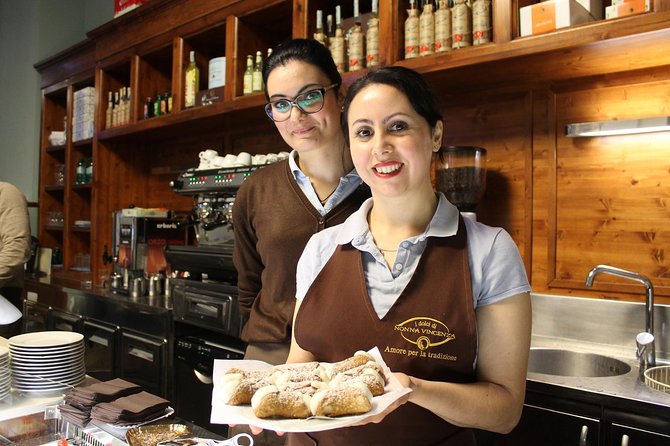
Rome’s pizza al taglio is sold by weight or by the piece, with pizza baked in large rectangular trays and cut to order. It is a practical Roman street food, made for a quick meal rather than a formal restaurant setting.
The tour visits an ancient bakery opened in 1880. That long operating history adds context to the tasting, but the real benefit is learning how a Roman food shop fits into the city’s everyday routine. This is the kind of stop that helps you recognize local food habits during the rest of your visit.
You will also try supplì, a fried Roman rice croquette, along with other savory items. The exact order of tastings may vary, but the promise is broad: more than 15 food samples, including pizza, aged cheeses, salami, and other local specialties.
Because the tour includes so much food, portion size is important. You are tasting rather than receiving a full serving at every stop. Even so, avoid booking a large meal just before the meeting time. Arriving hungry makes the evening more enjoyable and leaves room for the final sweets.
A few more history tours around Rome worth a look
- Colosseum: Underground and Ancient Rome Tour
★ 4.7 · 12,691 reviews - Rome: Colosseum with Arena, Roman Forum and Palatine Guided Tour
★ 4.0 · 5,598 reviews - Colosseum with Arena, Roman Forum and Palatine Hill Guided Tour
★ 4.5 · 3,526 reviews - Colosseum & Ancient Rome with Arena Floor Option I Max 6 People
★ 5.0 · 3,306 reviews
Carbonara and dinner with a Michelin Star Chef
After the bakery and grocery shop, the group sits down at a cozy restaurant for a more traditional meal. The menu includes bruschetta and classic pasta alla carbonara, prepared by a Michelin Star Chef.
This is probably the evening’s key food moment. Carbonara looks simple, but its appeal depends on the balance of pasta, egg, cheese, and pork. Having it prepared by a chef with Michelin recognition gives the dish special interest, especially if this is your first proper taste of Roman carbonara.
The restaurant stop also gives you a chance to sit after the earlier walking and tasting. That break matters. A food tour can become tiring when every course is eaten standing up, so the seated meal creates a useful change of pace.
The experience is not presented as a cooking class, and you should not expect a detailed lesson on making carbonara yourself. Its purpose is to taste a classic dish in a restaurant setting while the guide continues the evening’s food and history discussion.
One practical point: the tour is offered in English. That should suit English-speaking visitors who want the guide’s stories and explanations, but the group may include people with different food preferences. Advance notice is the best way to make the meal work for you.
Piazza Navona, limoncello, and tiramisù
The final stop is Piazza Navona, where the tour ends with a toast of homemade limoncello and tiramisù near one of Rome’s most beautiful fountains. Ending in this square gives the experience a clear finish and leaves you in a central area for the rest of your evening.
The homemade limoncello is described as being made with care and passion. It gives the group a final shared toast rather than simply handing you a packaged drink. If you do not drink alcohol, the included information does not specify a nonalcoholic replacement, so ask ahead of time.
Tiramisù provides the last sweet course. By this point, you will already have eaten a cannolo and several other samples, so dessert feels like a final punctuation mark rather than the main attraction.
Piazza Navona also makes the ending useful from a sightseeing point of view. You can continue exploring the square after the tour, or walk onward to nearby sights. Since hotel drop-off is not included, you will arrange your own return from Piazza Navona.
What the $111.44 price includes
At $111.44 per person, this is not a cheap snack walk. It can still offer fair value if you would otherwise pay separately for several drinks, a restaurant meal, desserts, and food samples in central Rome.
The price includes more than 15 tastings, pizza, aged cheeses, salami, supplì, tiramisù, water, wine, beer, and vino e gassosa. It also includes the guide and access to the selected food stops. The Michelin Star Chef’s carbonara and the long-running family bar add experiences that are difficult to judge by food quantity alone.
I would compare this price with what you want from a food tour. If your goal is simply the cheapest way to eat in Rome, you can spend less on your own. If you want a guided evening that combines food, drinks, local stories, and several established businesses, the cost is easier to justify.
The small group improves the value. A maximum of 12 people means you are paying for more than food. You are also paying for guidance through central Rome, explanations of ingredients, and access to places selected by a local food specialist.
Who will enjoy this experience most
This tour suits first-time visitors who want an easy introduction to Roman food and central neighborhoods. It is also a good fit if you prefer several small tastes to one long restaurant meal.
Food lovers should appreciate the range. You move from aperitivo to cheese and salami, pizza, fried snacks, pasta, limoncello, and tiramisù. That variety helps you identify which Roman foods you want to seek out later.
It should also suit anyone who enjoys history but does not want a formal museum tour. The guide connects food with old streets, families, and archaeological details. You get cultural context without spending the whole evening in a lecture.
The tour may be less suitable for young children, especially because one piece of feedback suggested it may be of less interest to people under 16. The evening includes wine, beer, and limoncello, and its tone is aimed more at adults who enjoy food and conversation.
People with strict dietary requirements should plan carefully. Vegetarian food is available with advance notice, and all specific dietary needs should be shared before the tour. The information does not promise options for every allergy or diet, so ask the provider directly.
Timing, meeting point, and practical planning
The tour starts at 5 p.m. and lasts about three to four hours. That timing gives you an early evening meal and places you at Piazza Navona around the time Rome begins to glow under its evening lights, although the exact finish time can vary.
You must make your own way to Via dei Pettinari, 44. There is no hotel pickup, hotel drop-off, or transportation between attractions. The route is in central Rome and near public transportation, but the tour itself is a walking experience.
Wear smart, comfortable clothes. You do not need formal dress, but the restaurant stop makes this more polished than a quick street-food outing. Comfortable footwear remains important because the evening moves through narrow central streets.
Mobile tickets are accepted, and confirmation normally arrives when you book. If you book within one day of departure, confirmation is sent as soon as possible, subject to availability. Free cancellation is available up to 24 hours before the 5 p.m. start time. Cancellations or changes inside that window are not refunded or accepted.
Should you book this Roman food walk?
Book it if you want a social evening built around Roman food, local stories, and small businesses rather than a simple restaurant reservation. The strongest reasons are the family-run bar, the traditional grocery shop, the 1880 bakery, and the carbonara prepared by a Michelin Star Chef.
Skip it if you dislike group dining, cannot manage many tastings, or want a quiet evening with full control over your menu. Also think carefully about dietary needs and alcohol, since the tour includes several drinks and the exact alternatives are not fully described.
For most first-time visitors who enjoy food and want more than the usual sightseeing route, the combination of 15-plus tastings, an archaeologist-foodie guide, and a Piazza Navona finish makes the $111.44 price reasonable.
FAQ
How long does the food tour last?
The experience lasts approximately three to four hours.
What time does the tour begin?
The tour begins at 5 p.m.
Where does the tour start?
It starts at Via dei Pettinari, 44, 00186 Rome, Italy.
Where does the tour end?
It ends at Piazza Navona in central Rome.
How many people can join the tour?
The group has a maximum of 12 travelers.
Is vegetarian food available?
Yes, a vegetarian option is available. You should advise the provider in advance.
Is hotel pickup included?
No. Hotel pickup, hotel drop-off, and transportation to or from the attractions are not included.
What foods and drinks are included?
The experience includes more than 15 tastings, such as pizza, aged cheeses, salami, supplì, tiramisù, and more. Bottled water, wine, beer, and vino e gassosa are also included.
Just added around Rome
- Colosseum & Ancient Rome Access with a Host★ 4.0 · 68 reviews
- Colosseum & Ancient Rome for Kids Private Family Tour★ 5.0 · 190 reviews
- Colosseum Gladiator’s Arena and Ancient Rome VIP Guided Tour★ 4.0 · 214 reviews
- Colosseum Underground All Access Tour with Ancient Rome★ 4.0 · 40 reviews
- Colosseum and Ancient Rome Guided Tour★ 4.0 · 20 reviews
- ROME:Colosseum & Ancient Rome – private/small group TOUR★ 5.0 · 24 reviews
- Colosseum Exclusive Semi-Private Tour & Ancient Rome Exploration★ 4.5 · 19 reviews
- Colosseum Guided Tour and Ancient Rome★ 4.5 · 32 reviews
Rome History Tours, compared.
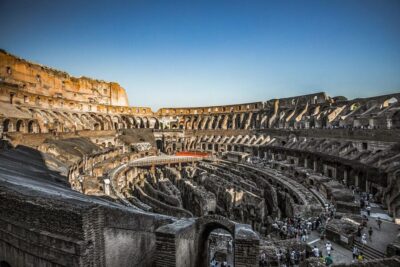
Colosseum: Underground and Ancient Rome Tour
Read our review →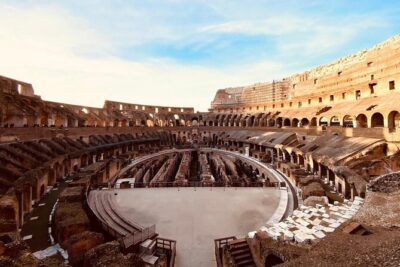
Colosseum with Arena, Roman Forum and Palatine Guided Tour
Read our review →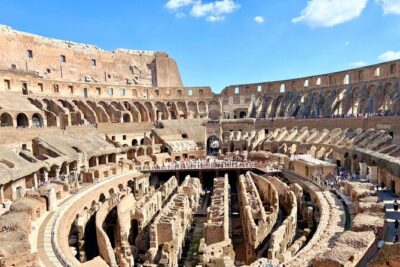
Colosseum with Arena, Roman Forum and Palatine Hill Guided Tour
Read our review →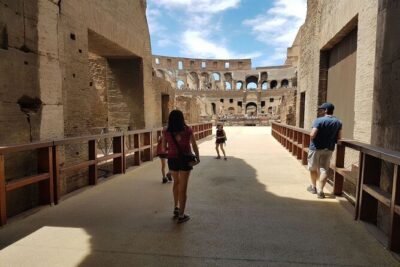
Colosseum & Ancient Rome with Arena Floor Option I Max 6 People
Read our review →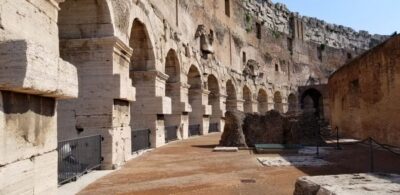
Colosseum, Ancient Rome Tour or AudioGuided Tour
Read our review →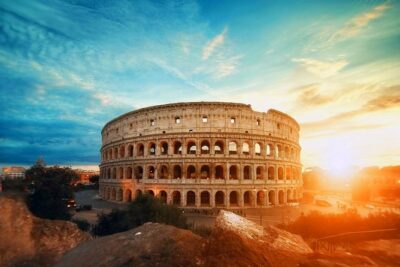
Colosseum Underground & Ancient Rome Guided Tour
Read our review →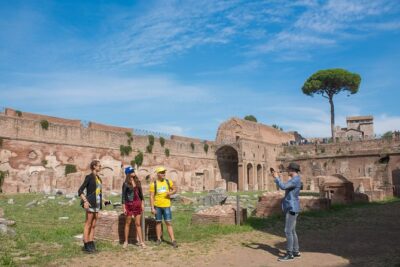
Colosseum Arena, Roman Forum & Palatine Hill Tour
Read our review →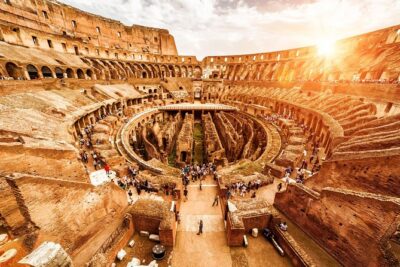
Colosseum, Roman Forum & Palatine Hill Guided Tour
Read our review →Browse the lists this tour appears in