
Review · LUCCA
Enjoyable music tour of the historical city of Lucca
Lucca sings if you know where to listen. This two-hour to two-and-a-half-hour walk ties the city’s churches, piazzas, theaters, and composers together, with music clips played along the way. I especially like the included visit to Teatro del Giglio and the chance to finish at Puccini’s birthplace. The one drawback is that the tour can run longer than expected, so avoid scheduling it too close to a train or lunch reservation.
I also like the mix of famous names and lesser-known local figures, from Giacomo Puccini to Alfredo Catalani and Francesco Geminiani. Guides such as Vittoria, Lucia, Roberta, Paola, and Vittorio have been praised for clear English, warmth, humor, and strong musical knowledge. The meeting instructions deserve care, though: arrive at the theater ticket office by 10:45 a.m. for the 11 a.m. start.
Key points at a glance
- Music brings the streets to life: The guide plays excerpts connected to the buildings, composers, and performances you encounter.
- Teatro del Giglio is an unusual opening stop: You enter the 17th-century theater rather than simply viewing it from outside.
- Puccini’s birthplace is included: The tour ends at the Puccini Museum, with admission covered in the price.
- Lucca’s concert past reaches beyond opera: Piazza Napoleone has hosted David Bowie, Bob Dylan, Elton John, and the Rolling Stones.
- The group can be small: The official maximum is 25 people, though some departures have had only a handful of participants.
- Plan for a relaxed pace: The route covers several central sights and may last closer to two and a half hours.
Why a music tour suits Lucca
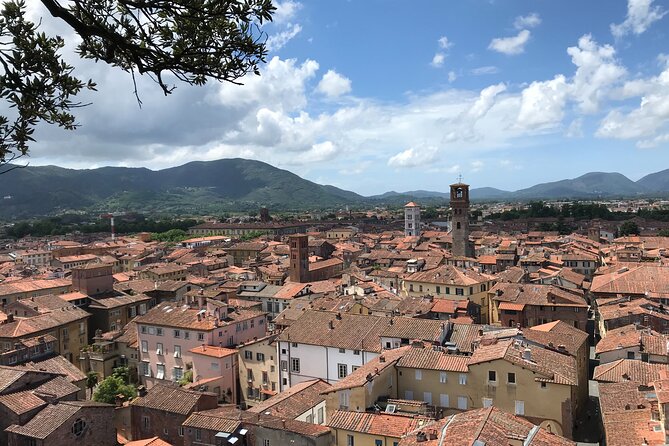
Lucca is easy to admire at street level. Its Roman traces, medieval lanes, churches, and broad piazzas already make a fine walking route. This tour gives those sights a soundtrack and explains how music shaped the city over several centuries.
You do not need to read music or know opera to enjoy it. The guide connects a place with a person and then lets you hear a short piece linked to that setting. That simple approach helps you remember the city. A plaque on a wall becomes the former home of a composer. A church becomes part of a long musical tradition. A square becomes a concert venue with a modern audience.
The route also avoids treating Puccini as Lucca’s only musical son. He is the main attraction, and rightly so, but you also hear about Luigi Boccherini, Niccolò Paganini, Giovanni Pacini, Alfredo Catalani, Francesco Geminiani, and the Puccini family’s work as cathedral organists.
The tour is offered in Italian and English, with English available for international participants. Specific guides vary, but names praised for their engaging approach include Vittoria, Lucia, Roberta, Paola, and Vittorio. Their styles may differ, yet the strongest common thread is the use of music during the walk rather than a long stream of dates and names.
A few more history tours around Italy worth a look
- Colosseum: Underground and Ancient Rome Tour
★ 4.7 · 12,691 reviews - Rome: Colosseum with Arena, Roman Forum and Palatine Guided Tour
★ 4.0 · 5,598 reviews - Venice: St. Mark’s Basilica Guided Tour & VR History Intro
★ 3.9 · 4,880 reviews
Starting inside Teatro del Giglio
Meet by the ticket office of Teatro del Giglio at Piazza del Giglio 13/15. The guide asks participants to arrive at 10:45 a.m., with the tour beginning at 11 a.m. This is worth taking seriously because the theater is the opening stop, not just the place where you gather.
The theater dates to 1675 and gives the tour a fitting beginning. You go inside and learn about the building while listening to excerpts connected with performances held there. That combination is much more useful than a quick exterior photograph. You can consider the theater as a working stage, not simply an old building.
The visit inside lasts about 30 minutes. It is one of the strongest parts of the experience because it offers access to a cultural space that many independent walkers might overlook. The setting also gives the guide a natural way to explain how opera and concert life fit into Lucca’s civic story.
The theater visit is included, but remember that the schedule is approximate. A particularly interested group, or a guide answering many questions, can affect the timing of everything that follows.
Piazza Napoleone and Lucca’s rock concert past
Once outside, the group moves into Piazza Napoleone, directly beside the theater. The square adds a welcome modern note to a route otherwise filled with church music, opera, and composers from earlier centuries.
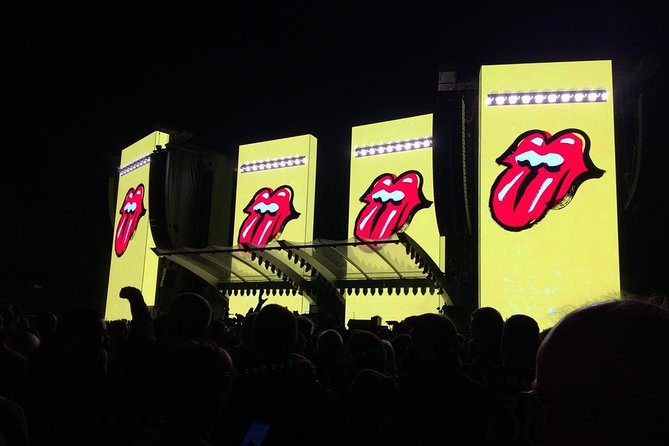
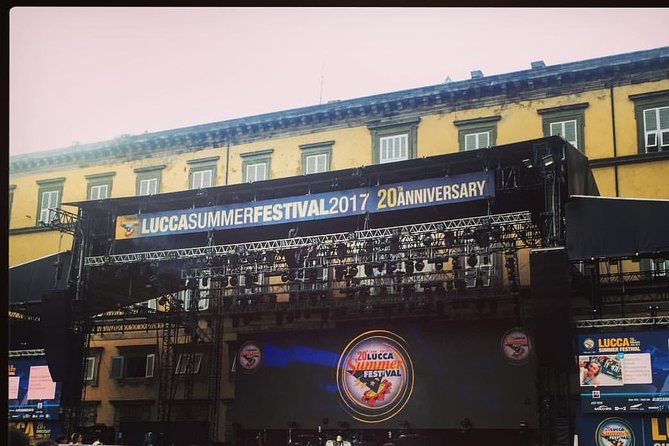
For roughly 15 minutes, the guide explains the concerts held here over the past two decades. The names are familiar even if you do not think of them as part of Lucca’s cultural story: David Bowie, Bob Dylan, Elton John, and the Rolling Stones have all appeared here, along with rock, pop, jazz, and soul performers.
There is no separate admission for this stop. Its value comes from context. You learn that Lucca’s performance life did not end with Puccini or the Baroque period. The same central area has welcomed large modern acts, giving the old city a current musical identity too.
If you are mainly interested in opera, this section may feel less essential than the theater or Puccini Museum. I still find it useful because it prevents the tour from becoming a narrow biography of one composer.
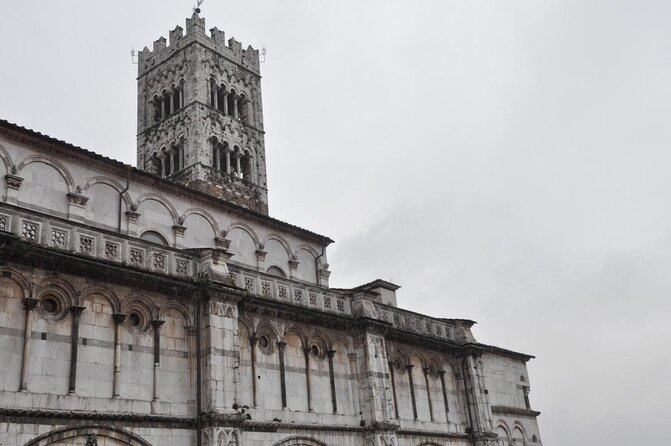
San Giovanni and San Martino, where church music shaped Lucca
The route continues to the Church of San Giovanni and the Cathedral of San Martino. Together, these stops show how religious ceremonies supported musical work in Lucca for generations.
The tour does not simply point out the churches as architectural sights. The guide explains how recurring religious celebrations created a steady demand for musicians and high-quality performances. That gives you a practical reason for Lucca’s long musical tradition.
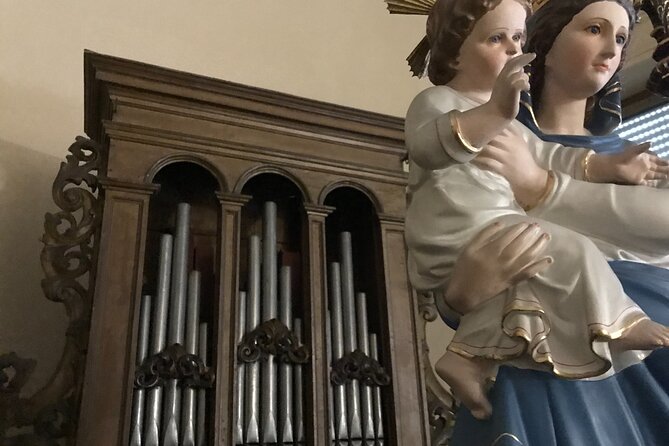
The Puccini family’s connection with San Martino is especially notable. Members of the family served as cathedral organists for 124 consecutive years. This detail places Giacomo Puccini within a family line rather than presenting him as an isolated genius who appeared from nowhere.
This section lasts about 15 minutes. The churches are next to one another, but the tour is still a walking experience, so you should expect explanations from outside and movement through the surrounding streets. The supplied details do not promise interior admission to both churches, so do not plan on a full church tour as part of this segment.
Same place, a different slice of the past:
- Colosseum with Arena, Roman Forum and Palatine Hill Guided Tour
★ 4.5 · 3,526 reviews - Colosseum & Ancient Rome with Arena Floor Option I Max 6 People
★ 5.0 · 3,306 reviews - Rome: Colosseum, Ancient Rome Tour or AudioGuided Tour
★ 4.4 · 2,879 reviews - Colosseum Underground & Ancient Rome Guided Tour
★ 4.5 · 2,590 reviews
Boccherini, the Roman amphitheater, and a slower walk through town
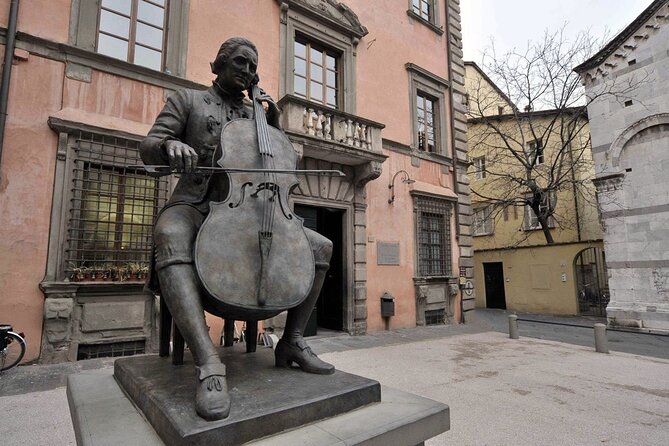
From the cathedral area, the route follows Lucca’s narrow medieval streets toward the conservatory named for Luigi Boccherini, a cellist and composer born in Lucca. The school was founded by Giovanni Pacini in 1842, and Puccini’s father directed it for the two years before his death.
This is an appealing stop for anyone who likes the less obvious side of a city. Puccini receives the headline, but Boccherini and Pacini help show that Lucca’s musical life had several important branches. The guide’s explanation also links education, performance, and family careers.
The route then reaches Piazza dell’Anfiteatro, the oval square built over the footprint of a Roman amphitheater. Gladiatorial contests took place here in Roman times. Today, the space holds markets and performances, including jazz concerts.
The contrast is the point. A Roman arena became a medieval and modern urban space, and music continues to fill it. You get around 15 minutes here, enough to understand the setting and hear about its performance use without turning the tour into a full Roman archaeology lesson.
Piazza dell’Anfiteatro is free to enter. Its shops, cafes, and busy central position can make it one of the more active parts of the route, although the supplied information does not promise free time to browse or sit down.
Paganini, Palazzo Pfanner, and composers beyond Puccini
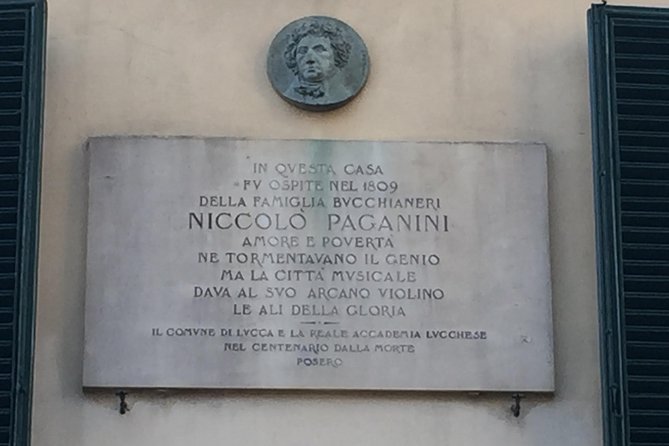
The next section brings in Niccolò Paganini, one of the best-known violinists associated with Lucca. He lived near the route during the first decade of the 1800s, when Elisa Bonaparte, Napoleon’s sister, ruled Lucca. These years helped Paganini’s career gain force.
The guide plays music connected with Paganini, including a serenade written for guitar and violin in Lucca. This is where the tour’s format works particularly well. Instead of only hearing that a famous musician once lived nearby, you hear a piece associated with his time in the city.
The walk continues by Palazzo Controni-Pfanner, whose late-17th-century Baroque garden is described as a three-dimensional stage set. The route passes alongside this residence, but the supplied details do not say that garden admission is included. If you want to visit Palazzo Pfanner itself, treat that as a separate decision and check its opening arrangements.
In Via degli Asili, the guide points out a plaque honoring Alfredo Catalani. You hear notes from his best-known opera, La Wally. Catalani died at 39, so this brief stop also adds a more reflective note to the tour. Lucca’s musical story includes early success, long careers, family traditions, and lives cut short.
This part is scheduled for about 15 minutes, though the music and questions can stretch the pace.
The final walk to Puccini Museum
Near the garden of Palazzo Diodati-Orsetti, another plaque recalls Francesco Geminiani, a violinist and composer who left Lucca for England in the early 18th century. He later spent his final years in Ireland, where he died.
The detail is useful because it shows Lucca as a source of musicians who carried their work abroad. The city’s musical influence was not confined to local churches or Italian stages.
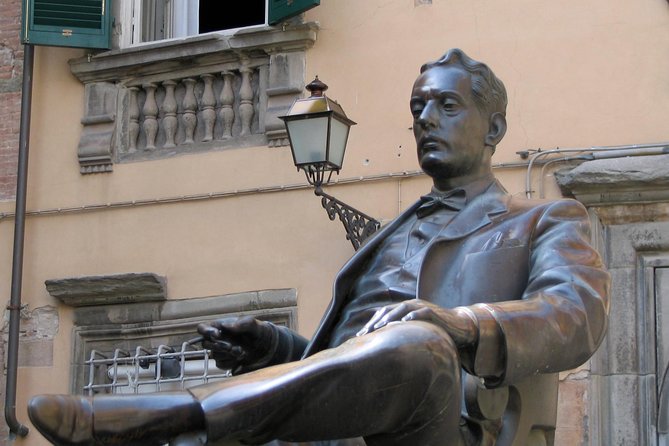
From there, you walk a short distance to Piazza San Michele, considered the center of Lucca. The tour ends nearby at the Puccini Museum, located in the house where Giacomo Puccini was born.
Admission to the museum is included, and the visit lasts about 30 minutes. This is a strong finish because it gives the tour a clear focal point after introducing so many names. Inside, you can expect material connected with Puccini’s life and career. One especially appealing feature is the display of opera costumes.
The museum is not just an extra ticket folded into the price. It helps organize what you have heard during the walk. The Puccini family, the cathedral, the city’s musical training, and the composer’s local identity all come together here.
The endpoint is Corte San Lorenzo 9, near Piazza San Michele. Since the tour begins at the theater and ends elsewhere, you finish in a useful central area rather than returning to the starting point.
What the $35.95 price delivers
At $35.95 per person, the tour offers fair value if you care about music, local culture, or both. The price includes the interior visit to Teatro del Giglio and admission to the Puccini Museum, which are the two paid elements that give the experience its strongest structure.
You are also paying for interpretation, not only entry. A self-guided walk can take you past Piazza Napoleone, the cathedral, the amphitheater, and Puccini’s birthplace. It is harder to understand how Paganini, Boccherini, Pacini, Catalani, Geminiani, and the Puccini family connect without someone arranging the story.
The music clips add another layer of value. Several guides, including Vittoria and Lucia, have been praised for playing pieces as the group moved between locations. That makes the experience more memorable than a standard city walk built entirely around spoken facts.
The main value question is your interest. If you want a fast overview of Lucca’s monuments, two and a half hours may feel long and the music theme may be too specialized. If you like opera, classical music, theater, or cultural history, the included admissions and guided context make the price easier to justify.
Timing, group size, and practical planning
The published duration is approximately two to two and a half hours. One useful warning is that the route may run longer than you expect. Leave space afterward, especially if you have a train, a timed museum entry, or a lunch booking.
The maximum group size is 25 people. Some departures have been much smaller, with reports of four participants or even only two people. A small group should make it easier to ask questions and hear the music, but you cannot count on a private tour.
The route uses Lucca’s central streets and includes several standing explanations. Wear comfortable shoes and bring water, particularly in warm weather. The supplied information does not give a special accessibility rating, although most participants can take part and the meeting point is near public transportation.
The meeting point is by the Teatro del Giglio ticket office, not at the final museum. Arrive at 10:45 a.m. and check the exact meeting instructions carefully. One failed departure was connected to confusion over the meeting location, while the tour itself proceeded for the other participants. That makes early arrival and clear confirmation especially sensible.
Free cancellation is available until 24 hours before the 11 a.m. start time. Changes or cancellations inside that window are not accepted for a refund.
Who will enjoy this Lucca walk
I would choose this tour for anyone who wants more than a checklist of Lucca’s churches and squares. It works especially well for:
- Opera listeners who want to understand Puccini’s connection to his hometown
- Classical music fans interested in Paganini, Boccherini, Geminiani, and Catalani
- First-time visitors who want a guided introduction to central Lucca
- People who enjoy architecture and politics alongside music
- Families with older children who can manage a two-hour walking route
- Visitors who prefer a small-group cultural experience to a large general city tour
The tour is less suitable if you want extensive free time, a dedicated architecture tour, or a quick visit focused only on Puccini. It also may not suit anyone with a tight schedule immediately afterward.
Should you book the Lucca music tour?
Book it if music helps you see a city more clearly. The combination of Teatro del Giglio, central churches, Piazza Napoleone, the Roman amphitheater, composer plaques, and Puccini’s birthplace gives you a thoughtful route through Lucca’s past and present.
I would book this before your final day in town, so you can later revisit the places that caught your attention. Arrive early, allow the full two and a half hours, and keep your plans afterward flexible.
Skip it if your main goal is independent wandering with no fixed schedule. But if you want a friendly guide, well-chosen music clips, included museum admission, and a closer look at the composers connected with Lucca, this is a strong-value cultural walk.
FAQ
Where does the music tour begin?
It begins at the ticket office of Teatro del Giglio, Piazza del Giglio 13/15, Lucca. Participants should arrive at 10:45 a.m. for the 11 a.m. start.
Where does the tour end?
The tour ends at the Puccini Museum, Corte San Lorenzo 9, near Piazza San Michele.
How long does the experience last?
It lasts approximately two to two and a half hours. The route may run longer than expected, so allow extra time afterward.
Is admission to the Puccini Museum included?
Yes. Admission to the Puccini Museum, located in Puccini’s birthplace, is included.
Is Teatro del Giglio included?
Yes. The tour includes an interior visit to Teatro del Giglio, a theater dating to 1675.
What language is the tour offered in?
The tour is bilingual in Italian and English, with English offered for international participants.
Just added around Italy
- Wine tasting in the historical Cantalici winery★ 4.5 · 47 reviews
- Flavours of Lucca, Art, History, Food for Small Groups or Private★ 5.0 · 151 reviews
- 1-Hour Carriage Tour – Historic Center and Renaissance Walls★ 5.0 · 36 reviews
- Lucca Classic – Carriage Tour in the Old Town★ 5.0 · 112 reviews
- We Love Livorno : Cultural Tour★ 4.5 · 26 reviews
- Night Tour in an Ancient Lost City near Lecce★ 5.0 · 35 reviews
- Guided Tour of the Historic Attractions of Lecce Private★ 5.0 · 18 reviews
- Jewish Museum and Ancient Jewish District – Private guided tour★ 5.0 · 104 reviews
Italy History Tours, compared.
Colosseum: Underground and Ancient Rome Tour
Read our review →
Colosseum with Arena, Roman Forum and Palatine Guided Tour
Read our review →
St. Mark’s Basilica Guided Tour & VR History Intro
Read our review →
Colosseum with Arena, Roman Forum and Palatine Hill Guided Tour
Read our review →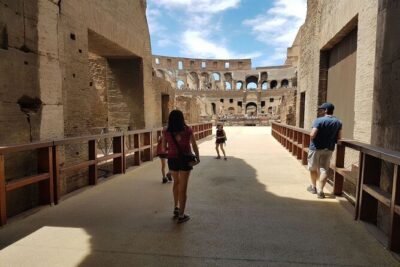
Colosseum & Ancient Rome with Arena Floor Option I Max 6 People
Read our review →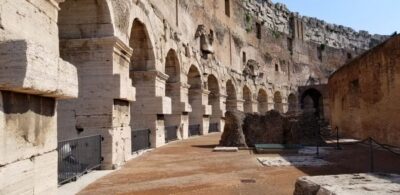
Colosseum, Ancient Rome Tour or AudioGuided Tour
Read our review →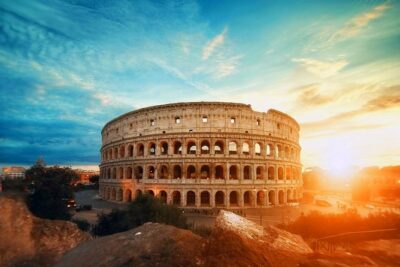
Colosseum Underground & Ancient Rome Guided Tour
Read our review →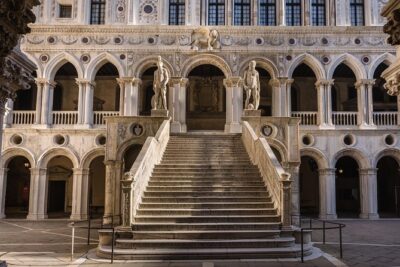
Venice’s Best: Basilica, Doge’s Palace, Gondola & History Gallery
Read our review →Browse the lists this tour appears in