
Review · NORTE REGION
“Porto: Fado Show with Guided Tour in a Historic Monastery”
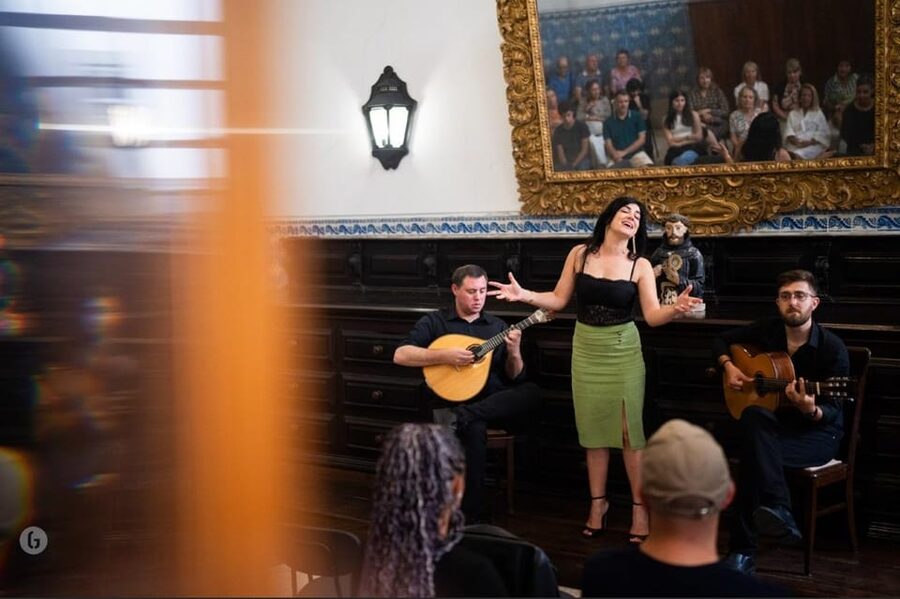
Music sounds different in old stone churches. This 90-minute Porto experience pairs a guided visit to the Monastery of São Bento da Vitória with a one-hour Fado concert, giving you history, architecture, and Portugal’s most emotional music in one compact outing. The monastery is a national monument, and the performance takes place in a quiet chapel setting with striking acoustics.
I like the way the experience connects Fado to Portuguese culture instead of treating the music as a stand-alone show. I also like the generous extras: a glass of Port wine and a tasting of Singeverga liqueur made by Benedictine monks. The main consideration is sound during the monastery tour. One visitor found it hard to hear the guide in the large church, so arriving close to the guide and listening carefully is wise.
For $15 per person, this is unusually good value. You get a historic building, a guided visit, live singer and musicians, two drinks, and access to a shop selling products made by monks. The setting is more memorable than an ordinary performance room, though this is not the right choice if you want a loud, social evening or a full meal.
Key points to know before booking
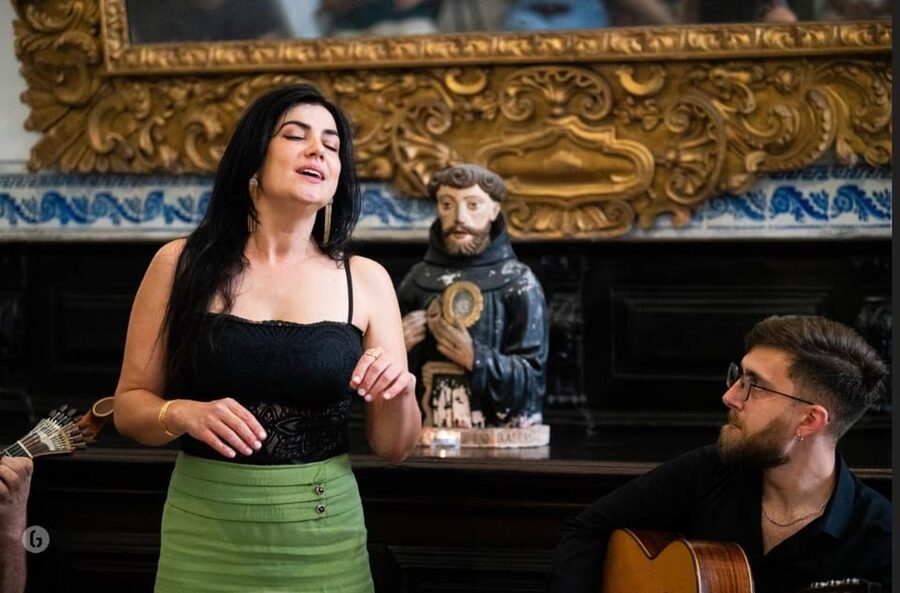
- The music takes place inside a national monument: São Bento da Vitória gives the Fado performance a quiet, atmospheric setting.
- The show lasts one hour: The full experience runs about 90 minutes, with the monastery visit before the music.
- Two Portuguese drinks are included: You receive Port wine and a tasting of Singeverga liqueur made by monks.
- The music uses classic Fado instruments: Expect a Fado singer with Portuguese guitar and Fado viola.
- The tour is small in spirit, even if the exact group size varies: The performance has been praised for its intimate feel and clear emotional focus.
- Use the rear entrance: The entrance is at the back of the monastery, and arrival 10 minutes early is recommended.
Why this Porto experience works so well
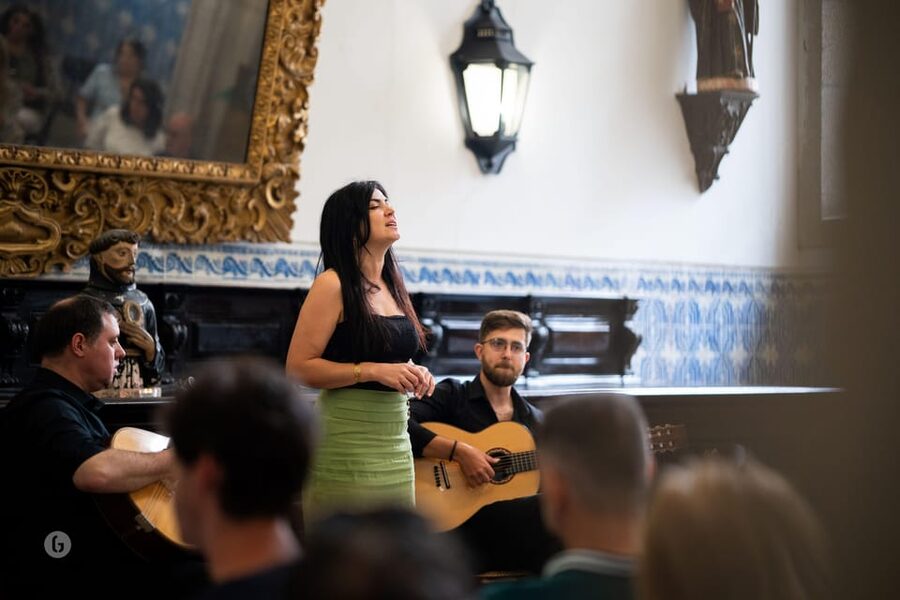
Porto gives you many ways to hear Fado, from formal concert rooms to restaurants and wine cellars. This option has a different appeal. You begin with the building itself, then hear the music in a chapel within that religious setting. The result feels connected to Portuguese life, rather than added on as a tourist extra.
I especially like the balance between information and entertainment. The guided visit gives you a sense of the monastery before the concert begins. Then the music has room to breathe. You are not rushing from a long walking tour into a crowded dinner reservation.
The experience has earned a 4.9 rating from 164 reviews, with especially strong praise for the singer, guitarists, venue, and value. That pattern matters. It suggests the main draw is not one isolated feature, but the way the music and setting work together.
More Medieval History Tours in Porto:
- Prague: Oldtown, Medieval Underground & Dungeon History Tour
★ 4.3 · 10,277 reviews - Prague Old Town, Medieval Underground and Dungeon Historical Tour
★ 4.5 · 3,227 reviews - Templar Tour Convent of Christ & Almourol Castle from Lisbon
★ 5.0 · 704 reviews
Beginning at São Bento da Vitória
The entrance is at the back of the monastery, not necessarily the first place you might look when approaching the building. Give yourself extra time to find it, and aim to arrive 10 minutes before the scheduled start. Late arrival can be awkward in a quiet historic space, especially once the guide has begun speaking.
The monastery visit is conducted in Portuguese and/or English, with Spanish support available from the host or greeter. You may hear the information in more than one language, depending on the group. The guide introduces the monastery and explains its cultural and religious importance before you settle in for the performance.
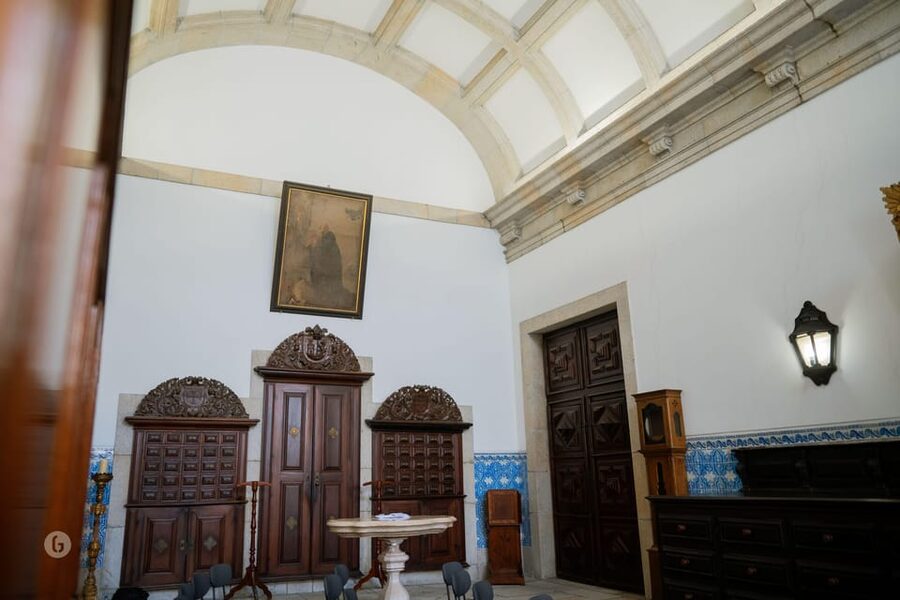
The building itself is a major part of the experience. The church has been praised for its beauty, large organ, and strong sense of place. The architecture is not just a backdrop. Its scale and acoustics shape the music that follows.
One practical point: sound can be uneven in the church. A visitor found it difficult to hear all of the guide’s explanation because the voice did not carry well through the large space. I would stay near the guide and avoid standing toward the back. This is especially useful if the history portion matters as much to you as the concert.
The monastery tour gives the music a setting
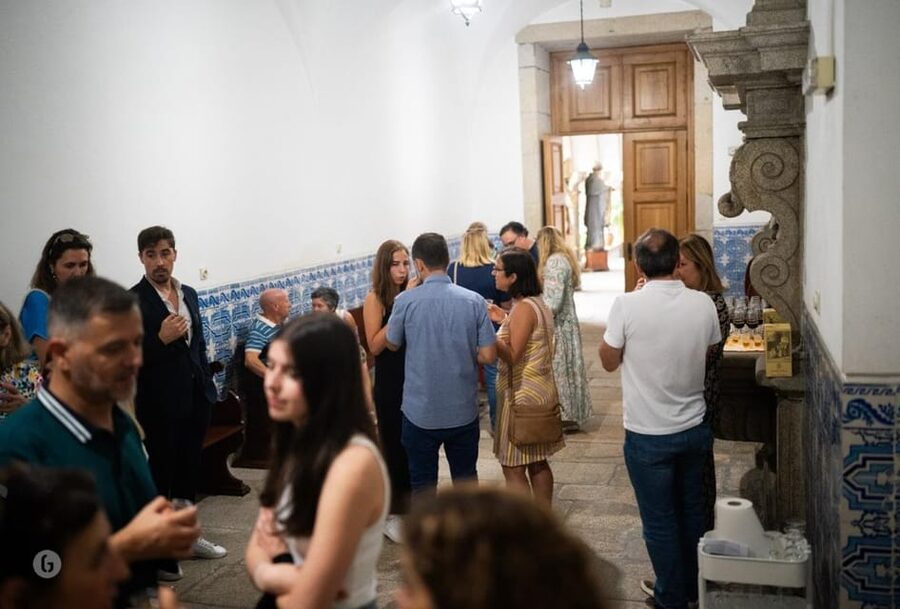
A Fado show in a tavern can feel casual and local. Here, the mood is quieter and more reflective. The monastery’s religious character adds weight to the music, which often deals with longing, sadness, love, and the turning points of ordinary life.
The guide’s role is important. Several comments praise guides who were lively, clear, and able to share interesting facts without burying the group in details. One guide was described as especially funny and insightful. Another was praised for offering a good amount of information without overwhelming the audience.
That is the right approach for a 90-minute activity. You do not need a full academic lecture on Benedictine history. You need enough context to understand the building, the monks, the church, and the cultural setting before the singing begins.
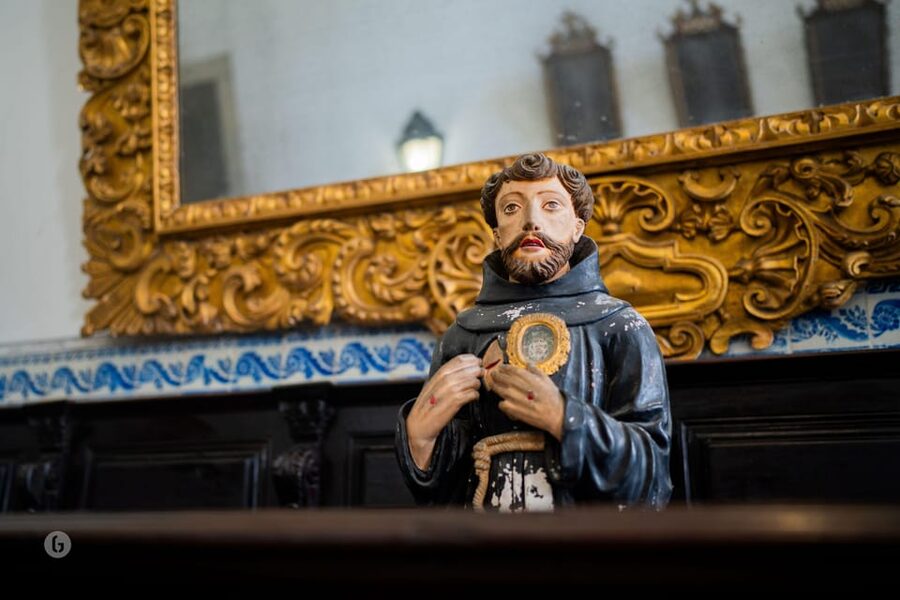
The monastery also gives you a chance to see how religious heritage remains part of present-day Portugal. The Singeverga liqueur is made by Benedictine monks in Portugal, and the experience includes a visit to a shop with products made by monks. This adds a small but interesting link between the building’s religious past and contemporary craft traditions.
The Fado performance in the side chapel
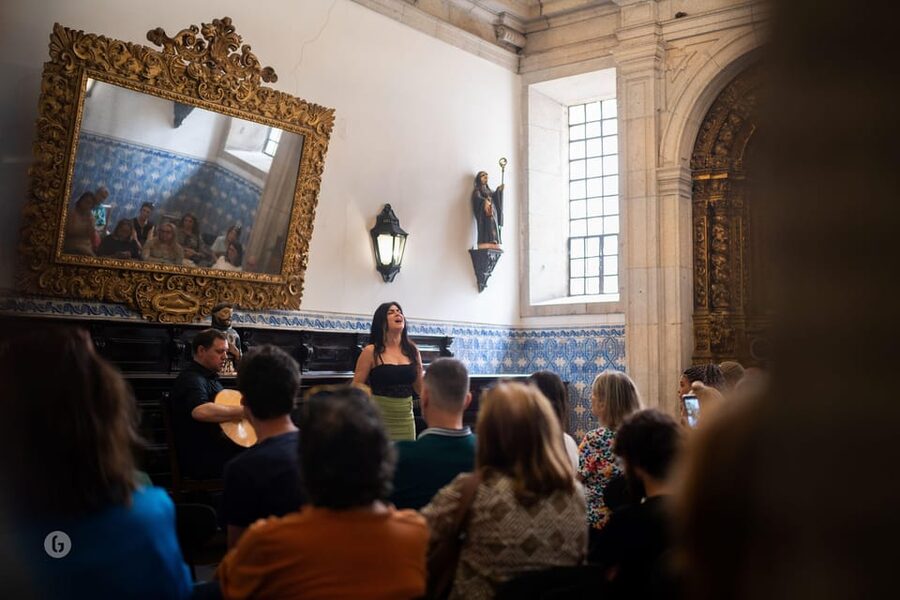
After the tour, you attend the one-hour performance. The music is presented by a Fado singer accompanied by Portuguese guitar and Fado viola. The format is focused and traditional, with the instruments carrying much of the character of the sound.
The Portuguese guitar has a bright, ringing tone that can seem delicate one moment and piercing the next. The Fado viola provides a fuller, steadier base. Together, they give the singer space to shape the songs with feeling rather than force.
The performance area has been described as a small side chapel with beautiful acoustics. That matters. In a huge hall, Fado can lose some of its personal quality. In this setting, the music feels closer and more direct. You can watch the singer and musicians without the distance of a large theater.
The most consistent praise goes to the performers. The singer has been called powerful, lovely, and mesmerizing, while the guitarists have been praised as excellent musicians. Some performances may include a guest singer, but the exact lineup can vary. You should expect traditional Fado rather than a staged musical production.
One thing to keep in mind is that the music may be more emotional than explanatory. If you do not understand Portuguese, you might not know the meaning of every song. One visitor wished there had been more explanation of what the songs were about. If lyrics and translation are important to you, ask the host whether any context is provided before the performance begins.
Still, you do not need to understand every word to appreciate Fado. The voice, pauses, guitar lines, and mood carry much of the meaning. This is music meant to be felt as much as translated.
More Shows in Porto:
- Porto: An Intimate Fado Show in a Historical Tavern
★ 4.8 · 2,055 reviews - Lisbon: Live Fado Show with Port Wine in Historic Center
★ 4.7 · 4,166 reviews - Lisbon: Fado Show with Wine in a Historic Venue
★ 4.8 · 1,294 reviews - 2.5 Hour Philadelphia History Tour with Washington War Tent Show
★ 5.0 · 924 reviews
Port wine and Singeverga liqueur
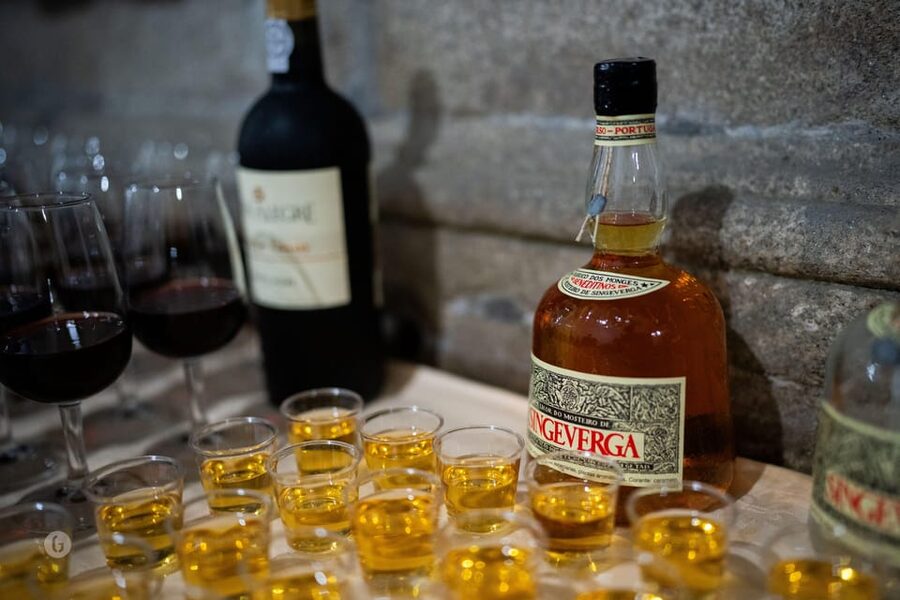
The included drinks are a real strength, especially at this price. You receive a small tasting of Singeverga liqueur and a glass of Port wine. The liqueur is handcrafted by Benedictine monks at Singeverga Monastery in Portugal, giving the tasting a direct connection to the country’s religious traditions.
The timing may vary slightly, but the liqueur is generally offered around the welcome or early part of the experience, while Port is served during the Fado portion or an interval. One visitor who arrived late was still given the missed liqueur later, which suggests the staff can be considerate when delays happen. You should not rely on being late, but it is reassuring to know the welcome is handled with some flexibility.
The Port works especially well with the music. It gives you a familiar taste of northern Portugal while you listen, without turning the event into a wine tasting. Do not expect a meal or a selection of several drinks. Meals and other beverages are not included.
If you do not drink alcohol, the activity may feel less generous because both included refreshments are alcoholic. The listing does not specify nonalcoholic alternatives, so ask the host if that matters to you.
Is $15 good value?
At $15, this is one of the easier Porto activities to justify. A typical Fado performance can cost much more once you add drinks or a meal. Here, your price includes a guided monastery visit, an hour of live music, Port, liqueur, and the shop visit.
The value is strongest if you already plan to explore Porto’s historic center and want an evening activity that does not take up half the night. Ninety minutes is long enough to feel substantial, but short enough to fit around dinner or another nearby plan.
The low price also means you should set reasonable expectations. This is not a grand concert hall production with a long program, detailed song translations, or a full dinner service. It is a compact cultural experience built around place, music, and atmosphere.
For couples, it offers a calm and memorable way to spend time together. For solo visitors, it provides a clear introduction to Fado without requiring you to book a full evening at a restaurant. It also suits first-time visitors who want a quick connection with Portuguese culture.
Who should book this experience?
I would recommend it to you if you enjoy:
- Historic churches and monasteries
- Traditional Portuguese music
- Small performances with a quiet mood
- Cultural activities that combine several elements
- Port wine and unusual local tastings
- Short evening plans with strong value
It is also a good choice if you are unsure about Fado. The monastery tour gives you something to enjoy before the music, and the performance offers a gentle introduction rather than asking you to commit to a full night of singing.
You may want to choose another activity if you need wheelchair access, since the experience is not suitable for wheelchair users. Children under six are not allowed. The no-smoking, no-noise rules also make the atmosphere peaceful, but this is not a party outing. Bachelor and bachelorette groups are not permitted.
Flash photography is forbidden, and you should avoid talking during the music. That is a fair trade for a performance where quiet helps the voice and guitars fill the room.
Practical tips for a smoother visit
Find the rear entrance before your start time. The instructions are simple, but historic religious buildings can have several doors and access points.
Arrive 10 minutes early. This gives you time to check in, find a good position near the guide, and settle before the tour begins.
If hearing the history is important, stay close during the church explanation. The large space can make spoken information hard to catch.
Do not plan on dinner here. The Port and liqueur are tastings, not a meal, and other drinks are not included.
Expect Portuguese and English during the tour, with Spanish available through the host or greeter. The exact language order may depend on the group.
Keep your camera flash off and your phone quiet. The mood depends on stillness, and the monastery is a place where good manners matter.
The activity offers free cancellation up to 24 hours in advance and allows you to reserve now and pay later. Those options help if your Porto plans are still shifting.
Should you book the São Bento Fado show?
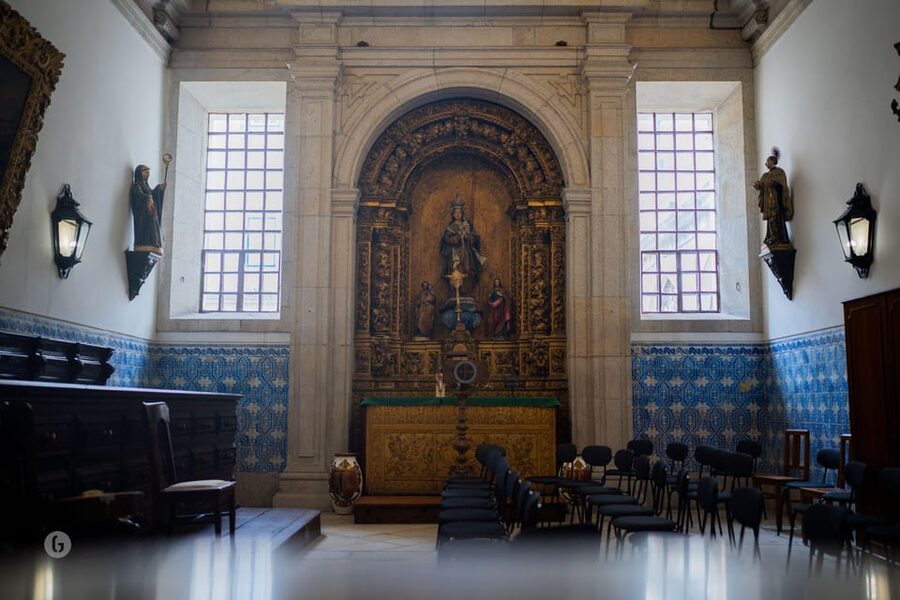
Book it if you want good-value Fado in an unusual historic setting, especially if you prefer a short cultural activity over a long dinner show. The monastery, side chapel acoustics, traditional instruments, and monk-made drinks give the evening more character than a basic concert.
Skip it if you need wheelchair access, want a full meal, or prefer a highly social and informal night. Also, if you want every song translated and explained, you may find the presentation a little light on musical background.
For most visitors, the combination is hard to beat at $15. You get a beautiful building, a useful introduction to the monastery, strong performers, and two distinctly Portuguese drinks. It is a modestly priced experience with a memorable setting, and that is exactly why I would make room for it in a Porto itinerary.
FAQ
How long does the Porto Fado and monastery experience last?
The experience lasts 90 minutes. This includes the guided monastery visit and a one-hour Fado performance.
Where does the Fado performance take place?
The performance takes place inside the Monastery of São Bento da Vitória, in a historic chapel setting within the national monument.
What instruments accompany the Fado singer?
The singer is accompanied by the Portuguese guitar and Fado viola.
Are drinks included?
Yes. The experience includes a glass of Port wine and a tasting of Singeverga liqueur made by Benedictine monks in Portugal.
Is food included?
No. Meals and other drinks are not included.
What languages are available?
The guided tour is conducted in Portuguese and/or English. The host or greeter may also speak Spanish.
Where is the entrance?
The entrance is at the back of the monastery. Arrival 10 minutes in advance is recommended.
Is the experience suitable for children?
Children under six are not permitted.
Is the activity accessible to wheelchair users?
No. The experience is not suitable for wheelchair users.
Just added around Porto
- Porto: Walking Tour Through History, Culture & Amazing Views★ 4.5 · 20 reviews
- Porto: Private & Flexible Walking Tour in Historic Center★ 4.5 · 35 reviews
- Porto: Private Tour to the Historic Center in a Classic Car★ 4.9 · 268 reviews
- Porto Region Museum: a Thousand Years Of History★ 4.2 · 22 reviews
- Porto: Historical Center Walking Tour★ 4.8 · 33 reviews
- PORTO: Historical Walking Tour★ 4.8 · 92 reviews
- Porto: History & Lengends walking tour★ 5.0 · 31 reviews
- Porto: Historic Center Tuk-Tuk Tour★ 4.5 · 244 reviews
Medieval History Tours, compared.
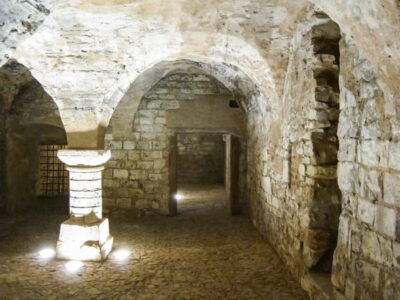
Oldtown, Medieval Underground & Dungeon History Tour
Read our review →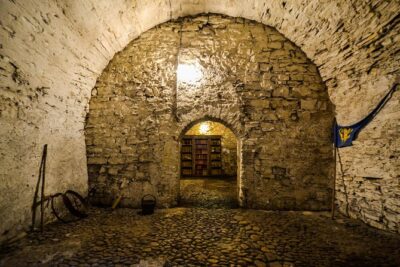
Prague Old Town, Medieval Underground and Dungeon Historical Tour
Read our review →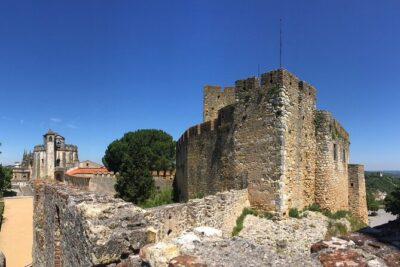
Templar Tour Convent of Christ & Almourol Castle from Lisbon
Read our review →

Barcelona 1.5h Private Old Town, Gothic & Ramblas Walking Tour
Read our review →
Day Trip From Addis Ababa See Historical Monastery,Stunning Nature,Animals,Birds
Read our review →
Stockholm Viking History Full Day Tour to Sigtuna + Uppsala
Read our review →
Tipsy Tapas & History Tour in the Gothic Quarter
Read our review →Browse the lists this tour appears in