
Review · NORTE REGION
Porto Region Museum: a Thousand Years Of History
Porto’s past gets the big-screen treatment. At Porto Region Across the Ages, history arrives through video mapping, film, sound, and a life-size tram replica rather than a row of dusty cases. I like the clear sense of place, from Porto’s ancient beginnings to its wine trade and worldwide influence, and I like that you can set your own pace with an audio guide.
The cinematic presentation is the other strong point. The film gives the museum an emotional center, while the projected scenes help explain how Porto shaped Portugal. The main drawback is that some information requires a fair amount of reading, and the layout may feel confusing if you expect to follow a simple left-to-right route.
Key points to know before visiting
- A 1,000-year story in one stop: The museum connects Porto’s origins, national role, wine fame, and international reach.
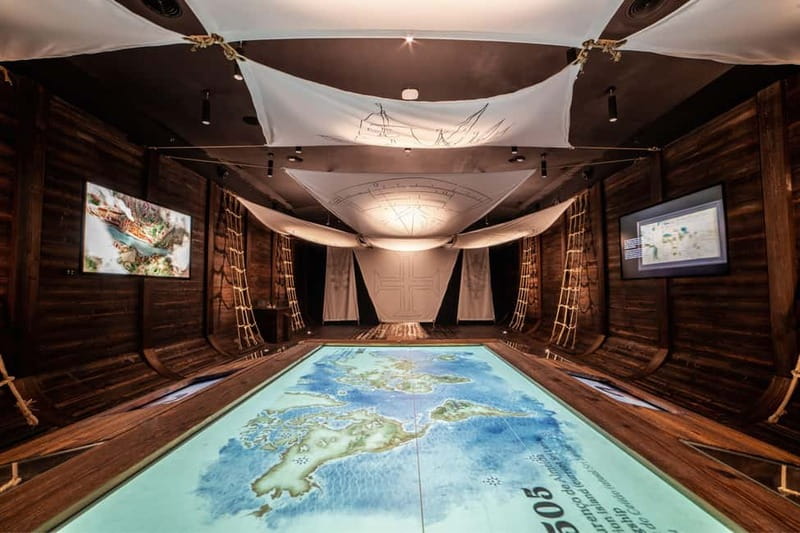
- Video mapping does the heavy lifting: Large-scale projections turn historical subjects into a more memorable visual experience.
- The film is a highlight: The cinematic section offers a welcome pause from reading and helps tie the story together.
- The tram replica is made for a photo: You can sit or pose on a life-size reproduction of Porto’s beloved streetcar.
- Audio support is included: Portuguese, English, Spanish, French, Korean, and German are listed as available languages.
- Flexible timing helps: The ticket can be used anytime on your selected date during opening hours, from 10:00 AM until 7:00 PM.
Entering Porto’s story at the WOW cultural district
Porto Region Across the Ages is part of The World of Wine, known as WOW, in the Norte region of Portugal. You show your ticket directly at the museum entrance, with no hotel transfer or transport service included.
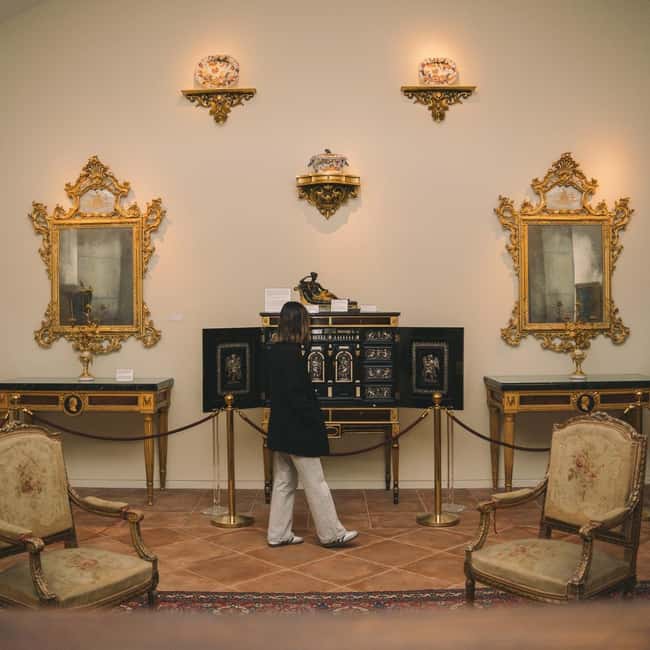
The setting matters. The attraction occupies an area with an old warehouse character, which fits a museum about Porto’s commercial past. The architecture gives the visit a useful connection to the city’s riverfront trade and wine identity before the first projection even begins.
At $18 per person, this is not Porto’s cheapest cultural stop. Still, the price can make sense if you want a single, polished introduction to the city rather than several small museums. You are paying for an audio-visual production with film, mapped projections, and interactive presentation, not simply for access to display cases.
I would treat it as a first stop, especially if Porto is new to you. The attraction gives you names, themes, and turning points that can make later walks through the city more meaningful. It is less useful if you want a quiet museum devoted mainly to original objects, documents, or detailed academic displays.
More Museum and Gallery History Tours in Porto:
- Paris: Louvre Museum Entry with History of Mona Lisa
★ 3.9 · 2,823 reviews - Venice’s Best: Basilica, Doge’s Palace, Gondola & History Gallery
★ 4.5 · 2,478 reviews - Guided African American History Tour with Reserved Museum Entry
★ 4.5 · 1,180 reviews
The opening story: Porto before the postcards
The experience begins with Porto’s long past, reaching back to its ancient origins. The presentation then moves across the centuries, showing how the city grew into an important part of Portugal’s national story.
The strength here is scale. Instead of focusing on one ruler, one building, or one battle, the museum tries to show how a place changes over time. You meet pioneers, conquerors, visionaries, and ordinary people who helped shape the city. That broad cast keeps Porto from being reduced to port wine, tiled churches, and pretty river views.
You should expect information to come through both text and audio-visual displays. One useful tip is to give yourself time to read rather than rushing from one room to the next. The content is informative, but it is not always a quick glance experience.
The route through the rooms may take a little getting used to. The information is not always arranged in the reading direction you may expect, and the flow can feel less obvious than the story itself. If you find yourself unsure where to begin, pause and look around the full room before choosing a panel or projection.
Video mapping brings old events to life
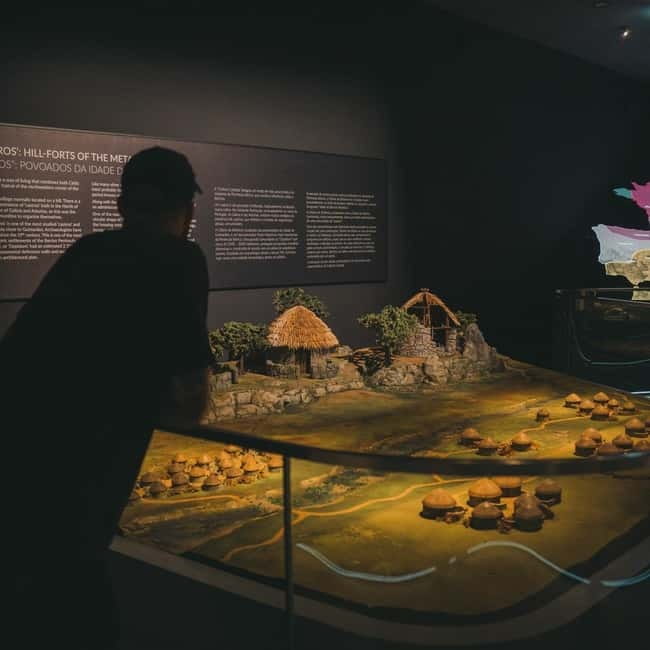
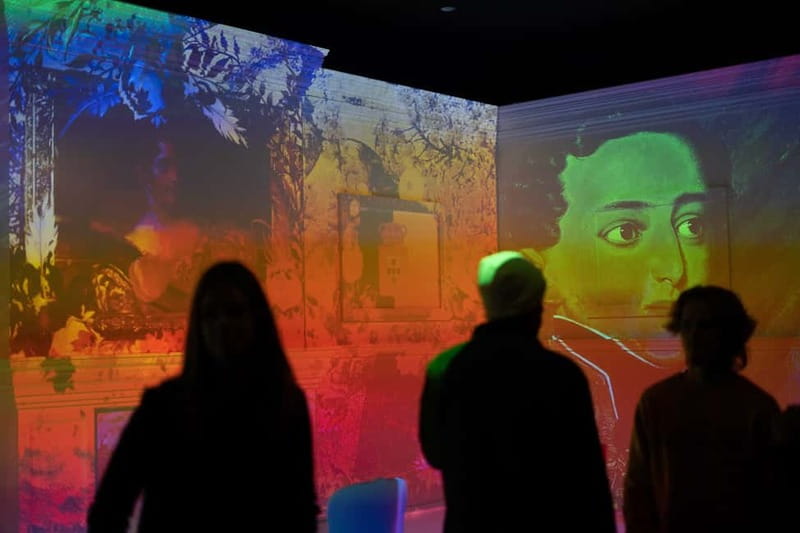
The museum’s video mapping is its most modern feature. Images are projected across surfaces to create movement, atmosphere, and a stronger sense of change across time.
This approach works best when you already know very little about Porto. A map, date, or name on a wall can be easy to forget. A carefully timed image sequence gives the same information a visual shape, helping you connect the city’s development with its wider role.
I would not expect a theme-park ride. This is still a museum, and some sections demand attention. The projections are there to support the historical story, not replace it. You will get more from them if you listen to the audio guide and read the nearby explanations instead of treating the room as a quick photo stop.
The presentation also makes this a good choice for mixed groups. A history enthusiast can focus on the dates and political changes, while someone less interested in long labels can follow the film and projections. That balance is one reason the museum feels more accessible than a traditional text-heavy display, even though there is still plenty to read.
Porto’s role in shaping Portugal
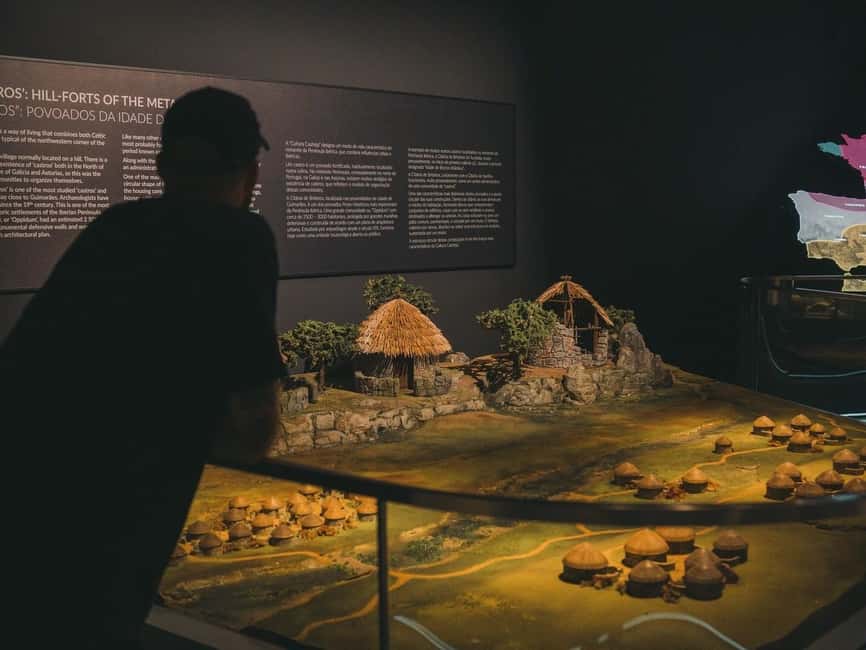
A central idea is Porto’s role in the formation and development of Portugal. The museum presents the city not as a side note to Lisbon or a scenic northern outpost, but as a place with its own political, commercial, and cultural weight.
The story includes periods of conflict, ambition, trade, and change. You encounter the people who pushed the city forward, as well as the everyday residents whose lives formed the human side of the story. That combination keeps the presentation from becoming a list of famous names.
One detail that can add meaning for visitors from the United Kingdom is Porto’s long alliance with Britain. The relationship is part of the city’s wider international story, especially when you consider the trade connections that helped shape its economy and identity.
The museum’s tone is proud, but it also shows resilience. Porto is presented as a city that adapted through difficult periods and kept its character. You may find this especially useful before exploring neighborhoods where old commercial buildings, churches, and riverfront warehouses tell parts of the same story in physical form.
A few more history tours around Porto worth a look
- Douro Valley: Historical Sites, Wine Experience, Lunch & Cruise
★ 5.0 · 5,133 reviews - Porto: An Intimate Fado Show in a Historical Tavern
★ 4.8 · 2,055 reviews - Porto: Historic City Center Walking Tour
★ 4.7 · 1,172 reviews - Porto: Private Tour of the Historic City in a Ford T Car
★ 4.8 · 932 reviews
From trade to world-famous wine

The later story connects Porto with wine, the product most strongly linked with the city’s name around the world. The museum places wine within a much larger account of trade, shipping, work, and international exchange.
That context is valuable. It helps you see port wine not only as something to taste in a cellar, but also as a force that affected the city’s economy and connections abroad. The museum does not ask you to choose between culture and commerce. It shows how closely the two were tied.
If you are visiting WOW for other wine-related attractions, this museum can work as an introduction. It gives the broader civic background before you focus on vineyards, production, or tasting. If you are not interested in wine, the attraction still has plenty to offer, since the story begins long before Porto’s international wine fame.
The display is also a useful reminder that Porto’s identity is layered. The city is not just its river, bridges, or famous drink. Its character comes from centuries of work, contact with other countries, local pride, and repeated adaptation.
The cinematic theatre gives the visit its emotional center
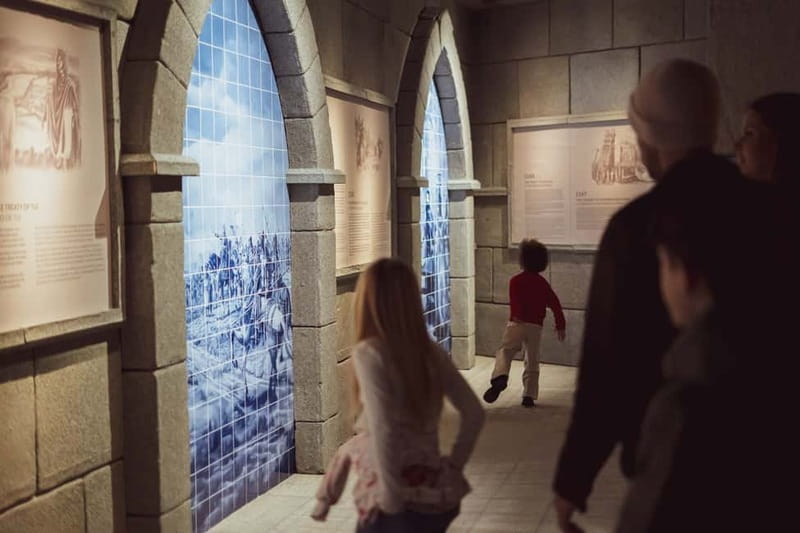
The cinema section is likely to be the easiest part of the experience to enjoy. It gathers the themes from the surrounding rooms into a more direct visual story about Porto and Portugal.
A film can do what labels sometimes cannot. It can connect people, places, and time in a short stretch, giving you an overall sense of the city before you return to the finer details. The museum’s film has been especially well received, and I can see why it works as a break from reading.
Use this section as a chance to reset your attention. If you have been studying text panels closely, the cinematic journey lets you absorb the story in a more relaxed way. If you have skipped some labels, it may also help you recover the main thread.
The film should not be your only reason to pay the admission price, though. It is one part of a larger visit, and the museum’s value comes from the combination of theatre, projections, historical information, and physical displays.
The life-size tram is the playful finish
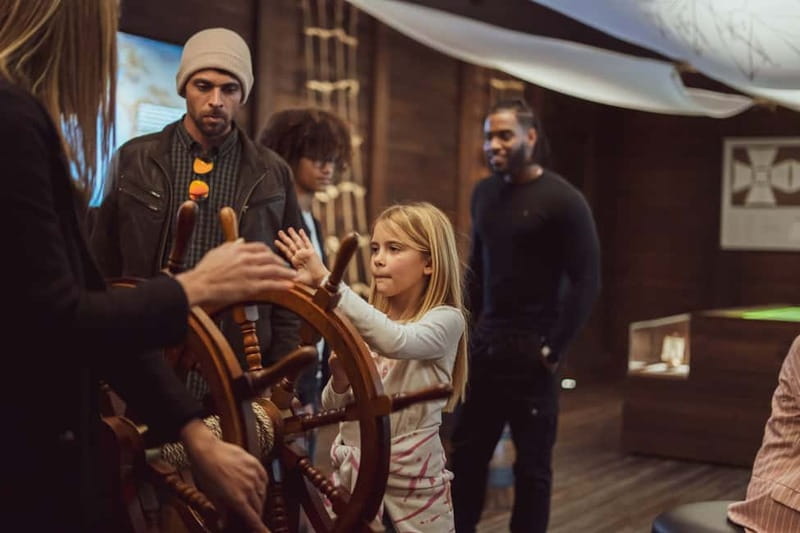
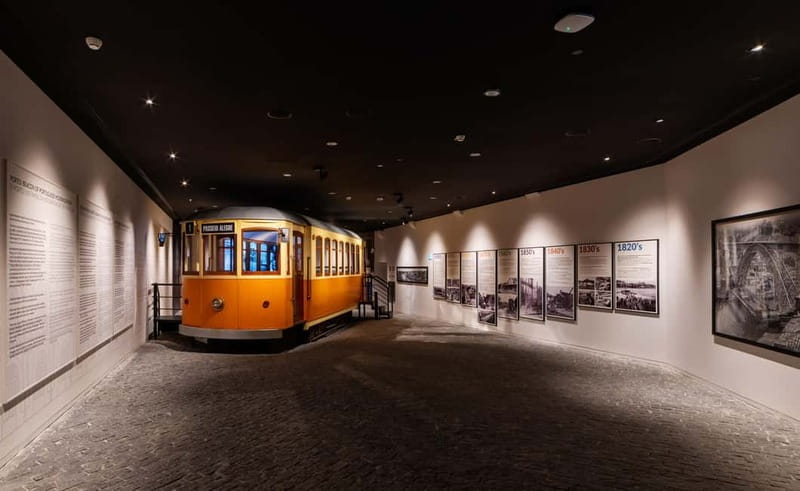
The full-size replica of Porto’s iconic tram adds a lighter note. You can step onto it and take a photo, giving the museum a memorable physical feature after so much screen-based storytelling.
This is more than a decoration. The tram connects the historical presentation with the Porto you see outside. Even if you do not ride one during your stay, the replica gives you a familiar city symbol and a simple way to picture daily life in Porto.
For families, the tram may be the point that keeps younger visitors interested. For adults, it offers an easy photo opportunity without breaking the museum’s theme. The attraction can be serious about history without taking itself too seriously.
Do not expect a full transport museum. The tram is one feature within the wider experience, not a large collection of vehicles. Its value is in the connection it creates between the city’s public image and its changing urban life.
Audio guides, reading, and the practical pace
An audio guide is included, with Portuguese, English, Spanish, French, Korean, and German listed as available languages. That range makes the museum useful for international visitors, and you should choose your language before you get too far into the displays.
The audio system may require a QR code or digital access, so keep your phone ready and allow a moment to work through the instructions. If the audio does not start immediately, ask the staff rather than assuming the exhibit has no translation. Clear support matters here because some of the written information is substantial.
Plan on at least 90 minutes if you want to see the main presentation without hurrying. The ticket is also valid for use anytime on your selected date during opening hours, so you have the option of taking longer if the schedule allows.
The museum is open daily from 10:00 AM until 7:00 PM, with last entrance listed at 7:00 PM. Bank holiday hours may change, so check the official website before setting out. Since there is no pickup or drop-off, you need to arrange your own way to WOW.
The attraction is wheelchair accessible. That is useful for visitors who need step-free access, though the supplied information does not describe every surface, restroom, or seating point. If you need a specific accessibility detail, confirm it with the museum before arrival.
Who gets the most from this museum?
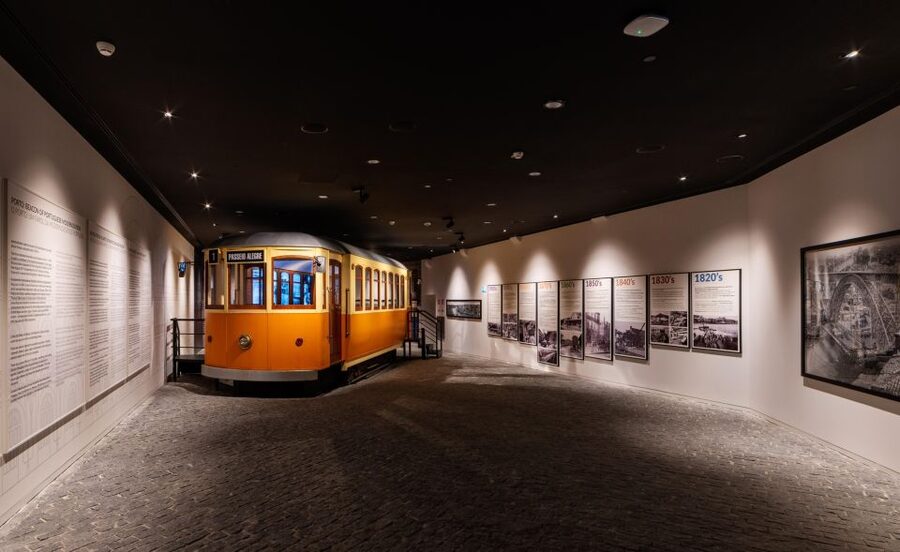
I would recommend Porto Region Across the Ages to anyone visiting Porto for the first time and wanting a broad introduction before sightseeing. The mix of film and projections gives you an efficient overview without requiring a full day of reading.
It is also a good fit for families and mixed-age groups. The tram, cinema, and moving images provide variety, while the historical material gives adults something more substantial to follow.
History enthusiasts should know what they are getting. The museum offers a wide story with engaging presentation, but it may not satisfy you if you want a highly detailed study of specific events or a large collection of original artifacts. The experience is designed to make Porto’s story understandable and memorable, not to replace a specialist archive.
I would be more cautious if you dislike screens, prefer quiet galleries, or find uneven room layouts frustrating. The reading direction and route are not always intuitive, and the staff experience can vary. One visitor had trouble finding translated audio after scanning the QR code, while also finding the ticket price high for the amount of traditional museum material.
That criticism is fair to keep in mind. At $18, the attraction needs to deliver more than attractive projections. For many people, the strong film and engaging presentation will justify the cost. For others, especially those focused on original objects, the value may feel limited.
My verdict on Porto Region Across the Ages
Book this museum if you want a polished, visual introduction to Porto’s past and plan to visit other WOW attractions. The combination of a thousand years of story, cinematic presentation, video mapping, multilingual audio, and the tram replica gives you plenty to see in a compact visit.
I would schedule it early in your Porto stay. You will leave with a better sense of the city’s resilience, international connections, and wine economy, which can sharpen your appreciation of the streets and riverfront afterward.
Skip it if your priority is a traditional collection of artifacts or a deep study of one historical period. At $18, it is best value for curious visitors who enjoy film, projection, and storytelling. For that audience, it is an informative and entertaining first look at the city.
FAQ
Where is Porto Region Across the Ages located?
The museum is in the Norte region of Portugal, within The World of Wine complex. You show your ticket directly at Porto Region Across the Ages.
How much does admission cost?
The listed price is $18 per person.
How long does the experience take?
The stated duration is 90 minutes to one day. You may use your ticket anytime on the selected date during museum opening hours.
What are the opening hours?
The museum is open daily from 10:00 AM until 7:00 PM, with last entrance at 7:00 PM. Hours may vary on bank holidays.
Which languages are available for the audio guide?
The audio guide is listed in Portuguese, English, Spanish, French, Korean, and German.
Is the museum wheelchair accessible?
Yes, Porto Region Across the Ages is listed as wheelchair accessible.
Can I cancel my booking?
Yes. You can cancel up to 24 hours in advance for a full refund. The reserve-now, pay-later option is also available.
Just added around Porto
- Porto: Walking Tour Through History, Culture & Amazing Views★ 4.5 · 20 reviews
- Porto: Private & Flexible Walking Tour in Historic Center★ 4.5 · 35 reviews
- Porto: Private Tour to the Historic Center in a Classic Car★ 4.9 · 268 reviews
- Porto: Historical Center Walking Tour★ 4.8 · 33 reviews
- PORTO: Historical Walking Tour★ 4.8 · 92 reviews
- Porto: History & Lengends walking tour★ 5.0 · 31 reviews
- Porto: Historic Center Tuk-Tuk Tour★ 4.5 · 244 reviews
- From Porto: Full-Day Douro Historical Tour★ 4.6 · 120 reviews
Museum & Gallery History Tours, compared.
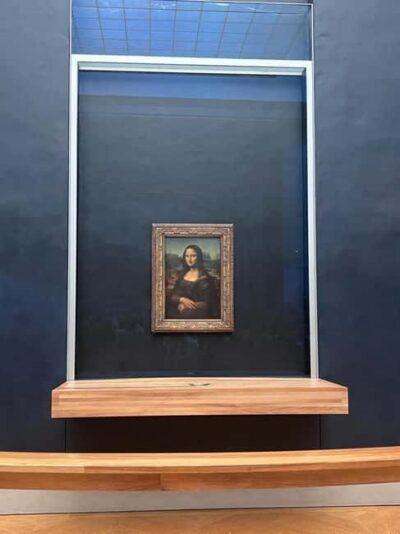
Louvre Museum Entry with History of Mona Lisa
Read our review →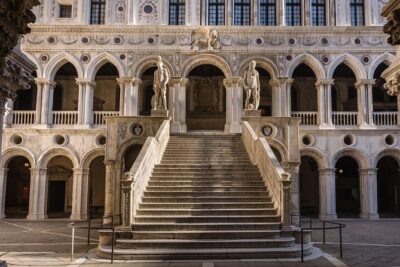
Venice’s Best: Basilica, Doge’s Palace, Gondola & History Gallery
Read our review →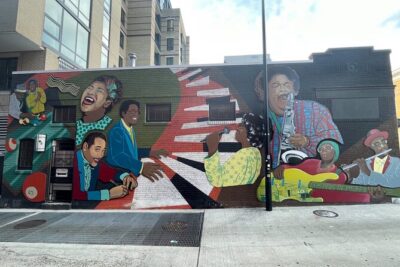
Guided African American History Tour with Reserved Museum Entry
Read our review →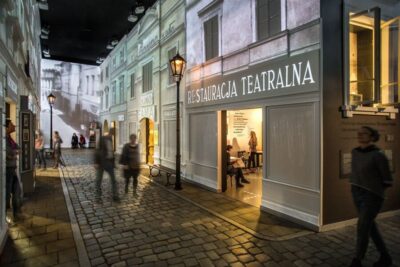
POLIN Museum of the History of Polish Jews Ticket
Read our review →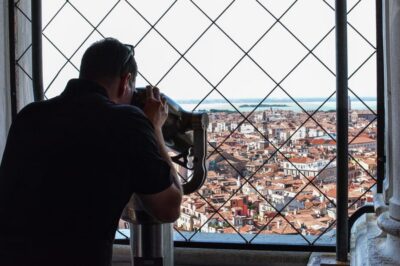
Bell Tower & St Mark’s Square History Gallery Ticket
Read our review →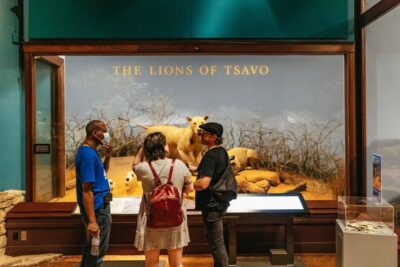
Field Museum of Natural History Ticket or VIP Tour
Read our review →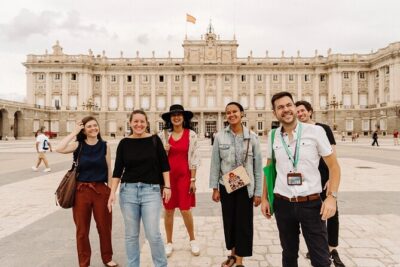
Madrid in a Day Tour:Royal Palace, Historic Center & Prado Museum
Read our review →
Basilica, Doge’s Palace, History Gallery & Bell Tower Option
Read our review →Browse the lists this tour appears in