
Review · TUSCANY
Medici Dynasty History Museum Ticket
Florence keeps its family secrets well. I like this museum for two clear reasons: it brings the Medici story together with holograms, original documents, relics, and reconstructed objects, and it places that exhibition inside Brunelleschi’s remarkable Rotonda. The museum also offers a small botanical surprise in its winter garden, a reminder that the Medici collected plants and ideas as eagerly as paintings.
The main caution is practical: the ticket system may show availability when the museum is closed. One confirmed booking for January 2, 2026 resulted in a closed-door visit and a frustrated attempt to request a refund. Check the opening date and time carefully before you pay.
Key points to know before you go
- Brunelleschi’s Rotonda: You enter one of Florence’s unusual Renaissance buildings, begun in 1437 and left incomplete for centuries.
- A Medici story told through objects: Expect art, antiquities, historical relics, original documents, reconstructions, holograms, and multimedia displays.
- The family timeline: The museum connects figures from Cosimo the Elder and Lorenzo the Magnificent to Cosimo I and the Electress Palatine.
- A botanical corner: The winter garden reflects the Medici interest in botany, not just politics and art.
- Flexible ticket validity: The ticket is valid for two months, giving you room to fit the museum into a changing Florence schedule.
- Price and protection: At $14 per person, the ticket is reasonably priced, with free cancellation up to 24 hours before the visit, but you should verify closure information first.
Why the Medici story works best in this setting
The Medici family is not a minor footnote in Florence. Their money, politics, collecting, and patronage helped shape the city into the center of the Renaissance. A museum devoted to them could easily become a parade of famous names. Here, the setting gives the story a stronger frame.
The Museo de’ Medici occupies the Rotonda Brunelleschi, a building with its own long and unusual past. Filippo Brunelleschi designed and began the rotunda in 1437. The building was modeled on the Roman Pantheon and was intended to serve as part of a major humanistic library.
That library was connected with some of the best-known Medici figures. Cosimo the Elder, Lorenzo the Magnificent, and later Pope Leo X were linked to the intellectual world that gathered around it. You are not simply looking at a family exhibition in an anonymous gallery. You are standing in a place tied to the ideas, books, and ambitions of Renaissance Florence.
The building remained unfinished for about five hundred years. It later served as the first home of the Academy of Arts and Drawing under Cosimo I, Grand Duke of Tuscany. In the nineteenth century, sculptor Enrico Pazzi created the famous statue of Dante now seen in Piazza Santa Croce.
That long chain of uses makes the visit more interesting than a standard palace display. The rotunda has been a library setting, an academy, an artistic space, and now a museum. Each stage helps explain why this building matters.
More Museum and Gallery History Tours in Italy:
- Venice’s Best: Basilica, Doge’s Palace, Gondola & History Gallery
★ 4.5 · 2,478 reviews - Venice: Bell Tower & St Mark’s Square History Gallery Ticket
★ 4.3 · 910 reviews - Basilica, Doge’s Palace, History Gallery & Bell Tower Option
★ 5.0 · 586 reviews
Entering Brunelleschi’s unfinished rotunda
The rotunda is the first major attraction, even before you study a single Medici object. Its Pantheon-inspired design connects Florence with ancient Rome, while its incomplete history adds a touch of drama. Five centuries is a long time to wait for a building to find its purpose.
The museum reopened the rotunda after twenty years of closure. That detail matters because access to this monument has not always been simple. Your ticket gives you a chance to see a place that spent a long period away from the public.
I would take a moment to look at the building before focusing on the displays. The room’s shape and history provide useful context for the exhibition. You can think of the rotunda as the first object in the museum, even though it is also the container for everything else.
The connection to the Pantheon also helps explain the Medici taste for grand statements. The family used architecture, art, scholarship, and ceremony to present power. A circular, classical building is a fitting home for a story about a family that looked backward to antiquity while helping create the Renaissance.
Following the Medici family from Cosimo to the Electress Palatine
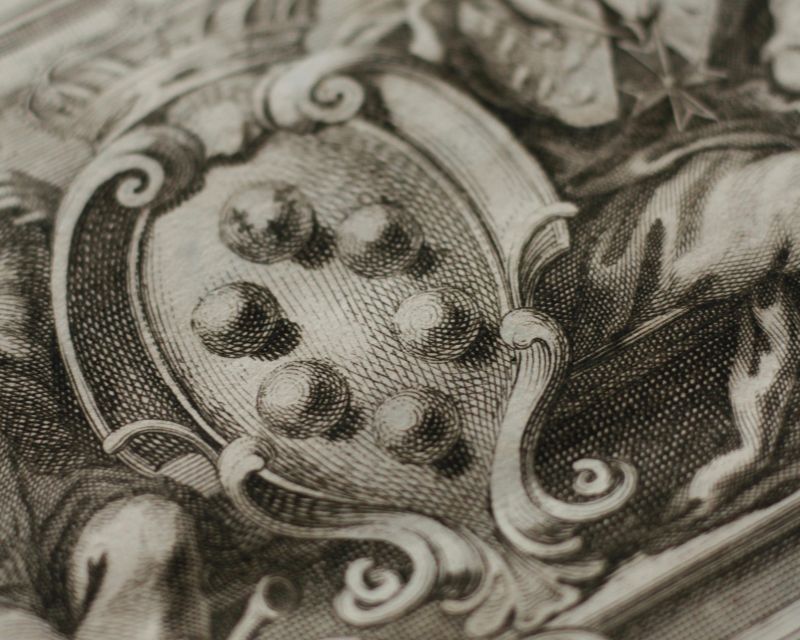
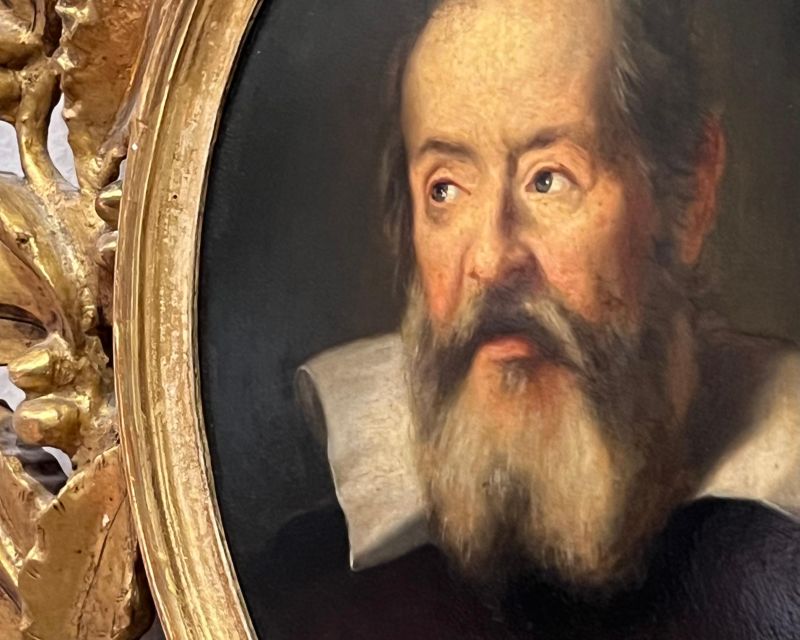
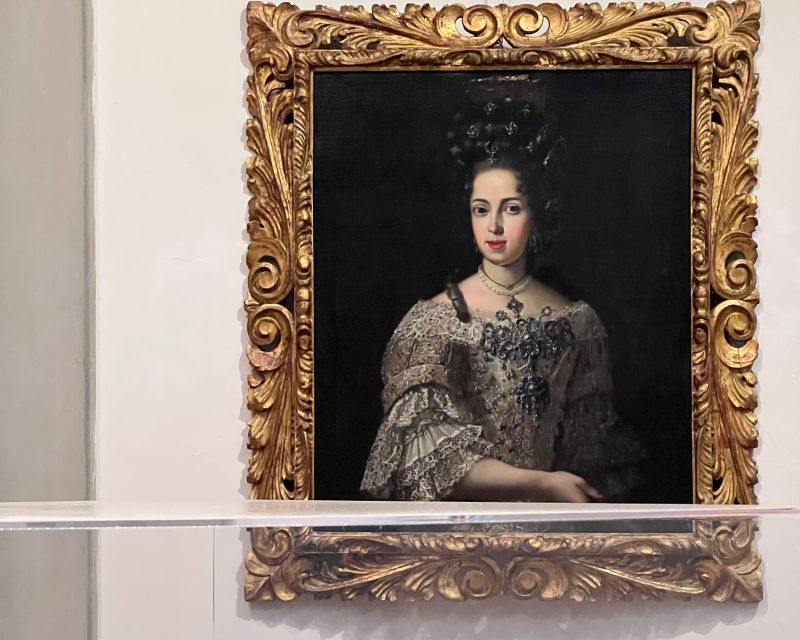
The exhibition covers a broad span of Medici history. You can expect references to Cosimo the Elder, Lorenzo the Magnificent, Cosimo I, and the Electress Palatine. These names represent different phases of the family’s influence, so the museum is not limited to one ruler or one generation.
Cosimo the Elder and Lorenzo the Magnificent are tied to the family’s role as patrons of culture and learning. Cosimo I represents the political and governmental power of the grand duchy. The Electress Palatine points to the later preservation and transmission of the family’s memory.
This range is useful because it shows the Medici as more than wealthy art collectors. They were political operators, patrons, rulers, scholars, and collectors. The museum’s purpose is to connect those roles through objects and stories rather than treating them as separate subjects.
You may also encounter anecdotes and curious details about the ancient rulers of Tuscany. Those smaller stories can make the family feel less remote. Dates and titles explain power, but personal habits, oddities, and lesser-known details often make a historical family easier to remember.
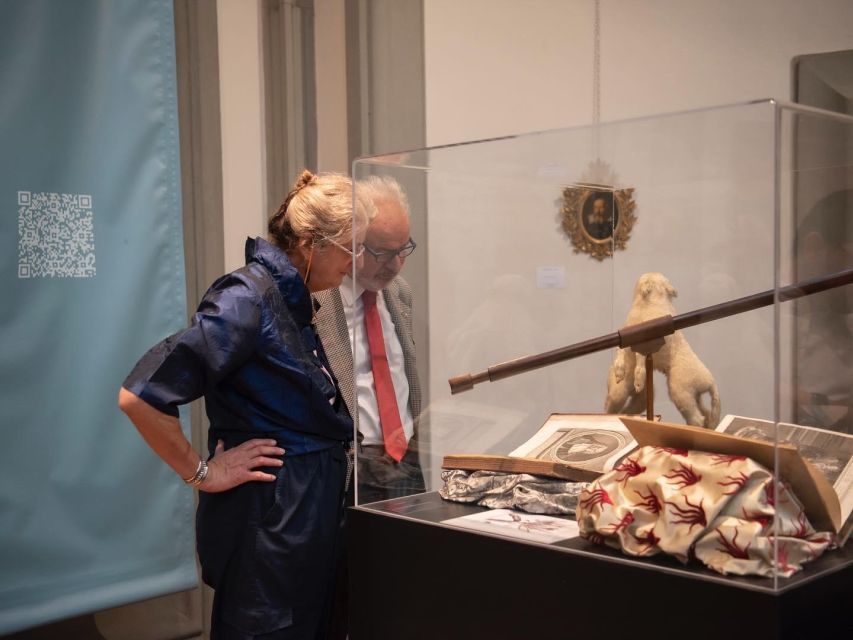
The museum presents the Medici story through precious collections, historical relics, original documents, and faithful reconstructions. The mix should appeal to you if you like history with physical evidence. A document can show how an institution worked. A relic can make a political period feel more tangible. A reconstruction can help when the original object or setting no longer survives.
How holograms and multimedia change the visit
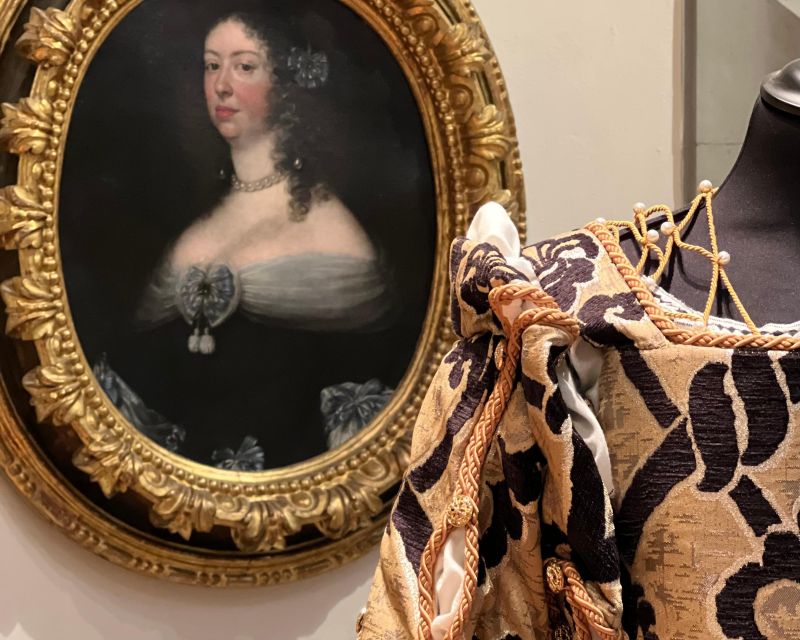
Traditional museum displays can leave you staring at labels and trying to assemble a complicated family tree. The Medici museum adds holograms and multimedia installations to make the material easier to follow.
That technology is most useful when it explains people, places, and events that are difficult to show with a single object. A hologram can add a face or voice-like presence to a historical figure. A multimedia display can connect a document, a building, and a political event without requiring a long wall of text.
I like this approach for a dynasty museum because the Medici story is crowded with names. Technology can give the exhibition a clearer rhythm. You move from an object to a reconstruction, then to a digital presentation that adds context.
Still, the technology should be treated as support, not the entire reason to visit. The real value lies in the combination of the displays and the Rotonda itself. If you prefer only original paintings and sculptures, the multimedia elements may feel less important. If you enjoy visual storytelling, they should make the family history easier to grasp.
The museum also includes temporary art exhibitions. Their exact content can change, so they are an added reason to check what is on display during your two-month ticket period.
More Entry Tickets in Italy:
- Taormina: Ancient Theater Skip-the-Line Ticket & Audio Guide
★ 4.5 · 2,412 reviews - Historic Milan Tour with Skip-the-Line Last Supper Ticket
★ 4.5 · 1,976 reviews - Edinburgh: Edinburgh Castle Guided History Tour with Tickets
★ 4.8 · 9,933 reviews - Prague: Hop-on Hop-Off Historical Tram Ticket for Line 42
★ 4.1 · 1,702 reviews
The winter garden and the Medici love of plants
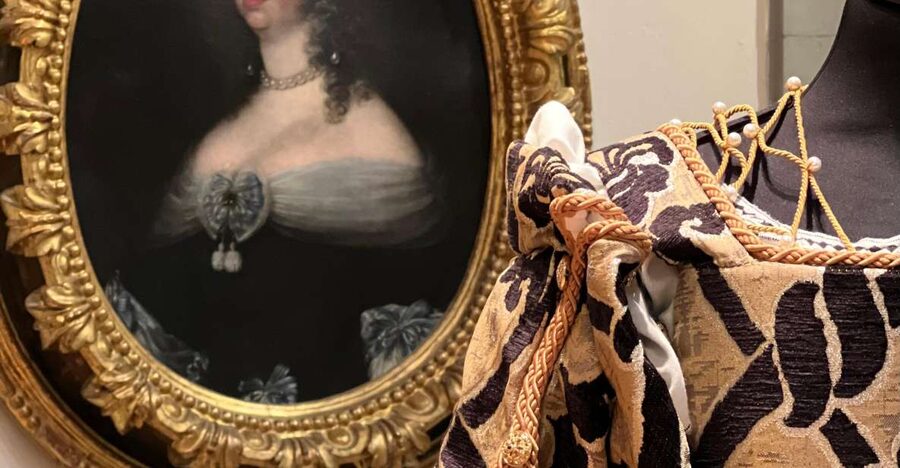
The winter garden gives the visit a different tone. The Medici are often remembered for banking, court politics, palaces, and art patronage. The garden points to another side of their interests: botany.
This is a useful detail because collecting plants was part of the broader Renaissance appetite for knowledge. The Medici interest in nature fits with their interest in science, gardens, rare objects, and the wider world. You can see the winter garden as a small reminder that their collections were not limited to pictures and statues.
Do not expect the garden to replace Florence’s larger historic gardens. Its role is more focused. It adds an atmospheric pause and gives the exhibition another way to talk about Medici curiosity and taste.
For me, this kind of detail improves a family museum. It prevents the story from becoming only a sequence of political victories. The winter garden offers a more domestic and observational view of the dynasty.
What $14 buys you in Florence
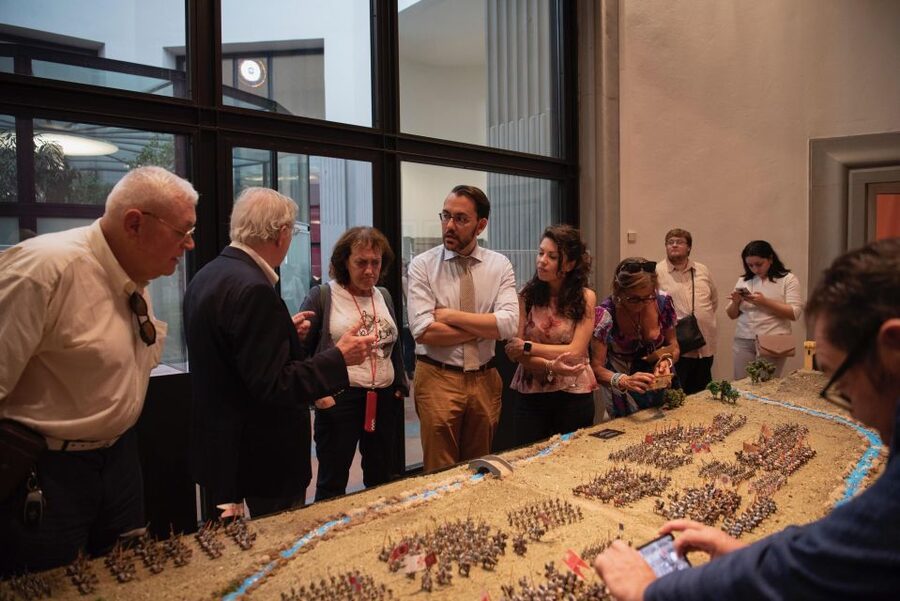
At $14 per person, the ticket is fairly priced for a museum that combines a historic building, a permanent Medici exhibition, multimedia installations, and temporary art displays. You are paying for more than a basic room of objects. The Rotonda itself is a major part of the value.
The price is especially reasonable if you have already seen Florence’s biggest art museums and want a more focused subject. The Uffizi and Accademia can dominate a first visit, but they do not tell the Medici family story in this concentrated way. This museum gives you a smaller-scale option with a clear theme.
The value depends on your interests. If you want a long day of famous Renaissance masterpieces, $14 may be better spent elsewhere. If you enjoy political history, architecture, collecting, and unusual museum settings, the ticket offers a strong addition to your Florence plans.
The two-month validity also helps. It does not mean the museum visit lasts two months. It means you have a two-month window in which to use the ticket, subject to available starting times. That flexibility is useful if rain, crowds, or a packed itinerary disrupt your original plan.
The skip-the-line feature may also save time, though you should still confirm the operating date and entry details before setting out. A fast entry is only useful if the museum is actually open.
The closure warning you should take seriously
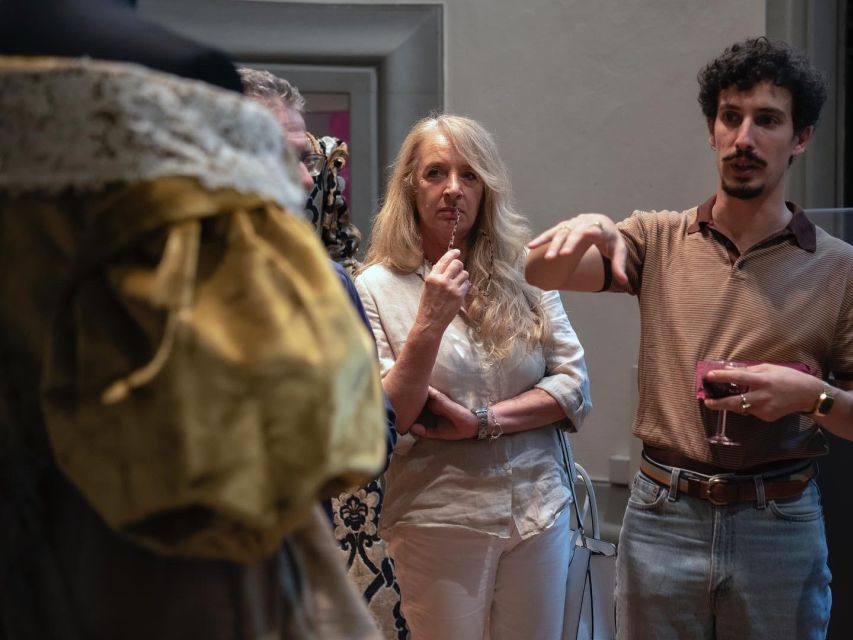
One booking made for January 2, 2026 found the museum closed that day, even though the purchase had been accepted. The booking holder reported difficulty finding a way to contact the provider about a refund and described the situation as theft.
That single account does not prove that closures are common, but it gives you a sensible warning. Do not rely only on the fact that a date appears selectable. Check the museum’s current opening information as close to your visit as practical, especially around holidays and winter dates.
The cancellation terms offer some protection. You can cancel up to 24 hours in advance for a full refund, and you can reserve now while paying later. Those terms are useful if your Florence schedule is still moving, but they do not remove the need to verify that your chosen date works.
English and Italian host or greeter support is available. The stated languages are English and Italian, so you should not expect guided assistance in additional languages.
Who should book this museum
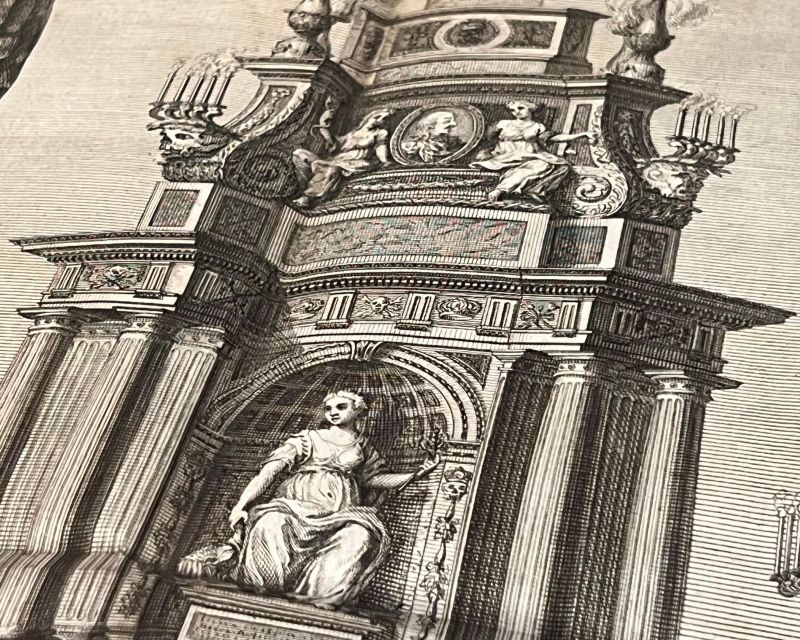
I would recommend the Medici Dynasty History Museum to you if you want a focused introduction to the family behind much of Florence’s political and cultural identity. It suits history fans, architecture lovers, and anyone who prefers a compact museum with a clear subject.
It is also a good choice if you have already visited Florence’s famous galleries and want something different. The Rotonda gives the visit a strong sense of place, while the winter garden and multimedia displays keep the exhibition from feeling like a simple document archive.
Families and younger visitors may appreciate the holograms and interactive presentation more than a display made only of labels and old papers. The family story has enough drama, ambition, and curiosity to hold attention, especially when the technology helps connect the names.
I would be more cautious if your only goal is to see original masterpieces by the most famous Renaissance artists. The museum focuses on the Medici dynasty and its collections, relics, documents, reconstructions, and historical setting. It is about understanding the family, not replacing Florence’s major art museums.
Should you book the Medici Dynasty History Museum?
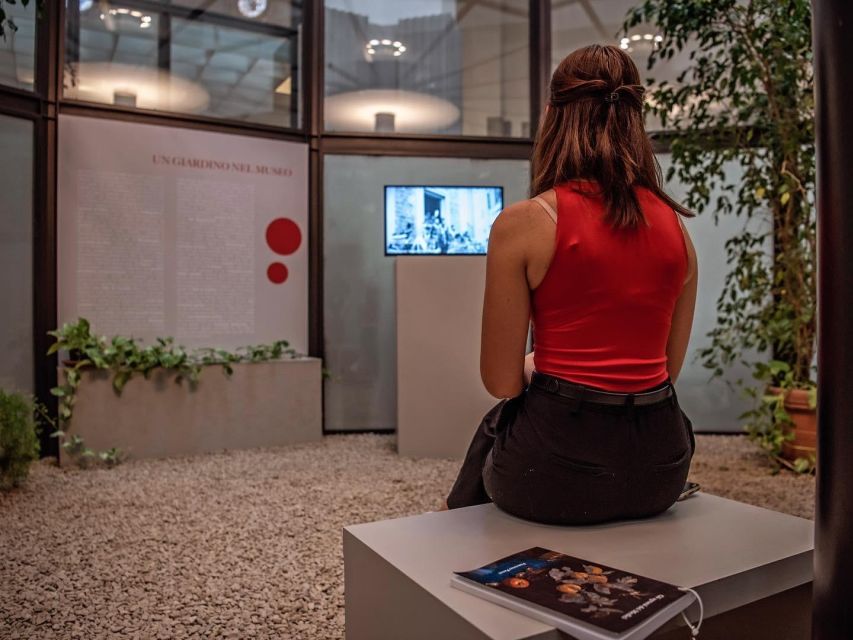
Book it if the idea of seeing Brunelleschi’s rotunda while tracing the Medici family appeals to you. At $14, the combination of architecture, objects, digital displays, temporary exhibitions, and the winter garden offers good value for a focused Florence stop.
Before booking, check the museum’s operating information for your exact date. The January 2, 2026 closure problem is the one serious warning attached to this experience. If the date is confirmed, the museum is a worthwhile choice for anyone who wants Florence’s most powerful family explained in one unusual setting.
FAQ
Where is the Medici Dynasty History Museum?
The museum is in Tuscany, in the city of Florence, inside the Rotonda Brunelleschi.
How much does admission cost?
The listed price is $14 per person.
How long is the ticket valid?
The ticket is valid for two months. This refers to the period in which you can use the ticket, not the length of the museum visit.
What languages are available?
Host or greeter assistance is available in English and Italian.
Can I cancel the ticket?
Yes. You can cancel up to 24 hours in advance for a full refund.
What is included with admission?
Admission includes access to the museum and its temporary art exhibitions. The displays also include antiquities, historical relics, original documents, reconstructions, holograms, and multimedia installations.
Just added around Italy
- Milan: History & Street Food Tour with Wine Tasting★ 4.9 · 30 reviews
- Milan: Fresh Pasta and Tiramisù Class in A Historical Home★ 4.9 · 195 reviews
- Milan : Historic Private Walking Tour★ 4.7 · 49 reviews
- Cinematic & Classical Organ Experience in Historic Church★ 4.7 · 22 reviews
- Matera: Sassi di Matera Historical Self-Guided Audio Tour★ 3.6 · 183 reviews
- Marsala: Historic winery tour with wine tasting★ 4.8 · 112 reviews
- Matera’s Sassi Walking Tour – History and Culture★ 4.8 · 356 reviews
- MANTOVAGANDO: Exploring Mantua’s Historic Center★ 4.5 · 53 reviews
Museum & Gallery History Tours, compared.
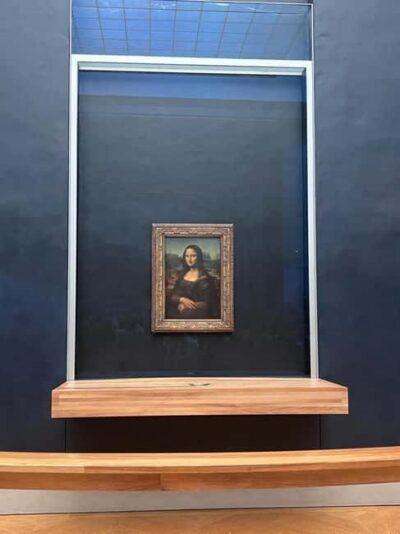
Louvre Museum Entry with History of Mona Lisa
Read our review →
Venice’s Best: Basilica, Doge’s Palace, Gondola & History Gallery
Read our review →
Guided African American History Tour with Reserved Museum Entry
Read our review →
POLIN Museum of the History of Polish Jews Ticket
Read our review →
Bell Tower & St Mark’s Square History Gallery Ticket
Read our review →
Field Museum of Natural History Ticket or VIP Tour
Read our review →
Madrid in a Day Tour:Royal Palace, Historic Center & Prado Museum
Read our review →
Basilica, Doge’s Palace, History Gallery & Bell Tower Option
Read our review →Browse the lists this tour appears in