
Review · CHINA
Hong Kong Heritage – Past to Present
Hong Kong’s past is hiding in plain sight. This three-hour walk through Central links Statue Square, colonial buildings, Anglican churches, elevated walkways, the old town, and Soho into one clear story of how a small harbor settlement became a modern financial center. I like the way the tour treats architecture as evidence, not just decoration. I also like its small size, with only two to eight people, which gives you room to ask questions and adjust the pace.
The main drawback is physical rather than cultural. You will walk through Central and the Central and Western District, with transfers and footbridges along the way, so this is not a good fit if you have limited mobility. You also need to leave large bags behind and wear comfortable shoes.
The guides receive especially strong praise for their history and culture knowledge. Mel is noted for adapting the pace and explaining what makes Hong Kong a one-world city, while Martin answered detailed questions from repeat visitors. German-language guiding is available on request, and past German tours led by Gabi and Alexandra were praised for their clear storytelling and use of photos and maps.
Key points at a glance
- Statue Square is small for a reason: You learn how reclamation and the shifting waterfront shaped Hong Kong’s civic center.
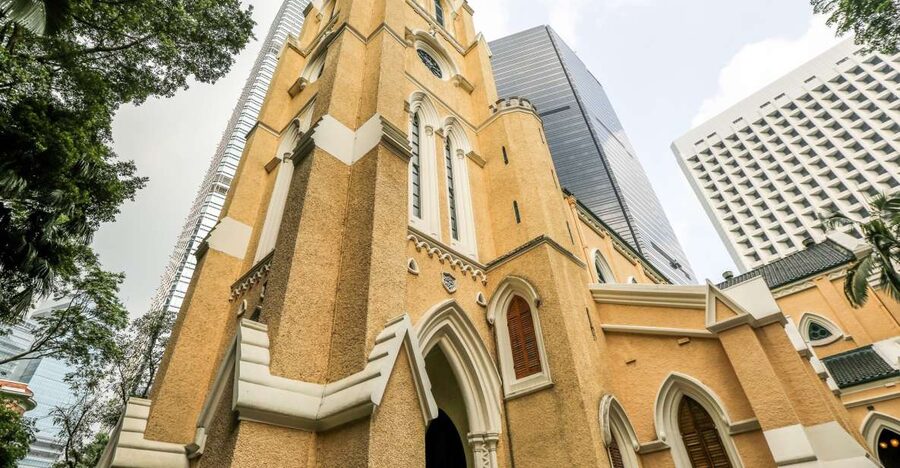
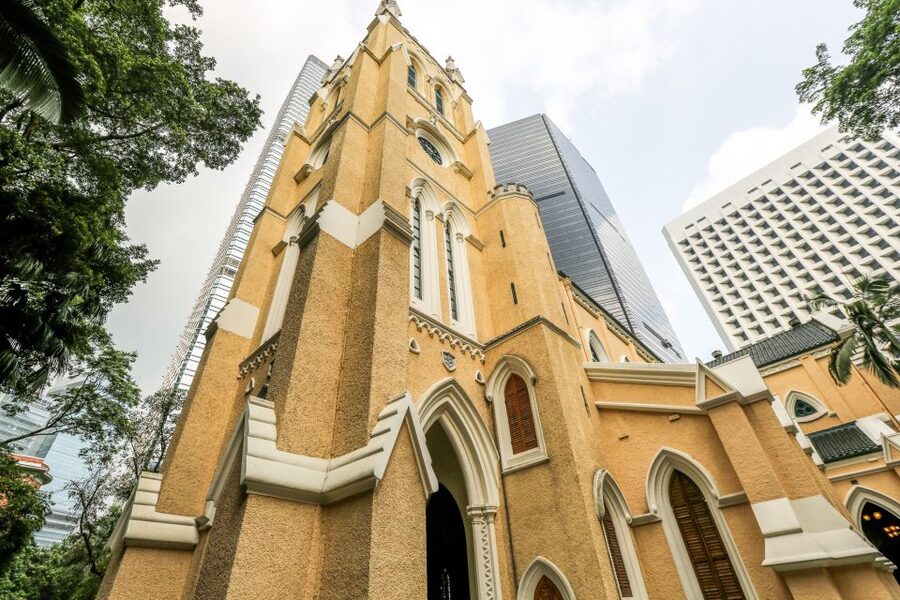
- Colonial buildings meet glass towers: The Supreme Court and St John’s Anglican Cathedral show how older architecture once defined the harbor view.
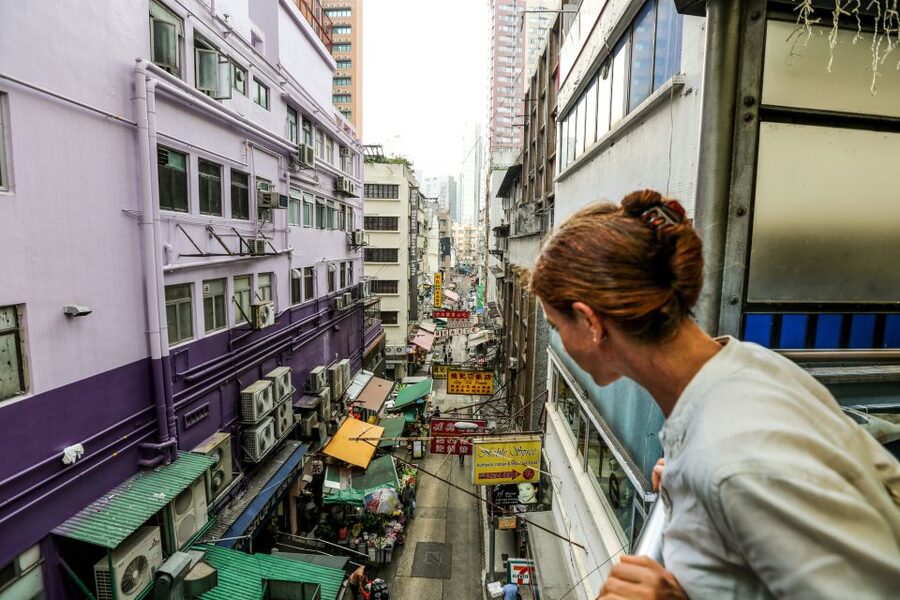
- Central’s footbridges become part of the story: Elevated walkways reveal how Hong Kong solved the problem of moving people through a crowded business district.
- The old town explains modern Soho: The route connects older streets and neighborhoods with the district’s later food, nightlife, and creative identity.
- Small groups improve the experience: With two to eight people, you can ask questions and often receive a more personal explanation.
- Three hours gives you useful context: At $65 per person, the tour is best for visitors who want to understand Central rather than simply pass through it.
Why Central is the right place to learn Hong Kong
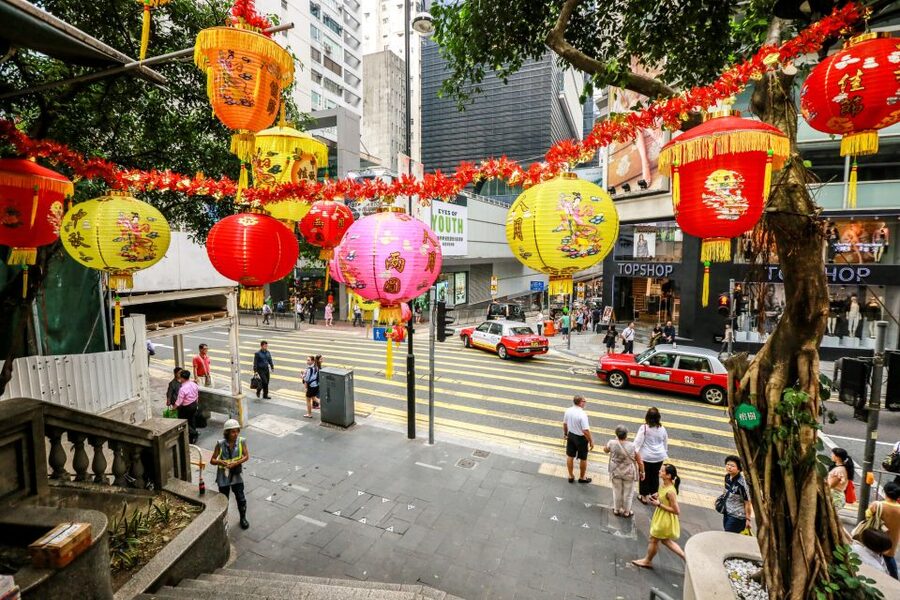
Central is where Hong Kong’s history becomes easy to read. It has developed since the beginning of British rule in 1841, and each period left something behind: government buildings, churches, commercial structures, reclaimed land, transport routes, and new towers.
That mix is the reason I would choose this tour early in a Hong Kong visit. Central can look like a wall of steel and glass when you first arrive. With a guide, the district becomes a sequence of decisions. You see where authority was placed, how the waterfront moved, and how modern construction had to fit around older buildings.
The tour also gives useful context for Hong Kong’s architecture. The point is not simply that an old building looks attractive beside a skyscraper. You learn how the city grew prosperous, how Western-style structures appeared in the early twentieth century, and how later development changed the shape of the district.
This is a walking experience, not a sightseeing bus ride. That matters. You can notice the tight gaps between buildings, move through the public footbridge network, and see how daily life continues around historic sites. The pace also allows the guide to stop and explain details that would vanish from a vehicle window.
A few more history tours around China worth a look
- Beijing: Badaling Ancient Great Wall of China Day Trips
★ 4.8 · 208 reviews - Beijing Historical Tour II including Summer Palace, Lama Temple & Panda Garden
★ 4.0 · 187 reviews - Beijing Historical Tour I – Forbidden City, Tiananmen Square & Temple of Heaven
★ 4.0 · 120 reviews
Statue Square and the waterfront that moved
The tour begins at street level outside the General Post Office at 2 Connaught Place, next to the bus station, unless your selected option gives a different starting point. From there, you enter the Central area and begin with Statue Square.
Statue Square is a useful first stop because its size raises an obvious question: Why is Hong Kong’s main square so small? The answer connects to the city’s limited land and the repeated expansion of the waterfront through reclamation. The square is not an enormous open plaza. It is a compact civic space surrounded by major institutions and framed by the density that defines Central.
I like this opening because it teaches you to question the ground beneath your feet. Hong Kong’s waterfront has not always been where you see it today. As the city expanded, land was added and development projects changed the relationship between Central and the harbor. The square’s scale makes more sense once you understand that the city was built under constant pressure for space.
This stop should appeal to anyone interested in how cities grow. It is less about a single monument and more about reading the urban plan. You begin to see Hong Kong as a place shaped by geography, government, commerce, and engineering.
The Supreme Court and the colonial center
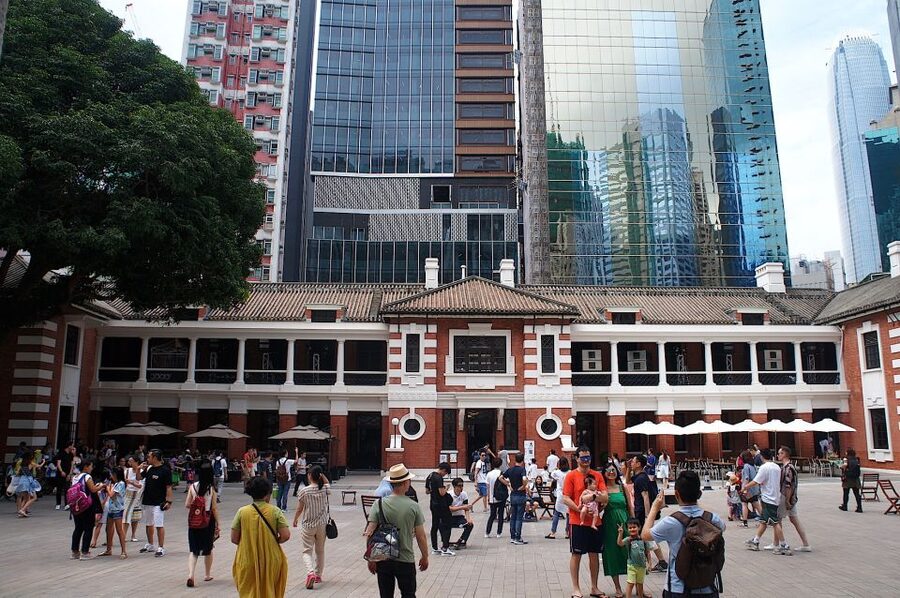
From Statue Square, the route takes you toward The Supreme Court, one of Hong Kong’s last remaining colonial buildings. Its importance comes from more than age. The building helps explain how British rule gave Central a formal administrative core, with government, law, religion, and commerce gathered within a relatively tight area.
You will see how this older structure fits among far newer towers. That contrast is one of the tour’s strongest features. The skyscrapers do not erase the colonial buildings, but they do change how you read them. The old structures now appear as islands of earlier planning inside a much larger modern city.
The guide’s role is important here. Architectural details can be easy to admire without understanding. The explanations connect the building to the wider development of Hong Kong, showing how early twentieth-century prosperity helped turn the city into a metropolis.
If you care about architecture, this is one of the tour’s best sections. It gives you a practical way to compare periods without turning the walk into a technical lecture. You see how materials, scale, purpose, and surrounding space changed over time.
St John’s Anglican Cathedral and a vanishing harbor view
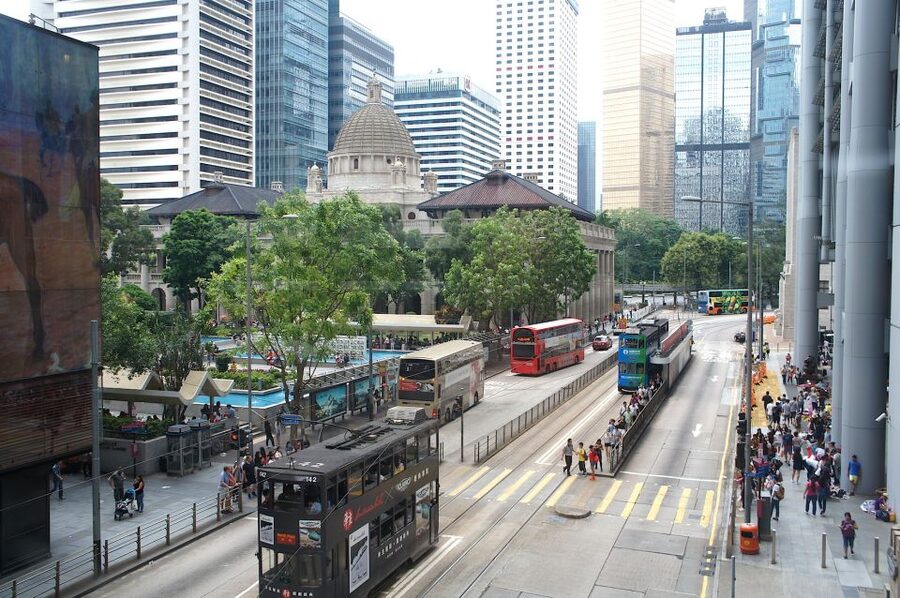
St John’s Anglican Cathedral provides another look at the colonial period. It was once visible from the harbor, a reminder that the waterfront used to sit much closer to the heart of Central than it does today.
That detail makes the cathedral especially valuable on this walk. You are not just looking at a religious building. You are seeing how reclamation altered the city’s visual relationships. Buildings that once announced themselves to people arriving by sea now sit inside a much denser urban setting.
I appreciate this kind of explanation because it gives old buildings a reason to matter. The cathedral is not included simply because it is historic. Its former visibility from the harbor helps you picture an earlier Hong Kong and understand how construction changed the city’s identity.
The route around Central also shows how older religious, legal, and civic buildings shared space with commercial activity. This layered setting is a major reason to take the tour on foot. You get enough time to look, listen, and ask how the pieces fit together.
Same place, a different slice of the past:
- Beijing Culture: Tea Ceremony, Heritage Instrument & Calligraphy
★ 5.0 · 57 reviews - BusDa-Ancient Great Wall &Badaling Great Wall Full-day Bus Tour
★ 5.0 · 56 reviews - 2-Day Beijing Highlights Tour with Peking Duck
★ 4.9 · 41 reviews - 2-Hour “Ancient & Modern” Beijing Sidecar Tour (Day /Night)
★ 5.0 · 36 reviews
Footbridges above the Central business district
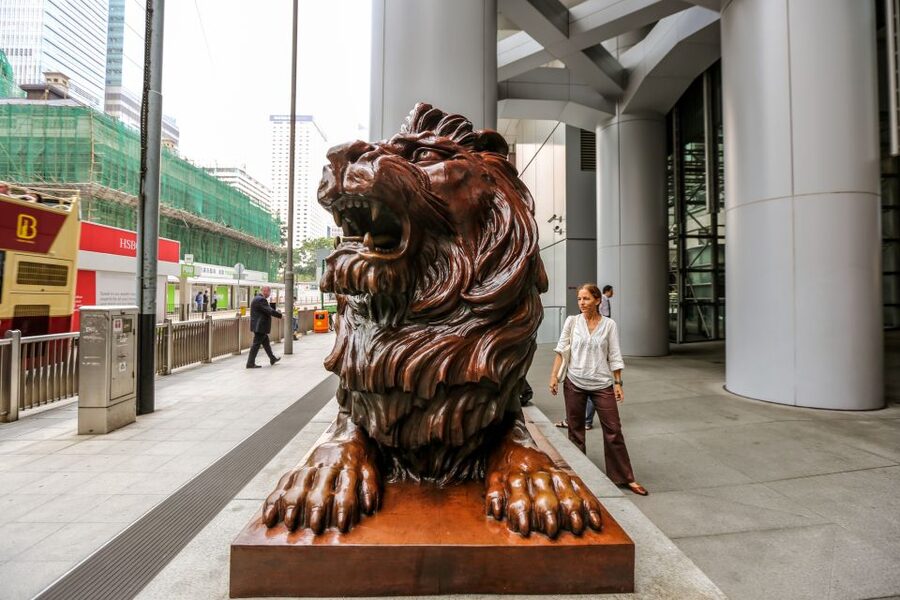
One of the most distinctive parts of the experience is the network of footbridges in Central. These elevated paths are not just a convenient way to cross busy streets. They are part of Hong Kong’s response to high density and intense movement.
The footbridges give you a different view of the district. At street level, you notice older facades, traffic, and narrow urban spaces. Above the road, you see how buildings connect and how people move through the financial center without returning to the pavement at every crossing.
This section is particularly helpful if you find modern cities confusing on first contact. Central can feel like several cities stacked on top of one another. The guide explains how the pedestrian network supports that arrangement and how modern development grew around the older street plan.
There is also a practical benefit. The elevated routes make the tour feel varied. You are not walking along one long road while listening to a lecture. You move through different levels and settings, which helps keep the three hours engaging.
Still, the footbridges reinforce the mobility warning. Stairs, walking, and changes in level may be difficult for some people. If you have a mobility impairment, this is not the right tour.
A short transfer into the Central and Western District
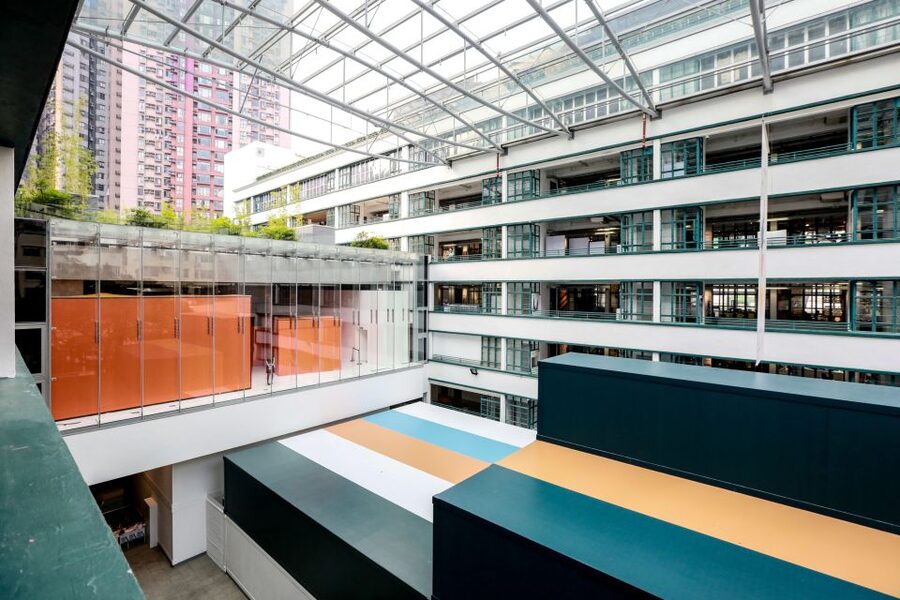
The schedule includes a transfer of about ten minutes before the guided portion in the Central and Western District. It is a small part of the experience, but it helps the route cover more than the immediate area around Statue Square.
You should think of this as a connected city walk rather than a single-site visit. The transfer gives the guide a chance to shift the story from the formal colonial and financial center toward older neighborhoods and the streets that later helped shape Soho.
Because hotel pickup and drop-off are not included, you need to reach the meeting point yourself. The starting location outside the General Post Office is practical because it is at street level and next to a bus station, but you should allow enough time to find it before the tour begins.
Hong Kong’s old town and the making of Soho
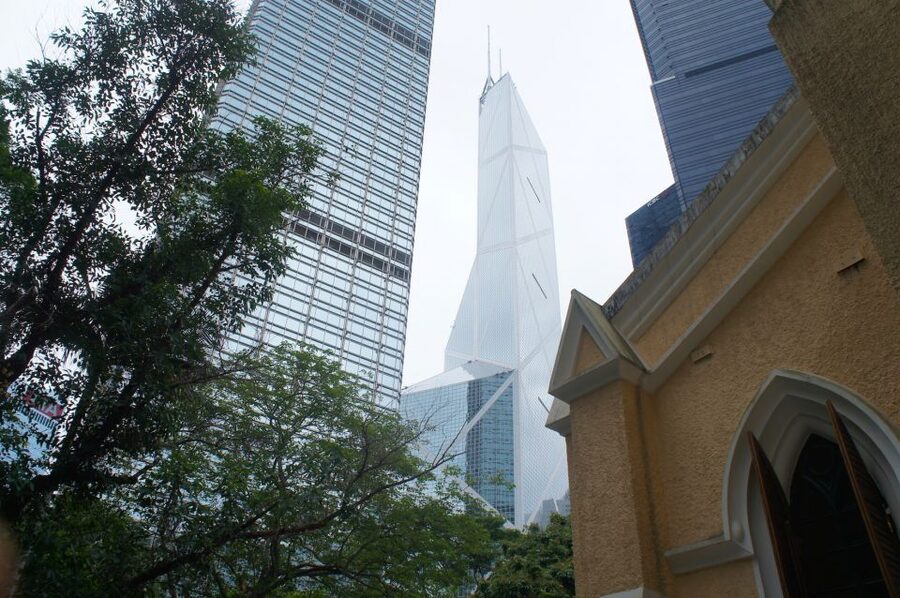
The later part of the route moves into Hong Kong’s old town district and explains how modern Soho developed. This is where the tour connects the city’s earlier street life with its newer social identity.
Soho is often treated as a destination for restaurants, bars, and nightlife. This walk gives you more useful context. You learn how the area relates to older parts of the city and how the character of a neighborhood can change as Hong Kong grows.
I like this section because it prevents the tour from becoming a colonial architecture checklist. Hong Kong’s story did not stop with British administration or the arrival of skyscrapers. Streets continued to change, new businesses arrived, and older areas took on new roles.
The guide can also help you notice the difference between official Central and the older urban fabric nearby. That contrast is valuable for first-time visitors, but it is also worthwhile if you have already seen the main sights. Sara, who had visited Hong Kong several times, found the walking tour offered a new way to understand an area she already knew.
How the guides shape the experience
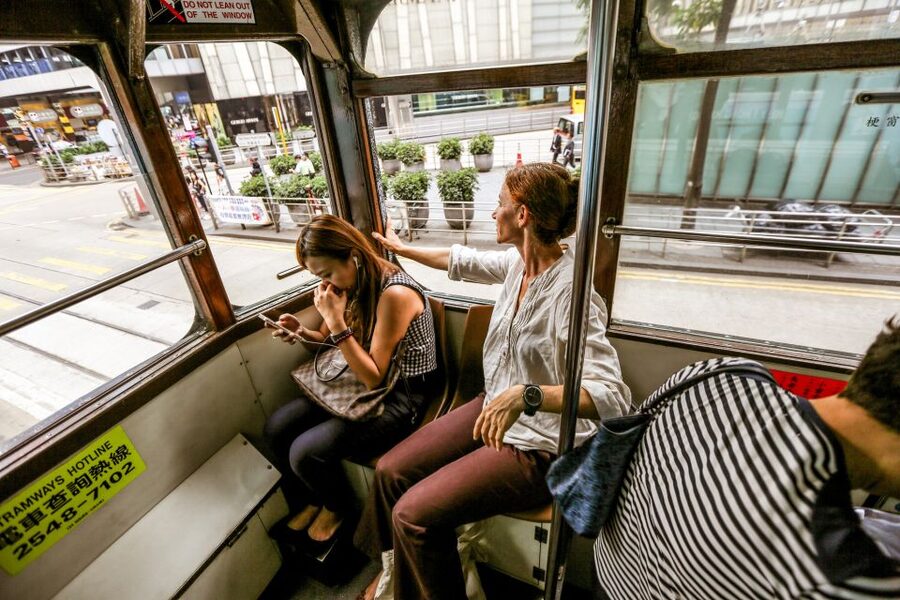
The strongest praise is directed at the guides, especially their ability to explain Hong Kong’s past and present in plain terms. Mel is praised for setting a pace that suited the group and for connecting history, culture, and Hong Kong’s role as a one-world city.
That flexibility matters in a group of only two to eight people. You are not part of a large crowd being moved from stop to stop. You can ask about a building, pause over a map, or spend more time on a subject that interests you.
Martin also received praise for answering many questions, which is useful if you want more than a prepared speech. Alexandra’s German-language tour used photos and maps to make Hong Kong’s history easier to follow, while Gabi’s German tour was described as both informative and varied.
English is the standard language, and a German guide can be requested. I would mention your language preference when booking rather than assuming it will be available at every start time.
Is $65 good value for three hours?
At $65 per person, this is not a cheap orientation walk. You are paying for a live guide, a small group, and a carefully connected explanation of Central rather than for admission to a major attraction.
The value is strongest if you want context. The tour helps you understand why Statue Square is compact, how reclamation changed the harbor, why colonial buildings remain important, and how modern Central operates above and around older streets. Those connections can make the rest of your Hong Kong sightseeing more rewarding.
The value is weaker if you mainly want quick photographs or a list of famous buildings. You will spend three hours walking and listening, and food and drinks are not included. This is a history and architecture tour, not a tasting experience.
You also get useful flexibility when plans are uncertain. You can reserve and pay later, and cancellation is free up to 24 hours before the start for a full refund. Check the available starting times because the exact schedule depends on the date.
Who should book this Central walking tour?
I would choose this experience for first-time visitors who want a strong introduction to Hong Kong’s urban story. It also suits repeat visitors who have seen Central but never understood how its buildings, reclaimed land, and elevated paths fit together.
Architecture fans should find plenty to enjoy, especially around The Supreme Court and St John’s Anglican Cathedral. The tour also works well for anyone curious about colonial history, modern city planning, or the way Soho developed from older parts of Hong Kong.
You need comfortable shoes and a light load. Large bags and luggage are not allowed, and the walking route is not recommended for people with limited mobility. Since the group is small, solo visitors and couples may find the format more personal than a standard large-group excursion.
FAQ
Where does the tour meet?
The meeting point is at street level outside the General Post Office at 2 Connaught Place in Central, next to the bus station. The starting location can depend on the selected option.
How long does Hong Kong Heritage: Past to Present last?
The experience lasts three hours. It includes guided walking in Central and the Central and Western District, with a transfer of about ten minutes between sections.
What language is the tour offered in?
The tour is offered with a live English-speaking guide. A German guide is available on request.
How large is the group?
The tour is designed for an intimate group of two to eight participants.
Is the tour suitable for people with limited mobility?
No. The experience is not recommended for people with mobility impairments. You should also wear comfortable shoes and avoid bringing luggage or large bags.
Are food, drinks, and hotel transfers included?
No. Hotel pickup and drop-off are not included, and food and drinks are available to purchase separately.
Should you book Hong Kong Heritage: Past to Present?
Book it if you want Hong Kong explained rather than simply photographed. The combination of Statue Square, The Supreme Court, St John’s Anglican Cathedral, Central’s footbridges, old town, and Soho gives you a clear three-hour story about change.
Skip it if you dislike walking, need step-free access, or prefer a food-focused tour. For everyone else, the small group, strong guiding, and architecture-centered route make $65 a fair price for a thoughtful introduction to Hong Kong’s Central district.
Just added around China
- BusDa-Ancient Great Wall &Badaling Great Wall Full-day Bus Tour★ 5.0 · 56 reviews
- 2-Hour Beijing Private Forbidden City Tour: History & Highlights★ 5.0 · 28 reviews
- 3-Day All-Inclusive Beijing Private Tour: Top Sights+Peking Duck★ 5.0 · 28 reviews
- 2-Hour “Ancient & Modern” Beijing Sidecar Tour (Day /Night)★ 5.0 · 36 reviews
- Shenzhen History , Culture & Scenic + (Drone Delivery) tour★ 5.0 · 26 reviews
- Beijing: All-Inclusive 3-Day Private Tour of Must-See Sights★ 5.0 · 35 reviews
- Beijing: Must-Try Chinese Ancient Costume Rental& Photoshoot★ 4.9 · 26 reviews
- 2-Day Beijing Highlights Tour with Peking Duck★ 4.9 · 41 reviews
China History Tours, compared.

Beijing Historical Tour II including Summer Palace, Lama Temple & Panda Garden
Read our review →
Beijing Historical Tour I – Forbidden City, Tiananmen Square & Temple of Heaven
Read our review →
Beijing Culture: Tea Ceremony, Heritage Instrument & Calligraphy
Read our review →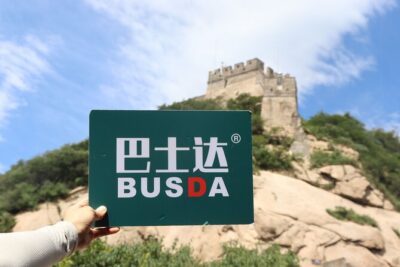
BusDa-Ancient Great Wall &Badaling Great Wall Full-day Bus Tour
Read our review →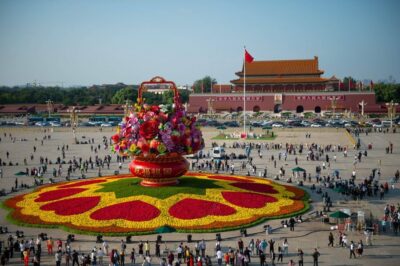

2-Hour “Ancient & Modern” Beijing Sidecar Tour (Day /Night)
Read our review →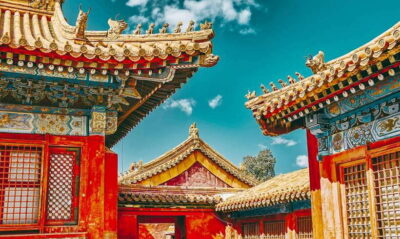
All-Inclusive 3-Day Private Tour of Must-See Sights
Read our review →Browse the lists this tour appears in