
Review · LIGURIA
Genoa: Historic Guided Tour of Christopher Columbus’ House
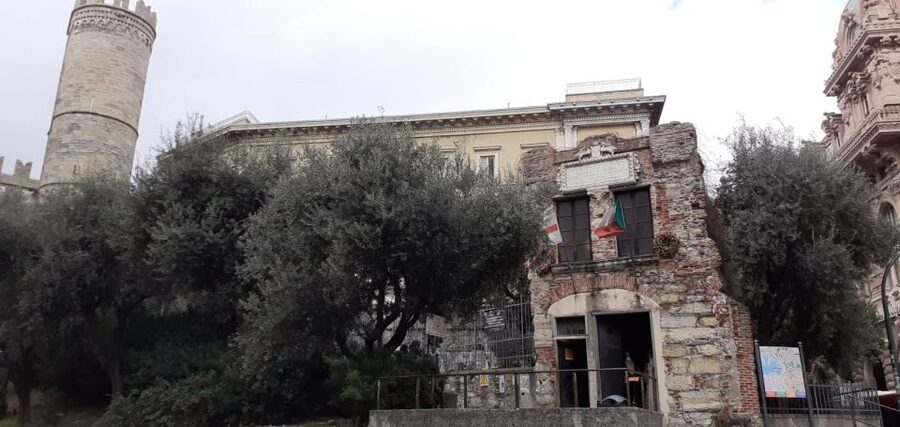
Columbus began here, not across the Atlantic. This brief tour brings you into Casa di Colombo, the modest Genoa house linked to Christopher Columbus’ youth, then adds the Cloister of Sant’Andrea and the medieval area near Porta Soprana. I like the small groups, limited to six, and the guides’ strong command of local history and archaeology. I also like the low $12 price, which makes this an easy add-on to a day in Genoa.
The main thing to watch is the timing. The advertised visit lasts about 20 minutes, though the itinerary also describes a 30-minute stop and several tours have lasted much longer. That can be a bonus if you have time, but it matters if you are catching a train or following a tight schedule. The meeting instructions also deserve care: meet the guide inside the venue, not outside nearby.
Key points to know before booking
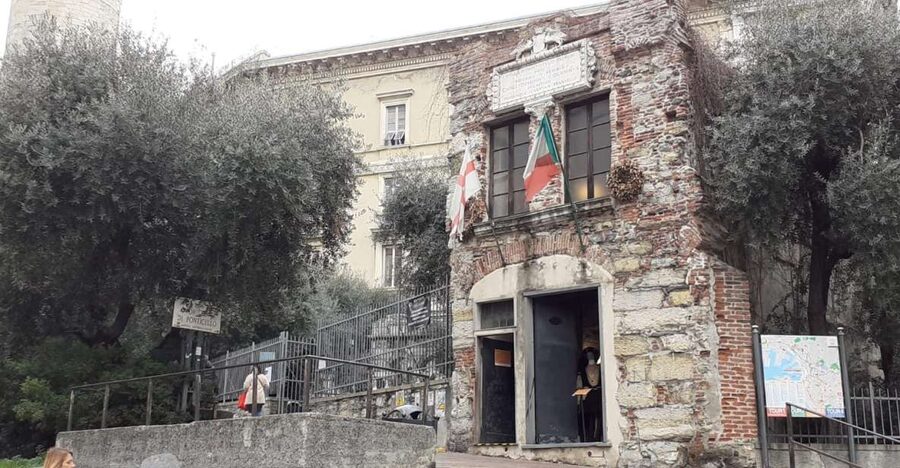
- A small house with a useful backstory: Archival documents place Domenico Colombo here from 1455, when Christopher was four years old.
- The workshop explains the building: The ground floor served as a work area, while private rooms occupied the upper floor above a timber-beamed attic.
- The tour extends beyond the house: Your guide also covers the rebuilt Cloister of Sant’Andrea and the area around Porta Soprana.
- A very small group helps: With no more than six people, you should be able to hear the guide clearly and ask questions.
- English and Italian are offered: The guided visit is available in both languages.
- Plan for uneven access: The activity is not suitable for wheelchair users or people with mobility impairments.
Why Casa di Colombo matters in Genoa
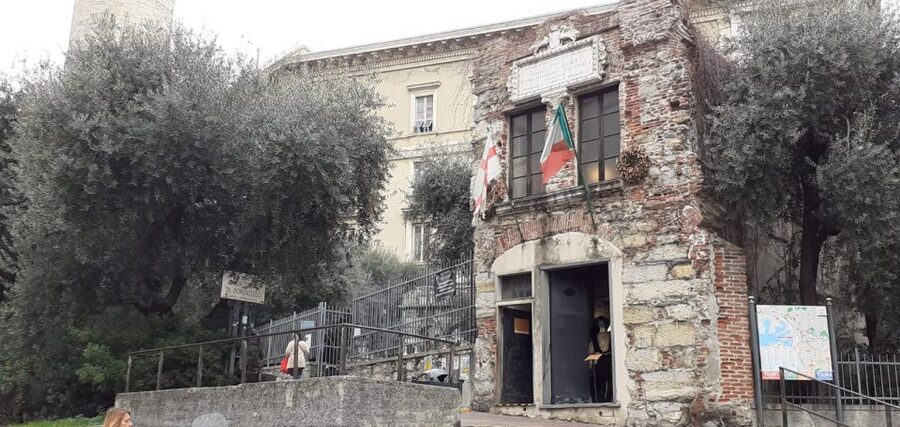
The house sits just outside Genoa’s ancient medieval walls, not far from Porta Soprana. That location is important. You are not visiting an isolated memorial to a famous name. You are seeing a small part of the old city fabric, where the story of one family connects with Genoa’s streets, walls, and religious buildings.
According to archival records, Domenico Colombo moved into the house in 1455. Christopher was four years old at the time. The building is therefore tied to his early life, before the voyages that made him famous and controversial across the world.
I appreciate that the visit focuses on the house as a real building, not just on Columbus as a historical character. The guide explains how the structure was arranged and how it has been rebuilt. Several guides have a background in archaeology or local research, so you may hear careful explanations about what is known, what has been reconstructed, and how the site fits into medieval Genoa.
That approach gives the visit some balance. You are not asked to treat every stone as untouched or every popular story as certain. Instead, you get a short lesson in the building’s physical form and its place in the city.
More Guided Tours in Italy:
- Rome: Colosseum with Arena, Roman Forum and Palatine Guided Tour
★ 4.0 · 5,598 reviews - Venice: St. Mark’s Basilica Guided Tour & VR History Intro
★ 3.9 · 4,880 reviews - Colosseum with Arena, Roman Forum and Palatine Hill Guided Tour
★ 4.5 · 3,526 reviews
Inside the house: workshop below, private rooms above
The ground floor was used as a workshop. That detail may sound small, but it gives you a better picture of daily life than a simple portrait or plaque could. This was a working family home, with activity on the lower level and private rooms above.
A wooden-beamed attic divided the workshop from the upper floor. The private rooms were located upstairs, creating a clear separation between work and family life. The house’s compact layout helps you picture how people used the building rather than simply walking through a series of empty rooms.
Do not expect a grand palace or a large museum. Casa di Colombo is a modest historic structure, and the visit is short. Its appeal comes from the connection between the building and the story being told. If you prefer large collections, elaborate interiors, or many displayed objects, you may find the stop limited.
For me, the strongest part is the explanation of the building itself. One guide described the structure and its rebuilding in detail, while another connected the house to wider Genoese history and archaeology. The small group makes a real difference here. In a group of six, you can usually hear the details without straining, and the guide can respond to questions instead of delivering a rushed speech to a crowd.
The Cloister of Sant’Andrea adds more than a quick extra stop
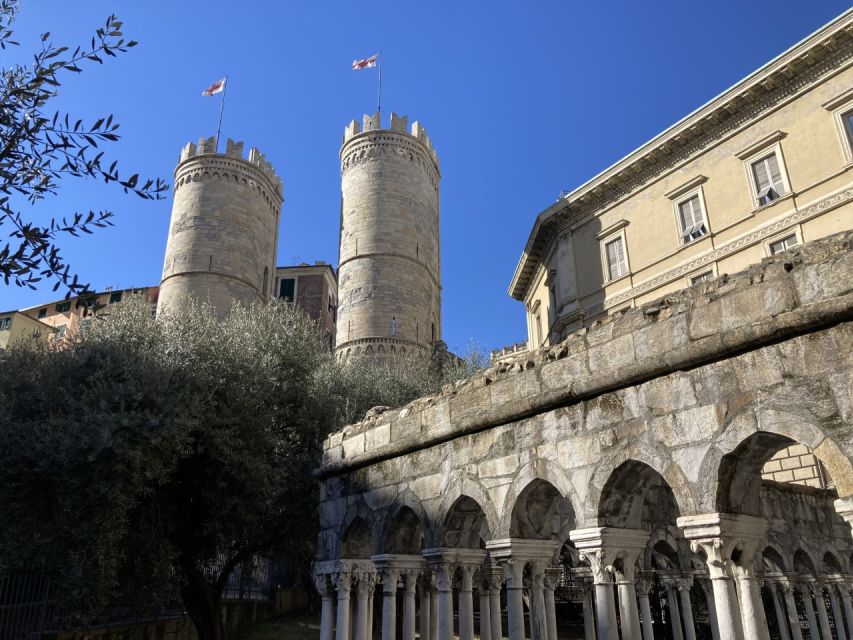
The tour does not end at the front door of the house. It also includes the Cloister of Sant’Andrea, rebuilt in the area behind Casa di Colombo and Porta Soprana.
This matters because the cloister gives you a wider view of the site. The house by itself tells one family story. The cloister and nearby medieval remains show how that story fits into Genoa’s older urban setting.
A good guide will point out details you might otherwise walk past. That is one of the strongest reasons to choose this escorted visit instead of simply viewing the house on your own. The cloister is not treated as a separate monument with a long formal lecture. Instead, it becomes part of a short walk through the medieval heart of Genoa.
The rebuilt nature of the cloister is also worth noting. You are looking at a site shaped by restoration and reconstruction, not a perfectly untouched medieval scene. A guide who explains that process can help you separate the surviving fabric from later work.
Some visits also include nearby walls and features associated with the area, including the Barbarossa Wall. The exact amount of time spent there can depend on the guide and the group. Georgia, Luisa, and other guides have been praised for adding local details and taking extra time when the schedule allows.
Porta Soprana and the medieval heart of Genoa
Porta Soprana is one of the key orientation points for this experience. The house sits just outside the old medieval walls, so the visit gives you a compact introduction to one of Genoa’s oldest quarters.
The setting is useful even if you know little about the city. You can connect the house, the cloister, the gate, and the walls instead of seeing them as unrelated sights. In a short time, you get a sense of how the medieval city was organized and how buildings from different periods overlap.
This is also where the tour feels most like a local history walk. The guide may explain more than Columbus. Guides have connected the site to Genoese history, archaeology, and the physical changes that shaped the neighborhood over time.
I would not book this as a substitute for a full city tour. It covers a very small area and has one central subject. But it works well as a first stop in Genoa because it helps you get your bearings near the medieval center. You can then continue exploring the surrounding streets on your own.
A few more history tours around Italy worth a look
- Colosseum: Underground and Ancient Rome Tour
★ 4.7 · 12,691 reviews - Colosseum & Ancient Rome with Arena Floor Option I Max 6 People
★ 5.0 · 3,306 reviews - Rome: Colosseum, Ancient Rome Tour or AudioGuided Tour
★ 4.4 · 2,879 reviews - Colosseum Underground & Ancient Rome Guided Tour
★ 4.5 · 2,590 reviews
The guide makes the short format work
The quality of this experience depends heavily on the guide. The strongest feedback centers on clear explanations, enthusiasm, and careful attention to the structure of the house.
Luisa has been praised for being thorough and well informed. Georgia received similar praise for spending extra time at the house, nearby walls, and cloister. Another guide, described as an archaeologist, impressed visitors by explaining the site without overstating what the evidence proves.
That last point is especially useful at a place linked to a famous figure. Columbus’ early life is surrounded by familiar stories, but the house itself requires a more careful reading. A guide who distinguishes archival evidence from reconstruction can make a 20-minute visit feel much more worthwhile.
The small group size is a practical advantage, not just a marketing detail. With up to six participants, the guide can keep the pace personal. You are less likely to lose the thread of the explanation, and there is a better chance to ask about a feature that catches your eye.
The language choice is also straightforward. Live guiding is available in English and Italian. If you book in English, confirm that your selected time is assigned to that language.
Is $12 good value?
At $12 per person, this is an easy value decision for most visitors interested in Genoa’s old center. The price covers entry and a guided explanation of Casa di Colombo, the Cloister of Sant’Andrea, and the nearby area around Porta Soprana.
You are not paying for a long museum visit. You are paying for context. Without a guide, the house could be a quick look at a small historic building. With a guide, the workshop, attic, upper rooms, rebuilding, cloister, and medieval walls become part of one connected story.
The value improves if your guide spends extra time on the surroundings. Some visits have lasted close to an hour, though that is not something you should count on. The listed duration is about 20 minutes, and the itinerary also gives 30 minutes for the house visit.
If you have only a short gap between other activities, the low price and central setting make this convenient. If you want a long, detailed museum experience, the short official duration may leave you wanting more.
Timing, meeting point, and practical details
The meeting point is Casa di Cristoforo Colombo. Follow the instruction to meet the guide inside the venue. Do not wait outside or in a nearby part of the venue, since that can create confusion at the start.
The ticket is valid only on the date booked. The activity offers free cancellation up to 24 hours before the scheduled time, and you can reserve now and pay later. Those terms are useful if your Genoa plans depend on train times or changing weather.
One visitor arrived late because of a delayed train and was accommodated at a later time. That was a kind gesture, but you should not treat it as a guarantee. Arrive with enough time to find the house and enter before the meeting time.
The experience is not suitable for wheelchair users or people with mobility impairments. The supplied information does not give a detailed accessibility breakdown, so anyone with limited mobility should ask the provider for current details before booking.
The group limit is six people. That is small enough for a personal feel, but the actual group may be smaller. One family had a private-feeling visit with just their own group and a guide, which allowed the guide to follow their interests more closely.
How long should you allow around the visit?
For the booked activity itself, allow at least 20 to 30 minutes. I would add extra time if your schedule permits, since guides sometimes continue into the cloister and nearby medieval remains.
You also need time to locate the entrance and meet inside. Do not plan to arrive at the exact minute if you are unfamiliar with this part of Genoa.
The visit works well before or after other sights near Porta Soprana. Because the house is close to the old walls and the medieval center, you can use it as a short historical stop rather than building an entire day around it.
The main timing issue is uncertainty. The official duration is brief, but the quality of the visit may tempt the guide to continue. That is pleasant when you are free and inconvenient when you are not. If you have a train, cruise departure, or timed museum ticket, keep a buffer.
Who will enjoy this experience most?
I would recommend it to you if you like small historic sites, local guides, and short visits that explain a neighborhood as well as a person. It is particularly useful if you are already planning to see Porta Soprana or explore Genoa’s medieval center.
Families may appreciate the compact format. A 20-minute visit is easier to manage than a long museum tour, and the guide can adjust explanations to the group. The small size also makes it easier to hear and ask questions.
It suits history fans who want more than a famous name. The workshop, attic, upper rooms, cloister, walls, and rebuilding give the visit several angles. You can learn about Columbus while also learning how Genoa’s old center developed.
I would be more cautious if you need step-free access, dislike reconstructed sites, or expect a large collection of personal belongings connected to Columbus. The house is small, the timing is short, and the focus is on the structure and surrounding area.
Should you book Casa di Colombo?
Book it if you want an inexpensive, well-guided introduction to Columbus’ early Genoese setting and the medieval area around Porta Soprana. The $12 price, six-person group limit, bilingual guiding, and added cloister visit make it a strong short stop.
Choose a time when you can tolerate the visit running beyond 20 minutes. That extra time may give you the best part of the experience, especially if your guide explains the rebuilding, the medieval walls, or details in the cloister.
Skip it if your schedule is packed, mobility is a concern, or you want a large museum with extensive displays. For most visitors exploring central Genoa, though, this is a small commitment with a good chance of adding real context to the streets outside.
FAQ
How long does the tour last?
The listed duration is 20 minutes, while the itinerary describes a 30-minute visit. Some tours may last longer when the guide includes additional details around the house, cloister, and medieval walls.
What does the tour include?
It includes entrance and guided visits to Casa di Colombo, the Cloister of Sant’Andrea, and the area around Porta Soprana. The tour is conducted in Italian or English.
Where does the tour meet?
The meeting point is Casa di Cristoforo Colombo. Meet the guide inside the venue, not outside or in a nearby part of the venue.
Is the tour available in English?
Yes. Live guiding is available in English and Italian.
How large is the group?
The activity is limited to six participants. The group may be smaller, depending on bookings.
Is the tour suitable for wheelchair users?
No. The activity is not suitable for wheelchair users or people with mobility impairments.
What is the cancellation policy?
You can cancel up to 24 hours in advance for a full refund.
Is the ticket valid on another date?
No. The ticket is valid only on the date booked.
Just added around Italy
- Montepulciano: Historical Cellars Guided Tour & Wine Tasting★ 4.4 · 83 reviews
- Alberobello: History Walking Tour★ 4.6 · 223 reviews
- Forte di Bard: history tour★ 4.5 · 31 reviews
- Florence Wine &Food: Taste Tuscan Flavors in Historic Cellar★ 4.6 · 31 reviews
- Florence: Medici Family History Tour★ 4.3 · 93 reviews
- Florence: Fashion History Guided Walking Tour & Museum Visit★ 4.2 · 72 reviews
- Florence Medici Bike Tour – Cycle Through History and Power★ 4.2 · 23 reviews
- Essential Florence Walking Tour to discover its history★ 5.0 · 21 reviews
Italy History Tours, compared.
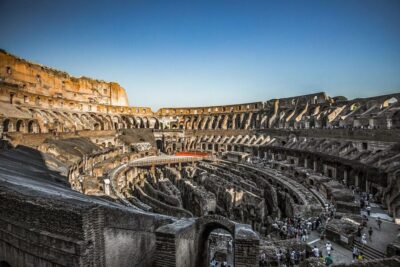
Colosseum: Underground and Ancient Rome Tour
Read our review →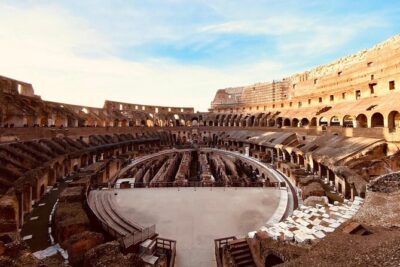
Colosseum with Arena, Roman Forum and Palatine Guided Tour
Read our review →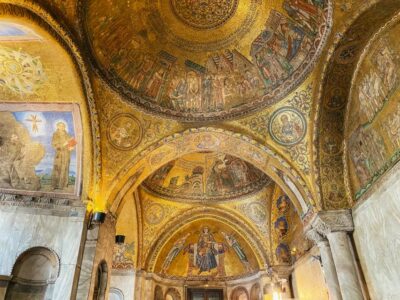
St. Mark’s Basilica Guided Tour & VR History Intro
Read our review →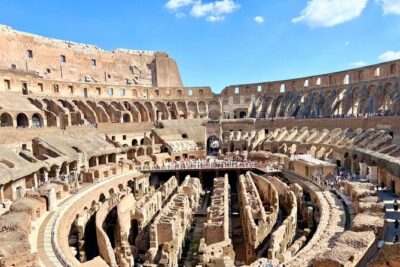
Colosseum with Arena, Roman Forum and Palatine Hill Guided Tour
Read our review →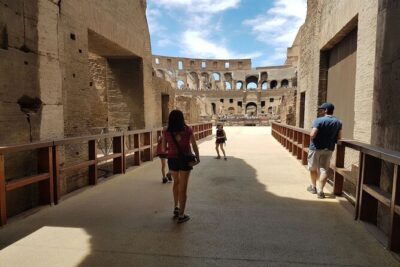
Colosseum & Ancient Rome with Arena Floor Option I Max 6 People
Read our review →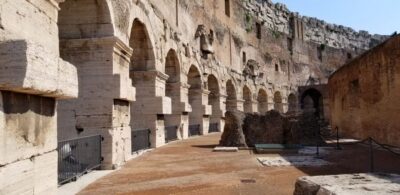
Colosseum, Ancient Rome Tour or AudioGuided Tour
Read our review →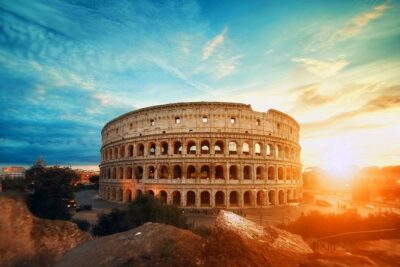
Colosseum Underground & Ancient Rome Guided Tour
Read our review →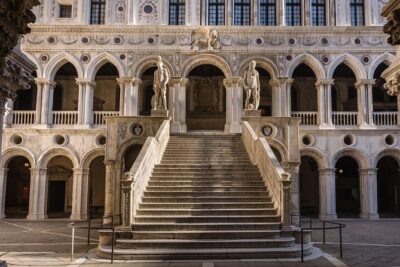
Venice’s Best: Basilica, Doge’s Palace, Gondola & History Gallery
Read our review →Browse the lists this tour appears in